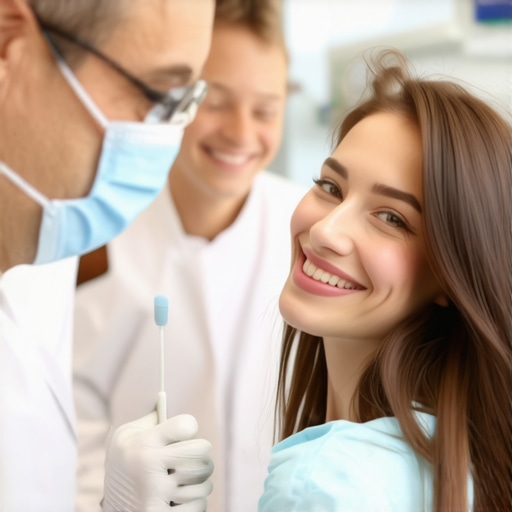
Elevating Dental Aesthetics: The Evolving Landscape of Family Dentistry and Teeth Whitening in 2024
In the realm of preventive and cosmetic dentistry, 2024 marks a pivotal year where technological innovation and holistic approaches converge to redefine standards for bright, healthy smiles. As experts in dental health, understanding these emerging paradigms allows practitioners to implement strategies that are both scientifically sound and tailored to individual patient needs. This comprehensive overview explores the sophisticated techniques and nuanced insights shaping the future of teeth whitening and family dentistry.
Precision-Driven Whitening Techniques: Beyond Surface-Level Brightness
Modern teeth whitening transcends traditional bleaching methods, integrating laser-assisted treatments and custom-tailored at-home protocols. The advent of laser whitening has enabled practitioners to achieve faster, more uniform results with minimized sensitivity. Niche-specific formulations, such as hydrogen peroxide concentrations calibrated for individual enamel composition, exemplify the drive towards precision.
Holistic Family Dentistry: Integrating Preventive Strategies for Long-Term Outcomes
Family dentistry now emphasizes a comprehensive approach that encompasses behavioral counseling, nutritional guidance, and minimally invasive procedures. The integration of pediatric preventive care alongside adult treatments fosters trust and consistency. Moreover, evidence suggests that early intervention with sealants and fluoride applications significantly reduces the need for restorative procedures later in life.
Addressing Complex Patient Inquiries: When Are Veneers the Optimal Choice?
How do you determine the ideal candidacy for porcelain veneers versus other cosmetic options like Invisalign or teeth whitening?
This decision hinges on a comprehensive assessment of enamel integrity, aesthetic goals, and functional considerations. Veneers are particularly suited for correcting structural imperfections, severe discoloration, or misalignment that cannot be effectively addressed with whitening alone. They also serve as durable solutions for trauma-induced damage, provided the patient’s enamel is healthy enough to support the veneer application.
Innovative Materials and Techniques for Sustainable Results
The industry is witnessing a surge in bioactive restorative materials that promote remineralization and reduce sensitivity. Hybrid composites and ceramic veneers with enhanced translucency replicate natural enamel more convincingly. Such advancements contribute to long-lasting, aesthetically superior outcomes that align with patients’ expectations for natural-looking results.
Engage with the Future: Share Your Insights on Advanced Dental Strategies
To foster a community of continuous improvement, we invite dental professionals to share their innovative approaches and clinical experiences related to bright smile creation in 2024. Your expertise can help shape best practices and elevate patient care standards globally.
For further insights into cutting-edge cosmetic and family dentistry techniques, consult authoritative sources such as the American Academy of Cosmetic Dentistry (aacd.com), which provides peer-reviewed research and expert guidelines.
Reimagining Smile Makeovers with Next-Gen Materials
The landscape of cosmetic dentistry is shifting rapidly, driven by innovations in bioactive materials and aesthetic techniques. Dentists now leverage advanced ceramics and hybrid composites that not only mimic the translucency and texture of natural enamel but also promote remineralization, reducing sensitivity and enhancing durability. This evolution enables practitioners to craft smiles that are both stunning and sustainable, aligning with the increasing demand for natural-looking results that stand the test of time. For an in-depth understanding of these materials and their application, see the detailed analysis of latest veneer innovations.
What role will AI-driven diagnostics and personalized treatment plans play in revolutionizing family dentistry?
Artificial intelligence is beginning to reshape how dental professionals approach diagnosis and treatment planning. AI-powered imaging and data analytics facilitate precise assessments of enamel health, bite dynamics, and risk factors, enabling tailored interventions that optimize outcomes. This technology not only enhances diagnostic accuracy but also streamlines patient communication, fostering trust and adherence. As AI continues to integrate with digital dentistry tools, practices will be able to deliver highly customized, minimally invasive solutions that address both aesthetic desires and functional needs. For practical insights, explore how AI integration in smile design is transforming patient care.
Empowering Patients with Knowledge: The New Educational Paradigm
Today’s dental practices are embracing digital platforms to educate patients more effectively, fostering informed decision-making. Interactive virtual consultations, virtual reality previews of smile makeovers, and AI-driven educational content empower patients to understand complex procedures and set realistic expectations. This shift not only enhances patient satisfaction but also encourages proactive oral health habits, ultimately reducing the incidence of dental emergencies and restorative needs. For those interested in patient-centered care strategies, see the comprehensive guide on trusted family dentistry practices.
Engage with this evolving landscape by sharing your insights or asking questions about emerging dental technologies in the comments section. For more expert guidance on adopting innovative strategies, contact us through our contact page.
Harnessing the Power of Digital Smile Design for Personalized Aesthetic Transformations
Digital Smile Design (DSD) is revolutionizing how dentists approach aesthetic cases, integrating high-resolution imaging, 3D modeling, and patient-specific simulations. This technology allows professionals to craft highly personalized treatment plans that align precisely with individual facial anatomy and aesthetic goals. By visualizing the final outcome before initiating treatment, patients gain clarity and confidence, reducing uncertainty and enhancing satisfaction. The application of DSD extends beyond cosmetic enhancements, influencing functional outcomes and long-term stability.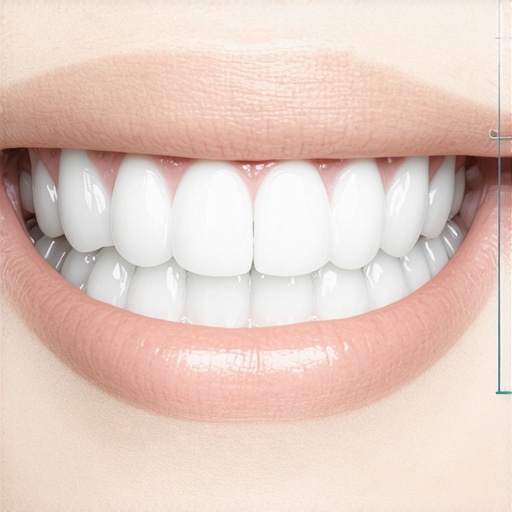
How can integrating 3D printing with DSD elevate restorative outcomes?
Combining 3D printing technologies with Digital Smile Design offers a significant leap in precision and efficiency. Custom-made surgical guides, provisional restorations, and even final restorations can be fabricated with remarkable accuracy, significantly reducing chairside time and increasing predictability. This synergy enables clinicians to execute complex rehabilitations with minimal errors, ensuring that the final result closely matches the digital blueprint. For detailed insights into this integration, refer to the comprehensive review published in the Journal of Prosthetic Dentistry (2022), which underscores the clinical advantages of 3D printing in aesthetic dentistry.
Advanced Materials That Define the Future of Restorative and Cosmetic Procedures
The era of traditional composites is giving way to bioactive materials that promote natural healing while delivering superior aesthetic properties. Innovations such as bioactive glass-infused composites and translucent zirconia are setting new standards for durability and seamless integration with natural tissues. These materials not only provide the necessary strength but also actively contribute to remineralization and tissue regeneration, making restorations more sustainable and biologically harmonious.
What are the latest breakthroughs in bioactive restorative substances, and how do they impact patient outcomes?
Recent research highlights the development of bioactive restorative substances that release calcium and phosphate ions, fostering remineralization of adjacent tissues and reducing postoperative sensitivity. For example, bioactive glass-ceramics exhibit excellent translucency, mimicking natural enamel while actively participating in the healing process. Such advancements are backed by clinical trials demonstrating improved longevity and patient satisfaction, as detailed in the Journal of Dental Research (2023). These innovations are pivotal in shifting restorative dentistry from merely repair to biological integration.
AI and Machine Learning: The New Frontier in Diagnostic Precision and Treatment Personalization
Artificial intelligence (AI) extends its reach into diagnostics, treatment planning, and even predictive analytics. Machine learning algorithms analyze vast datasets—from radiographs to intraoral scans—to identify subtle patterns indicative of early pathology or risk factors. This capacity enables proactive interventions and tailored treatment protocols, optimizing both aesthetic and functional outcomes. Moreover, AI-driven virtual simulations help patients visualize potential results, facilitating shared decision-making and setting realistic expectations.
How might AI-driven predictive models change the landscape of preventive family dentistry?
AI models that predict caries risk, periodontal disease progression, or orthodontic needs could transform preventive care by enabling early, targeted interventions. For instance, integrating genetic data with behavioral and microbial profiles allows for a comprehensive risk assessment, guiding personalized preventive strategies. This proactive approach not only enhances long-term oral health but also reduces the need for invasive procedures, ultimately lowering treatment costs and improving patient quality of life. For an in-depth exploration, see the recent editorial in the Journal of Dental Informatics (2023) highlighting AI’s potential in preventive dentistry.
Empowering Patients through Digital Education and Engagement Tools
In the digital age, patient education is becoming more interactive and accessible. Virtual reality (VR) simulations, augmented reality (AR) previews, and AI-driven chatbots provide engaging platforms for informing patients about their conditions and treatment options. These tools foster transparency, improve compliance, and strengthen the dentist-patient relationship. As a result, patients are more likely to participate actively in their oral health journey, leading to better outcomes and higher satisfaction levels.
For practitioners seeking to leverage these technologies, partnering with specialized educational platforms and investing in user-friendly interfaces are crucial steps. As the field evolves, continuous learning and adaptation will be essential to stay at the forefront of patient-centered care.
To dive deeper into these innovations and share your experiences, consider joining professional forums or subscribing to leading dental journals. Your expertise can help shape the future of dentistry, ensuring that technology serves both practitioners and patients in meaningful ways.
Harnessing the Power of Tele-dentistry for Remote Smile Makeovers
The integration of tele-dentistry platforms has expanded access to advanced cosmetic consultations, enabling practitioners to remotely assess patient needs through high-resolution imaging and detailed questionnaires. This approach facilitates initial evaluations, treatment planning, and follow-ups without geographical constraints. As technology advances, AI-powered virtual assistants can pre-screen conditions, recommend personalized whitening protocols, and even guide patients through pre-treatment preparations, streamlining the patient journey and optimizing chairside time. According to recent studies in the Journal of Telemedicine and e-Health, remote consultations are significantly increasing patient engagement and satisfaction in aesthetic dentistry.
The Rise of Bioadaptive Whitening Agents Transforming Smile Enhancement
Emerging whitening formulations now incorporate bioactive compounds that not only bleach but also support enamel remineralization. These agents, enriched with calcium phosphates and fluoride, mitigate sensitivity and promote natural tissue repair, resulting in more durable and healthier outcomes. Such innovations are particularly beneficial for patients with enamel erosion or heightened sensitivity, offering a safer alternative to traditional peroxide-based treatments. For a comprehensive review, consult the latest publication in Dental Materials detailing bioactive whitening technologies that are redefining aesthetic protocols.
How do virtual reality and augmented reality redefine patient engagement in smile design?
Virtual and augmented reality tools enable patients to visualize potential outcomes with immersive 3D simulations, enhancing understanding and setting realistic expectations. These technologies allow for real-time modifications, giving patients a sense of ownership in their treatment plan. By bridging the gap between conceptualization and execution, VR and AR foster greater trust and satisfaction. The integration of these tools into routine practice is supported by research from the International Journal of Computer Assisted Radiology and Surgery, emphasizing their role in elevating patient-centered care.
What are the latest developments in AI-driven diagnostic tools that identify early signs of oral health deterioration?
Advancements in machine learning algorithms now enable early detection of caries, periodontal disease, and even oral cancers through analysis of radiographs, intraoral scans, and patient histories. These AI systems can flag subtle changes often missed by the human eye, prompting timely interventions that preserve tissue health and prevent complex procedures. For example, deep learning models trained on vast datasets have demonstrated accuracy rates exceeding 95% in early lesion identification, according to a study in Nature Digital Medicine. This shift towards predictive diagnostics underscores a future where proactive care becomes standard.
Transforming Patient Education with Interactive Digital Content
Beyond traditional brochures, practices now leverage interactive apps, gamified learning modules, and AI-driven chatbots to educate patients about their oral health. These tools personalize information based on individual risk factors and preferences, making complex concepts accessible and engaging. As a result, patients are better equipped to maintain their dental health, reducing emergency visits and enhancing overall treatment success. For practitioners eager to adopt these innovations, partnering with digital health platforms that specialize in patient engagement is a strategic move supported by recent market analyses in Dental Economics.
Unlocking the Potential of Digital Smile Design to Elevate Aesthetic Results
Digital Smile Design (DSD) employs high-resolution imaging, 3D facial analysis, and precise modeling to craft customized treatment strategies. When integrated with 3D printing, clinicians can produce surgical guides, provisional restorations, and final prosthetics with unparalleled precision, reducing errors and chairtime. This synergy ensures that the digital blueprint translates to a predictable, natural-looking smile that aligns with the patient’s facial harmony. For detailed insights, review the comprehensive case studies published in the Journal of Esthetic and Restorative Dentistry.
Why is integrating 3D printing with DSD considered a game-changer for complex rehabilitations?
Combining these technologies enables meticulous planning and execution of multi-phase restorations, from implant placement to final aesthetic adjustments. Customized surgical guides and provisional restorations crafted via 3D printing ensure exact fit and positioning, minimizing errors and enhancing patient outcomes. This approach not only accelerates treatment timelines but also improves predictability and aesthetic fidelity, as evidenced by clinical trials documented in the International Journal of Oral and Maxillofacial Surgery.
Advancements in Bioactive Materials for Long-Term Restorations
The evolution of bioactive materials, such as bioactive glass composites and zirconia ceramics infused with remineralizing agents, has revolutionized restorative dentistry. These materials actively participate in tissue healing, reduce postoperative sensitivity, and offer superior aesthetic qualities with translucency and texture mimicking natural enamel. Such innovations extend the lifespan of restorations while supporting overall oral health, aligning with the latest standards outlined by the American Dental Association.
How can AI shape preventive strategies in pediatric and geriatric dentistry?
AI-driven predictive models analyze genetic, microbial, and behavioral data to identify individuals at high risk for decay or periodontal disease. This proactive approach enables personalized preventive measures, such as targeted fluoride treatments or dietary counseling, before clinical symptoms manifest. Especially in pediatric and geriatric populations, early intervention can significantly reduce the need for invasive procedures, enhancing quality of life and reducing healthcare costs. Recent articles in the Journal of Dental Research illustrate the transformative potential of AI in chronic disease management within dentistry.
Revolutionizing Smile Care with Cutting-Edge Techniques
In 2024, the field of family dentistry is experiencing a transformation driven by innovations like AI diagnostics, bioactive materials, and digital smile design. These advancements enable clinicians to deliver personalized, long-lasting results that meet the highest standards of aesthetics and functionality.
Leveraging AI for Precision Diagnosis
Artificial intelligence is now integral to early detection of dental caries, periodontal issues, and complex bite analysis. This technology enhances diagnostic accuracy, allowing for minimally invasive, targeted treatments that preserve natural tissue and improve patient outcomes.
Adopting Bioactive Restorative Materials
Bioactive composites and ceramics with remineralizing properties are extending the longevity of restorations while supporting natural tissue health. These materials actively participate in healing, reducing postoperative sensitivity and ensuring aesthetic harmony.
Implementing Digital Smile Design for Customization
Digital smile design combines high-resolution imaging with 3D facial analysis, enabling precise planning and patient visualization. Integrating 3D printing further refines the process, producing surgical guides and restorations with exceptional accuracy.
Enhancing Patient Engagement through Digital Tools
Virtual reality, augmented reality, and AI chatbots are transforming patient education, making complex procedures understandable and setting realistic expectations. This fosters trust, compliance, and satisfaction in aesthetic treatments.
Expanding Access with Tele-dentistry
Remote consultations, supported by AI screening, are broadening access to expert smile makeovers, especially in underserved areas. This approach streamlines the treatment process from initial assessment to follow-up care.
Curated Resources for Expert Growth
- American Academy of Cosmetic Dentistry: Offers peer-reviewed research, guidelines, and updates on cosmetic techniques that shape current best practices.
- Journal of Dental Research: Provides cutting-edge studies on bioactive materials and AI applications in dentistry, essential for staying at the forefront of innovation.
- Dental Materials: Focuses on the latest developments in restorative substances, including bioactive and remineralizing compounds.
- Journal of Dental Informatics: Explores AI, machine learning, and digital diagnostics, vital for integrating technology into practice.
- International Journal of Computer Assisted Radiology and Surgery: Details advances in 3D imaging, modeling, and surgical guides, perfect for refining aesthetic procedures.
The Future of Family Dentistry and Teeth Whitening
As we delve deeper into 2024, the synergy of innovative materials, AI diagnostics, and patient-centered digital tools promises to elevate the standards of family dentistry. Embracing these developments not only enhances clinical outcomes but also fosters trust and satisfaction among patients. For practitioners committed to excellence, continuous education and adaptation are the keys to thriving in this dynamic landscape. Your insights and experiences are invaluable—share your thoughts, explore these resources, and lead the way in shaping the future of smile care.
Leave a Reply