
How to get your teen to wear their retainer without constant nagging
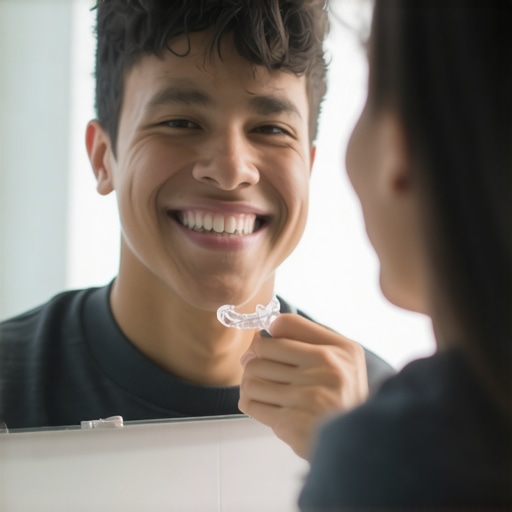
I’ll never forget the morning I found my daughter’s $300 custom-molded retainer sitting at the bottom of a greasy pepperoni pizza box. My heart didn’t just sink; it did a full-on somersault into my stomach. We had just finished a grueling two-year journey of monthly adjustments, sore jaws, and enough orthodontic wax to light a cathedral. I felt like a failure. More importantly, I felt like a broken record. ‘Is it in your mouth? Where is the case? Do you want your teeth to move back?’ It was exhausting for both of us. If you’ve ever felt that sharp pang of annoyance when you see why your teenager is suddenly getting cavities between their teeth or, worse, a shifting front tooth, you are not alone. Today, I’m sharing how I moved past the nagging and finally got my teen to take ownership of their smile. [image_placeholder]
The Day the Nagging Stopped Working
I made a massive mistake early on: I treated her retainer like it was my responsibility. I was the one cleaning it, the one finding it, and the one obsessing over the reason your smile looks uneven after orthodontic treatment. By doing that, I gave her zero reason to care. It became a chore I was forcing on her, rather than a tool for her own confidence. We think we’re helping with the constant reminders, but we’re actually just becoming background noise. It’s much like the family dentistry tips for creating a healthy smile—if they don’t buy into the ‘why,’ the ‘how’ never happens. Have you ever felt like your teen just tunes you out the moment you mention dental hygiene?
Is all this effort actually worth the hype?
You might be wondering if a few missed nights really matter. The short answer? Yes. According to the American Association of Orthodontists, teeth have a biological ‘memory’ and will begin shifting back to their original positions almost immediately without consistent retention. It’s a physical reality, not just a parent’s paranoia. But here is the secret: nagging creates resistance. When I shifted the conversation from ‘You need to do this’ to ‘Here is how you protect your investment,’ the dynamic changed. Whether they used invisalign innovation or traditional braces, the end goal is the same. We need to stop being the ‘Retainer Police’ and start being the ‘Confidence Coaches.’
Why your teen’s brain is wired to ignore you
It’s not just defiance; it’s developmental. Teens are hardwired to seek autonomy and independence. When we nag, we are essentially stepping on their toes and triggering a natural ‘shut down’ response. I had to learn the hard way that my daughter was actually more likely to wear her retainer if I stopped mentioning it every five minutes. I started focusing on ensuring family dental care as a shared family value rather than a list of demands. I even shared my own dental mishaps, like the time I almost lost a filling, to show her that even adults mess up. We’re going to dive into the specific psychological triggers and routines that actually work, but first, let’s get honest about the real reason they keep ‘forgetting’ that piece of plastic.
Give them the keys to their own smile
To get a teenager to care, you have to stop acting like the owner of their mouth. I realized that as long as I was the one tracking the retainer, it was my problem, not hers. I decided to treat the retainer like her smartphone: if you lose it, you feel the consequence. I sat my daughter down and showed her the actual invoice for the replacement we just bought. I didn’t lecture; I simply explained that the $300 could have been spent on the new shoes she had been eyeing. Linking the dental appliance to her own ‘currency’ changed the game overnight. We often overlook this in family dentistry building healthy smiles for every generation—the transition from parent-led care to self-led care is a milestone in itself. 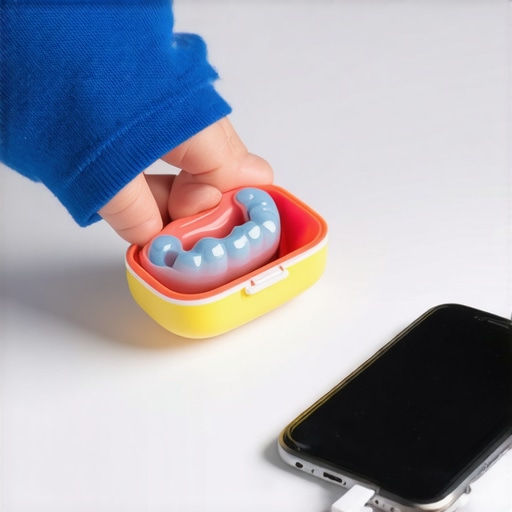
Make the cost of failure tangible
It is hard for a teen to visualize a shifting tooth, but they can visualize time. I explained the problem with wearing your aligners for only 18 hours a day or skipping a retainer night: it extends the ‘work’ phase. I told her, ‘Every night you skip is two nights you add to the back end of this process.’ By framing it as a way to finish her ‘dental chores’ faster, she began to see the retainer as a shortcut to freedom rather than a sentence. We even looked at the reason your smile looks uneven after orthodontic treatment together so she could see the ‘why’ behind my persistence.
Master the habit loop instead of the reminder loop
Nagging is a broken loop. Instead, we built a physical habit trigger. The retainer case now lives on top of her phone charger. She can’t plug in her phone at night without moving the case. This simple ‘stacking’ of habits is more effective than any verbal reminder I could give. If your teen complains about the ‘feel’ of the appliance, help them troubleshoot. For instance, knowing how to get rid of the plastic aftertaste from new invisalign trays can remove a sensory barrier that is causing them to ‘forget’ it on purpose. Similarly, teach them how to properly clean a night guard to prevent bacterial buildup, which keeps the retainer from becoming ‘gross’—the number one reason teens leave them in the box.
Focus on the aesthetic rewards they actually want
Most teens don’t care about ‘periodontal health,’ but they do care about how their smile looks in photos. I started leaning into the vanity aspect. We talked about brighten your life top teeth whitening strategies today as a reward for six months of consistent retainer use. This shifted the focus from ‘don’t mess up’ to ‘look how much better we can make this.’ When they see their smile as an asset they can improve—much like transforming your smile with veneers—they are far more likely to protect the foundation they’ve already built. It’s about moving the goalposts from maintenance to enhancement.
It’s about moving the goalposts from maintenance to enhancement. But here is where most people—including myself for many years—get the enhancement part completely wrong. We treat cosmetic improvements like a one-and-done purchase, but the biological reality is far more complex. The nuance of ensuring family dental care isn’t just about showing up for cleanings; it’s about understanding that your mouth is a living, changing environment. If you approach whitening or veneers with a ‘set it and forget it’ mindset, you’re setting yourself up for a very expensive disappointment.
Stop chasing that neon white glow
Everyone says the goal of whitening is to get as bright as possible, but in my experience, chasing a ‘refrigerator white’ shade is the fastest way to ruin your smile’s natural depth. When we over-process our enamel, we strip away the micro-texture that gives teeth their youthful translucency. According to a study published in the Journal of the American Dental Association (JADA), over-whitening can lead to significant mineral loss, making the teeth look chalky and ‘flat’ rather than healthy. I always tell my friends to look into teeth whitening secrets for a sparkling smile in 2025 that focus on gradual improvement rather than instant, aggressive bleaching. If your teeth look like they belong on a glow-stick, you’ve gone too far.
The patchwork trap you didn’t see coming
Here is a specific ‘oops’ factor that catches almost everyone: forgetting that dental work does not change color. I’ve seen so many parents—and even a few teens—try to brighten their smile only to realize they now have a visible ‘patch’ because of the mistake of using whitening strips on dental bonding. The peroxide lifts stains from your natural enamel but does absolutely nothing to the composite resin or porcelain. This creates a mismatched, mottled look that is much harder to fix than the original yellowing. Before you start any treatment, you have to map out every filling and crown in your mouth to ensure you aren’t creating a dental jigsaw puzzle.
Why do your bottom teeth stay yellow while the top ones look great?
This is one of the most common frustrations I hear, and the answer isn’t just about how you brush. Gravity and anatomy are actually working against you. Our lower teeth are naturally denser with less enamel and more dentin (which is yellow by nature), and they sit in a constant pool of saliva that can dilute whitening gels faster than on the top arch. Furthermore, when you eat and drink, the lower teeth often have more prolonged contact with staining agents like coffee or tea. If you find that your top teeth are white but the bottom ones stay yellow, you may need a completely different application technique for the lower arch to compensate for that biological disadvantage.
Veneers are an investment, not a shield
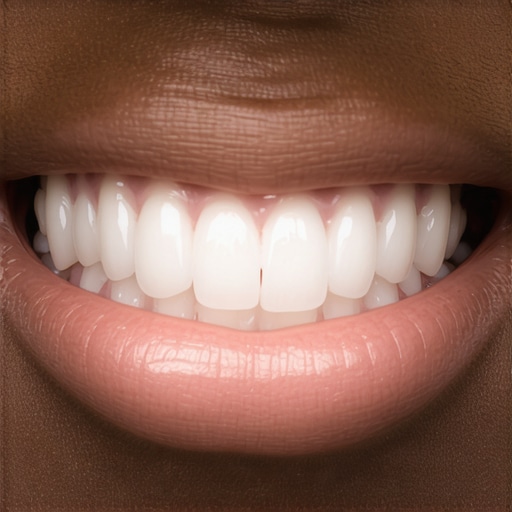
Another myth is that once you get veneers, you can stop worrying about cavities or staining. This couldn’t be further from the truth. While the porcelain itself is stain-resistant, the tooth structure underneath is still vulnerable. If you don’t change your habits, you can still get decay at the margins where the veneer meets the tooth. You also have to rethink your cleaning routine; you must stop brushing your veneers like they are real teeth using abrasive ‘whitening’ toothpastes that can actually scratch the glaze and make them look dull over time. The key is to learn how to stop your veneers from looking too white and fake by maintaining the health of the surrounding gum tissue, which provides the natural frame for your smile. Have you ever fallen into this trap where you thought a cosmetic fix solved everything? Let me know in the comments below!
Maintaining that ‘just-finished’ look requires more than a standard toothbrush. I eventually invested in a small ultrasonic cleaner—the kind jewelers use—for my daughter’s retainer and my own night guard. It uses sound waves to create microscopic bubbles that blast away the biofilm manual brushing simply misses. If you want to know how to properly clean a night guard to prevent bacterial buildup, this is the gold standard. It’s also why her aligners never got that ‘cloudy’ look that makes so many people self-conscious about invisalign innovation. 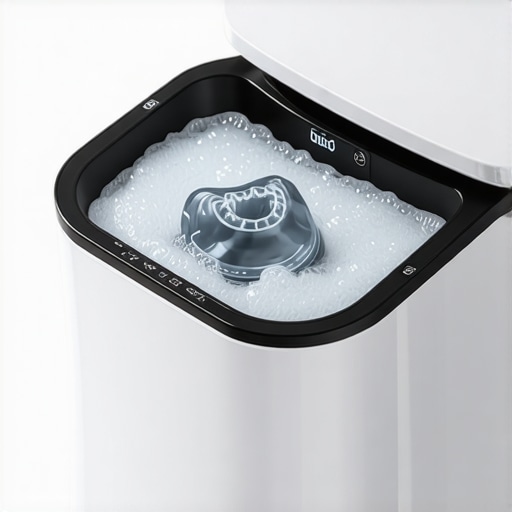
Ditch the abrasive pastes for good
I’ve seen so many people try to ‘scrub’ their way to a whiter smile, but the truth about charcoal toothpaste and your tooth enamel is that it is essentially liquid sandpaper. According to the American Dental Association’s (ADA) Relative Dentin Abrasivity (RDA) scale, many whitening pastes score over 150, which is acceptable for natural enamel but can be devastating for veneers or delicate cosmetic bonding. For my family, we stick to professional-grade pastes with an RDA below 70. This prevents the micro-scratches that trap stains and make your smile look dull a few years down the line.
How do I maintain my results over the next decade?
It comes down to consistency and biological awareness. You have to treat your mouth as an ecosystem rather than a project with a finish line. For those who recently whitened, I recommend sticking to ‘the white diet’ for at least 48 hours post-treatment and then using a reusable straw for any dark liquids like black tea or coffee. If you experience post-bleach sensitivity, knowing how to manage the zingers after a professional whitening session can keep you from abandoning the maintenance cycle altogether. In family dentistry building healthy smiles for every generation, we’ve found that kids who see their parents maintaining their own dental work are significantly more likely to take ownership of their own routines.
Digital blueprints are the future of your smile
The future of dental maintenance is digital and decentralized. We are moving toward a world where your dentist keeps a permanent 3D digital twin of your ‘perfect’ smile on file at all times. If you lose a retainer or chip a veneer in 2030, you won’t need a new physical impression; you will just have a new one 3D-printed and mailed to your house. This level of ensuring family dental care removes the human error and friction that usually leads to orthodontic relapse. My advice? Ask your dentist for your digital STL file today—it is your smile’s ultimate insurance policy. Try this: Swap your regular toothpaste for a low-RDA sensitive formula for one week and see if your natural gloss returns. Your enamel will thank you![image_placeholder]
The hardest pill I had to swallow about modern orthodontics
Looking back at that pizza box incident, I realized my biggest error wasn’t a lack of vigilance; it was a lack of vision. True success in family dentistry building healthy smiles for every generation isn’t measured the day the braces come off, but in the years that follow. Here are the three lightbulb moments that changed everything for us. First, ownership beats oversight. As long as I was the owner of her smile, she was happy to let me do all the work. When I shifted the responsibility to her, she finally began to value the result. Second, biological memory is stubborn. I finally understood that teeth are in a constant state of flux, which made the retainer feel like a shield rather than a shackle. Finally, visual proof is powerful. Showing her 3D scans of how teeth move without support did more than a thousand lectures ever could.
Tools that finally made our routine stick
We moved away from generic advice and started using a curated toolkit that actually works for a busy teen lifestyle. Here is what we rely on now to keep things moving smoothly. I swear by ultrasonic cleaners; these are a game-changer for maintaining invisalign secrets achieving a perfect smile discreetly because they remove the ick factor that makes teens avoid their aligners. We also switched to professional-grade, low-RDA toothpastes. This was crucial to prevent why your porcelain veneers look dull after five years of wear, protecting the gloss of both natural enamel and porcelain. Lastly, we requested digital smile backups. Having a digital copy of her teeth’s final position means we never have to panic about lost hardware again.
Your smile is a lifelong conversation
Ultimately, dental care isn’t about perfection; it’s about the confidence to share your joy with the world. Whether you are exploring teeth whitening secrets for a sparkling smile in 2025 or considering veneers made simple transform your tooth aesthetics in 2025 at 1822, the goal is a healthy foundation that lasts. By treating our smiles as an investment rather than a chore, we teach the next generation to value themselves. It takes a village and a little bit of patience, but the results are worth every quiet night of not nagging. Have you ever struggled with getting your teenager to remember their retainer? Let me know below.