
Why your breath still smells bad after using a tongue scraper
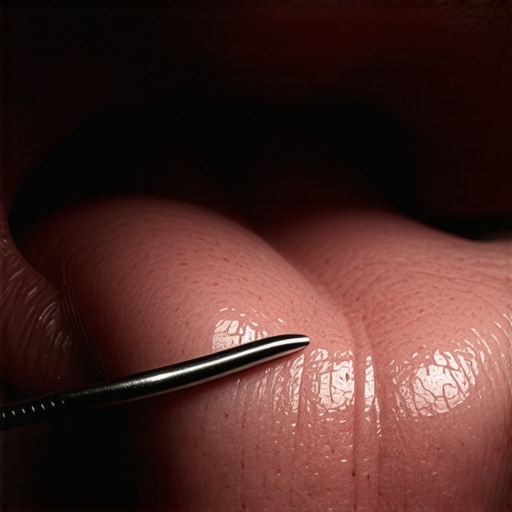
I stood in front of the bathroom mirror, gagging for the third time as I dragged a piece of surgical steel across my tongue. I was convinced that if I could just see that “gunk” disappear, my breath would finally be as fresh as a mountaintop. But ten minutes later, as I leaned in to chat with a friend at the coffee shop, I saw them subtly take a half-step back and turn their head. It crushed me. My confidence evaporated. I had the routine. I had the expensive tools. Yet, I still had the odor. It felt like a betrayal of my own body. If you’ve been there, staring at a “clean” tongue in the mirror while still tasting that stale air, I want you to know you’re not doing it wrong—you’re just missing the bigger picture.
The Scraping Myth That Left Me Embarrassed
I used to think my tongue was the sole villain in the story of my morning breath. I’d scrape until my tongue was raw, only to find that the hidden cause of morning breath wasn’t just sitting on the surface like dust on a bookshelf. We are often told by influencers and health gurus that these little U-shaped wands are the ultimate solution, but for many of us, they are just a temporary band-aid. If you’ve ever wondered why your breath smells like mothballs even after a deep clean, you aren’t alone. It’s not just about what you’re removing; it’s about what is staying behind in the microscopic crypts of your tongue and along the gum line. Bacteria are incredibly resilient; they don’t just sit there waiting to be evicted. They build fortresses. Today, I’m going to help you figure out why that scraper is failing you and what you actually need to do to fix the root of the problem, starting with the biology we often ignore.
Is My Tongue Scraper Actually Doing Anything?
When I first started my journey into obsessive oral hygiene, I made a massive mistake: I prioritized the scraper over my gums and the overall balance of my mouth. I noticed my gums were receding, yet I kept focusing on my tongue because it felt like the most obvious source of the funk. I was wrong. The truth is, the family dentistry professionals I finally consulted told me that bacteria live in a complex biofilm that adheres to everything. According to the American Dental Association, while a scraper might temporarily improve your breath by removing some debris, there is no evidence that it provides long-term relief from clinical halitosis because it doesn’t address the bacteria living deep in the oral tissues or under the gumline. You might even find that your teeth feel furry only a few hours after brushing, which is a clear sign that the bacterial load in your entire mouth is out of balance. Have you ever felt like you’re losing the battle against bad breath no matter how much gear you buy? It’s a lonely and frustrating feeling, but I promise there is a way out that doesn’t involve more scraping. We’re going to dive into the systemic reasons your mouth stays funky, from simple hydration issues to the types of bacteria that a piece of metal simply can’t touch.
Break Up the Bacterial Fortresses
The biggest mistake I made was treating my mouth like a flat surface that just needed a good sweep. In reality, your mouth is more like a dense, shag carpet. Bacteria create something called a biofilm—a sticky, protective shield that acts like a microscopic fortress. When you scrape your tongue, you’re only taking the roof off the building while the foundation remains intact. To truly fix the smell, you have to disrupt the architecture of that film. I remember one week where I went overboard, using a harsh antiseptic mouthwash four times a day, thinking I was ‘sterilizing’ the problem. Instead, I woke up with a mouth that felt like sandpaper. It turns out, why your teeth feel sticky even after using mouthwash is often because you’ve stripped away your natural defenses, allowing the stickiest, most resilient bacteria to take over the void. Instead of scorched-earth tactics, focus on gentle, consistent disruption. Use a soft-bristled brush to reach the ‘crypts’ at the back of the tongue where the scraper can’t reach, and don’t forget the sulcus—the tiny gap between your teeth and gums where anaerobic bacteria love to hide.
Why Your Saliva is the Secret Weapon Against Funk
Think of saliva as your mouth’s internal car wash. It’s constantly rinsing away debris and neutralizing the acids produced by bacteria. When your mouth gets dry, those bacteria throw a party, and the byproduct is that ‘mothball’ or ‘vinegar’ scent we all dread. If you’ve noticed why your breath smells like vinegar after wearing aligners all night, it’s because the plastic trays prevent saliva from reaching your tooth surfaces, creating a stagnant environment. To combat this, hydration isn’t just about drinking water; it’s about timing. I started keeping a glass of water by my bed and taking a sip every time I woke up, which significantly reduced that morning ‘death breath.’ If you use specialized tools, you must be even more diligent. For instance, the hidden reason your clear aligners have a persistent odor is often the microscopic scratches in the plastic that house bacteria, necessitating a deep soak rather than just a quick rinse. 
Stop Over-Cleaning and Start Balancing
I once thought that if a soft toothbrush was good, a hard one would be better at ‘scrubbing’ away the odor. I was wrong. I ended up with bleeding gums and increased sensitivity. Understanding why your gums feel sore after switching to a harder toothbrush is the first step in realizing that mechanical force isn’t the answer. You want to move the bacteria, not traumatize the tissue. If you are looking for natural supplements to your routine, you might consider the truth about oil pulling for whiter teeth and healthy gums; while it’s not a miracle cure, the mechanical action of swishing oil can help lift lipophilic (fat-soluble) bacteria that water-based rinsing misses. The goal is a balanced ecosystem, not a sterile one. When I finally stopped trying to ‘scrape’ the life out of my tongue and started focusing on gum health and hydration, the persistent odor finally vanished.I spent years thinking that once I got my teeth whitened or opted for those perfect porcelain shells, my oral health journey was essentially over. Everyone tells you that cosmetic dentistry is the finish line, but in my experience, it is actually just a different starting block. One of the biggest traps people fall into is using the same aggressive techniques on dental work that they used on their natural enamel. You need to stop brushing your veneers like they are real teeth because abrasive whitening pastes can actually create microscopic scratches that harbor more bacteria than your original smile ever did. If you have noticed why your porcelain veneers look dull after five years of wear, you have likely been scrubbing away the very glaze that keeps them stain-resistant.
Stop Treating Your Veneers Like Natural Teeth
Most people assume that since veneers are lab-created, they are invincible. I certainly did. I thought I could blast them with any drugstore polish. But here is the nuance: veneers are bonded with a resin that is susceptible to ‘leakage’ if the surrounding gum tissue isn’t handled with care. If you do not adjust your technique, you will end up wondering how to stop your veneers from looking too white and fake as the gum line recedes and exposes the dark junction of the natural tooth underneath. This is where the ‘oops’ factor hits hardest—people spend thousands on a smile only to ruin the aesthetics by neglecting the biological foundation. You must treat the margin where the veneer meets the tooth as the most vulnerable part of your mouth.
Can You Actually Over-Whiten Your Teeth to the Point of No Return?
There is a pervasive myth that if a little whitening is good, more is better. I fell into this trap myself, chasing a ‘Hollywood’ glow until my teeth literally felt translucent. This is not just a cosmetic issue; it is a structural one. According to research cited in the Journal of Evidence-Based Dental Practice, teeth have a ‘saturation point.’ Once you pass it, the whitening agents begin to break down the proteins in your enamel matrix. This is why your teeth look gray instead of yellow and how to fix it. If you are constantly dealing with how to manage the zingers after a professional whitening session, your body is telling you that you have pushed the boundary of what your dentin can handle. 
Why the Family Dentist Beats the Corporate Clinic Every Time
When I finally sought help for my crumbling ‘perfect’ smile, I learned the hard way about the ‘corporate’ trap. Large dental chains often prioritize high-turnover procedures like Invisalign, but they might gloss over the mechanical realities of your specific bite. For instance, many people fail their treatment because of the problem with wearing your aligners for only 18 hours a day—a nuance a busy clinic might not emphasize enough. Understanding the subtle difference between a corporate clinic and local family dentistry means realizing that a family practitioner looks at your smile’s history, not just your insurance’s current balance. A local dentist in Culpeper will remember that your child’s molars are coming in with white spots and will correlate that to your own enamel issues, whereas a revolving door of corporate dentists might miss those hereditary patterns entirely. This continuity of care is the ‘secret sauce’ to a smile that actually lasts decades rather than just months. Have you ever fallen into the trap of over-whitening or treating your cosmetic work a bit too roughly? Let me know in the comments below.
Get an Ultrasonic Cleaner for Your Aligners
I used to think a soft toothbrush and some mild soap were enough to keep my trays clear. I was wrong. Manual brushing actually creates microscopic scratches in the plastic, and those tiny grooves become the perfect apartments for bacteria. If you have ever wondered about the hidden reason your clear aligners have a persistent odor, it is likely those micro-scratches. I switched to a dedicated ultrasonic cleaner—a small device that uses high-frequency sound waves to create cavitation bubbles. These bubbles reach into the areas a bristle simply cannot touch. This is also the most effective way to how to get rid of the plastic aftertaste from new invisalign trays because it vibrates away the chemical residue from the manufacturing process. Once you see the cloud of ‘gunk’ that an ultrasonic bath pulls off an ‘already clean’ tray, you will never go back to scrubbing.
How do I maintain my dental investment over time?
The key to longevity is understanding the Relative Dentin Abrasivity (RDA) scale. According to the American Dental Association, any toothpaste with an RDA value over 100 is considered abrasive. If you have cosmetic work, you should aim for something under 70. You must stop brushing your veneers like they are real teeth using high-RDA whitening pastes; instead, look for enzyme-based cleaners that dissolve surface stains without physical friction. This helps you how to keep your teeth white without giving up black tea or your morning coffee. Consistency with your local family dentistry provider is your second layer of defense. They can spot the tiny fractures or bond-failures that you cannot see in your bathroom mirror. 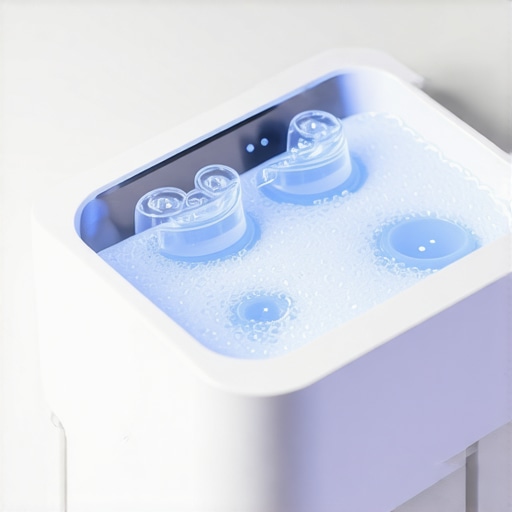
Where High-Tech Dentistry is Heading Next
We are entering an era where your dental visits will feel less like a workshop and more like a high-tech lab. In the near future, expect to see more AI-driven monitoring apps where you take a selfie of your smile, and an algorithm checks for tracking issues with your Invisalign. This tech-forward approach is already visible in how the real reason culpeper dentists are swapping traditional x-rays for 3d scans—it is about precision and preventing human error during the diagnostic phase. Even complex cases, like finding the best way to whiten teeth that have been stained by tetracycline, are becoming easier as we use digital mapping to target specific layers of the tooth. I predict that within five years, we will have ‘smart’ retainers that alert your phone if you have not worn them long enough to prevent shifting. For now, my best advice is to upgrade to an ultrasonic cleaner this week; it is the single best ‘pro-level’ tool you can add to your home kit to protect your investment. Give it a try and tell me if you notice the difference in how fresh your trays feel.
What I Wish I Knew Before Obsessing Over Every Little Stain
After years of trial and error, I realized that chasing perfection usually leads to sensitivity, not health. I learned that the ‘grit’ I felt on my teeth wasn’t always plaque; sometimes your porcelain veneers feel gritty to your tongue because of the way they interact with acidic drinks. Another lightbulb moment was discovering that the only way to get red wine stains off your enamel without scrubbing isn’t through force, but through preventive rinsing and specific enzymatic actions. Finally, I stopped viewing my dentist as a ‘fixer’ for when things break and started seeing family dentistry as a partnership for aging gracefully. Your smile is a living thing, not a piece of furniture you just polish once a year.
The Zero-Fluff Kit for Your Best Possible Smile
If I had to strip my routine down to the bare essentials that actually move the needle, these would be the three pillars. First, ditch the aggressive chemicals and look for teeth whitening secrets for a sparkling smile in 2025 that prioritize enamel safety over instant results. Second, if you are using trays, an ultrasonic cleaner is non-negotiable for achieving a perfect smile discreetly without that telltale aligner odor. Lastly, keep a physical or digital ‘smile journal’—when you notice a change in how your bite feels or if your new veneers feel like they are pushing against your other teeth, you have a record to show your local provider immediately. #IMAGE_PLACE_E#
Stop Overthinking and Start Smiling Again
It is easy to get lost in the sea of products and promises, but remember that the most beautiful smile is a healthy one that you aren’t afraid to show. Whether you are navigating the nuances of expert tips for veneers or just trying to get your morning breath under control, you now have the tools to do it right. You don’t need a perfect Hollywood transformation to feel confident; you just need a routine that works with your body’s biology instead of against it. Start small, stay consistent, and let your family dentistry team handle the heavy lifting. Your future self—and your breath—will thank you.
Have you ever felt like you were doing everything right but still weren’t seeing the results you wanted? Let me know in the comments below!