
The danger of using safety pins to pick at your braces
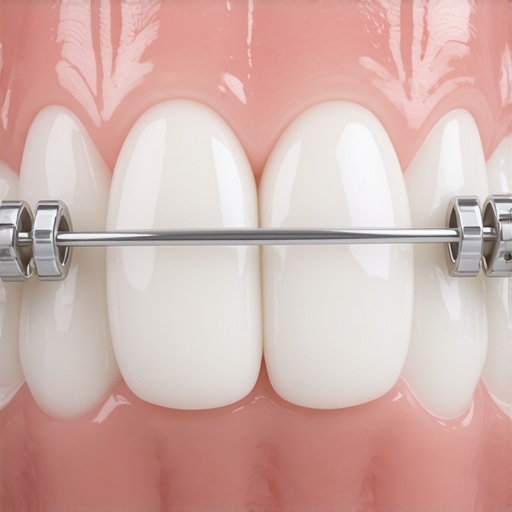
I will never forget the cold sweat I broke into when I felt that sharp click—not the sound of a bracket snapping back into place, but the sound of metal scraping against my sensitive tooth enamel. I was twenty minutes away from a date, and a stray piece of kale was mocking me from behind my archwire. In a moment of pure, unadulterated panic, I reached into my junk drawer and pulled out a safety pin. I thought I was being clever and resourceful. In reality, I was seconds away from a dental emergency that would cost me hundreds of dollars and months of progress.
The Hidden Risks of Kitchen Counter Orthodontics
We have all been there. Your orthodontist office is closed for the weekend, and something is poking, prodding, or just plain stuck. It is tempting to think that a thin needle or a safety pin is the precision tool you need. But here is the cold, hard truth: those tiny pins are not just unsterile; they are destructive. When I tried to help myself that night, I did not just move the kale; I scratched the protective layer of my teeth and nearly bent my wire. If you are struggling with a similar situation, like knowing how to handle a loose bracket when your orthodontic office is closed, reaching for a sewing kit is the absolute last thing you should do. Today, we are going to solve the problem of managing orthodontic discomfort without permanent damage.
Isn’t a quick poke better than waiting three days for an appointment?
It feels like a minor hack, but the mouth is a delicate ecosystem. According to the National Institutes of Health, the human mouth is home to over 700 species of bacteria, and introducing a non-medical grade metal—especially one that has been sitting in a drawer—is an invitation for a nasty infection. Beyond the germs, safety pins are made of much harder metals than your teeth. One slip, and you are looking at a chip that even expert tips for veneers might struggle to fix perfectly. I learned the hard way that learning how to safely remove a piece of popcorn stuck in your gums involves dental wax and interdental brushes, not sharp objects from my hobby box. It took a very awkward conversation with my orthodontist on Monday morning for me to realize that resourcefulness in dentistry is usually just recklessness in disguise. Have you ever felt that desperate urge to fix your braces with whatever you had on hand? Let me know, because I have definitely been there. Now, let’s look at why those wires are so sensitive to pressure and how you can actually soothe the pain safely.
Master the Art of Orthodontic First Aid Without the Drama
When I finally put down the safety pin and picked up the phone to call my orthodontist, I felt like a failure. But he told me something that changed my entire perspective: ‘Your mouth is a precision-tuned machine, not a construction site.’ He was right. Whether you are dealing with traditional braces or newer tech like Invisalign innovation changing smiles, the goal is to manage the irritation, not to perform surgery. The first thing you need to do is build a ‘Save My Smile’ kit. This should include orthodontic wax, interdental brushes, and salt for a warm rinse. If you have been struggling with a sharp wire, the absolute best move is to dry the area completely with a cotton swab first. Wax will never stick to a wet bracket; it’s like trying to tape a wet cardboard box. Once dry, roll a tiny ball of wax and press it firmly over the offending metal. I once spent an entire wedding reception with a grape-sized lump of wax in my mouth, and honestly, no one noticed, and I actually got to enjoy the cake.
Create a Buffer Zone with Orthodontic Wax
Think of orthodontic wax as the shock absorber for your mouth. If you’ve just had an appointment, knowing the best way to soothe a sore mouth after an orthodontic adjustment involves more than just ibuprofen. It is about physical protection. If the wax keeps falling off, try using a small piece of sugarless gum in an absolute pinch, though wax is always preferred. This is the same principle we teach in family dentistry for every generation: prevention of further injury is the priority. 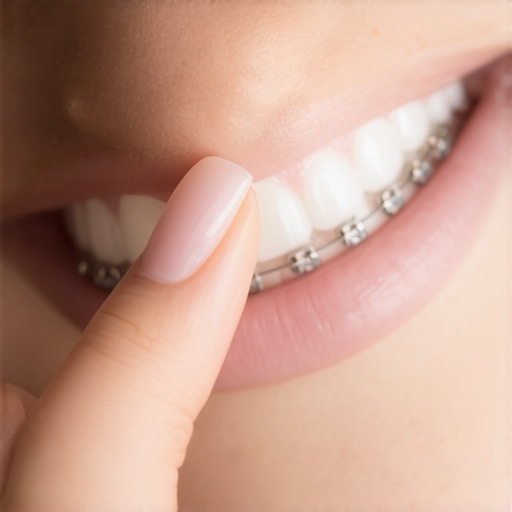
Handle Loose Brackets Without the Panic
If a bracket actually slides off the tooth and is still attached to the wire, don’t try to pull it off. You can use a pair of tweezers—sterilized with boiling water or alcohol first—to gently slide the bracket back to the center of the tooth. Then, cover it with a generous amount of wax to keep it from sliding around and cutting your gums. This is a temporary fix until you can get in for a repair. We see this often in family dental care for 2025, where kids’ active lifestyles lead to hardware mishaps. If you are dealing with a wire that has popped out of the back tube, you can sometimes use the eraser end of a pencil to gently tuck it back behind the archwire so it stops stabbing your cheek.
Clear the Debris Using Precision Tools
Forget the safety pins or toothpicks. If you have food caught in your hardware, use an interdental brush or a water flosser. For those with permanent retainers, learning how to clean plaque off a permanent retainer wire is a daily necessity to prevent gum inflammation. If it’s a stubborn piece of food, like a popcorn hull, you might need to try the secret to removing popcorn hulls from under a bridge or a wire which often involves using a floss threader to get *behind* the obstacle rather than pushing it further in. I remember one frantic night trying to get a strawberry seed out; the more I poked, the more it bled. The second I used a proper floss threader, it popped right out. This same level of care applies to aesthetic work too—you have to stop brushing your veneers like they are real teeth and treat all your dental work with a bit of ‘soft-touch’ respect. Keeping things clean is the only way to avoid the ‘zingers’ and phantom pains that keep you up at night.
While managing a loose wire is one thing, the world of cosmetic and family dentistry is filled with even more subtle traps that can derail your progress. Many people believe that once they get veneers or start a whitening regimen, the ‘hard part’ is over. In reality, that is when the real precision work begins. Let’s dig deeper into why some of the most common beliefs about high-end dental work are actually setting you back. For instance, there is a common misconception that porcelain is indestructible. While it is incredibly durable, it lacks the self-repairing properties of natural enamel. I have seen people treat their new smiles like tools, only to wonder why your porcelain veneers look dull after five years of wear. Often, it is because they have been using abrasive ‘whitening’ toothpastes that micro-scratch the surface, stripping away that glass-like luster.
Wait, so whitening strips can actually make my smile look worse?
This is the ‘Oops’ factor most people never see coming. If you have any dental bonding or older crowns, traditional whitening gels will not affect them. If you start a heavy whitening cycle, your natural teeth will brighten while your dental work remains the same shade. This leads to a patchy, mismatched look that is incredibly difficult to fix without replacing the hardware. This is the primary mistake of using whitening strips on dental bonding or other composites. According to the American Academy of Cosmetic Dentistry, achieving a natural look requires accounting for translucency, not just ‘whiteness.’ If you go too bright, you lose the depth that makes a tooth look real. I have seen patients so focused on ‘bleach white’ that they end up asking how to stop your veneers from looking too white and fake. The secret isn’t more bleach; it’s subtle color gradation.
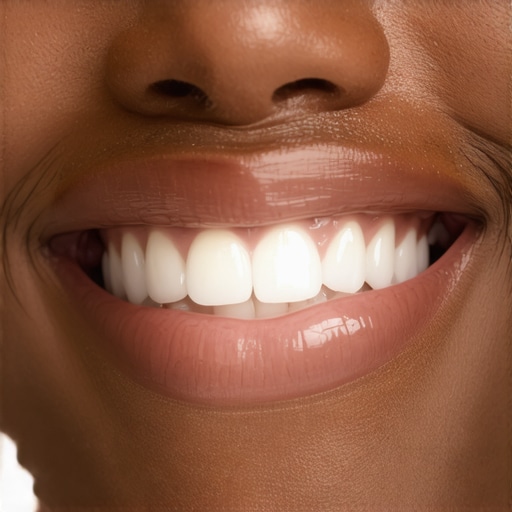
Another nuance involves the environmental lighting of your dental work. You might love your smile in the dentist’s chair, but find the reason your veneers look gray in certain lighting like a dimly lit restaurant or under office fluorescents. This happens when the underlying tooth structure is dark and the porcelain isn’t thick enough or lacks the correct opaquing layer. It’s an advanced technical challenge that separates a ‘corporate’ smile from a custom-crafted one. Similarly, with clear aligners, people often treat the ’22-hour rule’ as a loose suggestion. However, the problem with wearing your aligners for only 18-hours a day is that your teeth spend the other six hours drifting back, creating a cycle of constant inflammation rather than steady movement. This is the difference between finishing treatment in twelve months or twenty-four.
Why Your Bathroom Mirror Might Be Lying to You
When it comes to the ultimate guide to teeth whitening options in 2025, remember that external stains are easy, but internal ‘intrinsic’ stains require a different approach. If you have fallen into the trap of thinking all yellowing is the same, you might be wasting money on products that can’t reach the source of the discoloration. Have you ever fallen into this trap of trying to fix a complex dental issue with a one-size-fits-all store product? Let me know in the comments. We are all learning that a healthy smile is less about ‘fixing’ things and more about understanding the unique biology of our own mouths. Whether you are looking for family dentistry building healthy smiles for every generation or high-end aesthetics, the goal is always the same: sustainable, long-term health over a quick, risky fix.
Maintaining a high-end smile isn’t just about showing up for your six-month cleaning; it is about the gear you use at home when no one is watching. I have spent way too much money on gadgets that ended up in the back of my cabinet, but two specific tools changed my daily routine forever. First, if you are wearing aligners, you must stop scrubbing them with a standard toothbrush. The bristles create micro-scratches that act as magnets for bacteria, which is the primary reason why your aligner trays are starting to turn yellow no matter how much you soak them. I switched to a dedicated sonic cleaner—a small pod that uses high-frequency sound waves to shake biofilm loose without touching the plastic. It keeps that ‘day one’ clarity and prevents that dreaded vinegar scent.
Keep Your Porcelain Safe While You Sleep
If you have invested in veneers or crowns, the biggest threat isn’t coffee or wine; it’s your own jaw. I didn’t realize I was a ‘clinner’ (a person who clenches and grinds) until I felt that weird pressure and started wondering why your new veneers feel like they are pushing against your other teeth. The solution is a custom-fitted night guard. According to a study published in the Journal of Esthetic and Restorative Dentistry, even ‘gentle’ toothpastes with a Relative Dentin Abrasivity (RDA) score over 70 can begin to dull the glaze on porcelain over time, but physical trauma from grinding is what leads to catastrophic failure. Learning how to keep your veneers from chipping if you grind your teeth is essentially an insurance policy for your face. I never go to bed without mine; it’s the difference between a smile that lasts twenty years and one that needs a costly redo in five. 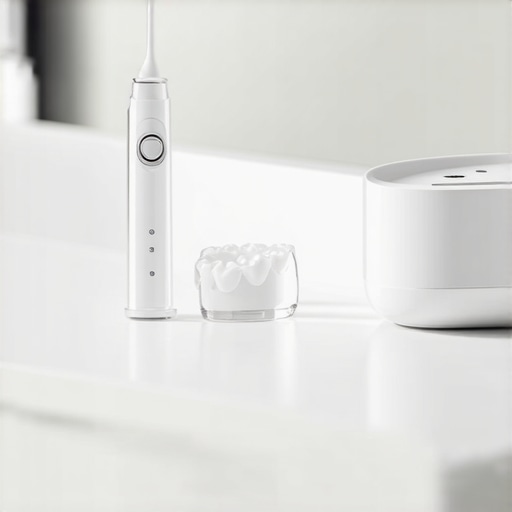
How do I maintain my dental work over time?
The secret is a shift toward preventative technology. We are moving toward a future where AI-powered apps will scan your teeth via smartphone to track aligner progress or detect early staining before it becomes permanent. For now, my holy grail tool is the high-end water flosser. It’s far more effective at clearing the gaps than string floss, especially if you have permanent retainers. Using one alongside teeth whitening secrets for a sparkling smile in 2025 ensures that you aren’t just whitening the surface while leaving dark stains between the teeth. I predict that within the next five years, we’ll see ‘smart’ toothbrushes that can actually analyze your saliva for pH imbalances in real-time. Until then, stay consistent with your sonic cleaners and night guards. My challenge to you: pick up a dedicated dental pod for your aligners or retainers this week and see how much fresher your mouth feels by Friday.
What I Finally Learned After My Safety Pin Disaster
One major lightbulb moment for me was realizing that Invisalign isn’t just about the plastic; it’s about the biology of constant pressure. If you’ve been curious about Invisalign secrets achieving a perfect smile discreetly, you have to respect the timeline of your teeth. Another lesson? The quality of your care matters. There is a the subtle difference between a corporate clinic and local culpeper family dentistry that usually boils down to how much time they spend teaching you these ‘at-home’ survival skills. Most importantly, I learned that professional whitening and dental bonding don’t play well together; planning the order of operations with an expert prevents an expensive, mismatched mess. Sensitivity is a signal from your body, not a side effect to ignore with more store-bought chemicals.
The Toolkit That Actually Keeps My Teeth White
I trust my water flosser more than my toothbrush when it comes to orthodontic hardware. It’s the only real way to how to clean plaque off a permanent retainer wire without fraying string floss everywhere or irritating your gums. I also swear by sonic cleaner pods to prevent the microscopic buildup that explains why your aligner trays are starting to turn yellow no matter how much you soak them. These tools aren’t just gadgets; they are the frontline defense for your enamel. #IMAGE_PLACEHOLDER_E#
Build a Smile That Lasts a Lifetime
Everything I’ve shared comes from a place of trial, error, and eventually, dental success. Whether you are navigating your child’s first set of braces or investing in your own aesthetic transformation, remember that family dentistry building healthy smiles for every generation is a marathon, not a sprint. Your smile is the most personal thing you wear—treat it with the respect it deserves and skip the kitchen drawer ‘solutions’ forever. Consistency in your routine today ensures you won’t be back in the emergency chair tomorrow. Have you ever been tempted to use a ‘MacGyver’ fix for a dental emergency? Let me know your stories in the comments!