
Why Your Child’s Permanent Teeth Look Yellow Compared to Their Baby Teeth
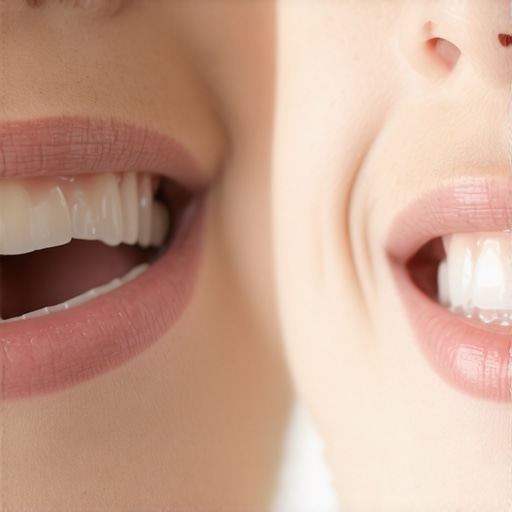
I’ll never forget the morning my oldest daughter, Sophie, smiled at me after her first permanent front tooth had finally grown in. I almost dropped my coffee. Compared to the milky, bright white baby teeth right next to it, that new adult tooth looked shockingly yellow. My mind immediately went to the worst-case scenario: was she not brushing? Did she have some weird deficiency? I even made the classic rookie mistake of buying a ‘stain-removing’ paste and hovering over her like a drill sergeant while she brushed, which only made her hate the bathroom. It took a long talk with our dentist to realize that I was worrying about something that is actually a biological feature, not a dental failure. If you’ve ever looked at your kid’s ‘shark teeth’ phase and wondered if they’ve been drinking too much tea in secret, you aren’t alone. Today, we’re going to pull back the curtain on why this happens and give you the peace of mind you’ve been looking for.
The surprising biology behind that off-white color
Most parents expect adult teeth to be an upgrade in every way, including brightness. But the truth is, baby teeth are often called ‘milk teeth’ for a reason—they are incredibly white because they are less dense. Adult teeth have much more dentin, which is the layer of tissue under the enamel. Dentin is naturally yellowish, and because permanent teeth have a lot more of it to last a lifetime, that yellow hue shines through the translucent enamel much more clearly. It’s like comparing a thin white sheet to a thick ivory blanket. According to the American Dental Association, permanent teeth usually contain more dentin, making them appear darker than primary teeth. This contrast is especially jarring when you have a mix of old and new teeth in the same mouth. If you’re currently struggling to get them to brush correctly in the first place, check out my tips on how to brush a toddler’s teeth when they won’t open their mouth. [IMAGE_PLACEHOLDER]
Do they really need professional whitening this early?
You might be tempted to reach for the bleach, but hold on. I’ve seen parents ask if teeth whitening secrets apply to seven-year-olds, and the answer is usually a hard ‘no.’ Their enamel is still maturing, and their pulp—the nerve center of the tooth—is much larger than an adult’s, making them highly sensitive to chemicals. Before you panic-buy strips, it’s worth looking at the bigger picture of ensuring family dental care. Have you noticed this color difference in your own house and felt that little prickle of anxiety? Tell me if you’ve been tempted to ‘scrub’ the yellow away like I was!
Managing the transition without losing your mind
When I first saw that yellow tint on Sophie’s teeth, my instinct was to scrub harder. I actually went out and bought a firm-bristled brush, thinking I could just polish away the ivory. Big mistake. I learned the hard way that you can’t ‘clean’ away the natural color of dentin, and over-brushing actually thins the enamel, making the tooth look even more yellow over time. Instead of intensity, focus on consistency. This is the stage where family dentistry: building healthy smiles for every generation becomes less about the dentist and more about your daily bathroom habits. Avoid abrasive charcoal pastes for children, as they can be too harsh for newly erupted enamel.
Look for the mamelons on those new edges
You might notice the bottom edges of the new teeth look like tiny saw blades. These are called mamelons. I remember panicking because I thought Sophie had chipped her teeth on a Lego. In reality, why your child’s first adult tooth is jagged on the edge is simply a sign that the tooth hasn’t been worn down by chewing yet. They are perfectly normal. If you see these ridges, don’t worry—they’ll smooth out naturally as she eats more solid foods. 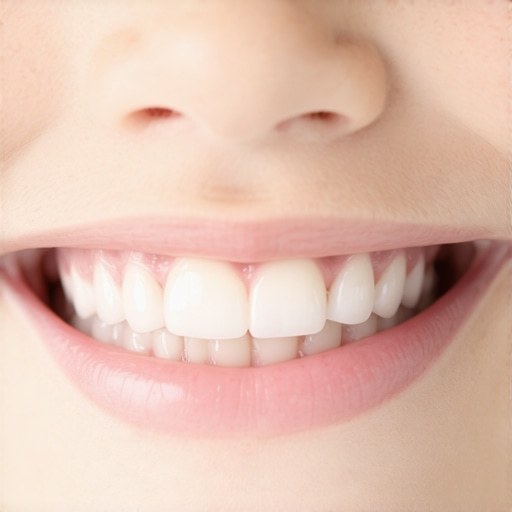
Dealing with the ‘Shark Tooth’ phenomenon
It’s incredibly common for the permanent tooth to erupt before the baby tooth has even wiggled. This creates a double row of teeth that looks like something out of a nature documentary. When this happened with my middle son, I was convinced he’d need emergency surgery. However, why your child’s permanent teeth are coming in behind baby teeth usually resolves itself as the tongue pushes the new tooth forward. The key action here is to encourage ‘wiggling.’ I made a game of it—whoever could get their tooth to ‘spin’ first won a small prize. It turns a scary medical moment into a fun milestone.
The right way to handle early stains
While the base color is natural, children are still prone to surface stains. If you notice actual spots, it might not be food. I once spent twenty minutes trying to brush off a white mark only to realize it was likely why your child’s front teeth have white spots on them, often caused by fluorosis or early enamel changes. Instead of reaching for whitening strips—which can be incredibly painful for kids—stick to a gentle, fluoride-fortified paste. If you’re worried about their future aesthetic, you can read up on the ultimate guide to teeth whitening options in 2025 for when they hit their late teens.
Preventing the teenage cavity surge
As kids get older, their diet changes, and so does their level of independence. I found that as soon as I stopped hovering, Sophie started sneaking sugary snacks. Suddenly, we were dealing with why your teenager is suddenly getting cavities between their teeth. The strategy here is simple: introduce flossing early. I started using those little plastic flosser picks because expecting a seven-year-old to master traditional string floss is a recipe for frustration. It’s all about family dentistry tips: creating a healthy smile for your kids by making the tools accessible and easy to use without a lecture.While the initial shock of seeing yellow adult teeth next to bright white ‘milk teeth’ is enough to send any parent into a spiral, the real challenge begins when we try to over-correct. We’ve been conditioned to believe that ‘white’ is synonymous with ‘healthy,’ but in my experience, the healthiest smiles are those where the enamel is thick and the dentin is naturally vibrant. If you try to bypass nature with aggressive treatments too early, you risk permanent damage. Most people assume that whitening is a harmless rite of passage, but the American Academy of Pediatric Dentistry warns that whitening teeth with large pulp chambers—common in children and young teens—can lead to extreme sensitivity or even pulpal inflammation. Let’s dig deeper into the nuances that go beyond basic brushing. Have you ever fallen into the trap of thinking ‘whiter is always better’ only to deal with the ‘zingers’ of tooth sensitivity later? Let me know in the comments.
Stop scrubbing and start protecting your enamel
One of the biggest mistakes I see is the ‘scrubbing’ reflex. Parents think they can polish away the internal hue of the tooth. This is a dangerous ‘oops’ factor; over-brushing actually thins the translucent enamel, which effectively makes the yellowish dentin underneath *more* visible, not less. It is a counterproductive cycle. If you are worried about the look of your child’s smile, focus on ensuring family dental care through gentle habits rather than force.
Why did my professional whitening session fail to deliver?
Sometimes the biology of the tooth simply resists standard treatments. You might find yourself wondering why your professional whitening didn’t work as well as last time, and the answer often involves the degree of tooth dehydration or the specific nature of the stains. For instance, while surface stains from juice or soda are easy to lift, intrinsic stains from medications require a specialized approach. In these cases, understanding the best way to whiten teeth that have been stained by tetracycline is essential, as standard peroxide strips simply won’t penetrate deep enough. 
Avoid the artificial piano key look
When we move into the realm of permanent fixes like veneers, the nuance becomes even more critical. A common mistake is choosing a shade that is too ‘toilet-bowl white,’ which looks jarring against natural skin tones. Learning how to stop your veneers from looking too white and fake is about choosing a shade that mimics the natural translucency of real teeth. Additionally, if you already have existing dental work, you must be careful; the mistake of using whitening strips on dental bonding can leave you with a mismatched smile, as the bonding resin will not change color along with your natural enamel.
Don’t let your aligners lose their grip on your progress
For families using clear aligners to fix the ‘shark tooth’ crowding we discussed earlier, the trap is often found in the daily schedule. I’ve seen many teens (and adults!) fall into the problem with wearing your aligners for only 18 hours a day. Those missing four hours aren’t just a delay; they allow the teeth to ‘bounce,’ creating micro-trauma to the periodontal ligament that can make whitening later much more painful. For more long-term success, consistent family dentistry: building healthy smiles for every generation means respecting the biology of the tooth and the time it takes to move safely.Once the initial excitement of a brighter or straighter smile wears off, the real work of maintenance begins. I’ve learned that the ‘set it and forget it’ mentality is the quickest way to end up back in the dentist’s chair for a costly touch-up. Whether you’ve just finished a round of Invisalign innovation or you’re protecting a fresh set of veneers made simple, your home-care kit needs an upgrade. I personally swear by a high-end electric toothbrush with a pressure sensor. Without one, you’re likely to over-scrub, and you’ll eventually wonder why your gums bleed only when you use an electric toothbrush. It isn’t the brush; it’s the technique. Proper maintenance is about precision, not power.
How do I keep my dental work looking brand new for years?
The secret isn’t a miracle paste; it’s consistency and the right hardware. For anyone with a night guard or aligners, I recommend an ultrasonic cleaning pod. These little devices use high-frequency sound waves to blast away the biofilm that traditional brushing misses. If you skip this, you’ll quickly discover the hidden reason your clear aligners have a persistent odor that no amount of peppermint soak can fix. Beyond cleaning, you have to be mindful of your habits. If you’ve invested in porcelain, you must learn how to keep your coffee habit without ruining your new veneers, which often involves using a straw or a quick water rinse to prevent the margin from staining. [IMAGE_PLACEHOLDER_D]
The tools that actually make a difference
I’ve tried every gadget on the market, but the Waterpik is the one that changed the game for our household. It’s the only way to effectively manage cavities between their teeth for kids who find traditional flossing too tedious. When it comes to long-term results, the American Academy of Cosmetic Dentistry (AACD) notes that while porcelain veneers are highly stain-resistant, the natural tooth structure underneath is still susceptible to decay. This means your ensuring family dental care strategy must include a non-abrasive fluoride toothpaste to keep that foundation solid. I predict that in the next five years, we will see a massive shift toward AI-integrated oral cameras that sync with your phone to alert you to early signs of enamel wear before they become painful ‘zingers.’ For now, the best thing you can do is avoid the ‘wait and see’ approach. If you notice the reason your porcelain veneers feel gritty to your tongue, don’t ignore it—get a professional polish to restore that glass-like finish. Try this today: Swap your standard mouthwash for a pH-neutralizing rinse after your last cup of coffee to stop acid erosion in its tracks.
The Hardest Truths About the ‘Ugly Duckling’ Phase
Looking back on my experience with Sophie, I wish I had known that the ‘yellow’ I was seeing was actually a sign of strength. Here are the lightbulb moments that finally stopped my late-night Googling sessions.
- The Contrast Trap is Real: You are comparing a pearl (baby tooth) to a piece of ivory (adult tooth). In the dental world, we call this the ‘Ugly Duckling’ stage. It isn’t a permanent state of affairs, but a temporary optical illusion caused by the stark difference in enamel thickness.
- Lighting Can Deceive You: I realized that the warm LED bulbs in our guest bathroom made her teeth look twice as yellow. If you are worried, check their smile in natural sunlight. You might find that why your teeth look yellow in certain bathroom lighting is simply a matter of physics, not hygiene.
- Enamel is a Shield, Not Just a Canvas: Adult enamel is denser and more mineralized because it has to last eighty years, whereas baby teeth only need to last ten. That density naturally creates a darker hue.
- Patience Saves Money: Jumping into whitening treatments too early is the fastest way to create tooth sensitivity that can last a lifetime.
The Toolkit I Use to Keep My Kids’ Smiles Strong
Instead of reaching for the bleach, I shifted my focus to high-quality tools that support the tooth’s natural structure. These are the items I personally trust for our family.
Pressure-Sensing Electric Toothbrushes: This is non-negotiable for parents who have ‘scrubber’ kids. It stops the mechanical wear on that new enamel. If you see pink in the sink, it’s usually because of force; understanding why your gums bleed only when you use an electric toothbrush helped me realize Sophie was pressing way too hard.
pH-Neutralizing Rinses: Instead of alcohol-heavy mouthwashes, we use a pH-balancing rinse. It neutralizes the acids from snacks that can thin out enamel and make the yellow dentin underneath even more visible.
U-Shaped Water Flossers: These are game-changers for preventing why your teenager is suddenly getting cavities between their teeth. They reach the gaps that a manual brush simply can’t touch, especially when adult molars are still crowding in.
Embrace the Ivory and Play the Long Game
The journey from ‘milk teeth’ to a full adult smile is a marathon, not a sprint. It’s easy to get caught up in the aesthetics of the moment, but the most beautiful smile is a functional, pain-free one. By focusing on family dentistry: building healthy smiles for every generation, you are giving your child a foundation of health that far outshines any temporary whitening fix. When they eventually reach adulthood, you can explore brighten your life: top teeth whitening strategies today together, but for now, let nature do its work. Your child’s smile is exactly where it needs to be. Did you also panic the first time you saw a permanent tooth next to a baby one? Let me know your ‘rookie mistake’ in the comments below!