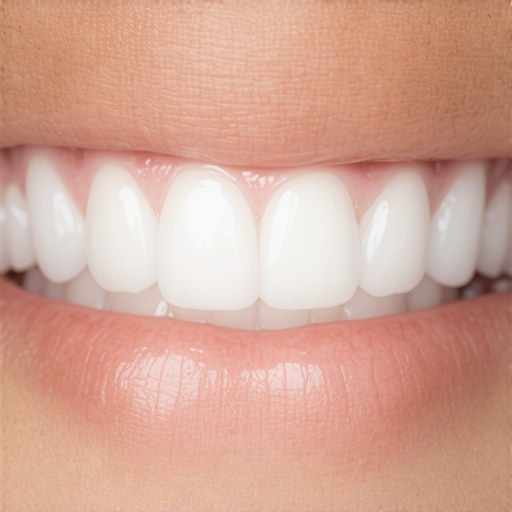
Elevating Dental Aesthetics: The Next Generation of Smile Makeovers
In the rapidly evolving landscape of cosmetic dentistry, a nuanced understanding of interdisciplinary treatments like family dentistry, teeth whitening, Invisalign, and veneers is essential for delivering exceptional patient outcomes. As we approach 2024, integrating these modalities with emerging technologies and evidence-based practices enables dental professionals to craft personalized, sustainable smile transformations that resonate with patient expectations and clinical excellence.
Bridging Family Dentistry and Cosmetic Innovation for Long-Term Oral Health
Family dentistry remains the foundation for establishing trust and preventive care, yet its role increasingly intersects with cosmetic procedures. Incorporating routine assessments with aesthetic evaluations facilitates early intervention and tailored treatment planning. Notably, adopting minimally invasive techniques, such as ultrathin veneers and laser whitening, aligns with the contemporary emphasis on preserving natural tissue while enhancing appearance. For comprehensive guidance, consult family dentistry tips.
Innovative Teeth Whitening Protocols Elevate Patient Satisfaction
Teeth whitening continues to be a cornerstone of smile aesthetics, yet the advent of in-office laser and LED whitening systems offers faster, more predictable results. The key lies in customizing protocols based on enamel biochemistry and stain composition, utilizing advanced whitening agents like carbamide peroxide with controlled pH to prevent sensitivity. Moreover, combining whitening with preventive measures such as remineralization treatments ensures durability. For in-depth insights, explore top teeth whitening strategies.
Invisalign’s Evolution and Its Role in Complex Smile Rejuvenation
Invisalign has transcended its initial orthodontic niche, now serving as an integral component in comprehensive smile makeovers. Innovations like SmartTrack material and patient-specific digital planning enable precise movements, especially in cases requiring complex corrections. When paired with adjunctive treatments such as veneers or whitening, Invisalign’s transparent aligners facilitate minimally invasive, aesthetically harmonious outcomes. To learn more, visit Invisalign innovations.
How can clinicians optimize the integration of Invisalign with other cosmetic procedures for maximum aesthetic impact?
This question underscores the importance of interdisciplinary planning, where digital smile design tools and 3D imaging enable synchronized treatment sequences. A strategic approach involves sequencing whitening and veneer placement prior to aligner therapy, ensuring color harmony and structural balance. Continuous professional development through workshops and case studies further refines these integrative techniques.
Veneers as a Dynamic Solution for Custom Smile Design
Veneers have evolved from simple cosmetic fixes to sophisticated, multifunctional restorations capable of correcting malocclusion, discoloration, and structural defects. Advances in ceramic materials like lithium disilicate allow for ultra-thin, highly durable veneers that require minimal preparation. When combined with digital workflows, clinicians can simulate final outcomes with high precision, reducing chair time and enhancing patient confidence. For comprehensive veneer insights, see veneers and cosmetic enhancements.
Engaging with the latest research, such as the review published in the Journal of Esthetic and Restorative Dentistry, enhances clinical decision-making in aesthetic cases. As the field advances, a nuanced, evidence-based approach ensures that smile enhancement remains both scientifically grounded and artistically inspired.
For personalized consultation or to contribute your expertise, contact us through our contact page.
Leveraging Digital Smile Design for Precise Outcomes
Incorporating digital smile design (DSD) has revolutionized how clinicians plan and execute comprehensive smile makeovers. Using sophisticated software, practitioners can simulate final results with exceptional accuracy, allowing for better patient communication and expectation management. This technology integrates seamlessly with digital workflows, enabling precise planning for veneers, whitening, and orthodontic interventions like Invisalign. For a deeper dive into digital smile design, explore veneers and cosmetic enhancements.
Addressing the Myths Around Over-Intervention in Cosmetic Dentistry
One common misconception is that more invasive or extensive procedures always lead to better results. However, evidence-based practices emphasize conservative, minimally invasive techniques that preserve natural tissue while achieving aesthetic goals. For example, ultra-thin veneers and laser whitening reduce chair time and tissue trauma, aligning with patient preferences for comfort and longevity. Challenging these myths encourages clinicians to tailor treatments that prioritize both function and aesthetics. For authoritative insights, see effective veneers and cosmetic enhancements.
How can practitioners refine interdisciplinary protocols to ensure cohesive, long-lasting smile makeovers?
This question highlights the importance of comprehensive treatment planning, where collaboration among specialists—orthodontists, periodontists, and prosthodontists—ensures holistic care. Implementing integrated case management software and regular case review meetings fosters consistency and minimizes errors. Moreover, continuous education in emerging techniques and technologies, such as 3D printing for provisional restorations, enhances precision and patient satisfaction. Consider engaging with current research and professional networks to stay at the forefront of interdisciplinary innovations.
If you’re eager to elevate your practice’s aesthetic outcomes, sharing your experiences or asking questions in the comments can foster a community of continuous learning and improvement.
Breaking Down Barriers in Aesthetic Dentistry with Cutting-Edge Protocols
In the pursuit of achieving perfect smiles, the integration of innovative materials and digital technologies has revolutionized clinical outcomes. Modern clinicians are no longer confined to traditional approaches; instead, they employ a blend of ultrathin ceramic veneers, dynamic digital smile design (DSD), and minimally invasive whitening techniques to craft personalized, durable, and natural-looking results. These advancements not only enhance aesthetic appeal but also significantly reduce patient discomfort and recovery time, setting a new standard for excellence in cosmetic dentistry.
Harnessing the Power of 3D Imaging for Seamless Smile Rejuvenation
3D imaging and simulation tools, such as CBCT and intraoral scanners, allow for meticulous preoperative planning that aligns with both functional and aesthetic goals. By creating a virtual mock-up of the final outcome, practitioners can precisely adjust tooth contours, colors, and alignment before commencing any irreversible procedures. This proactive approach minimizes errors, optimizes material selection, and fosters transparent patient communication, ultimately elevating satisfaction. For an in-depth understanding, see the recent study published in the Journal of Digital Dentistry.
What are the best practices for integrating digital workflows with traditional clinical techniques to improve longevity and aesthetics?
Experts recommend a hybrid approach, where digital planning informs all subsequent clinical steps. Incorporating iterative feedback loops—such as provisional restorations based on digital models—ensures the final results meet the highest standards of precision. Continuous education in emerging software platforms and material sciences is vital to stay ahead in this rapidly evolving domain.
Balancing Conservatism and Innovation in Smile Design
The philosophy of minimally invasive dentistry underscores the importance of tissue preservation while striving for aesthetic excellence. Ultra-thin veneers, often less than 0.3 mm in thickness, exemplify this principle by requiring minimal tooth reduction yet offering remarkable aesthetic transformations. When coupled with advanced adhesive protocols and ceramic materials like lithium disilicate, clinicians can achieve durable restorations that mimic natural enamel’s translucency and strength.
Moreover, the strategic use of enamel-preserving techniques ensures that future retreatments remain feasible, thus extending the lifespan of the smile makeover. This approach aligns with the core values of sustainable and patient-centered care, emphasizing long-term success over short-term cosmetic gains.
To visualize these concepts, imagine a high-resolution digital workflow diagram illustrating the seamless transition from digital planning to clinical execution, highlighting key stages like mock-up approval, material fabrication, and final placement.
Innovative Materials and Techniques Reshape Cosmetic Outcomes
Recent breakthroughs in ceramic technology, such as translucent zirconia and layered composite systems, have expanded the palette for custom smile design. These materials offer superior esthetics, enhanced biocompatibility, and resistance to staining and fracture. Their adaptability facilitates the creation of harmonious, natural-looking smiles tailored to each patient’s unique facial features and personality.
In tandem, laser-assisted gingival contouring and tissue management techniques enable precise, minimally invasive adjustments that complement restorative efforts. The synergy of these innovations ensures that the final result not only elevates facial aesthetics but also maintains optimal periodontal health.
How can clinicians leverage emerging biomaterials to extend the lifespan of aesthetic restorations?
Research indicates that bioactive materials capable of releasing fluoride and promoting remineralization can significantly prolong restoration longevity. Incorporating such materials in veneer fabrication and bonding agents provides an added layer of protection against caries and structural degradation, ultimately ensuring sustained beauty and function over years.
If you wish to deepen your expertise, engaging with current clinical trials and attending specialized workshops can provide invaluable insights into the future of aesthetic biomaterials.
For practitioners eager to push the boundaries of smile design, continual learning and adaptation are essential. Sharing experiences and case studies within professional networks fosters innovation and elevates standards across the field.
Revolutionizing Tooth Enamel Management for Lasting Aesthetic Outcomes
In the realm of contemporary cosmetic dentistry, understanding the intricacies of enamel preservation is paramount. Innovative surface treatments, such as selective enamel etching combined with bioactive bonding agents, not only enhance adhesion but also bolster the enamel’s resistance to future degradation. Employing nano-structured ceramic veneers with optimized translucency allows clinicians to achieve natural aesthetics while conserving maximum tooth structure. For detailed protocols, consult the latest research from the Journal of Esthetic and Restorative Dentistry.
Harnessing the Power of Digital Smile Design for Precision and Personalization
Digital Smile Design (DSD) has transcended traditional planning, offering dynamic, patient-specific simulations that align expectations with achievable results. By integrating 3D facial scanning and virtual mock-ups, clinicians can meticulously plan the sequence of whitening, veneer placement, and orthodontic adjustments, ensuring harmonious facial aesthetics. This synergy between digital tools and clinical expertise underscores the future of personalized aesthetic treatments. To enhance your digital workflow, explore platforms like DSDApp and their comprehensive case studies.
Are Bioactive Materials the Future of Long-Lasting Restorations?
Bioactive ceramics and resin composites loaded with fluoride-releasing agents are redefining longevity in aesthetic restorations. These materials facilitate remineralization, reduce secondary caries risk, and improve tissue compatibility. When bonded with advanced adhesive protocols, they provide a resilient interface that withstands masticatory forces and environmental challenges. The integration of such materials aligns with the principles of minimally invasive dentistry while maximizing durability. For an authoritative perspective, see the review in the International Journal of Biomaterials.
What are the latest innovations in biomaterial science that can extend the lifespan of aesthetic restorations?
Emerging bioactive nanomaterials capable of releasing calcium, phosphate, and fluoride ions are promising candidates. These materials not only reinforce the structural integrity of restorations but also actively participate in the remineralization of adjacent tissues, creating a self-healing environment that prolongs the restoration’s functional and aesthetic life. Staying abreast of ongoing clinical trials and material science breakthroughs is essential for forward-thinking practitioners.
Engage with these advanced insights to elevate your practice’s restorative longevity and patient satisfaction—your mastery in material science can set new standards in cosmetic dentistry.
Innovative Approaches Drive Superior Outcomes
Implementing minimally invasive techniques such as ultrathin veneers and laser whitening can significantly improve aesthetic results while preserving natural tissue integrity. Leveraging digital smile design and 3D imaging enhances precision, reduces chair time, and sets new standards for personalized care. Staying abreast of advancements in bioactive biomaterials allows for restorations that are both durable and biologically harmonious.
Resources for Deepening Your Expertise
- American Academy of Cosmetic Dentistry (AACD): Offers comprehensive guidelines, research updates, and professional courses focused on cutting-edge aesthetic procedures.
- Journal of Esthetic and Restorative Dentistry: Publishes peer-reviewed studies on material science, digital workflows, and clinical techniques relevant to smile enhancement.
- Digital Smile Design (DSD) Platform: Provides innovative software tools for simulating and planning complex smile makeovers with high accuracy.
Reflections for the Forward-Thinking Practitioner
Integrating interdisciplinary insights, embracing emerging biomaterials, and utilizing advanced digital technologies are the keystones of modern smile design. The future of cosmetic dentistry hinges on continuously refining these strategies to achieve sustainable, natural-looking results. Engage with the latest research, participate in professional networks, and contribute your case experiences to elevate the standard of care in 2024 and beyond. Your mastery in these areas will define the next era of aesthetic excellence.

1 comment so far