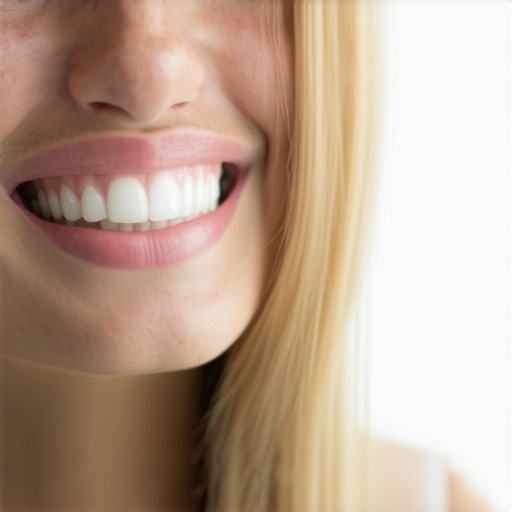
Revolutionizing the Approach to Family Dentistry in the Modern Era
In the rapidly evolving landscape of dental care, family dentistry has transitioned from basic preventive practices to a comprehensive, multidisciplinary discipline that emphasizes personalized oral health solutions. With increasing demand for cosmetic enhancements such as veneers and teeth whitening, practices are integrating advanced techniques rooted in evidence-based research to promote lifelong oral wellness across all age groups.
Synergistic Benefits of Combining Veneers and Teeth Whitening in Modern Cosmetic Strategies
Contemporary cosmetic dentistry recognizes the synergistic potential of combining porcelain veneers with professional teeth whitening. This integrated approach not only elevates aesthetic outcomes but also enhances functional aspects, such as enamel preservation and occlusal harmony. As per the study published in the Journal of Dental Research, optimizing these procedures collaboratively results in more durable, natural-looking smiles that satisfy patient expectations.
Mastering the Niche of Clear Aligners: Invisalign’s Evolving Paradigm
The advent of transparent aligners, with Invisalign at the forefront, exemplifies a disruptive shift within orthodontic treatments aimed at aesthetic and functional correction. Recent technological advancements facilitate precise digital planning, allowing for minimally invasive, comfortable, and highly predictable orthodontic journeys. A critical component of success hinges on the orthodontist’s ability to tailor each treatment plan by integrating dentofacial analysis with recent innovations in biomaterials, ensuring predictability and patient satisfaction.
How Can Family Dentists Integrate Cosmetic Procedures to Broaden Their Service Portfolio?
Integrating cosmetic procedures such as veneers and whitening into family dentistry practices requires strategic planning. Family dentists can leverage emerging technologies, like digital smile design and laser whitening, to offer comprehensive, patient-centered care. This expansion not only boosts case acceptance but also establishes a practice’s authority in aesthetic excellence, aligning with current trends emphasizing preventive and aesthetic oral health.
Balancing Micro and Macro Perspectives in Patient-Centric Dental Care
Achieving optimal outcomes in family dentistry and cosmetic orthodontics mandates a nuanced understanding of individual patient needs alongside broader trends. Nuanced patient education about procedural benefits and limitations—supported by trusted information sources—is crucial. For instance, detailed consultations that address the long-term stability of veneers and the maintenance protocols for Invisalign contribute to durable, trustworthy results.
What are the ethical implications of marketing cosmetic dentistry to younger demographics within family practices?
This question prompts ongoing debate among dental professionals about balancing patient autonomy with ethical advertising. Experts suggest transparent communication and education, emphasizing realistic expectations to foster trust and long-term patient relationships. Engaging with professional forums and industry guidelines, such as the ADA’s Code of Ethics, can help navigate these complexities effectively.
For a comprehensive exploration of the latest advancements, visiting this detailed guide on veneers offers valuable insights. Professionals seeking to deepen their expertise are encouraged to contribute their perspectives and share clinical experiences to further enrich the collective knowledge within this dynamic field.
,
Pushing Boundaries with Digital Smile Design
Modern cosmetic dentistry leverages cutting-edge digital smile design to tailor treatments that align with each patient’s unique facial features and aesthetic goals. This technology integrates photogrammetry, 3D imaging, and artistic visualization, empowering clinicians to craft personalized smile makeovers with remarkable accuracy. Implementing such tools not only boosts patient confidence but also streamlines the treatment planning process, reducing guesswork and enhancing predictability. For practitioners eager to stay ahead, exploring resources like this comprehensive guide on smile design can provide valuable insights into integrating these innovations effectively.
Refining Technique with Biomaterials and Minimal Invasiveness
Beyond aesthetic appeal, the choice of biomaterials plays a pivotal role in the longevity and integration of cosmetic procedures. Advances in nanocomposite resins, ceramic laminates, and bioactive glass ensure restorations mimic natural dentition in translucency and texture, leading to more harmonious results. Furthermore, minimally invasive techniques preserve maximum tooth structure, supporting long-term oral health. Embracing these advancements requires ongoing education and mastery of state-of-the-art techniques, which can be facilitated through specialized courses and professional workshops such as those listed on trusted platforms like professional training programs.
Is the pursuit of perfection compromising the biological integrity of dental tissues?
This provocative question challenges practitioners to balance aesthetic ambitions with biological health. Ethical considerations demand that clinicians prioritize the preservation of natural structures and avoid over-structuring, which can lead to sensitivity or future restorative needs. Integrating comprehensive diagnostic assessments and embracing biomimetic principles ensures that cosmetic enhancements enhance overall oral health rather than compromise it. Consulting current literature such as this study on biomimetic dentistry can provide evidence-based guidance for maintaining this balance.
Engaging with peers through forums and professional networks offers an excellent opportunity to share insights and experiences. If you’re passionate about elevating your family’s smile transformation repertoire, consider suggesting or reading more about innovative techniques that prioritize both form and function—your patients will thank you for it.
,
Personalized Digital Planning Elevates Family Dentistry Outcomes
Implementing advanced digital tools such as intraoral scanners and 3D CAD/CAM systems enables clinicians to craft highly customized restorations with millimeter precision, dramatically reducing chair time and enhancing patient comfort. These innovations facilitate immediate visualization of treatment results, allowing for real-time adjustments that align with patient expectations. Moreover, digital workflows minimize human error and material wastage, leading to more sustainable practices. As highlighted by the American Academy of Cosmetic Dentistry (AACD’s recent publication), integrating these technologies into routine care not only boosts diagnostic accuracy but also streamlines interdisciplinary collaborations essential for comprehensive family care.
Emerging Biomaterials Set New Standards in Restorative Excellence
Recent breakthroughs in bioactive and nanostructured materials have transformed the landscape of restorative dentistry, enabling restorations that actively promote remineralization and tissue integration. For pediatric and adult patients alike, these materials, including bioactive glass composites, deliver superior aesthetic and functional longevity while supporting oral biological health. Clinicians equipped with knowledge of these materials can tailor treatments to individual tissue responses, reducing the risk of secondary caries and hypersensitivity. An in-depth review published in the Journal of Dental Materials emphasizes their potential in creating durable, biocompatible solutions that harmonize with natural tissues.
Addressing Complex Cases with Mini-Implants in Pediatric and Geriatric Patients
Mini-implants have emerged as versatile anchors for a range of challenging cases, offering minimally invasive, cost-effective solutions for stabilizing dentures, supporting orthodontic movements, or retaining consumables like crowns and bridges. Particularly beneficial in pediatric cases where alveolar bone is developing or in geriatric patients with atrophic ridges, these implants minimize surgical trauma and can often be placed under local anesthesia with little discomfort. An article in Clinical Implantology underscores the importance of precise placement protocols and follow-up strategies to optimize success rates and long-term stability in diverse patient populations.
How Can Family Dentists Overcome Barriers to Implement Advanced Biomaterials and Technology?
The integration of innovative materials and digital systems often faces hurdles such as cost, learning curve, and resistance to change. Effective strategies include investing in targeted professional development, forging partnerships with reputable technology providers, and participating in clinical pilot programs to evaluate benefits firsthand. Emphasizing patient education on the long-term advantages can also foster acceptance and even demand. According to a comprehensive study in the Journal of Dentistry, proactive adaptation and continuous learning are critical for practices aspiring to lead in modern family dental care, ultimately ensuring better clinical outcomes and heightened patient satisfaction.
Explore more about these innovations and how they can be seamlessly incorporated into everyday practice by engaging with industry webinars, peer-reviewed journals, and dedicated training modules. Staying at the forefront of technological and material advancements empowers family dentists to provide truly comprehensive, personalized, and minimally invasive oral healthcare solutions during every stage of life.
Transforming Family Dental Care Through Cutting-Edge Technologies
In the quest to elevate oral health outcomes, the integration of innovative digital tools like augmented reality for patient education and 3D printing for custom restorations is revolutionizing family dentistry. These technological advancements foster personalized treatment plans that are both precise and engaging, thus enhancing patient compliance and satisfaction. For instance, augmented reality applications enable patients to visualize proposed smile makeovers in real-time, bridging the gap between expectation and achievable result.
Personalized Material Selection for Optimal Aesthetic Longevity
The future of cosmetic procedures hinges on tailoring biomaterials to individual biological profiles. Advances in bioengineered ceramics and nanostructured composites promise restorations that not only mimic natural tissue translucency but also promote periodontal health through bioactive interactions. Understanding the molecular interface between these materials and host tissues allows clinicians to customize therapies that stand the test of time, reducing replacements and re-treatments, especially in pediatric and geriatric populations.
What Does Recent Research Reveal About the Long-Term Stability of Minimal Invasive Veneering Techniques?
Emerging studies highlight that minimally invasive veneer preparations employing ultrathin ceramic laminates offer comparable durability to traditional approaches while preserving maximum tooth structure. A 2023 publication in the Journal of Esthetic Dentistry emphasizes that adhesive protocols, combined with advances in resin technology, significantly influence the longevity of these restorations. For practitioners, mastering these nuanced techniques requires ongoing professional development and critical evaluation of evidence-based materials.
Leverage Digital Smile Design Beyond Aesthetics to Address Functional Harmony
While visual appeal is paramount, integrating digital smile design with functional analysis—such as temporomandibular joint assessment and occlusal analysis—promotes harmonious and asymptomatic outcomes. This holistic approach demands cross-disciplinary collaboration among orthodontists, prosthodontists, and periodontists, facilitated by seamless digital data sharing platforms. By doing so, clinicians can deliver comprehensive solutions that satisfy both aesthetic desires and functional necessities, reducing the risk of post-treatment complications.
How Can Practitioners Overcome Barriers to Embrace Advanced Bioactive and Digital Solutions?
Barriers such as investment costs, learning curves, and resistance to change can hinder the adoption of pioneering technologies. Countries with active professional networks and governmental support often have access to subsidized training programs and grants. Moreover, cultivating patient demand through education on long-term benefits fosters practice growth. A strategic partnership with technology providers, along with participation in pilot projects, further eases transition by demonstrating tangible improvements in clinical outcomes and workflow efficiency. According to a review in the International Journal of Dental Technology, sustained commitment to innovation is critical to maintaining competitive edge and delivering exceptional care.
Embrace the Future of Family Dental Excellence Today
Continuously expanding your expertise in digital workflows, material science, and interdisciplinary treatment planning not only elevates your practice’s reputation but directly benefits your patients’ well-being. Stay ahead by engaging with industry conferences, peer-reviewed publications, and specialized training—your journey to mastery begins with active pursuit of knowledge and innovation. Share your experiences and insights with peers online or within professional organizations to foster collective growth in this dynamic field.
Insightful Trends Reshaping Family Dental Care
Advancements in biomaterials, digital workflows, and aesthetic techniques are transforming the landscape of family dentistry. Professionals embracing these innovations gain a competitive edge by delivering personalized, minimally invasive treatments that prioritize long-term health and aesthetic harmony.
Why Incorporate Biomimetic Materials
Biomimetic materials emulate natural tooth structures, promoting tissue integration and enhancing restoration longevity. Staying updated on evolving compositions ensures practitioners can offer durable, biocompatible solutions that meet the highest standards of care.
Emphasize Digital Smile Design
Utilizing digital smile design tools allows for precise visualization, fostering patient trust and collaborative planning. This technology streamlines workflows and aligns aesthetic outcomes with functional harmony, making it indispensable in modern family practices.
Prioritize Minimally Invasive Techniques
Advances in adhesive dentistry and ultrathin restorations enable conservative approaches that preserve maximum natural tissue. Such practices reduce patient discomfort and maintain long-term oral health, reinforcing trust and satisfaction.
Integrate Customized Treatment Planning
Combining digital diagnostics with personalized assessment ensures treatments are tailored to individual needs, maximizing effectiveness and patient acceptance. Staying at the forefront requires consistent education and adaptation to emerging tools.
Foster Ethical Marketing in Cosmetic Procedures
Transparent communication about treatment benefits and limitations cultivates trust, especially when targeting younger demographics. Aligning marketing strategies with ethical standards sustains professional integrity and patient relationships.
Respected Resources to Deepen Your Expertise
- Journal of Prosthetic Dentistry: Offers cutting-edge research on biomaterials and restorative techniques essential for evidence-based practice.
- American Academy of Cosmetic Dentistry: Provides guidelines, case studies, and training on digital smile design and aesthetic procedures.
- Dental Learning Platforms: Interactive courses and workshops that update clinicians on minimally invasive and biomimetic approaches.
- Industry Conferences and Seminars: Opportunities for hands-on experience and networking with innovative practitioners worldwide.
- Peer-Reviewed Journals: Continuous access to the latest studies ensures your practice remains scientifically grounded and progressive.
Reflections on the Future of Family Aesthetic Dentistry
The convergence of digital customization, biomimetic materials, and minimally invasive techniques positions family dentistry at a pivotal juncture. This integrated approach not only elevates clinical outcomes but also fosters deeper patient trust and long-term relationships. As experts, our ongoing commitment to learning and ethical practice ensures we deliver the highest quality care. Engage actively—share your insights, explore new resources, and champion patient-centered innovations that redefine excellence in family dental care.

1 comment so far