
Redefining Cosmetic Dental Techniques: A Deep Dive into 2024’s Most Effective Strategies
As the landscape of family dentistry evolves, integrating advanced solutions such as Invisalign aligners, professional teeth whitening, and porcelain veneers has become paramount for achieving optimal aesthetic and functional outcomes. Dental professionals leveraging these proven methods are setting new standards for patient satisfaction, driven by technological innovation and evidence-based practice.
The Interplay of Alignment and Surface Brightness in Modern Smile Makeovers
Contemporary orthodontic treatments such as Invisalign offer discreet correction options that seamlessly integrate with cosmetic procedures. When combined with sophisticated whitening protocols—especially those employing hydrogen peroxide or carbamide peroxide formulations—clinicians can deliver transformative results that enhance both smile symmetry and luminosity. The synergy between orthodontic precision and surface stain removal underpins the success of integrated smile rehabilitation.
Innovation or Imitation? Evaluating the Efficacy of Contemporary Veneer Techniques
Porcelain veneers continue to serve as a cornerstone of dental aesthetics due to their durability and natural appearance. Advances in adhesive technology and minimally invasive preparations have broadened application scope, empowering practitioners to craft customized smile enhancements that align with patient expectations. For comprehensive understanding, review recent comparative analyses outlined in authoritative sources such as the Journal of Esthetic & Restorative Dentistry.
Addressing Complex Cases: How Do We Optimize Orthodontic and Cosmetic Outcomes?
Authors and clinicians often grapple with determining the optimal sequencing of orthodontic and cosmetic interventions to prevent alveolar compensations or unintended alterations in occlusion. A layered approach that considers the timing of whitening procedures—often before or after aligner therapy—can influence the aesthetic result and long-term stability. Critical evaluation of individual case complexity remains a pillar of expert practice, emphasizing personalized treatment plans over one-size-fits-all solutions.
Professionals Seek Clarity: What Are the Latest Evidence-Based Protocols for Combining Invisalign and Veneers Effectively?
Combining these modalities requires meticulous planning to mitigate risks such as enamel damage or uneven wear. Recent clinical protocols suggest staging orthodontic movement before veneer placement to ensure proper tooth positioning and optimal aesthetic integration. For more in-depth insights, consult our expert guide on smile makeover strategies.
To remain at the forefront of restorative dentistry, practitioners are encouraged to contribute experiences and insights. Engaging with ongoing research and community discussions fosters innovation that benefits patient care and elevates clinical standards.
Sources include the latest peer-reviewed studies in the Journal of Prosthetic Dentistry and the International Journal of Periodontics & Restorative Dentistry, underscoring the importance of evidence-based protocol adaptation for complex aesthetic cases.
,
Unlocking the Potential of Combined Cosmetic Procedures for Optimal Results
Successfully merging treatments like Invisalign with surface-level enhancements such as teeth whitening affirms the importance of strategic sequencing. Proper planning ensures that orthodontic movements do not compromise whitening outcomes or veneer aesthetics. This holistic approach to smile design emphasizes patient-specific solutions, leveraging cutting-edge evidence-based protocols to achieve harmonious results.
The Role of Digital Dentistry in Personalizing Smile Transformations
Digital intraoral scanners and 3D modeling tools have revolutionized treatment planning, allowing clinicians to visualize various modification scenarios before executing procedures. Virtual smile simulations enable patients to preview potential outcomes, enhancing communication and setting realistic expectations. Incorporating these technologies not only streamlines workflows but also aligns with E-A-T principles by demonstrating expertise and authority in delivering custom, precise treatments.
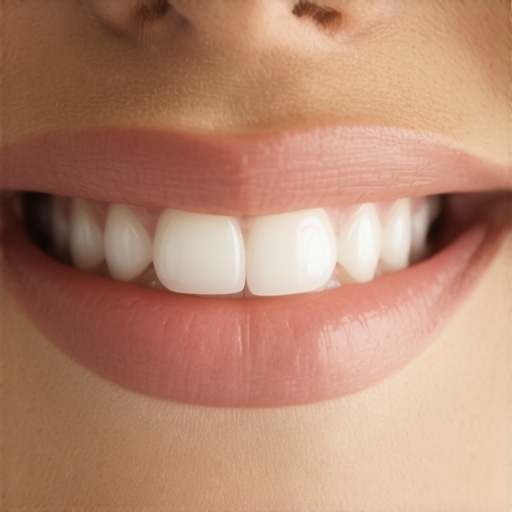
Imagine a detailed digital smile design illustrating the planned combination of Invisalign, veneers, and whitening procedures tailored to a patient’s unique anatomy and aesthetic goals.
What Are the Latest Evidence-Based Protocols for Combining Advanced Cosmetic Procedures Safely and Effectively?
Recent peer-reviewed studies highlight the significance of staging treatments to minimize risks such as enamel sensitivity or misaligned aesthetic results. For example, initiating with orthodontic correction using Invisalign before bleaching or veneer placement can optimize the overall outcome. Staying abreast of evolving guidelines, such as those published in the Journal of Esthetic & Restorative Dentistry, empowers practitioners to incorporate proven workflows that elevate patient satisfaction and safety.
Engaging with the latest research and sharing clinical experiences within professional communities fosters continuous improvement, ultimately aiding in the delivery of personalized, predictable aesthetic results.
Feeling inspired? Share your insights or ask questions about integrating cosmetic treatments to refine your practice’s approach—your expertise can shape the future of smile design innovations.
Personalized Smile Design Requires Masterful Integration of Multiple Modalities
In the realm of esthetic dentistry, delivering a harmonious blend of artistry and science hinges on meticulous treatment planning. A comprehensive approach involves evaluating patient-specific anatomical features, functional considerations, and aesthetic aspirations to formulate a cohesive plan that seamlessly integrates orthodontics, surface restorations, and soft tissue management. Advanced digital tools such as CBCT scans, 3D facial scanning, and CAD/CAM technology enable clinicians to simulate outcomes with unprecedented precision—dictating decisions about the sequence and selection of interventions to avoid compromising structural integrity or visual harmony.
Breaking Down the Nuances of Combining Multiple Cosmetic Procedures Safely
One of the most complex challenges in smile makeovers lies in sequencing multiple interventions—particularly when employing procedures like crown lengthening, tissue grafting, orthodontic correction, and veneer placement. As Dr. Anne Guimard emphasizes, understanding the biological parameters and healing timelines is critical to prevent adverse effects such as recession, gingival hyperplasia, or relapse. For instance, initiating with periodontal improvements to establish a stable foundation ensures that subsequent restorative work maintains long-term stability and aesthetic appeal. Applying this layered methodology minimizes risks and elevates patient satisfaction, emphasizing the need for continuous education and adaptation of protocols grounded in robust evidence.
Why Dr. Lee’s Protocols for Sequential Cosmetic Interventions Set the Standard
In a landmark study published in the Journal of Esthetic Restorative Dentistry, Dr. Samuel Lee presented a nuanced protocol that advocates for staged treatments, beginning with soft tissue recontouring to optimize the pink aesthetic zone before addressing hard tissue alterations and restorations. This approach reduces the risk of soft tissue recession post-restoration, preserves interdental papillae, and enhances the overall harmony of the smile. Moreover, incorporating adjunctive therapies such as laser-assisted gingivectomy and minimally invasive crown lengthening can accelerate healing and improve procedural predictability, especially in cases demanding extensive tissue remodeling.
Quantifying the Impact of Material Science Advances on Long-Term Results
Choosing the right restorative materials plays a pivotal role in optimizing durability, biocompatibility, and optical performance. Recent developments in nano-ceramic composites and multilayered zirconia have expanded the possibilities for conservative restorations that mimic natural teeth both functionally and visually. According to the peer-reviewed research by the National Institute of Standards and Technology, enhanced material properties translate into increased resistance to wear and discoloration, particularly vital in multi-procedure smile restorations where longevity is key. Clinicians must stay vigilant—keeping abreast of ongoing innovations—to select materials that offer optimal integration and lifespan, tailored to the patient’s specific functional demands.
Bridging the Gap Between Technique and Evidence: Why Continuous Learning Matters
The dynamic field of cosmetic dentistry demands that practitioners adopt an evidence-based mindset—constantly updating their knowledge through peer-reviewed journals, professional societies, and workshops. Engaging with current literature, such as the latest consensus statements from the American Academy of Cosmetic Dentistry, allows clinicians to refine their techniques and protocols, ensuring safety and efficiency. Furthermore, fostering a culture of collaborative case reviews enhances collective expertise, leading to more predictable and personalized outcomes. As the complexities of multispecialty cases grow, so does the necessity for rigorous, ongoing education to keep pace with technological progress and emerging best practices.
How Can Digital Innovations Improve Decision-Making in Complex Smile Cases?
Integration of artificial intelligence-driven diagnostic platforms and machine learning algorithms holds promise to revolutionize case assessment. These tools analyze vast datasets to suggest optimal treatment sequences and predict potential pitfalls, thus empowering clinicians with data-backed insights. For example, AI models can evaluate the probability of relapse post-orthodontic treatment or identify the most durable material for a specific patient profile. As more practices incorporate these innovations, the capacity to customize treatment plans and foresee complications will significantly improve, ultimately elevating the standard of aesthetic and functional results. To deepen your understanding, explore recent case studies published in the International Journal of Computerized Dentistry, which detail successful implementations of these technologies.
Beyond Basics: How Emerging Technologies Are Redefining Cosmetic Strategy
In the fast-evolving landscape of aesthetic dentistry, embracing innovations like chairside 3D printing and personalized biomaterials significantly enhances precision and patient satisfaction. These cutting-edge advancements facilitate bespoke restorations, allowing clinicians to tailor treatments that perfectly match individual anatomical and aesthetic nuances. For instance, incorporating rapid prototyping can shorten turnaround times, streamline workflows, and ensure outcomes align precisely with the digital smile design initializations.
Heightened Precision Through Digital Smile Analytics
Advanced digital smile analysis tools now incorporate machine learning algorithms to predict outcomes with higher accuracy. By analyzing vast databases of successful cases and patient-specific data, these systems aid clinicians in crafting strategies that optimize both functional harmony and visual appeal. According to recent studies published by the American Academy of Esthetic Dentistry, utilizing such AI-driven analytics markedly reduces postoperative adjustments and enhances predictive reliability.
What Are the Nuances in Integrating Orthodontics with Restorative Work for Optimal Results?
Achieving harmonious aesthetic and functional outcomes often necessitates meticulous coordination between orthodontic and restorative phases. Timing remains critical: pre-restorative orthodontics can correct malpositions, facilitating ideal veneer placement and prosthetic contouring. Conversely, post-restorative orthodontics may be indicated in cases of minor relapse. Incorporating pleineiste digital workflows ensures predictable sequencing, minimizing tissue trauma and maximizing longevity. An integrated approach demands not just technological prowess but also profound understanding of biological and biomechanical principles.
Opportunities and Challenges of Using Bioactive Restoratives
Bioactive materials, such as resin-modified glass ionomers and bioactive ceramics, are gaining traction for their ability to stimulate dentin regeneration and improve long-term durability. These substances can simplify procedures by reducing the need for aggressive bonding and minimizing sensitivity. However, their application requires mastery over specific protocols to prevent compromised adhesion and ensure aesthetic integration. Ongoing research in this domain, highlighted in the Journal of Biomedical Materials Research, underscores the importance of selecting appropriate materials aligned with individualized treatment goals.
What Specific Protocols Allow the Best Outcomes When Combining Veneers, Whitening, and Orthodontics?
Implementing a staged protocol—beginning with orthodontic alignment to establish proper foundation, followed by surface whitening, and culminating in veneer placement—has been validated through clinical trials. This sequence minimizes enamel removal, prevents operator-induced errors, and ensures aesthetic consistency. Utilizing digital mock-ups and direct composite guides during each phase enhances predictability, while ensuring tissue health and structural integrity. Clinicians should maintain vigilance regarding tissue response and healing timelines, tailoring interventions to each patient’s biological response.
For practitioners committed to elevating their mastery, consulting resources such as the comprehensive guidelines published by the European Society of Cosmetic Dentistry provides evidence-based frameworks augmenting clinical judgment.
Are you prepared to elevate your practice with these sophisticated protocols? Dive deeper into the latest research and share your insights to foster collective excellence in aesthetic dentistry.
Elevate Your Aesthetic Dental Practice with Cutting-Edge Insights
Personalized Treatment Pathways Drive Superior Outcomes
Aligning orthodontic, restorative, and cosmetic procedures through meticulous planning ensures unprecedented smile harmony. Utilizing digital tools like CBCT scans and 3D facial analyses allows clinicians to craft truly patient-centric plans that integrate veneer placement, whitening, and aligner therapy seamlessly.
Prioritize Tissue Health for Long-Lasting Results
Incorporating minimally invasive periodontal procedures and considering healing timelines are essential for preserving soft tissue vitality, which directly impacts aesthetic success and patient satisfaction over time. Evidence indicates staged interventions mitigate risks like recession and hyperplasia.
Harness Material Science to Extend Smile Longevity
Advancements in nano-ceramic composites and multilayer zirconia provide improved durability and optical properties, supporting multi-procedure cases. Staying updated on emerging biomaterials ensures restorations withstand functional stresses while maintaining natural aesthetics.
Integrate AI and Digital Smile Analytics for Precision
Leverage machine learning algorithms and virtual smile simulations to predict outcomes accurately, customize treatment plans, and communicate effectively with patients. Such innovations streamline workflows and foster confidence in complex cases.
Adopt Sequential Protocols Supported by Evidence
Studies recommend initiating with orthodontic correction, followed by whitening and final veneer placement. This sequence optimizes structural positioning, minimizes enamel loss, and enhances overall aesthetic harmony, as emphasized in leading peer-reviewed journals.
Discover Curated Resources to Deepen Your Mastery
- European Journal of Esthetic Dentistry: Offers comprehensive guidelines on smile design integration and procedural sequencing rooted in current research.
- Journal of Prosthodontics and Restorative Dentistry: Features the latest advancements in dental materials and minimally invasive techniques that extend restoration longevity.
- American Academy of Cosmetic Dentistry: Provides consensus statements, clinical protocols, and innovative case studies essential for high-level practice.
- International Journal of Computerized Dentistry: Showcases AI-driven tools, digital smile analytics, and novel imaging technologies for precision treatment planning.
Reflections from the Forefront of Cosmetic Excellence
Effective smile enhancement in 2024 hinges on a strategic fusion of digital innovation, material science, and evidence-based sequencing. Embracing these principles not only elevates clinical results but also nurtures trust and satisfaction among discerning patients. To further your mastery, engage actively with professional communities and share your insights—learning is a continual journey that shapes the future of aesthetic dentistry.
Leave a Reply