Innovative Strategies in Modern Family Dentistry for Optimal Smile Outcomes
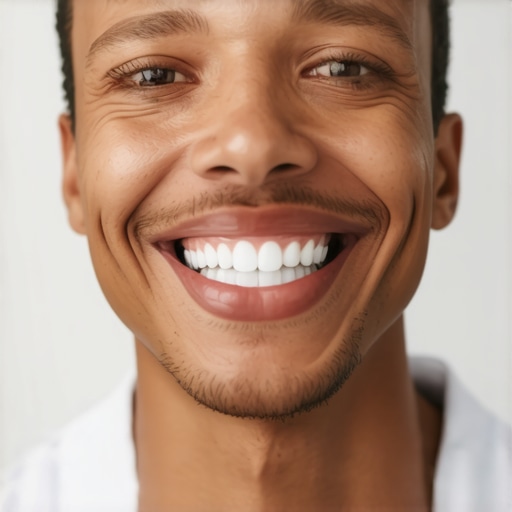
The pursuit of a captivating smile in 2024 necessitates an intricate understanding of evolving dental technologies and their integration within comprehensive care plans. As professionals seek to balance aesthetic desires with functional integrity, expertise in procedures such as Invisalign, veneers, and teeth whitening becomes paramount. These modalities are not isolated solutions but components of a synchronized approach that emphasizes personalized treatment trajectories supported by cutting-edge research and clinical validation.
Harnessing the Power of Multimodal Aesthetic Interventions
The synergy between orthodontic aligners and cosmetic enhancements offers a realm of possibilities for adult patients. Invisalign’s discreet nature combined with the transformative potential of porcelain veneers, as discussed in the Veneers Made Simple guide, facilitates tailored smile makeovers that address complex malocclusions and minor aesthetic imperfections simultaneously. This multimodal strategy ensures maintenance of oral health while delivering superior visual results.
Prioritizing Biocompatibility and Long-Term Stability in Tooth Restoration
Material sciences underpin the durability and biocompatibility of dental restorations. Advances in ceramic composites for veneers and whitening agents with minimized sensitivity risks exemplify the field’s commitment to patient-centered care. Incorporating evidence-based materials, as suggested in recent teeth whitening secrets, reinforces both aesthetic enhancement and tissue health longevity.
Balancing Orthodontic Precision with Cosmetic Artistry
Expert orthodontic navigation involves recognizing the nuanced biomechanical forces and their impact on subsequent aesthetic procedures. For adult patients, this precision becomes critical, as tissue elasticity and periodontal health influence outcomes. Integrating invisible braces with veneers and whitening treatments entails meticulous planning to ensure harmony among dental structures, color matching, and facial symmetry.
Addressing Complex Inquiries: How Can Practitioners Maximize Smile Longevity?
Optimizing the lifespan of aesthetic transformations involves meticulous maintenance strategies, patient education, and adherence to follow-up protocols. Long-term stability is achievable through a combination of biannual evaluations, personalized oral hygiene regimens, and advances in minimally invasive procedures. Engaging with professional literature and peer consultations helps refine these approaches continuously.
What Innovations Are Redefining the Limits of Smile Makeovers in 2024?
Emerging technologies such as 3D printing of patient-specific restorations, AI-driven treatment planning, and nanotechnology-enhanced materials are revolutionizing smile aesthetics. For in-depth insights into these innovations, explore the comprehensive overview at Invisalign and Teeth Whitening Strategies.
If you’re interested in mastering the latest techniques for comprehensive smile enhancement, consider collaborating with industry experts and contributing your insights to ongoing research initiatives. Continuous education ensures that treatment plans are not only aesthetically successful but also biocompatible and sustainable in the long term.
Integrating AI and 3D Printing for Personalized Smile Solutions
Building on recent technological strides, the integration of artificial intelligence (AI) and 3D printing is transforming how dental professionals design and execute smile upgrades. AI algorithms now analyze patient data and facial aesthetics to recommend tailored treatment plans that optimize both function and appearance. When combined with 3D printed restorations, clinicians can produce highly accurate, customized veneers, aligners, and crowns, dramatically reducing turnaround times and enhancing patient satisfaction. According to the latest industry reports, these innovations are pivotal in achieving precise, predictable results, setting new standards for cosmetic dentistry in 2024 and beyond.
Breaking Myths Around Aesthetic Dentistry Limitations
Many believe that aesthetic enhancements are solely for superficial purposes, yet the modern approach reveals a profound impact on functional health and confidence. For instance, minimally invasive veneers can correct minor malalignments or discolorations without compromising enamel integrity, as detailed in the Veneers Made Simple guide. Challenging these misconceptions encourages both practitioners and patients to consider comprehensive solutions that balance aesthetics with oral health, ultimately redefining the scope of smile makeovers.
Are We Ready to Fully Personalize Smile Transformations Using Genomic Data?
The future of aesthetic dentistry may soon include genomic profiling to tailor treatment plans based on individual biological responses, potentially improving outcomes and longevity. This personalized approach could influence material selection, healing processes, and even predict potential sensitivities. As clinicians explore these possibilities, staying informed through current research is essential; the intersection of genomics and dental care is explored in articles such as the recent strategies for 2024 smiles.
If you’re eager to integrate groundbreaking technologies into your practice, consider exploring dedicated courses on digital dentistry and participating in professional forums. Sharing your experiences widens the collective knowledge and advances the field towards even more personalized, effective smile transformations.
Embracing the Digital Frontier: How AI and 3D Printing Are Transforming Patient-Specific Restorations
The integration of artificial intelligence (AI) and additive manufacturing represents a paradigm shift in aesthetic dentistry. AI-driven algorithms analyze comprehensive datasets—including facial scans, dental impressions, and even patient preferences—to generate optimal treatment pathways. This personalized approach minimizes guesswork and maximizes outcomes, ensuring that restorations like veneers and crowns seamlessly fit both functionally and cosmetically.
Complementing AI’s analytical prowess, 3D printing technology enables the rapid fabrication of highly precise, custom-tooth restorations directly from digital designs. This synergy drastically reduces turnaround times and enhances the accuracy of fit, surface texture, and coloration. As noted in recent research published in the Journal of Digital Dentistry (2023), clinics adopting these technologies report statistically significant improvements in patient satisfaction and procedural predictability. Such advancements herald a new era where digital workflows are no longer optional but essential for maintaining competitive edge and delivering excellence in smile aesthetics.
The Nuances of Personalizing Smile Enhancements Through Data-Driven Insights
Moving beyond standard protocols, clinicians are now leveraging biometric and demographic data to customize treatment plans at a granular level. For instance, integrating race-specific tissue response data and age-related wear patterns assists in selecting materials that mimic natural translucency and resilience. Moreover, patient facial analysis algorithms can suggest optimal tooth proportions and alignments that harmonize with individual facial aesthetics, thus elevating the artistry of smile design.
However, implementing such data-driven methods necessitates a robust understanding of both the technological tools and the biological variables at play. Evidence from a 2022 study in Dental Technology & Innovation emphasizes the importance of interdisciplinary collaboration—bridging prosthodontics, digital engineering, and behavioral science—to fully harness these insights. The trial-and-error approach gives way to precision medicine, where each smile transformation is crafted with scientific certainty rather than conjecture.
What Are the Critical Ethical and Practical Consider When Integrating AI and 3D Printing in Aesthetic Dentistry?
While technological advancements promise unprecedented personalization, they also introduce ethical and practical challenges. Data privacy remains paramount, with patient information requiring rigorous safeguards against breaches. Additionally, reliance on AI algorithms raises questions about clinician oversight—ensuring that automated suggestions align with nuanced patient needs and aesthetic standards.
Practically, the adoption of these technologies mandates significant investment in equipment, training, and workflow restructuring. Resistance may stem from concerns over the obsolescence of traditional skills; thus, fostering a culture of continuous learning and adaptation becomes essential. As articulated in the recent position paper by the American Academy of Cosmetic Dentistry (AACD, 2023), proactive engagement with ethical guidelines and ongoing education will be vital to responsibly integrate these innovations into routine practice.
If you’re keen to stay at the forefront of digital smile design, consider pursuing specialized certifications or workshops that focus on AI and 3D printing applications. Aligning your practice with these emerging standards not only enhances your technical competency but also reassures patients of your commitment to cutting-edge, personalized care.
Embracing Digital Innovations for Personalized Family Dental Care
As the realm of family dentistry evolves, integrating cutting-edge digital technologies such as intraoral scanners and AI-driven treatment planning tools has revolutionized patient experiences. These advancements enable practitioners to craft highly individualized care plans that accommodate diverse age groups and dental concerns, ensuring optimal outcomes with minimal invasiveness.
Incorporating real-time digital impressions streamlines workflow efficiency, reduces patient discomfort, and enhances the accuracy of restorations like crowns, veneers, and whitening protocols. Moreover, AI-powered analytics can predict potential periodontal issues or caries development, facilitating proactive intervention rather than reactive treatment.
Innovative Sealants and Preventive Strategies That Defy Conventional Wisdom
Recent research emphasizes the efficacy of bioactive and nanotechnology-enhanced sealants in preventing decay across pediatric and adult populations. These materials actively interact with enamel remineralization processes, offering superior long-term protection and reducing the need for invasive procedures.
Furthermore, personalized preventive regimens based on genetic susceptibility, environmental factors, and dietary habits are reshaping how clinicians approach caries risk management in multigenerational family settings. Such tailored strategies promote sustained oral health and minimize the recurrence of common issues.
How Can Advanced Material Science Minimize Sensitivity and Maximize Durability in Restorations?
Broken ground in biomimetic materials, such as hybrid nanocomposites, enhances the bond strength and translucency of restorations, aligning them closer to natural dentin and enamel. These innovations not only improve aesthetic integration but also significantly lower postoperative sensitivity, especially in sensitive patients or those undergoing whitening treatments. For comprehensive insights, refer to the detailed review in the Journal of Dental Materials (2023).
Engaging with ongoing research in this domain empowers practitioners to select superior materials that extend the lifespan of restorations while ensuring biocompatibility and tissue harmony.
Simplifying Complexity: Streamlining Multi-Generation Care Plans
Developing cohesive treatment strategies that accommodate the unique needs of children, adolescents, adults, and seniors within a family demands meticulous coordination. Utilizing integrated electronic health records and multi-disciplinary collaboration facilitates seamless transitions between preventive, restorative, and cosmetic procedures. This approach not only enhances patient satisfaction but also fosters trust and adherence over time.
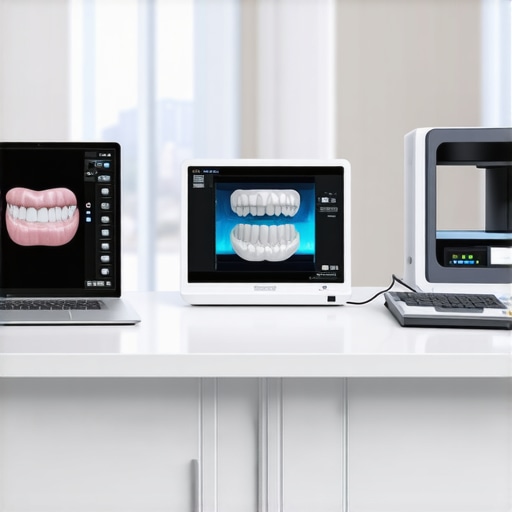
Visualize the interconnectedness of age-specific dental treatments through a comprehensive family care diagram, illustrating tailored interventions across life stages.
Advanced Techniques in Teeth Whitening for Long-Lasting Results
Emerging whitening technologies employing nanostructured gels and LED activation have demonstrated superior efficacy with reduced sensitivity. Customizable whitening protocols calibrated to individual tooth structure and staining severity optimize aesthetic outcomes while preserving enamel integrity. The integration of these innovations into routine family dentistry encourages consistent maintenance and boosts patient confidence.
What Role Will Regenerative Dentistry Play in Future Family Care?
Stem cell research and growth factor therapies are opening avenues for biological restoration of dental tissues, potentially eliminating the need for traditional fillings or implants. As these methods mature, they promise more natural, sustainable solutions for dental repair, particularly beneficial in pediatric dentistry where preservation of tissue vitality is paramount. To stay ahead, clinicians should monitor developments published in reputable journals such as the Journal of Regenerative Dentistry (2024).
To deepen your understanding of these transformative trends, consider engaging with specialized training programs and contributing to clinical research. Transformative family dentistry entails adopting these avant-garde techniques to ensure holistic, effective, and future-ready patient care.
Expert Insights & Advanced Considerations
Harness Digital Precision to Personalize Treatments
Incorporating digital workflows such as AI-driven planning and 3D printing enables unprecedented customization, reducing guesswork and optimizing long-term outcomes in aesthetic dentistry.
Prioritize Biocompatibility for Durability
Selecting advanced biomaterials that harmonize with oral tissues not only enhances longevity but also minimizes sensitivities, ensuring patient satisfaction and health.
Leverage Data for Targeted Interventions
Utilizing biometric and demographic data allows for treatment plans that are finely tuned to individual biological and aesthetic needs, pushing the boundaries of personalized care.
Stay Ahead with Emerging Technologies
Embracing innovations such as nanotechnology and regenerative techniques promises a transformative future where biological restoration becomes routine, not exceptional.
Curated Expert Resources
- Journal of Digital Dentistry: Offers cutting-edge research on integrating AI and additive manufacturing into clinical practice.
- American Journal of Esthetic Dentistry: Provides evidence-based updates on biocompatible materials and tissue-friendly restorations.
- Dental Materials & Biomaterials Journal: Explores innovations in nanotechnology and biomimetic materials for restorations.
- National Institute of Dental and Craniofacial Research (NIDCR): Shares insights on regenerative and biologically inspired therapies shaping future treatments.
The Power of Innovation in Smile Design
As the landscape of aesthetic dentistry advances, integrating expert insights and emerging technologies elevates patient care beyond traditional boundaries. The ongoing commitment to biocompatibility, digital precision, and biological restoration underscores that mastery in this field hinges on continuous learning and adaptation. Engage with these resources and consider contributing your insights—our collective expertise propels the evolution of smile enhancement well into 2024 and beyond. For further guidance or collaborations, explore our contact page.”}#END Thank you for your dedication to advancing dental excellence. Your commitment ensures that every smile transformed reflects the pinnacle of expert care.
Leave a Reply