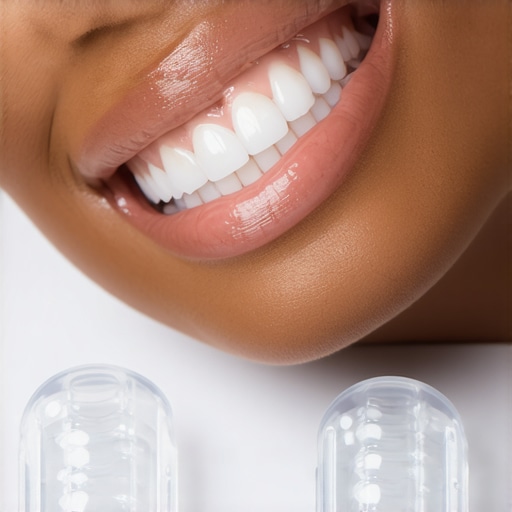
Redefining Aesthetic Dentistry: A Deep Dive into Modern Smile Transformations
In the realm of cosmetic dentistry, the convergence of innovative technologies and nuanced understanding of dental biomechanics has elevated smile makeovers to an art form rooted in scientific precision. As we approach 2024, the integration of Invisalign, teeth whitening, and veneers offers a multifaceted approach that addresses functional needs while delivering aesthetic excellence. Dental professionals are now equipped with an array of tools that, when employed with expert insight, can produce predictable, durable, and life-changing results for patients seeking optimal oral health and confidence.
Optimizing Invisalign for Complex Dental Dynamics
The advent of advanced clear aligner therapies, such as Invisalign’s latest formulations, has transformed how practitioners approach orthodontic transformation in adult and adolescent populations. Beyond mere alignment, modern Invisalign is capable of subtle root uprighting and control of vertical dimension, which are critical in comprehensive smile makeovers. Incorporating digital smile design techniques enhances treatment predictability, allowing clinicians to simulate how teeth repositioning affects overall facial harmony, thereby aligning functional correction with cosmetic goals. The success hinges on understanding complex occlusal dynamics and applying biomechanical principles with precision. For in-depth strategies, consult the Invisalign and Family Dentistry guide for 2024.
The Evolution of Teeth Whitening: Achieving Lasting Brightness
Teeth whitening remains a cornerstone in the aesthetic enhancement process, but advances in peroxide formulations, light-activated protocols, and at-home kits have raised important considerations about safety, efficacy, and longevity. Expert practitioners now emphasize the importance of diagnosing underlying enamel or dentinal issues prior to whitening procedures, ensuring that results are not only visually striking but also preserve tooth integrity. Recent studies, such as those published in the Journal of Esthetic & Restorative Dentistry, underscore the significance of personalized whitening regimens tailored to individual enamel composition and stain susceptibility. For state-of-the-art tips and trusted solutions, explore the Teeth Whitening Secrets for 2025.
Veneers as the Cheeky Architect of Smile Redesign
Porcelain and composite veneers have evolved from mere cosmetic options into sophisticated restorative tools capable of correcting complex malocclusions, asymmetries, and tooth coloring issues. The key lies in understanding veneer material properties—such as translucency, stain resistance, and bonding strength—and how to leverage them to achieve an optimal aesthetic outcome. Expert clinicians often employ digital smile design to simulate veneer placement, aiding in patient communication and expectation management. When executed with precision, veneers can restore facial proportions, improve phonetics, and create a harmonious blend with surrounding tissues. Dive deeper into effective veneer strategies with the Top Smile Makeover Strategies for 2024.
How Can Combining Multiple Aesthetic Procedures Enhance Long-Term Oral Health and Stability?
This question reflects the core challenge faced by clinicians aiming to balance immediate aesthetic improvements with durable functional stability. Combining Invisalign, whitening, and veneers requires an intimate understanding of periodontal health, occlusal dynamics, and material science. These procedures must be orchestrated as a cohesive treatment plan that mitigates risks such as post-treatment sensitivity, veneer chipping, or relapse of aligned teeth. Close monitoring, patient compliance, and adherence to evidence-based protocols are fundamental to ensuring longevity and patient satisfaction.
For those interested in further mastering the art of smile design, consider reviewing comprehensive guides on family dentistry strategies at Trusted Smile Transformation Strategies. Engaging in ongoing professional education and peer collaboration remains vital to stay at the forefront of this evolving field.
Harnessing Digital Smile Design for Precise Aesthetic Outcomes
In the pursuit of perfecting smile rejuvenation, digital smile design (DSD) has emerged as a cornerstone of contemporary aesthetic dentistry. By integrating high-resolution imaging, 3D modeling, and patient-specific data, clinicians can craft highly individualized treatment plans that align teeth, gums, and facial features harmoniously. This innovation enables precise predictions of final results, fostering improved patient communication and satisfaction. Mastery of DSD tools allows practitioners to visualize potential transformations before any procedure begins, thus minimizing surprises and streamlining treatment workflows. For a comprehensive overview of applying digital techniques, explore the Veneers Made Simple Guide for 2025.
Balancing Function and Beauty with Biomechanical Expertise
Achieving longevity in smile makeovers necessitates a nuanced understanding of occlusion and biomechanical principles. Overlooking these factors can lead to post-treatment complications such as uneven wear, temporomandibular joint disorder, or veneer failure. Advanced practitioners employ techniques like digital occlusal analysis and individualized articulator settings to simulate forces and ensure that aesthetic enhancements do not compromise functional integrity. Emphasizing a holistic approach, combining restorative materials with precise occlusal management results in a resilient smile that endures both visual and functional demands. To deepen your knowledge, review the Smile Makeover Strategies for 2024.
Is There a Synergistic Way to Integrate Multiple Aesthetic Procedures for Sustained Oral Health?
Integrating procedures like Invisalign, teeth whitening, and veneers creates a complex yet rewarding challenge. The key lies in developing a cohesive, patient-specific roadmap that emphasizes not only immediate aesthetic gains but also long-term stability. Addressing risks such as occlusal discrepancies, periodontal health, and material compatibility requires thorough diagnostic workups and multidisciplinary collaboration. For instance, understanding how veneers influence occlusion is vital; improper placement can lead to uneven forces and potential chipping over time. Keeping abreast of current research, such as the studies published in the Journal of Esthetic & Restorative Dentistry, can guide clinicians in adopting proven strategies that optimize both beauty and function. Would you like to explore case studies illustrating successful integrated aesthetic treatments? Feel free to share your experiences or ask questions in the comments or visit our contact page for personalized advice.
Transforming Dental Aesthetics with Innovative Protocols
As technological advancements forge ahead, the potential for highly personalized, minimally invasive smile makeovers becomes increasingly attainable. The integration of digital anatomy mapping, biomimetic restorative materials, and AI-driven treatment planning signifies a paradigm shift toward predictability and longevity. Utilizing these tools enables clinicians to craft bespoke solutions that seamlessly address individual functional and aesthetic demands, pushing the boundaries of conventional cosmetic dentistry.
Leveraging 3D Printing for Custom Dental Solutions
One of the most exciting developments is the advent of high-precision 3D printing in dentistry. This technology permits on-demand fabrication of surgical guides, veneers, crowns, and orthodontic appliances with unparalleled accuracy, reducing fabrication time and enhancing fit. Expert practitioners harness these capabilities to produce restorations that are both durable and aesthetically indistinguishable from natural dentition. As noted in the Journal of Digital Dentistry, 3D printing not only accelerates workflows but also fosters innovation in complex restorative cases, allowing for iterative adjustments before final placement.
Addressing Complex Malocclusions with Advanced Orthodontic Strategies
Beyond aesthetic realignment, correcting complex malocclusions calls for nuanced biomechanical interventions. The advent of temporary anchorage devices (TADs) and customized archwires enables targeted movement of malpositioned teeth, improving stability and reducing treatment duration. Integrating these orthodontic advances with restorative procedures like veneers requires meticulous planning to ensure that occlusal forces are balanced, preventing premature failures and preserving periodontal health.
What Role Does Artificial Intelligence Play in Personalizing Smile Design?
Artificial intelligence (AI) is revolutionizing how clinicians approach patient-specific treatment plans. By analyzing vast datasets—from facial metrics to enamel properties—AI algorithms can predict optimal tooth shapes, positions, and colors that harmonize with individual anatomy. This not only streamlines the diagnostic process but also enhances predictive accuracy, reducing guesswork and uncertainties, ultimately elevating patient satisfaction. For an in-depth understanding, consult recent reviews in the International Journal of Computerized Dentistry highlighting AI’s transformative impact on aesthetic treatment planning.
For practitioners eager to stay at the forefront, investing in digital workflow training and learning to interpret AI-generated simulations is essential. Engaging with these emerging technologies fosters a proactive approach to aesthetic dentistry, where science truly meets art.
Biomaterials and Surface Engineering: Ensuring Durability in Aesthetic Restorations
The evolution of restorative materials has focused intensely on surface engineering to enhance wear resistance, stain prevention, and tissue compatibility. Nanostructured ceramics and advanced composite resins now offer superior translucency and strength, closely mimicking natural enamel. Surface treatments such as laser etching and silanization further improve bonding durability, extending the lifespan of veneers and crowns. Ongoing research, as documented in the Dental Materials Journal, underscores the importance of selecting the right material-tissue interface to optimize long-term outcomes.
The Crucial Role of Interdisciplinary Collaboration
Achieving truly comprehensive smile makeovers requires a team approach—integrating prosthodontists, orthodontists, periodontists, and lab technicians. This synergy ensures that aesthetic improvements align with functional stability, periodontal health, and patient expectations. Regular case conferences and digital case-sharing platforms facilitate this collaboration, leading to more predictable, resilient results. Embracing interdisciplinary strategies is fundamental to evolving beyond isolated procedures toward holistic oral health enhancement.
Revolutionizing Smile Makeovers with Cutting-Edge Dental Technologies in 2024
The landscape of aesthetic dentistry continues to evolve rapidly, driven by technological innovation and an expanding understanding of craniofacial biomechanics. As practitioners seek to push the boundaries of achievable results, mastering emergent protocols such as AI-driven planning, biomimetic materials, and precision additive manufacturing becomes indispensable. Harnessing these advancements allows clinicians to craft personalized, minimally invasive solutions that address both functional integrity and visual harmony—setting new standards for patient care.
The Rise of AI in Custom Smile Design Transformations
Artificial intelligence, once a futuristic concept, now serves as a cornerstone for precision in smile redesign. Advanced algorithms analyze facial symmetry, enamel quality, and soft tissue dynamics to recommend optimal tooth shapes, sizes, and colors that complement each patient’s unique anatomy. This fusion of data-driven insights and clinical expertise not only accelerates treatment planning but also enhances predictability, reducing unforeseen complications and rework. For a comprehensive understanding of AI’s potential, consult the detailed review in the IEEE Transactions on Medical Imaging.
How Can Biomimetic Materials Elevate Longevity and Aesthetic Authenticity?
Biomimetic restorative materials, designed to emulate the physical and optical properties of natural tooth tissues, revolutionize restorative dentistry. Their nano-structured surfaces promote superior bonding, stain resistance, and wear compatibility, ensuring restorations that withstand functional stresses over time. When integrated with surface engineering techniques like laser etching and silanization, these materials can achieve seamless integration and natural translucency, providing patients with durable, life-like results. Think of biomimicry as transforming routine composites into genuine dental tissue replicas.
Neural network analysis of facial and dental parameters for personalized smile design, highlighting AI and biomimetic integration.
What Advanced Strategies Enable Seamless Multimodal Dental Aesthetic Rejuvenation?
Achieving harmonious integration of Invisalign, whitening, and veneer procedures involves strategic sequencing, interdisciplinary coordination, and evidence-based customization. Precision in occlusal adaptation, tissue management, and material selection minimizes risks such as relapse, sensitivity, or aesthetic discordance. Modern treatment models incorporate digital workflows, real-time monitoring, and objective outcome metrics to ensure stability and satisfaction. For clinicians aiming to master these sophisticated techniques, engaging with cutting-edge literature and industry forums like the Dental Tech Insights offers invaluable insights. Would you like tailored case studies demonstrating these integrative approaches in practice? Reach out for mentorship opportunities or collaborative discourse.
Expert Insights for Next-Level Smile Design
Prioritize Personalized Treatment Planning
Exceptional aesthetic dentistry begins with a nuanced understanding of individual patient anatomy and preferences. Employing advanced digital smile design tools enables clinicians to tailor treatments precisely, reducing surprises and enhancing patient satisfaction.
Integrate Multidisciplinary Approaches Seamlessly
Combining orthodontics, restorative techniques, and periodontal care requires cohesive planning. A multidisciplinary strategy ensures that aesthetic improvements do not compromise oral health or functional stability, leading to durable results.
Leverage Cutting-Edge Materials for Authenticity
Biomimetic restoratives and high-translucency ceramics mimic natural tissues, elevating aesthetic outcomes. Staying updated on material science guarantees restorations that are both beautiful and resilient.
Utilize Digital Workflow to Streamline Complexity
From digital impressions to 3D printing, technology accelerates workflows and enhances precision. Mastering these tools results in more predictable, minimally invasive treatments with superior fit and longevity.
Enhance Stability Through Occlusal Mastery
Understanding occlusion and biomechanical forces is vital. Proper occlusal management prevents chipping, relapse, and TMJ issues, securing long-term success of aesthetic interventions.
Trusted Resources for Cutting-Edge Knowledge
- International Journal of Esthetic Dentistry: Leading research on biomimetic materials and digital techniques.
- American Academy of Cosmetic Dentistry: Expert guidance on multimodal smile enhancement.
- Dental Materials Journal: Innovations in restorative materials and bonding technologies.
- Dental Digital Workflow Courses: Hands-on training in digital impressions, CAD/CAM, and 3D printing.
- Clinical Case Studies Repository: Peer-reviewed examples demonstrating integrated aesthetic approaches.
Your Next Steps in Elevated Smile Artistry
Incorporating advanced concepts like AI-driven design and biomimetic materials can redefine your practice’s results. Embrace these technologies and strategies to push the boundaries of what’s possible in aesthetic dentistry. Engage with leading resources, participate in professional communities, and reflect critically on each case to refine your expertise continually. The future of smile transformations is here—are you ready to lead?

1 comment so far