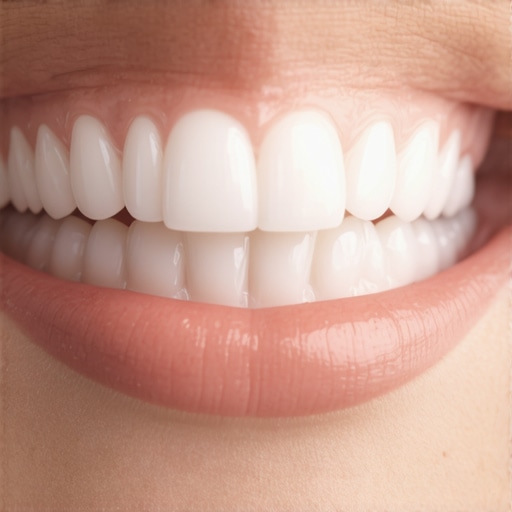
Unveiling the Future of Dental Aesthetics: An Expert’s Perspective
As advancements in cosmetic dentistry continue to evolve, professionals now possess an expanded toolkit for achieving optimal smile makeovers. Techniques such as porcelain veneers, clear aligners like Invisalign, and advanced teeth whitening procedures have transcended traditional boundaries, enabling personalized solutions that align with patient-specific needs and aesthetic goals. Understanding the synergistic potential of these treatments demands a nuanced grasp of their clinical integration and long-term outcomes.
Deciphering the Complex Roles of Veneers and Cosmetic Enhancements
What are the Latest Innovations in Veneer Material Science That Enhance Durability and Aesthetic Realism?
Modern veneers now utilize ultra-thin porcelain layers with improved translucency and resistance to staining, thanks to innovations such as lithium disilicate ceramics. These materials offer more conservative applications and better mimic natural enamel, allowing for seamless integration within comprehensive aesthetic plans. The strategic use of veneers can correct a spectrum of dental imperfections, from discoloration to minor malalignments, while preserving as much of the natural tooth structure as possible.
Furthermore, layering techniques and digital smile design enable clinicians to visualize outcomes beforehand, ensuring that veneers complement the patient’s facial symmetry and smile dynamics. For in-depth insights on veneer technology, visit this comprehensive guide.
Enhancing Alignment and Aesthetics with Invisalign in a Digital Era
How Do Recent Material and Technological Advances Improve Invisalign’s Efficacy in Complex Cases?
Invisalign’s evolution incorporates high-performance thermoplastics, such as SmartTrack material, which affords greater control, comfort, and predictability in tooth movement. The integration of digital scan data with AI-based treatment planning allows practitioners to simulate post-treatment results with unprecedented accuracy, reducing ambiguity in aesthetic outcomes. These innovations have expanded Invisalign’s applicability to complex malocclusions traditionally managed with fixed appliances.
Moreover, Aligner customization now encompasses attachments, TADS, and regimen adjustments, tailored to biomechanical requirements, further optimizing results. For professional insights into Invisalign’s latest strategies, consult this authoritative resource.
Refining Teeth Whitening Techniques for Long-Lasting Radiance
What Are the Proven Protocols to Maximize the Longevity of Professional Teeth Whitening?
Recent research emphasizes the importance of pre- and post-procedure mechanisms, such as enamel remineralization and lifestyle modifications, to sustain whitening effects. The use of high-concentration bleaching agents under professional supervision ensures rapid aesthetic improvement, while adjunctive at-home maintenance with custom trays preserves results for extended periods.
Furthermore, emerging formulations incorporating desensitizing agents and stain-resistant coatings contribute to patient comfort and durability. For comprehensive strategies on teeth whitening, explore this expert primer.
Synergizing Treatments for Optimal Smile Makeovers
Integrating veneers, Invisalign, and whitening into cohesive treatment plans requires a strategic understanding of their interactions. For example, performing whitening prior to veneer placement enhances shade matching accuracy, while Invisalign can correct minor malalignments that might otherwise compromise veneer longevity. Such multi-modal approaches necessitate meticulous sequencing and patient compliance to achieve predictable, transformative results.
Building Trust and Expertise in Cosmetic Dentistry
To elevate your practice and ensure compliance with 2024 aesthetic standards, consider exploring advanced courses and peer-reviewed literature. Engaging with professional communities allows for the exchange of nuanced insights, vital for mastering complex treatment integrations and setting new benchmarks for patient satisfaction.
,
Embracing Cutting-Edge Techniques for Smile Perfection
As the landscape of cosmetic dentistry advances, clinicians are increasingly turning to innovative methods to elevate patient satisfaction and produce natural-looking, durable results. The integration of digital smile design along with bio-compatible, ultra-thin veneers is transforming treatment planning and execution, enabling professionals to create highly personalized, minimally invasive restorations that align perfectly with facial aesthetics. These technological leaps foster a proactive, rather than reactive, approach to smile enhancement, emphasizing outcomes tailored to each individual’s unique features.
For practitioners seeking to harness these innovations, understanding the synergy between digital planning tools and material science is crucial. Digital smile design platforms facilitate precise visualization, allowing for simulated outcomes that can be adjusted collaboratively with the patient, setting realistic expectations and streamlining clinical workflows. Complementing this, advancements in veneer materials—such as calcium silicate-based porcelains—significantly improve translucency and strength, extending longevity and mismatching any signs of aging or wear.
Implementing these sophisticated workflows requires an investment in training and diagnostic acumen. Building a practice that consistently delivers exceptional results calls for continuous education and staying abreast of research, such as the comprehensive findings available in this definitive resource.
How Can Integrating Digital and Material Innovations Elevate Your Smile Makeover Outcomes?
This question prompts us to reflect on how combining precision technology with cutting-edge materials can redefine aesthetic expectations and treatment predictability. As digital design reduces guesswork, selecting the right ultra-thin veneer material ensures that the envisioned aesthetic is not only achieved but maintained over years. Such integration exemplifies the move towards conservative, patient-specific restorations that preserve natural tissue while optimizing esthetic impact.
Incorporating these advancements also benefits patient communication and engagement, as visual previews facilitate informed consent and foster trust. For dental professionals eager to stay at the forefront of this evolution, engaging with online continuing education platforms and peer-reviewed publications can provide invaluable insights. To discover more about incorporating digital design into your practice, schedule a consultation via our contact page.
Furthermore, embracing these tools and materials aligns with a broader trend towards minimally invasive aesthetic dentistry, emphasizing the importance of preserving natural tooth structure while achieving stunning results.
Elevating Smile Makeovers with Precision Digital Workflows
The advent of digital smile design (DSD) has revolutionized the way clinicians approach aesthetic rehabilitation. By employing high-resolution intraoral scanners and sophisticated CAD/CAM software, practitioners can craft highly accurate virtual mock-ups, enabling transparent communication and precise treatment planning. This digital integration ensures that clinicians can foresee potential challenges, such as occlusal interferences or disproportionate aesthetics, before any irreversible procedures are initiated.
One of the key advantages of this methodology lies in its ability to facilitate collaborative decision-making, which enhances patient satisfaction and adherence to treatment protocols. Moreover, digital workflows streamline laboratory processes, reducing turnaround times and minimizing material waste—an increasingly important consideration in sustainable practice models.
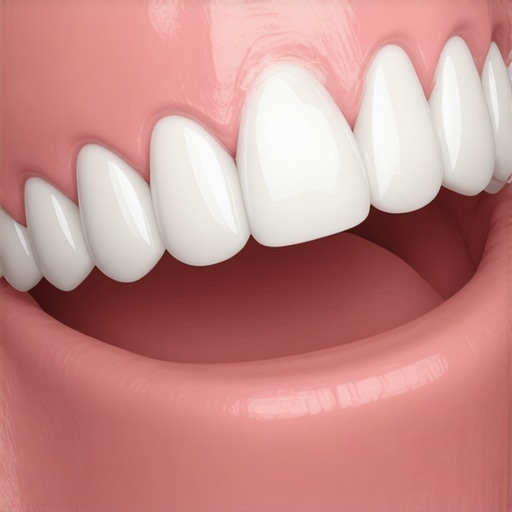
Innovative Material Science: The Frontline of Natural-Looking Restorations
The progression from traditional porcelain to advanced ceramic composites underscores a relentless pursuit of biomimicry in aesthetic dentistry. Lithium disilicate glass-ceramics and calcium silicate-based porcelains offer exceptional translucency, strength, and biocompatibility, enabling restorations that seamlessly blend with surrounding tissues. Recent developments have also introduced nanoceramic materials that exhibit enhanced polishability and stain resistance, contributing to longevity and effortless maintenance.
Furthermore, the integration of bio-mimetic properties into materials supports not only aesthetic goals but also biological compatibility, reducing inflammatory responses and promoting tissue stability. These innovations are driven by rigorous research protocols, including nano-structural analysis and simulated aging studies, to ensure that restorations perform reliably over decades.
Deciphering Complex Cases: When Conventional Approaches Fall Short
Can Custom-Bitched Solutions Surpass Standard Protocols in Challenging Situations?
In cases involving severe malocclusion, extensive structural loss, or atypical tissue responses, reliance solely on traditional materials and techniques often proves insufficient. An integrative approach, combining multilayered veneers with CAD/CAM fabricated frameworks, allows for meticulous customization tailored to unique biomechanical demands. Incorporating digital planning with finite element analysis (FEA) can predict stress distribution across restorations, preventing premature failure and guiding material selection.
For example, in a patient with compromised enamel and parafunctional habits, utilizing a hybrid approach of minimally invasive veneers reinforced with internal metal substructures may provide durability without sacrificing esthetics. Such bespoke solutions demand a deep understanding of biomechanics and material behavior, emphasizing the importance of multidisciplinary collaboration and ongoing research. To explore advanced case studies and groundbreaking methodologies, refer to the latest journal articles in the Journal of Prosthetic Dentistry.
Breaking the Mold in Digital Smile Architecture
Contemporary cosmetic dentistry transcends mere aesthetics; it converges on creating harmonious, functional, and personalized smiles through innovative digital workflows. Implementing advanced CAD/CAM technologies combined with dynamic facial analysis software, practitioners now craft highly customized restorations with unparalleled precision. This synergy eliminates guesswork, minimizes chair time, and elevates patient confidence in achieving their ideal aesthetic.
Beyond Aesthetics: The Structural Science of Long-Lasting Restorations
Emerging research emphasizes the significance of biomimetic materials that imitate natural enamel’s mechanical properties, such as nano-filled composites and bioactive ceramics. These materials not only ensure superior opacity and translucency but also contribute to the preservation of surrounding tissues and prevent secondary caries. Incorporating stress distribution analysis through finite element modeling allows clinicians to anticipate failure modes, leading to more resilient restorations.
Tailored Approaches for Complex Cases: When Off-the-Shelf Solutions Falter
Can Custom-Engineered Restorations Outperform Standard Protocols in Challenging Scenarios?
In intricate cases involving substantial tissue loss, malocclusion, or parafunctional habits, bespoke solutions tailored via digital planning grant a decisive advantage. Techniques such as multi-layered veneer arrangements complemented by custom-fabricated frameworks optimize both mechanical stability and aesthetic finesse. Additionally, integrating 3D-printed surgical guides ensures precise tissue management and restoration placement—bridging the gap between innovation and clinical excellence.
Exploring these avant-garde methodologies necessitates a multidisciplinary mindset, melding digital mastery with a profound understanding of biomechanics and material sciences. For in-depth case analyses and recent breakthroughs, delve into the latest issues of the Journal of Prosthetic Dentistry.
Expert Insights Driving the Future of Cosmetic Dentistry
Why Personalization Has Become the Cornerstone of Smile Design
In the era of precision dentistry, tailoring treatments to individual facial anatomy and personality traits enhances both satisfaction and longevity. Utilizing digital smile design allows clinicians to create customized plans that resonate with patients’ unique features, ultimately resulting in more natural and harmonious outcomes.
Leveraging Material Science for Superior Durability
Advancements in ultrathin, high-strength porcelain materials like lithium disilicate have revolutionized veneer applications. These innovations enable conservative preparations, improve translucency, and resist staining, ensuring restorations that emulate natural enamel with enduring beauty.
Optimizing Treatment Sequencing for Consistent Results
Strategic planning—such as whitening prior to veneer placement—maximizes color matching accuracy and reduces the need for future corrections. Incorporating digital workflows facilitates precise sequencing, reducing chair time and enhancing patient confidence in the final aesthetic.
Integrating Technologies for Smarter Outcomes
The fusion of AI-driven treatment planning, digital impressions, and CAD/CAM fabrication streamlines workflows while increasing predictability. This integration supports complex cases, such as severe malocclusions or extensive restorations, with greater control and fewer surprises.
Material Innovations That Mimic Nature
Emerging bio-mimetic ceramics and nanocomposites replicate natural tissue properties, promoting tissue health and resistance to wear. Deep understanding of these materials enables clinicians to craft restorations that age gracefully alongside patients.
Respected Resources for Continued Mastery
- Smile Design Academy: Offers comprehensive courses on digital smile design and case documentation, essential for mastering personalization.
- Journal of Prosthetic Dentistry: Features peer-reviewed research on material science innovations and clinical techniques that inform evidence-based practice.
- Material Advancements in Restorative Dentistry (book series): Provides in-depth analysis of cutting-edge materials, their properties, and clinical applications.
- AI in Dental Treatment Planning (webinars): Explores how artificial intelligence enhances diagnostic accuracy and treatment predictability.
- Biomimetic Restorative Materials Conference: An exclusive event for learning about the latest in bio-compatibility and natural tissue integration.
The Power of Innovation in Shaping Your Practice
Combining surgical precision with the latest in material science and digital technology elevates the standard of smile makeovers. Embracing these advancements not only broadens clinical capabilities but also deepens patient trust and satisfaction. Staying at the forefront of such knowledge empowers practitioners to craft transformative results that stand the test of time. For experts committed to this pursuit, engaging with dedicated resources and continuous education ensures mastery in delivering aesthetic excellence—your pathway to redefining what’s possible in cosmetic dentistry.
Leave a Reply