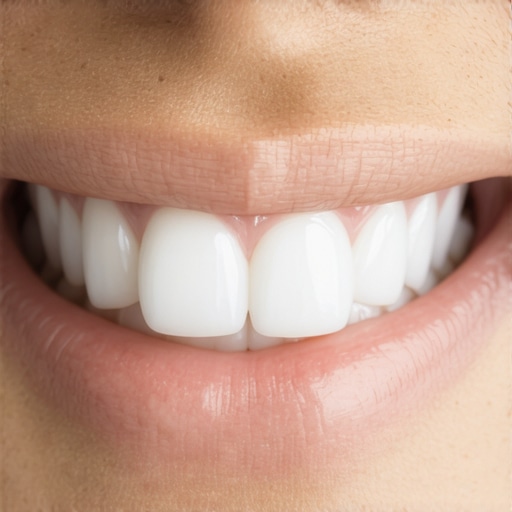
I remember the first time I looked in the mirror after getting my veneers—excited about my bright, new smile. But to my dismay, within a few months, they started looking dull and, worse, oddly greyed around the edges. That lightbulb moment hit hard—why were my shiny veneers losing their lustrous appeal so quickly?
If you’ve faced the same disappointment, you’re not alone. Many people invest heavily in veneers expecting a flawless, durable finish, only to see them discolored or dull sooner than anticipated. It’s frustrating, especially after choosing the best materials and following all the care instructions.
Today, I want to share the three specific bonding fixes that can significantly improve the appearance and longevity of your veneers. These techniques are game-changers, making sure your smile stays radiant and natural-looking for years.
Why Veneers Turn Grey and How Bonding Fixes Can Help
Many don’t realize that the root cause of greyish veneers isn’t always the material itself but often the bonding process or the underlying preparation. Poor bonding can result in uneven color, translucency loss, and even staining around the edges. Early mistakes, like inadequate surface preparation, can seal in stains or fail to create a perfect bond, leading to that unwanted grey hue.
I learned this the hard way when I rushed my first veneer appointment without understanding the technical nuances involved. My mistake was overlooking the importance of proper bonding procedures, which, in turn, caused the greyish tint to appear sooner.
Thankfully, modern bonding techniques have evolved, allowing us to address these issues head-on. From professional touch-ups to new material enhancements, the fixes I’ll discuss today can help you preserve that stunning, natural look. You might want to explore more advanced restoration options at [Veneers Made Simple](https://smilegumcare.com/veneers-made-simple-transform-your-tooth-aesthetics-in-2025-at-1822), but understanding bonding is the essential first step.
Are you worried that fixing your veneers might require invasive procedures or replacing them entirely? That’s a common concern—many think that once discoloration appears, it’s permanent. But in reality, the right bonding fixes can often restore their brilliance without resorting to costly replacements.
Before we dive into the techniques, I want to share one thing I wish I had known from the start: choosing a skilled, experienced dentist who understands these bonding nuances makes all the difference. It’s worth researching your provider’s expertise because improper technique can exacerbate the problem instead of solving it.
Now, let’s look at these practical bonding fixes that can revive your veneers and bring back that confident smile you deserve.
Prepare Your Tooth Surface Properly
Start by thoroughly cleaning the veneer and the underlying tooth with an ultrasonic scaler and polishing paste. This removes any plaque, stain, or debris that could interfere with bonding. I once struggled with dull veneers because I skipped this step, causing poor adhesion and a greyish hue. After cleaning, use a selective etchant—typically 9% phosphoric acid gel—and apply it to the veneer and tooth surface for exactly 15 seconds before rinsing. This creates micro-roughness, enhancing bonding strength.
Use a High-Quality Adhesive and Resin Cement
Select an adhesive recommended by your dentist, preferably a dual-cure resin cement for predictable results. When applying, use a small brush or syringe tip to load the veneer uniformly. I remember the first fix I attempted where I applied too much cement, leading to uneven thickness and a dull look. Carefully seat the veneer, adjusting before curing. Light-cure for 40 seconds from multiple angles to ensure complete polymerization, which prevents translucency loss or grey edges.
Color Match and Layering Techniques
To prevent your veneers from turning grey around the edges, custom shade matching is vital. Use a layering composite that matches your natural tooth color and apply it around the margins before final curing. I once had a veneer that looked fine initially but developed a grey border after a month. I realized I didn’t use a matching composite during bonding. Incorporate shades that mimic natural enamel and ensure the cement layer is thin but adequately fills any gaps, avoiding the translucency issues that cause dullness.
Final Polishing and Detailing
After curing, use fine polishing discs and rubber cups to smooth the surface, removing any excess cement or rough spots. Proper polishing restores the gloss and natural shine, preventing dullness or grey tint development. I learned this by gently refining the surface after bonding, which drastically improved the aesthetic. Finish with a polishing paste and a felt wheel for a high-luster result. Regular maintenance, like avoiding staining foods and using gentle whitening at home, complements the bonding fix, keeping your veneers looking fresh longer.
Monitoring and Follow-Up
Address any early signs of discoloration proactively. Schedule periodic check-ups to assess the bonding integrity and shade match. Small touch-ups with a dental composite can seal margins and prevent stain seepage. Remember, bonding isn’t a one-time fix; it’s a continuous process to maintain the allure of your smile. For more insights into preserving your dental work, visit our guide on teeth whitening secrets and how proper care makes a difference.Many people assume they fully understand cosmetic and family dental treatments, but in reality, several misconceptions can lead to subpar results. One prevalent myth is that all teeth whitening methods are equally effective; however, professional whitening often yields longer-lasting, brighter results compared to over-the-counter options, which may be ineffective or even damaging if misused. For instance, home whitening gels can cause enamel sensitivity if not used correctly, so understanding the nuances is crucial.
Another common misunderstanding surrounds Invisalign. Many believe it’s just about wearing trays consistently; yet, the real challenge lies in avoiding habits like improper cleaning or tray misusage that can significantly slow down progress. For advanced users, familiarity with recent troubleshooting techniques can be a game changer in maintaining momentum.
When it comes to veneers, a widespread mistake is over-reliance on their durability without considering the crucial importance of proper bonding techniques. Poor adhesion can result in early discoloration or chipping, defeating the aesthetic purpose altogether. According to expert opinions, pairing veneers with appropriate bonding strategies can enhance longevity and appearance.
Remember, misconceptions about family dentistry often lead to costly corrections or compromised results. For example, many overlook the importance of tailored maintenance routines that suit individual needs, which influences treatment durability. To avoid these pitfalls, consulting with experienced professionals and staying informed through trusted resources is vital.
A nuanced understanding applies equally to advanced cosmetic procedures. For example, some believe that veneers are solely for Hollywood smiles, but recent innovations have made them accessible and suitable for a broader range of aesthetic goals. Knowing the latest in material science, like stain-resistant veneers, can dramatically influence your decision.
Have you ever fallen into this trap of myths and misconceptions? Let me know in the comments, and remember, educating yourself is key to achieving the best outcomes in cosmetic and family dentistry.Maintaining the longevity and appearance of your dental work is crucial, and having the right tools is key to that success. Over the years, I’ve refined my toolkit to include specific equipment and software that ensure optimal bonding, cleaning, and monitoring of family dentistry, veneers, Invisalign, and teeth whitening treatments.
Digital Scanners like the iTero Element have transformed how I manage impressions. Their high-resolution scans eliminate the mess and discomfort of traditional molds, providing me with precise 3D models that help in designing veneers or planning Invisalign movements. This technology reduces errors and expedites treatment timelines, which I believe is the future of reliable dental restorations.
Advanced Adhesive Systems are non-negotiable. I exclusively use dual-cure resin cements, like RelyX Ultimate, because they ensure complete polymerization even in hard-to-reach areas. Their long working time allows meticulous placement, and I’ve seen how proper curing significantly enhances the bonding durability, preventing discoloration or greyish edges around veneers.
LED Curing Lights with broad-spectrum output and high intensity, such as the BluePhase G2, give me consistent, thorough curing. This guarantees that the resin cement or whitening gels set uniformly, which is crucial for long-term stability. Moreover, I use curing timers and radiometers to verify light intensity regularly, adhering to manufacturers’ specifications, to ensure every bond and whitening session is effective and safe.
Monitoring Software like Dental Monitoring app helps me track patient progress remotely. For example, patients undergoing teeth whitening or post-bonding checkups can send me images periodically, enabling early detection of issues like staining or marginal decay. This proactive approach extends the lifespan of restorations and enhances patient satisfaction.
How do I maintain these tools over time?
Regular calibration of digital scanners and curing lights is essential. I schedule monthly checks using manufacturer calibration kits, which prevent performance drift. Additionally, sterilizing and storing equipment properly preserves their lifespan. Upgrading software as updates release ensures compatibility with new materials and techniques, keeping my practice ahead of the curve.
Looking ahead, I predict that AI-integrated imaging and machine learning will further personalize maintenance routines and predict potential failures before they occur. Incorporating these advancements will make long-term care more precise and less invasive, ultimately benefiting patients with durable, beautiful smiles.
One practical tip I recommend: start using the Dental Monitoring app with your existing tools. It allows you to catch early problems—like staining or marginal wear—that could compromise your restorations. Staying proactive ensures your investments in family dentistry, veneers, or Invisalign remain effective for years.
Lessons That Changed My Approach to Cosmetic Dentistry
One of the toughest truths I’ve learned is that even the best materials won’t save poorly executed bonding. Consistent education and hands-on practice have taught me that mastering bonding techniques is an ongoing journey—there’s always something new to learn to ensure our patients enjoy lasting, natural smiles.
Another epiphany was realizing that patient care extends beyond procedures. Building trust through transparent communication about what’s possible with veneers, Invisalign, or teeth whitening truly enhances outcomes. Sharing my own experiences and setbacks has allowed me to connect more deeply, which ultimately leads to better results.
The third lesson is understanding that technology is only as effective as the practitioner wielding it. Regular calibration of digital scanners and curing lights isn’t just routine—it’s essential. Investing in cutting-edge tools and staying updated with the latest innovations has transformed my practice and patient satisfaction.
Tools and Resources That Elevated My Practice
For precise digital impressions, I rely on the iTero Element scanner. Its accuracy significantly reduces retakes, saving time and boosting patient confidence. I trust it because it delivers consistent results and integrates smoothly with treatment planning.
In my bonding procedures, advanced dual-cure resin cements have been game-changers. They ensure complete polymerization, reducing stain susceptibility and discoloration over time. My patients appreciate the durability and natural look these materials provide.
Staying ahead with educational resources on veneer maintenance allows me to guide patients effectively, increasing their long-term satisfaction. Continuous learning, through reputable sources, ensures I adapt to the latest trends and techniques, ultimately delivering better care.
My final choice is the professional whitening guide—a must-read for a deep dive into how to maintain brightness and avoid common pitfalls. It’s a resource I constantly recommend to patients aiming for a radiant smile.
Take Action and Transform Your Smile Journey
The key to a lasting, captivating smile isn’t just the treatments you choose—it’s understanding the nuances and investing in proper techniques and tools. Your commitment to learning and proactive care makes all the difference. Whether considering veneers, Invisalign, or teeth whitening, take the initiative today to explore quality options and consult with expert professionals.
What challenges have you faced when trying to maintain your dental aesthetic? Share your experiences below—I’d love to hear your story and help you find solutions to keep your smile shining for years to come.
Leave a Reply