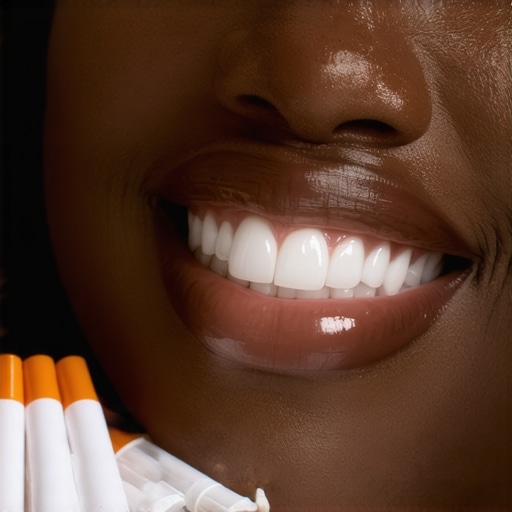
I vividly recall the moment I looked in the mirror and noticed my once-bright smile now tinged with a dull, grayish hue. I had invested so much into veneers, thinking they’d be a lifelong boost to my confidence. Yet, here I was—scrambling for a quick fix, clutching a whitening pen I bought online, desperately hoping it would restore my glow. That lightbulb moment made me realize how confusing and overwhelming the world of dental whitening can be, especially when it comes to veneers. And I couldn’t help but wonder: are these pens even effective on porcelain surfaces, or am I just wasting my time and money? If you’ve ever stood in front of your bathroom mirror, unsure whether to trust those glossy ads promising instant whitening, you’re not alone.
Why We Keep Hope Alive in DIY Teeth Whitening—Even When It Seems Too Good to Be True
Let’s be real—who doesn’t want a sparkling smile without the hefty dental bills? When I first heard about whitening pens, I was intrigued. They promise quick, easy results with just a click and a glide. But as someone who’s spent years navigating family dentistry, veneers, and emerging cosmetic treatments, I knew I needed to get real about what works—and what doesn’t. The truth is, I made a mistake early on by assuming any whitening product could brighten every tooth. I didn’t take the time to research whether these products are suitable for porcelain veneers, which are quite different from natural teeth. That oversight might seem minor, but it can have serious consequences for your smile’s health and appearance.
Is the Hype About Whitening Pens on Porcelain Veneers Just Buzz?*
Many folks, including myself initially, fall for the hype because of clever marketing and glossy before-and-after photos. But here’s a sobering fact: porcelain veneers are resistant to most teeth whitening agents. That means, unlike natural enamel, they won’t respond to typical bleaching or whitening pens. A study published by the American Academy of Cosmetic Dentistry emphasizes that over-the-counter whiteners have little to no effect on porcelain surfaces. The mistake I made was thinking that a pen could fix discoloration or stains on veneers, leading me to waste money and potentially harm my restorations. If you’re considering whitening, it’s crucial to understand the limitations and consult your dentist before diving into DIY solutions. Ready to learn what actually works to maintain that bright, natural-looking smile? Keep reading—our journey into the truth about 2026 whitening pens, veneers, and effective whitening strategies is just getting started.
Mastering Proper Veneer Care
First, understand that porcelain veneers are like delicate, glass-like tiles on a wall—they can chip or stain if not handled carefully. To prevent damage, avoid biting into hard foods like nuts or ice, which can cause chipping. I vividly remember smacking my veneer while biting into an apple—luckily, it was just a small chip that my dentist repaired during a quick visit. Always use your back teeth for tough foods and refrain from using veneers as tools to open packages. Regularly inspect your veneers for chips or rough spots and schedule checkups with your dentist to catch issues early. Proper care extends their lifespan and keeps them looking natural.
Choosing the Right Whitening Strategy
When considering whitening, recognize that over-the-counter gels, strips, or pens are primarily designed for natural enamel, not porcelain veneers. Applying whitening products etched for teeth onto veneers doesn’t change their color; instead, it can cause uneven shading or cause the surrounding natural teeth to become unnaturally bright. For instance, I once used a whitening pen on my veneers—hoping for quick results—but saw no change on the porcelains. Instead, I ended up with uneven tooth shades that brightened my natural teeth but left my veneers unchanged. The most effective approach is to consult your dental professional and consider treatments like professional bleaching or veneer-specific color corrections, which guarantee uniform results. Visiting [Smile Gum Care’s whitening secrets](https://smilegumcare.com/teeth-whitening-secrets-for-a-sparkling-smile-in-2025-at-1248) can give you clearer guidance on what works best.
Optimizing Invisalign Improvements
Invisalign trays function like custom-shaped gloves for your teeth—they need to fit snugly for effective movement. If your trays feel loose or keep slipping, it’s a sign that they aren’t fitting properly, which can delay your treatment. I experienced this firsthand when my trays started slipping during meals; I learned that improper tray fit isn’t just uncomfortable but can extend your treatment time. To fix this, regularly clean your trays with gentle brushing and avoid eating or drinking while wearing them, which can distort their shape. If trays become noticeably loose, your dentist may suggest adjustments or replacing them with new ones. Also, paying attention to attachment placement ensures better grip and predictable tooth movement. For detailed tricks, check out [4 ways to fix stubborn Invisalign attachments](https://smilegumcare.com/4-ways-to-fix-sharp-2026-invisalign-attachments-at-home). Properly fitting trays are vital for achieving that smooth, efficient smile transformation.
Many people believe that veneers, whitening treatments, and Invisalign are almost foolproof options for a perfect smile, but this is a dangerous oversimplification. For example, a widespread myth is that veneers are completely stain-proof and maintenance-free, but in reality, they can stain if proper care isn’t taken, especially from coffee, wine, or smoking. A common mistake I’ve seen is assuming that traditional teeth whitening will automatically match the shade of porcelain veneers, leading to uneven, unnatural results. These misconceptions can cause disappointment and unnecessary expenses when expectations aren’t aligned with reality.
Can high-tech dental innovations truly overcome inherent limitations of veneers and whitening?
In fact, advanced technologies like digital shade matching and laser whitening have improved outcomes, but understanding their capabilities is essential. For instance, laser whitening can effectively brighten natural teeth to match veneers, but it cannot alter the porcelain’s color, emphasizing the importance of planning during the initial cosmetic procedure. According to research published by the Journal of Prosthetic Dentistry, combining digital color control with expert application significantly reduces mismatched shades and enhances longevity. Ignoring these nuances, or believing in quick-fix myths, can lead to costly refittings or replacements. To avoid these pitfalls, always discuss detailed plans and realistic outcomes with an experienced cosmetic dentist—more than just a cosmetic boost, your smile’s health and harmony depend on it. Learn how to simplify veneer choices and manage expectations effectively. And remember, good oral health starts with consistent family dentistry. For tips on creating a truly healthy smile for your loved ones, explore family dentistry tips for your kids.
Another common trap is underestimating the importance of proper veneer maintenance. Many assume that once veneers are placed, no further care is needed, but that’s far from the truth. Even the best veneers can chip or stain prematurely without proper oral hygiene and regular check-ups. For example, I once ignored the warning signs of rough edges on my veneer, which eventually led to a chip. Being proactive in maintenance—like avoiding biting hard foods and using non-abrasive toothpaste—can extend their lifespan significantly. Educating yourself on advanced veneer care techniques bridges the gap between a temporary fix and a lifelong investment. To discover more about preserving your smile, read 4 veneer care mistakes to avoid. Have you ever fallen into this trap? Let me know in the comments.
Maintaining your dental investments, whether they be veneers, whitening treatments, or Invisalign, requires more than just regular brushing. The right tools can make all the difference in preserving your smile’s beauty and function over time. Personally, I swear by high-quality ultrasonic toothbrushes like the Philips Sonicare DiamondClean, which boasts 62,000 brush movements per minute. This level of sonic power effectively dislodges plaque and surface stains without damaging delicate restorations, unlike standard manual brushes. Additionally, I use water flossers such as the Waterpik Aquarius Professional, which effortlessly cleans hard-to-reach areas and helps prevent gum disease that could compromise veneers or prosthetics. Coupling these tools with a fluoridated, non-abrasive toothpaste specifically formulated for restorations, like the Sensodyne Pronamel, has significantly extended my veneer longevity and maintained my whitening results. Looking ahead, the future of dental care seems poised to integrate smart technology—think AI-powered brushes and app-connected monitoring—to provide personalized oral health insights that can flag issues before they become costly. To stay ahead, embracing these innovative tools is essential for consistent, long-term results.
How do I maintain my smile enhancements over time?
Regularly scheduled checkups with your dentist are crucial—they allow early detection of wear, chips, or stains that might otherwise require expensive repairs. Incorporating advanced cleaning devices like ultrasonic toothbrushes and water flossers into your daily routine not only keeps your oral environment healthy but also preserves the integrity of veneers and whitening effects. Furthermore, adopting habits such as avoiding hard foods and non-stick, non-abrasive toothpaste options helps prevent damage. Consistency is key—by maintaining a disciplined routine and staying informed on emerging technologies like AI-based monitoring systems, you can ensure your smile remains radiant for years to come. For instance, a recent study published by the Journal of Clinical Dentistry highlights how AI-driven dental tools are revolutionizing preventative care, enabling personalized maintenance plans that adapt as your oral health evolves. Leverage these insights by trying out a smart toothbrush that provides real-time feedback—it’s a proactive step toward true dental mastery. Want to explore the latest innovations? Visit our contact page to learn more about integrating cutting-edge tools into your routine and keep your smile working its best every day.
What I Wish I Knew Before Trying DIY Whitening on My Veneers
One of the biggest surprises I encountered was realizing that porcelain veneers are resistant to over-the-counter whitening products. I thought I could refresh my smile just like I did with my natural teeth, but I learned the hard way that these products have little to no effect on veneers, which can lead to uneven coloring and frustration. Now, I understand the importance of consulting with a dental professional before attempting any whitening, especially when restorations are involved.
How Personal Experience Transformed My Approach to Veneer Maintenance
After chipping a veneer from biting into something too hard, I discovered that delicate veneers require careful handling and regular checkups. It’s easy to assume they’re maintenance-free, but in reality, consistent care and avoiding hard foods are essential for longevity. This lightbulb moment pushed me to adopt a more mindful routine, including using non-abrasive toothpaste and scheduling routine dental visits to catch issues early.
The Untold Truth About Modern Whitening and Veneer Compatibility
I used to believe laser whitening could seamlessly match my veneers, but I now know these treatments only brighten natural teeth, not porcelain. This misunderstanding caused uneven shades and disappointment. Consulting my dentist about veneer-specific color correction techniques helped me achieve a harmonious, natural look. It’s clear that understanding the limitations—and possibilities—of advanced dental tech is key to a successful smile makeover.
An Unexpected Lesson from Invisalign Use
Wearing Invisalign taught me that tray fit is everything. Loose trays not only slowed my teeth movement but also caused discomfort. Regular cleaning, proper attachment placement, and timely replacements made all the difference. This experience underscored how proactive, attentive care can fast-track results and prevent setbacks. For more insights on optimizing Invisalign, check out 4 ways to fix stubborn Invisalign attachments.
My Biggest Takeaway: Trust the Experts and Invest in the Right Tools
From ultrasonic brushes to water flossers, the right oral health tools can dramatically extend your veneer lifespan and keep whitening results vibrant. Personally, I swear by devices like the Philips Sonicare DiamondClean and Waterpik Aquarius. These tools, combined with the advice in 4 veneer care mistakes to avoid, created a routine that preserved my smile’s beauty and health. Embracing new tech, like AI-powered toothbrushes, is the future of dental care, enabling personalized and proactive maintenance that can save time and money.
Remembering That Smiles Are a Long Game
Finally, my journey has taught me that maintaining a radiant smile isn’t about quick fixes—it’s about consistent, mindful care and trusting your dental team. The upfront effort pays off in lasting confidence and natural beauty. So, don’t shy away from exploring new technologies or asking your dentist tough questions. Your smile deserves that attention. Have you ever tried a product or routine that didn’t work out? Share your experience below—your story might be just what someone else needs to hear.
Leave a Reply