
Transforming Smiles: The Scientific Foundations of Family Dentistry Innovations
In 2024, the realm of family dentistry is experiencing a paradigm shift driven by cutting-edge research and technological advancements, notably in areas such as teeth whitening, Invisalign, and veneers. The integration of evidence-based practices ensures that clinicians can deliver personalized, minimally invasive treatments that maximize both aesthetic appeal and functional longevity.
Why Personalized Dental Care Is Critical in Modern Family Dentistry
Personalized care plans consider genetic predispositions, oral microbiome profiles, and lifestyle factors, enabling practitioners to predict treatment outcomes more accurately. For example, utilizing advanced saliva diagnostics can help tailor whitening protocols that minimize sensitivity while optimizing results, aligning with the latest scientific insights published in the Journal of Dental Research.
Innovative Approaches to Teeth Whitening for Lasting Brightness
Recent developments in bleaching agents and LED activation technologies have significantly enhanced the efficacy and safety of teeth whitening procedures. Customized whitening kits, supported by clinical trials, offer patients a convenient yet powerful way to maintain a radiant smile, with results lasting longer due to improved formulation stability.
Invisalign and Clear Aligners: Evolving Algorithms for Precise Orthodontic Corrections
The advent of AI-driven orthodontic planning software has refined Invisalign’s ability to deliver predictable, comfortable, and discreet smile corrections. These innovations allow for real-time adjustments and better control over tooth movement, reducing treatment times and improving patient satisfaction. The shift towards digital workflows underscores the importance of integrating technology into everyday practice.
Veneers and Cosmetic Enhancements: Achieving Natural Results with Minimal Invasiveness
Porcelain veneers have benefited from advancements in digital impression techniques and material science, resulting in restorations that mimic natural enamel with exceptional translucency and durability. The focus on conservative preparations aligns with the emerging ethos of minimally invasive dentistry, preserving tooth structure while delivering dramatic aesthetic improvements.
What Are the Future Directions for Combining Multiple Cosmetic Treatments to Maximize Results?
Combining treatments such as veneers with Invisalign and whitening can produce comprehensive smile makeovers that are both functional and visually stunning. The challenge lies in sequencing procedures to optimize outcomes, minimize tissue trauma, and ensure long-term stability. Ongoing research explores the synergistic effects of these modalities, emphasizing a multidisciplinary approach.
For practitioners aiming to elevate their expertise, exploring comprehensive guides like Veneers and Cosmetic Enhancements in 2024 can provide valuable insights.
Interested clinicians are encouraged to collaborate and share their experiences to refine these innovative protocols further. Visit our Contact Us page to connect with industry leaders and contribute to the future of family dental care.
Harnessing Technology to Personalize Smile Makeovers
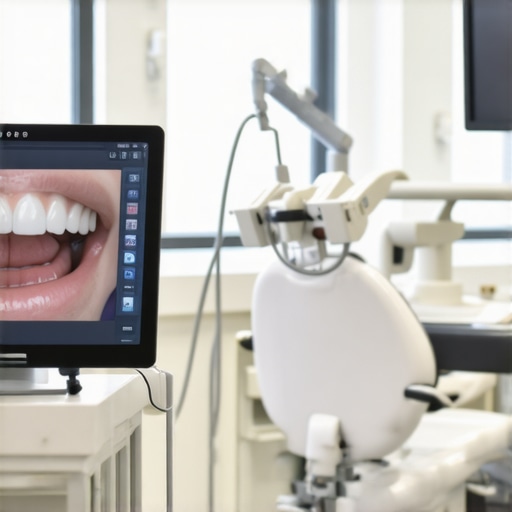
In 2025, the integration of advanced digital diagnostics and AI-driven treatment planning continues to revolutionize family dentistry. Tools like 3D intraoral scanners and predictive analytics enable practitioners to craft highly individualized treatment plans, ensuring optimal aesthetic and functional outcomes. For example, combining digital impressions with virtual smile simulations allows patients to visualize results before committing to procedures, increasing satisfaction and confidence.
Disruptive Innovations in Tooth Whitening and Aesthetic Enhancements
Emerging research highlights the potential of nanotechnology-enhanced whitening agents that deliver faster, safer, and longer-lasting results. These innovations provide tailored solutions for sensitive teeth and stubborn stains, particularly benefiting patients seeking quick yet effective aesthetic improvements. To stay ahead, clinicians should explore resources like Teeth Whitening Secrets for a Sparkling Smile in 2025.
Integrating Orthodontic and Cosmetic Treatments with Minimal Disruption
Combining Invisalign with new-generation veneers and bonding techniques offers comprehensive smile makeovers with minimal chair time and tissue trauma. The key lies in sequencing treatments strategically—addressing alignment issues first, followed by aesthetic refinements—while leveraging digital planning to forecast long-term stability. Such multidisciplinary approaches underscore the importance of continuous education and technology adoption.
What Will Define the Future of Family Dental Care?
As research in biomaterials and regenerative dentistry advances, future treatments may focus on biological approaches—like stem cell therapies—to repair or replace damaged tissues, reducing the need for invasive procedures. The question remains: how can practitioners best integrate these innovations into everyday practice while maintaining safety and affordability?
If you’re eager to enhance your expertise, consider reviewing comprehensive guides like Veneers and Cosmetic Enhancements in 2024 for deeper insights into advanced smile makeover techniques. Sharing your experiences and insights can help shape the future of family dentistry—connect with us through our Contact Us page to collaborate and innovate.
Harnessing the Power of Biomimetic Materials for Superior Restorations
One of the most promising frontiers in advanced family dentistry involves the development and application of biomimetic materials. These innovative substances are designed to mimic the natural properties of dental tissues, leading to restorations that seamlessly integrate with the patient’s existing tooth structure. For instance, recent breakthroughs in adhesive dentistry have produced bioactive composites capable of releasing calcium and phosphate ions, promoting remineralization and reducing secondary caries. Such materials not only enhance durability but also support the biological health of teeth, aligning with the principles of minimally invasive dentistry.
Advanced Digital Workflows Transforming Smile Design
The integration of digital workflows—such as CAD/CAM systems, 3D printing, and virtual simulation—has revolutionized how clinicians approach smile makeovers. These technologies enable unprecedented precision, allowing for the fabrication of restorations that fit perfectly and look natural. Moreover, virtual smile simulations empower patients with a visual understanding of potential results, fostering informed decision-making and higher satisfaction. As software algorithms become more sophisticated, predictive modeling will further optimize treatment planning, reducing chair time and improving long-term outcomes.
Addressing Complex Cases with Regenerative Techniques
Beyond conventional treatments, regenerative dentistry aims to restore lost or damaged tissues using biological methods. Stem cell therapies, scaffold engineering, and growth factor applications are at the forefront of this movement. For example, research published in the Journal of Dental Research highlights successful regeneration of periodontal tissues, a breakthrough that could redefine periodontal therapy. These approaches promise to minimize the need for invasive procedures, improve healing times, and extend the lifespan of restorations, especially in complex cases involving multiple tissue types.
What are the ethical and practical considerations surrounding regenerative therapies in family dentistry?
Implementing regenerative techniques involves navigating complex ethical issues, including patient consent, long-term safety, and cost-effectiveness. Practitioners must stay informed about the latest research, regulatory approvals, and clinical guidelines to ensure ethical practice. Additionally, integrating these advanced therapies requires significant investment in training and equipment, raising questions about accessibility and affordability for diverse patient populations. To stay ahead, clinicians should engage with professional organizations and ongoing education programs dedicated to regenerative dentistry advancements.
If you’re interested in pioneering these innovations, participating in multidisciplinary research collaborations and attending specialized conferences can provide valuable insights and networking opportunities. For more detailed information, explore resources like American Association of Endodontists, which offers comprehensive updates on regenerative techniques and their clinical applications.
The Future of Family Dentistry Will Be Rooted in Personalization and Innovation
As the field continues to evolve, the convergence of biotechnology, digital technology, and materials science will underpin a new era of truly personalized dental care. From genetically tailored treatments to smart biomaterials that respond to the oral environment, the possibilities are vast. Embracing these advancements requires a proactive approach—clinicians must continually update their knowledge base, invest in cutting-edge tools, and foster a culture of innovation within their practices. The ultimate goal remains clear: delivering safe, effective, and aesthetically pleasing outcomes that enhance patients’ quality of life for decades to come.
Revolutionizing Smiles with Next-Generation Biomaterials
The advent of biomimetic dental materials marks a pivotal shift toward restorations that not only mimic natural tooth properties but also actively promote oral health. These bioactive composites, infused with calcium, phosphate, and other remineralizing agents, facilitate tissue regeneration and secondary prevention of caries, embodying the ethos of minimally invasive dentistry. According to a comprehensive review in the Journal of Dental Research, these materials significantly extend the longevity of restorations while supporting biological healing processes.
The Digital Smile Revolution: Precision Meets Personalization
Advanced digital workflows, integrating CAD/CAM technology, 3D printing, and virtual planning, are redefining aesthetic and functional outcomes. These tools enable clinicians to design and fabricate restorations with unmatched precision, aligning with individual anatomical nuances. Virtual smile simulations empower patients by visualizing potential results, fostering informed consent and satisfaction. As software algorithms evolve, predictive modeling will further refine treatment strategies, reducing chair time and enhancing long-term stability.
Stem Cell Breakthroughs Promise Less Invasive Treatments
Regenerative dentistry, harnessing stem cell therapy, scaffold engineering, and growth factors, aims to restore lost tissues naturally. Recent studies in the Journal of Dental Research demonstrate successful periodontal regeneration, hinting at a future where biological repair replaces conventional surgeries. These innovations could revolutionize treatment protocols for periodontal disease, pulp regeneration, and alveolar bone loss, minimizing patient trauma and improving outcomes.
What ethical considerations accompany the integration of regenerative therapies into routine practice?
Implementing regenerative techniques necessitates careful navigation of ethical and practical challenges, including patient consent, safety validation, and cost management. Practitioners must stay abreast of regulatory approvals and long-term safety data, ensuring they adhere to best practices. Investing in specialized training and infrastructure is essential but raises questions about accessibility across diverse populations. Engaging with professional associations and ongoing research initiatives can help clinicians balance innovation with responsibility.
To deepen your expertise, explore resources like the American Association of Endodontists’ regenerative dentistry guidelines and join specialized forums to exchange insights and experiences.
Smart Biomaterials: The Future of Durable and Healthy Restorations
Emerging biomaterials, such as bioactive composites and nanostructured adhesives, are designed to respond dynamically to the oral environment. These materials facilitate remineralization, reduce secondary caries, and improve the lifespan of restorations. Their ability to release therapeutic ions and promote biological integration exemplifies the shift toward restorative approaches that support tissue vitality rather than merely replacing lost structures.
Harnessing Artificial Intelligence for Smile Design Excellence
The integration of AI-powered diagnostic tools and treatment planning software enables clinicians to craft highly personalized smile makeovers. These systems analyze anatomical data, predict treatment outcomes, and suggest optimal sequences, thus minimizing errors and enhancing predictability. As AI algorithms become increasingly sophisticated, they will facilitate real-time adjustments and long-term maintenance planning, elevating the standard of care.
Preparing for a Future Where Biology and Technology Converge
The future landscape of family dentistry will be characterized by a seamless blend of regenerative science, digital innovation, and biomaterials. From genetically tailored therapies to smart restorations that adapt to changing conditions, the potential is vast. Embracing these advances requires a proactive stance—regularly updating clinical knowledge, investing in cutting-edge tools, and fostering collaborative research environments. This dynamic approach aims to deliver treatments that are not only effective and aesthetically superior but also biologically harmonious, ensuring lasting oral health and patient satisfaction.
Expert Insights to Elevate Your Dental Practice
Embrace Multidisciplinary Approaches
Integrate cosmetic, orthodontic, and restorative treatments seamlessly to offer comprehensive smile makeovers, reducing patient visits and enhancing outcomes.
Prioritize Personalization with Technology
Leverage digital diagnostics, AI-driven planning, and virtual simulations to craft tailored treatment plans that meet individual aesthetic and functional needs.
Stay Ahead with Biomimetic Materials
Utilize biomimetic and bioactive materials that promote natural tissue regeneration and extend restoration longevity, aligning with minimally invasive principles.
Implement Regenerative Techniques
Adopt stem cell therapies and tissue engineering to revolutionize treatments for periodontal and pulp diseases, reducing invasive procedures.
Advance Your Knowledge Through Specialized Resources
Engage with authoritative sources such as Journal of Dental Research, American Association of Endodontists, and Smile Gum Care’s comprehensive guides to deepen your expertise and stay aligned with emerging trends.
Curated Expert Resources for Continuous Growth
- Journal of Dental Research – Cutting-edge scientific studies on biomaterials and regenerative techniques.
- American Association of Endodontists – Authoritative guidelines on regenerative endodontics and tissue engineering.
- Smile Gum Care Guides – Practical insights into smile design, veneers, whitening, and digital workflows.
Final Reflection from an Expert
The landscape of family dentistry is transforming rapidly, driven by scientific innovation and technological integration. Embracing multidisciplinary strategies, personalized digital planning, and regenerative materials not only elevates clinical outcomes but also aligns practices with the future of dentistry. As leaders in this field, your proactive engagement with these advancements will define the standard of care for decades to come. Connect with us to share insights, explore advanced resources, and shape the future of family dental care together.
Leave a Reply