
How to avoid the dreaded black triangles after braces
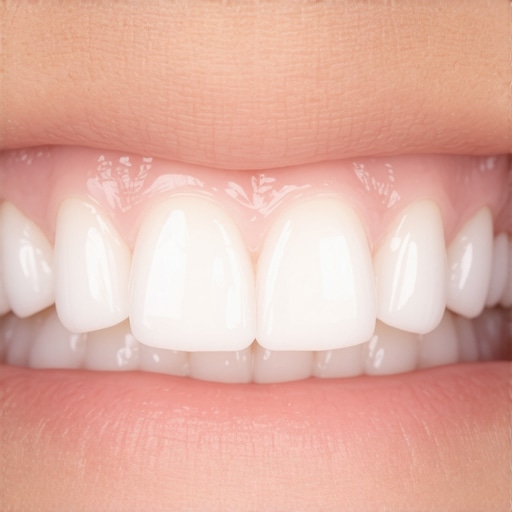
I remember the exact moment my braces finally came off. I had spent two long years dreaming of that reveal day, imagining a Hollywood-perfect row of pearly whites. But when my dentist handed me the mirror, my heart actually sank. My teeth were straight, sure, but there were these tiny, dark, triangular gaps right at the gumline. They call them black triangles, and let me tell you, they felt like absolute craters in my reflection. I felt like I had traded one problem for another, and I was terrified that this was just my new reality. I had been so focused on the alignment that I completely ignored the health of my gums and the physical shape of my teeth. It was a visceral realization that a straight smile isn’t always a perfect one. Today, I want to help you avoid that same sinking feeling. We are going to dive into why these gaps happen and the proactive steps you can take to keep your gum tissue exactly where it belongs.
Stop the Gaps Before They Even Start
One of the biggest mistakes I made early on was being way too aggressive with my oral care. I thought if I brushed harder, I was being ‘better’ at my hygiene. In reality, I didn’t understand why your gums are receding despite brushing twice a day, and I was actually scrubbing away the very delicate papilla tissue that fills the space between teeth. Often, the reason your smile looks uneven after orthodontic treatment isn’t about the bone or the teeth themselves, but the shape of the tooth’s ‘contact point.’ If your teeth are more triangular than rectangular, they only touch at the biting edge, leaving a void at the bottom. This is where a great dentist comes in with a technique called interproximal reduction (IPR), which subtly reshapes the teeth so they sit flush against each other. If you are already seeing a shift, you might be wondering how to fix the small gap that appeared between your front teeth before it becomes a permanent fixture.
Is it actually possible to fix them without more surgery?
I hear this all the time from people who are skeptical about more dental work. The fear is that once the gum tissue is gone, it is gone for good. While it’s true that gums don’t just ‘grow back’ like a haircut, you aren’t stuck. Whether you are using traditional metal brackets or the latest Invisalign innovation, the key is managing the space. According to a study in the Journal of Clinical & Diagnostic Research, nearly 38% of adult orthodontic patients develop some form of gingival embrasures (those black triangles). It is incredibly common, but it is also manageable. For some, the answer is as simple as dental bonding, while others might choose to transform your smile with veneers to close those dark voids and create a more uniform look. Have you noticed any weird shadows appearing between your teeth as they’ve started to straighten out? It is a frustrating hurdle, but you don’t have to just live with it.
How Reshaping Your Teeth Actually Closes the Void
To fix a black triangle, you have to address the geometry of the tooth rather than just moving it. Most people think their teeth are perfect rectangles, but they are actually more like inverted triangles. They touch at the top but leave a gap at the bottom. This is where Interproximal Reduction (IPR) becomes your best friend. Imagine you are trying to push two triangles together side-by-side; they will always have a gap at the base. But if you shave a tiny fraction of a millimeter off the sides to make them flatter, they slide right against each other. When I first saw my dentist pull out a manual abrasive strip, I panicked. It looked like he was about to use a piece of sandpaper on my smile. However, that thirty-second process was the only reason my teeth finally aligned without that ‘gap-toothed’ look. If you are going the clear aligner route, your doctor likely already has these Invisalign secrets in their toolkit to ensure your smile finishes flush. 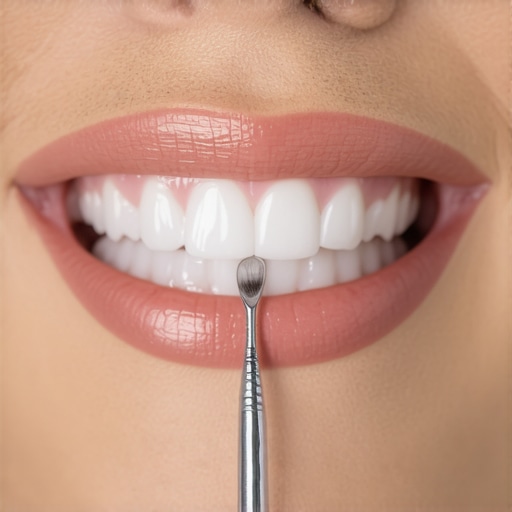
Stop Scrubbing Your Gums to Death
You cannot grow gum tissue back once it is gone, so preservation is the name of the game. I learned the hard way that a heavy hand is a gum’s worst enemy. You need to learn how to tell if your gum recession is caused by over-brushing before the damage becomes permanent. Think of your gums like silk fabric; you wouldn’t use a wire brush to clean a silk tie, so don’t do it to your mouth. Use a soft-bristled brush and hold it with just two fingers to ensure you aren’t applying too much pressure. This is especially vital if you are also trying to maintain a bright look, as many people overcompensate when using teeth whitening secrets and end up irritating the tissue further.
When Veneers and Bonding Step In to Save the Day
If the gaps are too large for simple reshaping, you have to add material back to fill the void. This is where veneers made simple come into play. Bonding is like using wood filler to fix a chip in a table—it’s quick and effective, but it can stain over time. Veneers, on the other hand, are like installing high-end custom cabinetry. They are durable and cover the entire front of the tooth, essentially masking the black triangle behind a new porcelain wall.
Keep Your Restorations Feeling Smooth
Once you have these fixes in place, the texture and margin fit matters. If you notice why your veneers feel like they are catching on your tongue, it usually means the transition where the material meets the gum isn’t perfectly polished. This is a common hurdle, but it is easily fixed with a quick trip to the office for a final buffing. You must also adjust your daily routine; specifically, you have to stop brushing your veneers like they are real teeth. Abrasive toothpastes that claim to scrub away stains will actually dull the finish of your expensive new smile. Stick to non-abrasive gels to keep that shine alive and your gum line stable.Let’s dig deeper into the stuff that usually gets glossed over in the brochure. I’ve seen so many people start their journey with Invisalign innovation thinking that as long as the trays are in most of the time, the results are guaranteed. But here is the contrarian truth: consistency beats intensity every single time.
Why Your 18-Hour Aligner Habit is Quietly Sabotaging Your Results
Most patients think that hitting 18 hours is ‘good enough,’ but there is a biological tipping point. The problem with wearing your aligners for only 18 hours a day is that your teeth spend six hours drifting back toward their original position. You aren’t just slowing down progress; you are creating a ‘tug-of-war’ that can actually lead to root resorption if you aren’t careful. It’s better to be militant for 22 hours than to play catch-up later. Have you ever fallen into the ‘I’ll just leave them out for this long dinner’ trap? Let me know in the comments.
Why Do My Teeth Look Gray Instead of Bright White After Whitening?
This is the ultimate ‘advanced’ frustration. You spend money on the ultimate guide to teeth whitening options, but instead of a Hollywood glow, your teeth look dull or translucent. This usually happens because your enamel is naturally thin. When you over-whiten, you strip away the surface brightness and reveal the dark shadows of the mouth behind the tooth. Understanding why your teeth look gray instead of yellow and how to fix it is key before you dump more chemicals on your smile. If you do go for the high-strength gels, you have to know how to manage the zingers after a professional whitening session, as that sharp nerve pain is a signal that your tubules are wide open. #IMAGE_PLACE_HOLDER_C#
The Trap of Choosing the Whitest Possible Shade for Your Veneers
We’ve all seen it: the ‘piano key’ smile. When you transform your smile with veneers, the biggest mistake is picking a shade that doesn’t exist in nature. In my experience, ‘Bleach 1’ often looks like plastic under office lights. You need to know how to stop your veneers from looking too white and fake by matching the translucency of the incisal edge to your eye’s sclera. Also, never ignore the ‘oops’ factor of existing dental work. The mistake of using whitening strips on dental bonding is a classic error. According to the Journal of Esthetic and Restorative Dentistry, whitening agents cannot change the color of resin composites. If you whiten around a filling, that filling will suddenly look like a dark stain against your newly brightened enamel. It’s these tiny nuances that separate a ‘done’ smile from a naturally beautiful one.Once you have finally navigated the hurdles of alignment and whitening, you hit the most dangerous phase: the maintenance plateau. Most people think the hard work ends when the final tray is tossed or the last veneer is polished, but that is exactly when the ‘relapse’ clock starts ticking. I have seen countless people invest thousands into an Invisalign innovation only to watch their teeth drift back six months later because they treated their retainer like a suggestion rather than a rule. If you are a parent, you already know the struggle of how to get your teen to wear their retainer without constant nagging, but the truth is, adults are often just as guilty.
The One Tool That Saved My Clear Aligners From Getting Gross
I used to spend twenty minutes a day scrubbing my trays with a soft toothbrush, only to realize I was creating micro-scratches that actually trapped more bacteria. Now, I swear by a dedicated ultrasonic cleaner. These devices use high-frequency sound waves to create cavitation bubbles that blast away biofilm without any manual abrasion. It is the same tech used in labs, and it is a game-changer for avoiding that murky, yellow look. According to a study in the Journal of Prosthetic Dentistry, ultrasonic cleaning is significantly more effective at reducing Staphylococcus aureus colonies on dental appliances than manual brushing alone. When you aren’t using them, you need to master the best way to store your clear aligners when you aren’t wearing them to prevent environmental warping. 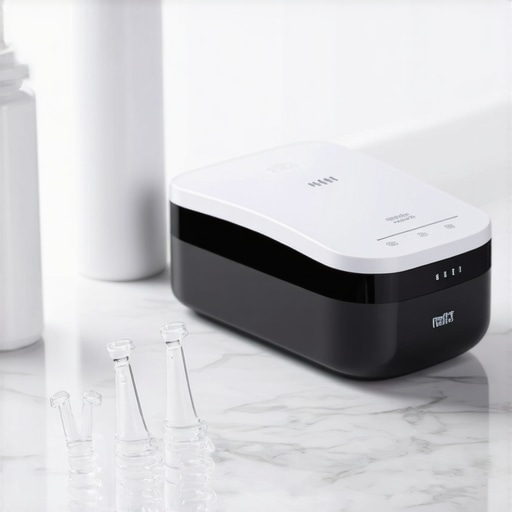
How do I maintain my results over the long haul?
Maintenance isn’t just about the teeth; it is about the hardware and the habits. If you have shifted toward family dentistry building healthy smiles for every generation, you know that what works for your veneers won’t work for your kid’s braces. For those of us with restorative work, I highly recommend a high-end water flosser. It is the only way to ensure you are removing popcorn hulls from under a bridge or cleaning the margins of your veneers without snagging a thread. You also have to be hyper-vigilant about hygiene if you use night guards. Learning how to properly clean a night guard to prevent bacterial buildup will save you from persistent bad breath and localized gum inflammation.
Where Your Smile Technology is Headed in 2026 and Beyond
I predict we are about to see a massive shift toward ‘active’ retainers—devices embedded with micro-sensors that sync to your phone to track wear-time and even detect early signs of bruxism (grinding). We are moving away from reactive dentistry and toward a world where your bathroom mirror might tell you if your enamel is thinning before you even feel a ‘zinger.’ For now, the best advanced tip I can give you is this: switch to a pH-neutral, non-abrasive foaming cleanser for your dental appliances instead of toothpaste. Toothpaste is meant for enamel, not for the high-tech resins used in modern dentistry. Give your smile the specialized care it deserves, and it will actually last long enough to be worth the investment.
What My Dentist Didn’t Mention About the Post-Braces Glow Up
The biggest hurdle isn’t the physical movement of the teeth; it’s the mental shift of accepting that a healthy smile has character. When those black triangles appeared for me, I realized that I had focused so much on the ‘straight’ part that I forgot about the ‘health’ part. First, remember that gum tissue is delicate—if you try to force it to grow back by scrubbing, you’ll only make it worse. Second, the color of your teeth isn’t a permanent badge; it changes with your habits. If you love your Malbec, you need to know the only way to get red wine stains off your enamel without scrubbing to avoid damaging your work. Lastly, don’t let the fear of ‘fixing’ something stop you from enjoying the results. Modern dentistry is incredibly forgiving if you are proactive.
The Must-Have Gear to Protect Your Investment
I’ve spent a small fortune on dental work, and I’ve learned that the cheapest tool is often the one that saves the most money. I cannot recommend an ultrasonic cleaner enough for anyone wearing aligners or retainers. It’s the difference between a tray that stays clear and one that looks like it’s been through a swamp. #IMAGE_PLACEHOLDER_E# You should also learn how to clean the stubborn gunk out of your night guard or retainer properly using non-abrasive tablets. If you have a fixed wire, make sure you know how to clean plaque off a permanent retainer wire so you don’t end up with localized gum issues. These small habits are what keep your invisalign results looking fresh years later.
Your Smile is Your Signature
Ultimately, the journey to a confident smile is a personal one. Whether you chose veneers to close gaps or spent months with clear aligners, the goal is to feel like the best version of yourself. Dental technology is moving fast, and ensuring family dental care what parents need to know in 2025 will be just as much about preventative tech as it is about traditional cleanings. Don’t be afraid to ask for that final polish or a shade adjustment. You deserve a smile that makes you want to show it off to the world. Have you ever dealt with a surprise ‘black triangle’ or a stubborn stain that just wouldn’t budge? Let me know below!