How to brush a toddler’s teeth when they won’t open their mouth
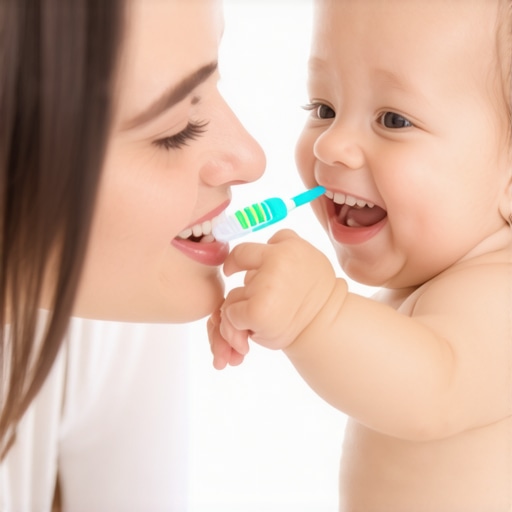
I remember the sweat dripping down my forehead as I tried, unsuccessfully, to pry my two-year-old’s jaw open with the precision of a jeweler and the desperation of a marathon runner. There was toothpaste on the mirror, the cat was hiding under the sofa, and my son was treating a soft-bristled brush like it was a glowing hot poker. I felt like a total failure. I wondered if I was the only parent on the block who couldn’t perform basic hygiene on a tiny human without it turning into a three-act drama. If you’ve ever found yourself negotiating with a toddler—offering extra stories or five more minutes of cartoons just for thirty seconds of scrubbing—I promise you, I’ve been right where you are.
Why Your Toddler Sees a Toothbrush as an Enemy
It’s easy to think they’re just being defiant, but for a little kid, having a foreign object shoved into their mouth is a huge invasion of their personal space. Early on, I made the massive mistake of trying to ‘power through’ it, essentially forcing his mouth open. All that did was make him associate the bathroom with stress, which is the last thing you want when you’re trying to establish family dentistry habits that last a lifetime. We need to pivot from ‘enforcement’ to ‘engagement’ before they start fearing the chair at the local clinic. According to the American Academy of Pediatrics, early childhood caries are the most common chronic disease in children, yet they are almost entirely preventable. This makes the stakes feel high, but pressure is the enemy of progress here.
Is Forcing Their Mouth Open Actually Traumatizing Them?
Many parents worry that if they don’t get every nook and cranny right now, their kid will end up with a mouthful of fillings before kindergarten. While oral health is vital, the psychological hurdle of a ‘clamped jaw’ is often about control. We are going to look at how to give that control back to them without sacrificing their enamel. Have you ever felt like you were losing the ‘toothbrush war’ before it even started? I want to show you the tricks that turned our mornings from a wrestling match into something—dare I say—almost fun. We’ll even touch on how to manage things like soothing a toddler’s teething pain at night, which often makes them even more sensitive to brushing.
The Secret Sauce of ‘Stealth’ Brushing
The goal isn’t just to get the brush in; it’s to keep it there long enough to actually do some good. We often focus so much on the ‘no’ that we forget to look for the ‘yes.’ Before we dive into the specific games and tools, you need to understand that your toddler isn’t broken—their ‘no’ is just a sign they want autonomy. Once I realized that, everything changed and we could finally stop worrying about why their breath smelled bad despite our best efforts.
Give Them the Steering Wheel
Imagine you are sitting in the passenger seat and a stranger is grabbing the steering wheel while you’re driving. You would probably slam on the brakes, right? That’s exactly how a toddler feels when you come at them with a plastic stick. To break the cycle, you have to offer choices that provide a sense of control. Don’t ask, ‘Do you want to brush your teeth?’ because the answer is always no. Instead, ask ‘Do you want the blue brush or the yellow one?’ or ‘Do you want to brush in the bathroom or on the kitchen floor?’ By offering two acceptable options, you are ensuring family dental care stays on track while letting them feel like the boss. This shift in power is like giving them the keys to the car; they are much more likely to go along for the ride if they think they’re driving.
Let Your Kid Be the Dentist First
I remember one particularly rough Tuesday where I was exhausted and ready to give up. My daughter was in full ‘clamped jaw’ mode. On a whim, I handed her my own toothbrush and told her it was my turn to get a cleaning. Her eyes lit up. She spent the next three minutes enthusiastically ‘brushing’ my front teeth—it was messy, and I definitely got toothpaste on my chin, but it broke the tension. Once she had finished her ‘job’ on me, she was surprisingly willing to let me have a turn on her. We often expect them to sit still for a procedure they don’t understand, but letting them role-play removes the mystery. It’s the same logic behind why the trick to getting your toddler to open wide for the dentist often involves letting them touch the equipment first.
Use the ‘Animal Rescue’ Strategy
Think of their teeth not as bone, but as little characters that need help. I tell my son that there are tiny ‘sugar bugs’ or ‘sleepy lions’ hiding in the back of his mouth that need to be rescued. We make sound effects—roaring for the molars and squeaking for the incisors. This turns a chore into a mission. If you’ve ever invested in teeth whitening secrets for a sparkling smile, you know that the effort is worth the aesthetic result, but for a child, the ‘result’ is just a happy story. Using a narrative helps them tolerate the brush being in those hard-to-reach spots where plaque loves to hide.
Don’t Panic About the Paste
A common point of friction is the flavor or the texture of the toothpaste itself. Many kids find the standard ‘cool mint’ to be physically painful or overwhelming. If they are fighting the brush, it might just be because they hate the taste. Switching to the best toothpaste for kids who hate the taste of mint can be an overnight game-changer. Also, keep the amount tiny—think the size of a grain of rice. This reduces the mess and makes it much easier to manage if you are worried about how to stop your toddler from swallowing fluoride toothpaste. If they are currently grinding their teeth during their afternoon nap, the extra sensitivity might make them even more picky about textures, so keep the brush soft and the paste mild.
Wait, before you double down on your ‘scrubbing’ technique, let’s look at what most parents—and even many adults—get fundamentally wrong about family dentistry. Everyone says you need to brush harder to get the grime off, but in my experience, aggressive scrubbing is the fastest way to damage developing enamel. I’ve seen parents so focused on cleanliness that they accidentally cause ‘toothbrush abrasion.’ If you notice your child’s gum line looking a bit high or red, you should learn how to tell if your gum recession is caused by over-brushing before the damage becomes permanent. It’s a common trap: we equate physical effort with hygiene, but the bacteria we are fighting are microscopic; they don’t need a jackhammer, they need a gentle sweep.
Why do some ‘clean’ teeth still have mysterious white spots?
Many parents panic when they see a chalky patch on a new molar, assuming it’s a cavity. However, it’s often not about what you *didn’t* brush, but about the mineralization process itself. You have to be able to distinguish between decay and developmental marks. Knowing how to tell if a white spot on your tooth is a cavity or just a mark can save you an emergency trip to the clinic. According to the American Dental Association (ADA), these spots can sometimes be caused by hypocalcification, where the enamel is thinner than usual, requiring a completely different approach than a standard filling. This is a nuance often missed in basic parenting blogs.
If you are also managing your own aesthetic upgrades, don’t make the mistake of treating them like natural bone. For instance, you must stop brushing your veneers like they are real teeth because abrasive pastes can dull the expensive glaze that gives them that natural shine. Even if you’ve invested in professional treatments, you might wonder why your professional whitening didn’t work as well as last time; often, it’s because the ‘hidden’ factor of tooth porosity and hydration was ignored. When we talk about ensuring family dental care for the long haul, we have to look past the surface-level advice. Have you ever fallen into this trap of trying too hard and causing more harm than good? Let me know in the comments. We’re all learning as we go!
Once you’ve moved past the initial chaos of toddler tantrums, you enter the ‘maintenance phase,’ which is where the real magic happens. I used to think a generic toothbrush was fine, but after seeing how much plaque stayed behind, I switched my whole family to smart electric brushes with pressure sensors. If you have older kids or you’re personally using discreet Invisalign secrets to straighten your teeth, you know that the hardware requires its own level of care. You can’t just toss your trays in a drawer and hope for the best. You need to know how to stop your clear aligners from turning yellow over time to keep that ‘invisible’ look actually invisible. I personally use a dedicated ultrasonic cleaner for my night guard and aligners because manual scrubbing often creates micro-scratches where bacteria love to hide. It’s one of those family dentistry tips that sounds like overkill until you see how much cleaner your breath is in the morning.
How do I keep my smile looking fresh as the years go by?
Long-term results for things like professional whitening or porcelain work aren’t about one-off treatments; they are about daily defense. According to a study published in the Journal of Clinical Periodontology, sonic power toothbrushes are significantly more effective at reducing gingival inflammation and removing plaque than manual alternatives over a long-term period. This is especially vital if you’ve followed expert tips for veneers, as gum health dictates how long those veneers will look natural. If your gums recede, you might start seeing dark lines at the base. To prevent this, I also suggest looking into teeth whitening secrets for a sparkling smile in 2025 that focus on sensitivity management. Don’t just blast your teeth with peroxide; use a systematic approach that maintains the enamel’s integrity while lifting stains.
The Future of Family Dental Tech is Already Here
Looking ahead, I predict we are going to see a massive shift toward personalized, AI-driven oral health monitoring in the home. We are already seeing brushes that sync to your phone to show you exactly where you’ve missed a spot in real-time. This precision is mirror-imaged in the clinical setting, which is the real reason Culpeper dentists are swapping traditional x-rays for 3D scans. This tech makes it easier to spot issues before they require a drill. For the parents out there, I highly recommend investing in an ultrasonic cleaner for any removable dental appliances. It removes the ‘gunk’ that a brush simply can’t reach, and you can find expert advice on cleaning your night guard to make sure you aren’t soaking your expensive dental work in harsh chemicals that could degrade the material. Take five minutes tonight to audit your family’s toothbrushes; if the bristles are flared or you’re still using a manual brush without a pressure sensor, make the upgrade to a sonic model—your gums will thank you within a week.
The Hardest Lesson I Learned While Prying a Toddler’s Jaw Open
The biggest lightbulb moment for me wasn’t about a specific brush or a flavored paste; it was realizing that consistency beats perfection every single time. In those early days, I was so stressed about hitting every surface of every tooth that I turned the bathroom into a high-pressure zone. Once I accepted that a ‘good enough’ thirty-second session where he laughed was better than a ‘perfect’ two-minute session where he cried, his resistance melted away within a week. I also learned that toddlers are natural mimics. If they don’t see you enjoying your own routine, they won’t value theirs. Now, we brush together, and he sees me prioritizing my family dentistry building healthy smiles for every generation habits just as much as his. Lastly, don’t underestimate the power of the ‘check-up.’ I let him ‘inspect’ my teeth with a little flashlight first, which makes him feel like an equal partner in the process rather than a patient.
My Go-To Resources for a Sparkling Family Smile
If you want to move beyond the basic drug-store aisle, here are a few things I personally swear by. First, an ultrasonic cleaner is a non-negotiable if anyone in the house wears a retainer or night guard; it’s the only way to get clinical-level cleanliness without scrubbing. You should definitely check out these tips on how to properly clean a night guard to prevent bacterial buildup to see what I mean. Second, for the adults looking to refresh their own look after the toddler years, I highly recommend browsing the ultimate guide to teeth whitening options in 2025 to find a solution that fits a busy parent’s schedule. Finally, I always keep a high-quality, soft-bristled sonic brush on hand—the pressure sensors are life-savers for preventing gum recession.
Stop Fighting the Brush and Start Building a Legacy
At the end of the day, you aren’t just cleaning teeth; you are teaching your child how to care for themselves. It’s about more than avoiding cavities; it’s about confidence. When you focus on ensuring family dental care is a positive, shared experience, you’re setting them up for a lifetime of health. If you ever feel stuck or notice something that doesn’t look quite right, don’t hesitate to reach out and contact us for professional guidance. You’ve got this, and those tiny teeth are in good hands. What is the one ‘game’ or trick that finally worked for your little one? Let me know in the comments below!