
How to stop your toddler from swallowing fluoride toothpaste
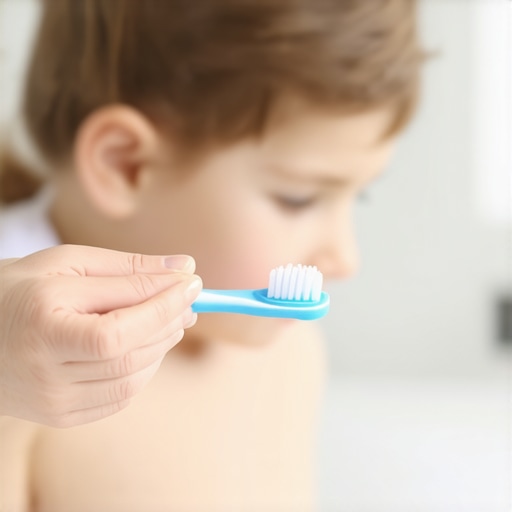
I will never forget the morning I caught my two-year-old sucking on the toothpaste tube like it was a juice box. It was a full-on feast of “Sparkle Mint,” and my heart sank. I knew that “Keep out of reach of children” warning on the back of the tube was not just a suggestion. I felt like a total failure as a parent. In those early days of ensuring family dental care, I made the classic mistake of letting him hold the tube while I turned my back to grab a towel. Big error. Today, I am going to show you how to break the habit of swallowing fluoride without making your morning routine feel like a high-stakes hostage negotiation. We are going to reclaim your bathroom peace and keep those tiny teeth safe once and for all.
Stop the Toothpaste Snacking Before It Starts
One of the biggest hurdles we face is that fluoride toothpaste is basically designed to taste like candy to a toddler. It is a design flaw, honestly. When I was first navigating family dentistry basics, I used way too much paste. I thought a “pea-sized” amount was fine, but for a toddler who hasn’t mastered spitting, that is a recipe for a stomach ache. According to the American Academy of Pediatrics, parents should use only a smear the size of a grain of rice for children under three. Once I switched to that tiny amount, the swallowing problem became much less of a health panic. But getting them to actually brush and spit? That required a few creative tricks I learned through trial and mostly error.
Is swallowing a little fluoride really that dangerous?
It is the question that keeps us up at 2 AM. You see the warning on the back of the tube and wonder if one swallowed glob means a trip to the emergency room. While a tiny amount won’t typically cause an immediate emergency, the real long-term risk is dental fluorosis—unsightly white spots on the permanent teeth that haven’t even erupted yet. I have talked to many parents who worry about white spots on adult teeth later on, and often it traces back to these early swallowing habits. Have you ever felt that sudden surge of panic when you see your kid gulping down the minty foam? You are definitely not alone, and it is a hurdle almost every parent I know has faced. We need to focus on the “spit” part of the routine as a game rather than a chore.
Make Spitting a Competitive Sport
To a toddler, the concept of spitting out something that tastes like strawberry shortcake is completely illogical. You have to gamify the process. I started by introducing ‘target practice’ into our nightly routine. I would take a small piece of brightly colored plastic or even just a drop of food coloring and place it near the drain. The goal was for my son to hit the ‘bullseye’ with his toothpaste foam. It transformed a health lecture into a game of skill. If you find your child is still struggling to open up for the task, you might need to use the trick to getting your toddler to open wide for the dentist, which involves gentle physical cues to help them maintain the right position while they aim for the drain.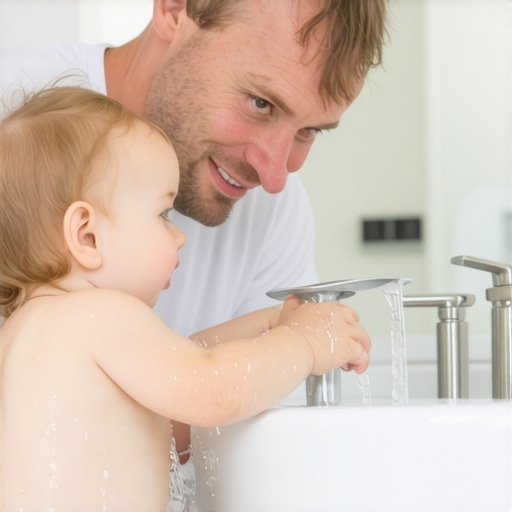
Practice Spitting with Plain Water First
Don’t start the lesson with a mouthful of sticky paste. I spent three solid days just practicing with sips of water. We stood over the sink together, and I would make a loud ‘Puh!’ sound to show him the force needed. My daughter actually learned this faster because she loved imitating the ‘puffer fish’ face I would make. One evening, she got so excited about her progress that she managed to spray water all over my clean work shirt. It was a soggy mess, but that was the moment it clicked for her. Once they can move water from their mouth to the sink without swallowing a drop, you can introduce the smallest smear of paste. If they forget and swallow, go back to water. This incremental training is vital for family dentistry tips creating a healthy smile for your kids at 0915 and avoids the frustration of constantly policing the tube.
Choose a Flavor That Is Not a Dessert
If your toothpaste tastes like a candy bar, your child will treat it like one. When I was dealing with my son’s ‘Sparkle Mint’ obsession, I realized I was setting him up for failure. I switched to a very mild, almost flavorless toddler paste. It wasn’t ‘yucky,’ but it certainly wasn’t something he wanted to snack on. You can find options like the best toothpaste for kids who hate the taste of mint that provide the necessary protection without being a culinary temptation. This simple swap reduced his urge to swallow by about 80% overnight because the ‘reward’ for swallowing was gone.
Use the Rice Grain Measurement Method
The amount of toothpaste you use is your primary safety net. When parents talk to me about why your childs front teeth have white spots on them 2, the conversation often turns to how much fluoride they were ingesting as toddlers. Think of the toothpaste as a high-potency medicine rather than a soap. For a child under three, you should barely see the paste on the bristles. It should be a thin smear, no larger than a grain of rice. This way, even if they fail the ‘spit test’ and swallow the whole lot, the total amount of fluoride is so negligible that it won’t cause systemic issues. I used to let my kids ‘help’ put the paste on, but after the juice box incident, I reclaimed total control over the tube until they were five. Control the dosage, and you control the risk.We often think that once the toddler stage of swallowing toothpaste is over, we’ve cleared the biggest hurdle in oral health. However, as my kids grew and my own interest in cosmetic dentistry peaked, I realized that the “more is better” mentality is actually our next great enemy. Most people believe that to get the brightest possible smile, you need the harshest scrub or the highest concentration of peroxide gel. In my experience, aggressive at-home whitening is the quickest way to ruin your enamel and cause permanent sensitivity. While we all want a “movie star” look, overdoing it can lead to a translucent appearance that looks anything but healthy. If you are chasing a brighter look, it is vital to understand teeth whitening secrets for a sparkling smile in 2025 at 1248 before you pick up a high-acid DIY kit.The real trap in modern family dentistry is thinking that cosmetic fixes like veneers or Invisalign are “set it and forget it” solutions. For instance, I have seen many patients get beautiful porcelain work and then continue to brush their teeth with abrasive charcoal pastes. This is a massive mistake. You need to stop brushing your veneers like they are real teeth because you can actually micro-scratch the porcelain finish, making them look dull and prone to surface stains over time. It is a nuance that even the most diligent parents miss while trying to balance ensuring family dental care for everyone in the household.
Why do your teeth look gray instead of white after whitening?
This is the advanced question I get all the time. If you over-whiten, you might be stripping away too much enamel, which makes the tooth so thin it reflects the darkness of the back of your mouth. This is why why your teeth look gray instead of yellow and how to fix it is a much more common search term than you would think. According to a study published by the American Academy of Cosmetic Dentistry, over-bleaching can lead to “pulpal irritation” and a breakdown of the tooth’s prismatic structure. It is not just about the color; it is about the structural integrity of your smile.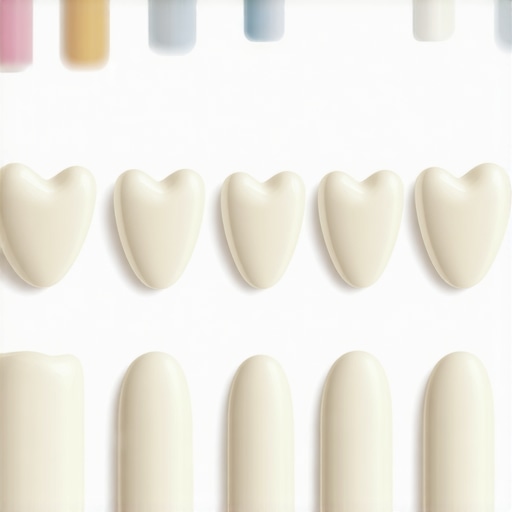 The same logic applies to modern orthodontic choices like Invisalign innovation. Many believe clear aligners are only for simple spacing issues, but the technology now handles complex malocclusions. The hidden nuance here is the hygiene of the attachments. If you do not clean around those little composite bumps correctly, you are sealing bacteria against your teeth for 22 hours a day. I have seen families invest thousands in clear aligners only to end up with cavities because they ignored the specific cleaning protocols for the attachments. You must know how to remove aligner attachments without damaging your enamel to ensure your long-term health matches your new aesthetics. Have you ever fallen into this trap of “over-cleaning” or choosing a cosmetic shade that was just a bit too bright for your complexion? Let me know in the comments. If you are currently weighing your options, checking out veneers vs crowns which is right for your smile can help you avoid a very expensive mistake.
Maintaining that initial investment in your smile isn’t just about brushing; it is about using the right gear for the job. For years, I used a manual brush because I thought I was being thorough, but my dentist pointed out that I was actually scrubbing my gums away. I finally invested in the Oral-B iO series because of its pressure sensor—it literally turns red if I am pressing too hard. This is the only way I have been able to navigate how to tell if your gum recession is caused by over-brushing before it becomes a surgical problem. If you are serious about family dentistry building healthy smiles for every generation, getting the whole house on high-quality electric brushes that track your coverage is the single best move you can make.
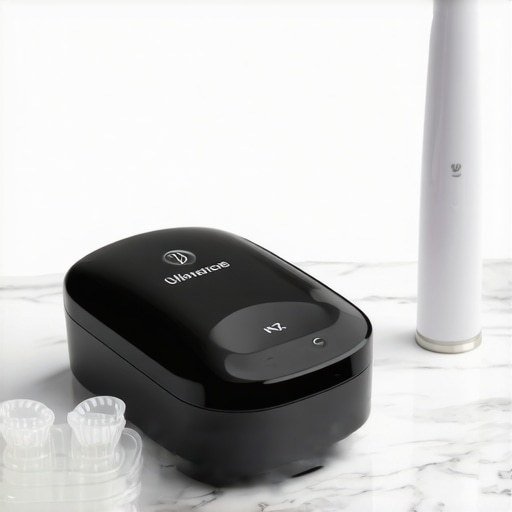
When it comes to Invisalign secrets achieving a perfect smile discreetly, the biggest hurdle is the “funk” that develops after a few weeks. I found that cleaning tablets alone didn’t always cut it. I started using a small ultrasonic cleaner—the kind usually reserved for jewelry—and it was a total game-changer. It uses high-frequency sound waves to create cavitation bubbles that blast away debris in the tiniest crevices of your aligners without me having to scrub them with a brush. Scrubbing often leaves microscopic scratches that trap even more bacteria, so this is the most effective way I’ve found to learn how to stop your clear aligners from turning yellow over time. This tech-heavy approach is at the heart of Invisalign innovation, ensuring your treatment stays as invisible as possible.
How can I make my dental work last a decade?
The secret is staying far away from the “whitening” aisle at the drugstore once you have porcelain. According to a report by Dr. George J. Christensen in Clinical Oral Investigations, the long-term success of veneers depends heavily on the ‘micro-gap’ at the margin and the abrasive nature of the maintenance tools used. Most whitening toothpastes are incredibly abrasive, scoring high on the RDA (Relative Dentin Abrasivity) scale. If you use them on veneers, you will eventually see why your porcelain veneers look dull after five years of wear. Instead, stick to a low-abrasive gel. You want to follow transform your smile with veneers expert tips like using a water flosser to flush out the margins. If you are still deciding between veneers vs crowns which is right for your smile, remember that both require you to be a “soft-pick” convert to protect the delicate tissue at the base of the restoration.
Looking forward, the high-tech smile revolution is already moving toward 100% digital workflows. We are already seeing the real reason culpeper dentists are swapping traditional x-rays for 3d scans; it is because the accuracy allows for a better fit for everything from simple crowns to complex full-mouth reconstructions. In the near future, I suspect we will have AI-powered apps that scan your teeth via your smartphone to tell you exactly when your gum health is dipping. My advice? Go check the RDA score of your current toothpaste right now. If it is over 70, swap it for a non-abrasive version immediately to protect your enamel and your investment for the long haul.
The Hard-Earned Truths from My Dental Disaster Survival Kit
Reflecting on that “Sparkle Mint” morning, I realized that parenting is often just a series of course corrections. One lightbulb moment for me was discovering that fluoride isn’t the enemy—it’s the delivery system. If you’ve ever stressed about why your child has white spots on their new adult teeth 2, know that it’s the cumulative exposure that counts. I also learned that professional results require professional maintenance. You can’t get a million-dollar smile and keep it with a five-cent routine; consulting the ultimate guide to teeth whitening options in 2025 taught me that timing and pH balance are more important than the strength of the bleach. Lastly, don’t ignore your gums while chasing white teeth. If you see why your gums are receding even though you brush every day, it’s usually a sign that your technique, not your effort, is the problem.
My Personal Arsenal for a 10-Year Smile
To keep my family’s dental health on track, I rely on a few non-negotiable tools. First, a high-quality water flosser is essential for anyone with veneers or bridges; it gets where string simply cannot reach. Second, I always keep a bottle of pH-neutralizing mouthrinse on hand for after acidic meals—it’s a secret weapon for enamel protection. Third, for those of us with clear aligners, an ultrasonic cleaner is the only way to avoid the dreaded “aligner funk.” If you are feeling overwhelmed by the choices, reaching out to contact us for a personalized plan can save you years of trial and error.
#IMAGE_PLACEHOLDER_E#
Your Journey to a Safer, Brighter Smile Starts Now
The transition from “toothpaste snacking” toddlers to teens with clear aligners happens faster than you think. By mastering these small habits today—like the rice-grain measurement and the puffer-fish spit—you are laying the groundwork for a lifetime of confidence. Don’t let a few early mistakes discourage you; ensuring family dental care is a marathon, not a sprint. Take it one brush at a time, and remember that a healthy smile is the best gift you can give your kids.
Have you ever had a toothpaste-swallowing scare or a whitening mishap that changed how you handle your morning routine? Let me know in the comments below!