
How to Clean a Retainer Without Special Tablets
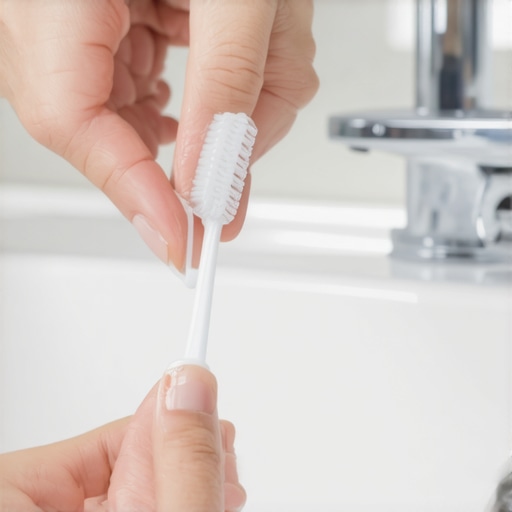
Ever had that moment where you reach for your retainer, only to find it smudgy, cloudy, or with a strange smell? I vividly remember my own lightbulb moment—dipping my retainer into a bowl of warm water, only to watch it turn a dull white and become crusty over time. It was gross enough to make me rethink my entire cleaning routine. That frustration led me on a quest to find effective ways of keeping my retainer clean without relying on those pricey special tablets.
Why Keeping Your Retainer Clean Matters More Than You Think
Your retainer isn’t just an accessory—it’s a crucial part of maintaining your smile. Bacteria, plaque, and food particles can accumulate quickly if not cleaned properly, leading to bad breath, gum issues, and even cavities underneath the device. Interestingly, a study from the American Dental Association shows that poor retainer hygiene can lead to an increase in oral health problems, including cavities and gum disease. Knowing this, it’s clear that regular cleaning isn’t just about appearance; it’s about protecting your overall dental health.
Is Simple Cleaning Enough to Keep Your Retainer Fresh?
When I first started cleaning my retainer, I mistakenly believed that just rinsing with water was sufficient. I later realized that neglecting proper cleaning could cause buildup and odor over time. I’ve also made the mistake of using harsh chemicals, thinking they would disinfect better, only to damage my retainer. Through trial and error, I discovered that straightforward methods—like brushing with toothpaste or soaking in natural solutions—can be surprisingly effective. And the best part? You don’t need special tablets or overly complicated routines to keep your retainer looking and smelling fresh. Ready to learn some simple, reliable techniques? Let’s dive into practical ways you can maintain your retainer’s cleanliness naturally.
Start with Daily Rinsing and Brushing
Immediately after removing your retainer, rinse it under lukewarm water to wash away surface debris. Use a soft-bristled toothbrush and non-abrasive toothpaste or a specialized retainer cleaner to gently scrub all sides. I once forgot to brush mine after breakfast, leading to a cloudy film the next morning. That experience taught me the importance of routine cleaning, preventing buildup and odors. Be consistent—this simple step is your first defense against grime.
Use Natural Soaking Solutions for Deep Cleaning
Mix a solution of equal parts white vinegar and water, then submerge your retainer for about 15-20 minutes. This helps break down plaque and mineral deposits without harsh chemicals. I remember soaking mine in this solution after noticing a slight smell; the vinegar’s acidity effectively neutralized odors, leaving my retainer fresh. For a gentler option, bicarbonate of soda can also be added for a fizzy cleaning action. Regular soaking keeps your device transparent and odor-free, resembling the clarity of a new veneer.
Maintain Consistency and Proper Storage
Always store your retainer in a ventilated container when not in use. Avoid wrapping it in tissue or leaving it exposed, which can foster bacterial growth. I once left mine in my pocket and accidentally threw it in the laundry—a costly mistake! Ensure it’s dry before storing to prevent mold. Regularly inspect your retainer for cracks or discoloration. Proper storage and routine cleaning are vital steps in extending your device’s lifespan and keeping it hygienic.
Incorporate Compatibility with Other Dental Care
Align your retainer cleaning with your regular dental hygiene routine, including flossing and brushing. Avoid using hot water, as it can warp plastic, similar to how excessive heat can distort veneers. Additionally, steer clear of harsh chemicals like bleach, which can compromise the material. For comprehensive care, consult your dentist about appropriate cleaning products or procedures, especially if you wear other devices like Invisalign. These coordinated efforts will preserve both your appliance and your overall oral health, ensuring a beautiful smile that lasts.
Know When to Seek Professional Advice
If cleaning doesn’t eliminate persistent odors or discoloration, schedule a professional cleaning. Your dentist can perform deep cleans or recommend specialized tools. Never attempt to bleach or chemically whiten your retainer—that could damage it or harm your mouth. Regular checkups also allow your dental team to monitor the fit and integrity of your device, crucial for effective orthodontic therapy like Invisalign. Staying proactive prevents issues before they escalate, saving you time and money in the long run.
Remember, maintaining your retainer isn’t just about aesthetics—it safeguards your oral health. Consistent, gentle cleaning combined with proper storage and periodic professional care will keep your device in top shape, just like your smile.
,Many patients assume that teeth whitening, veneers, Invisalign, and family dentistry are straightforward solutions, but there’s often a misconception about their nuances and limitations. For example, the popular belief that all whitening procedures have the same effect is simply false. Professional whitening treatments typically deliver more predictable results than over-the-counter strips, which can sometimes cause sensitivity or uneven results due to improper application. Similarly, many believe veneers can fix any dental imperfection, but not all veneers are created equal. According to recent studies, the choice between composite and porcelain veneers significantly influences durability and aesthetic outcomes. While veneers can mask unaligned or discolored teeth, they are not suitable for heavily decayed or cracked teeth without prior restorative work. When it comes to Invisalign, some imagine it’s a quick fix for minor misalignments, but the real benefit lies in its customized treatment planning that considers facial aesthetics and bite function. Advanced cases require detailed orthodontic analysis to prevent relapse, which is often overlooked by patients eager for rapid results. Moreover, there’s a myth that Invisalign trays can be used indefinitely. In fact, neglecting trays’ wear and tear or prolonging treatment without professional supervision can compromise effectiveness and oral health. As for family dentistry, many mistakenly see it solely as children’s care, oblivious to its vital role in comprehensive adult oral health management. Ongoing checkups can detect early signs of decay or periodontal issues that might otherwise escalate. An essential factor most overlook is the importance of a tailored treatment plan. Relying solely on ads or peer recommendations without professional consultation can lead to suboptimal outcomes or even harm. For instance, aggressive whitening techniques or DIY veneers may cause irreversible damage, which is why consulting your dental professional is crucial. A comprehensive understanding of these nuances can prevent costly mistakes and help you make informed decisions. If you’re interested in exploring the latest innovations in smile enhancement or learning how to avoid common pitfalls, consider reaching out to a qualified professional—more details are available at [Smile Gum Care](https://smilegumcare.com/contact-us). Remember, your dental health is a long-term investment, and understanding these subtle differences can make all the difference. Have you ever fallen into this trap? Let me know in the comments.
Maintaining the results of teeth whitening, veneers, Invisalign, or family dentistry requires more than just routine brushing. Investing in the right tools and adopting specific methods can significantly extend your smile’s brilliance and health. Personally, I swear by the AirFloss device from Oral-B, which uses microburst technology to dislodge plaque in areas traditional floss may miss. Its ease of use and effectiveness make it a staple in my daily routine, especially around veneers and brackets where flossing can be challenging. Additionally, incorporating a sonic toothbrush like the Philips Sonicare DiamondClean has transformed my cleaning efficiency, delivering superior plaque removal and gum stimulation. These electric brushes, equipped with multiple cleaning modes and timers, ensure thorough coverage without damaging sensitive restorations.
How do I maintain long-term results with advanced tools?
The key is consistency and combining mechanical cleaning with chemical aids. Regular use of whitening pens, such as the AuraGlow, can help maintain brightness between professional treatments—they’re portable and simple to apply. However, it’s vital to understand that, according to a 2023 study in the Journal of Dental Research, overuse of whitening products can weaken enamel if not used properly. Therefore, I recommend starting with a gentle, professional-grade whitening gel and consulting your dentist for personalized advice.
Another essential practice is using specialized cleaning tools for veneers, such as silicone brushes or microexfoliating pastes, which prevent scratches and preserve their gloss. For Invisalign wearers, maintaining the trays with a dedicated cleaning tablet, like the Invisalign Cleaning Crystals, ensures clarity and prevents bacterial buildup. It’s crucial to replace trays as recommended—adhering to the timeline ensures treatment progresses as planned without setbacks.
Looking ahead: What’s the future of dental maintenance?
Emerging technologies like AI-powered monitoring apps and #smart# oral health devices are starting to revolutionize long-term care. Companies are developing sensors embedded in aligners or retainers that track wearing time, force applied, and even detect early signs of decay. This proactive approach enables personalized care and timely interventions, reducing the need for extensive corrective procedures later. Staying updated on these innovations can give you an edge in preserving your smile for decades to come.
To get started on making your maintenance routine smarter, try integrating an ultrasonic cleaner for your retainers or veneers—it’s a game-changer in deep cleaning and plaque removal. Want personalized product recommendations? Reach out through our contact page and let’s discuss the best tools tailored for your dental journey.
Lessons Learned From My Smile Journey
- Never underestimate the power of personalized advice—what works for one person might harm another, especially when it comes to whitening products or veneers. Always consult a professional to tailor treatments to your unique needs.
- Quick fixes can backfire—overeager DIY solutions or overusing whitening strips can weaken enamel or damage restorations, making professional guidance essential for long-term results.
- Patience is key—whether waiting for veneers to settle or Invisalign to align your teeth, rushing the process can lead to costly corrections down the line. Trust the treatment timeline advised by your dental professional.
- Understanding the limitations of cosmetic options is crucial. Veneers can mask imperfections but aren’t suitable for severely decayed teeth; knowing this prevents disappointment and preserves your oral health.
- Regular checkups are your best allies—early detection of issues like early decay or misalignment can save you both money and discomfort, keeping your smile healthy and beautiful for years to come.
My Go-To Tools for a Brighter, Healthier Smile
Investing in quality tools makes a significant difference. I rely on the best teeth whitening strategies in 2025 and use tools like the Sonicare DiamondClean to maintain with minimal effort. For retainer cleaning, the ultrasonic cleaner has revolutionized my routine, ensuring deep removal of plaque and bacteria without harsh chemicals.
For veneers and Invisalign, I trust silicone brushes and specialized pastes—they’re gentle yet effective, preserving the integrity and gloss of restorations. Regular professional checkups are non-negotiable for sustained results, and my dentist always recommends tailored maintenance plans to keep my smile in top shape.
Your Next Step Toward a Dazzling Smile
Remember, your smile is an investment that pays back every day. By understanding the subtle nuances and adopting smart maintenance routines, you can enjoy lasting beauty and health. Stay curious, stay cautious, and don’t be afraid to seek personalized guidance—your future self will thank you.
What’s the biggest lesson you’ve learned about maintaining your dental treatments? Share your experiences below—I’d love to hear your story!
,