
How to Clean a Toddler’s Teeth When They Won’t Open Their Mouth
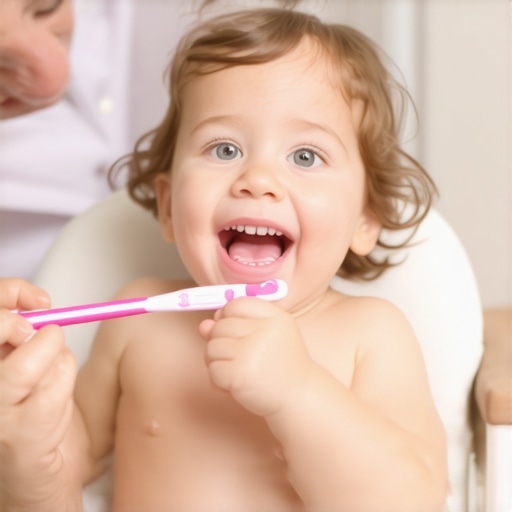
It was a morning like any other, but I remember vividly the frustration boiling over—my toddler clamped their tiny mouth shut tighter than a vault, refusing any attempt at brushing. I felt helpless, worried I wasn’t doing enough for their dental health, yet met with resistance that seemed almost impossible to overcome. That lightbulb moment hit me hard: how do you clean tricky little teeth when your little one just won’t cooperate?
Welcome! Today, we’re diving into the nitty-gritty of how to effectively clean your toddler’s teeth when they won’t open their mouth. This is a challenge that many parents face, and trust me, you’re not alone. Our goal is to turn those stubborn battles into manageable routines, ensuring your child’s dental health without tears or tantrums.
Why Winning the Battle for Your Toddler’s Teeth Matters More Than You Think
Your child’s oral health sets the foundation for a lifetime of confident smiles. Early dental care can prevent issues like cavities and gum disease, which might seem minor now but can lead to serious problems later. Plus, establishing good habits early encourages a positive attitude toward dental visits—something every parent wishes for.
But here’s the kicker: toddlers are naturally curious yet cautious. Their tiny mouths are still developing, and many resist opening up for cleaning—sometimes with good reason. They might associate toothbrushes with discomfort or simply dislike the sensation. As a parent, my early mistake was forcing the issue—and needless to say, it backfired, turning toothbrushing into a tense standoff.
Did you know that according to the American Academy of Pediatric Dentistry, introducing dental hygiene early and gently is key to fostering cooperation (AAPD)? That means patience, creativity, and a sense of fun are your best tools.
If you’ve ever felt overwhelmed by your child’s resistance or wondered if there’s a better way, you’re in the right place. We’ll explore practical strategies to make tooth-cleaning less of a hassle and more of an engaging activity for your little one.
Now, let’s set aside the stress and get ready to discover how to turn this challenge into one of your parenting wins.
Establish a Routine Your Toddler Loves
Make brushing a fun, predictable part of the day. Use a timer or sing a favorite song to signal the start. For example, I once used a colorful sand timer and turned brushing into a race to see who finished first. The toddler loved it, and it reduced resistance significantly.
Use the Right Tools
Choose a small, age-appropriate toothbrush with soft bristles. Pair it with a smear of fluoride toothpaste—just a tiny dot—to avoid gagging. I remember trying a standard adult brush my first month of parenthood, which overwhelmed my toddler. Switching to a toddler-sized brush changed everything.
Employ Distraction and Engagement
Distract your child with a story or a mirror game. For instance, hold a mirror steady and encourage them to mimic your brushing motions. Once, I held my phone showing their favorite cartoon, distracting them long enough for me to clean those stubborn back molars.
Introduce Guided Practice
Assist your child with gentle hand-over-hand guiding. Demonstrate first, then help them follow your lead. Remember, patience is key. I’ve had to softly hold my child’s hand during their early attempts, gradually reducing my input as they gained confidence.
Create a Positive Association with Dental Care
Reward efforts with praise or small stickers. Celebrate the achievement of opening wide or allowing gentle brushing. I once brought a sticker chart and reward system, which transformed reluctance into eager participation.
Set Clear Boundaries and Consistency
Stick to the same routine every day to build familiarity. Decide on a specific time, like post-bath or after storytime, so it becomes an expected part of the day. Consistency reduces anxiety and resistance over time.
Seek Professional Advice When Needed
If your child’s resistance persists, consult a pediatric dentist. They can provide personalized strategies or identify underlying issues. During my own experience, a friendly dental advice session helped me understand my child’s fears better and customize techniques accordingly. For more tips on family-friendly dental practices, visit this guide.
Transform Challenges into Play
Turn each session into a game: who can blow the most bubbles, or sing the clean teeth song? I recall the time I used a toy toothbrush as a prop, making my toddler giggle as we cleaned, fostering enjoyable memories and healthier habits.
Many patients enter cosmetic and family dentistry with misconceptions that can hinder their satisfaction and outcomes. A common myth is that Invisalign is just about discreet braces; however, the real nuance lies in understanding its limitations, such as its suitability only for certain orthodontic cases. For instance, complex bite issues may require traditional braces or other interventions. To learn more about the true capabilities of Invisalign and avoid ineffective expectations, check out the detailed insights at this guide. Similarly, a widespread mistake is assuming veneers are only for perfect teeth. In reality, veneers can be customized to address various imperfections, but improper placement or choosing the wrong material can result in unnatural appearance or sensitivity. Consulting with an expert can help you determine whether veneers or crowns suit your specific needs (learn more here). When it comes to teeth whitening, many believe that any whitening product will achieve the same results. The truth is that professional whitening procedures are tailored to your enamel’s condition and desired shade, reducing risks like sensitivity or uneven coloring (discover top strategies here). In addition, some overlook the importance of cumulative care and maintenance after whitening to sustain results. As for family dentistry, a common oversight is neglecting early and consistent dental visits for children, which can lead to more invasive treatments later. Building a trustworthy relationship with your family dentist promotes better oral health for all ages and helps catch issues early (find out how to start). An important nuance across these areas is recognizing that aesthetic procedures, like veneers and whitening, must be integrated into a comprehensive dental health plan. Ignoring this can result in aesthetic gains but underlying issues remaining unaddressed, which may compromise long-term results. Overlooking the importance of proper diagnosis and personalized treatment planning is a common trap. For example, some patients proceed with whitening without knowing about underlying root issues, risking sensitivity or damage. To avoid these pitfalls, work closely with your dentist to craft a treatment plan that considers your full oral health profile. Think you might have fallen into these traps? Share your experiences in the comments—better yet, schedule a consultation to ensure your smile journey is on the right track.Maintaining your dental enhancements like Invisalign, veneers, or whitening treatments requires dedicated tools and consistent routines. One essential gadget I highly recommend is the ultrasonic toothbrush, such as the Philips Sonicare DiamondClean. Its sonic technology enables superior plaque removal and reaches areas traditional brushes often miss, making it invaluable for those with veneers or orthodontics. Additionally, investing in a water flosser, like the Waterpik Aquarius, can significantly improve gum health by effectively cleaning around braces, implants, or crowns, where traditional floss may fall short.
For digital monitoring, I use a smartphone app that tracks your brushing and flossing habits, providing visual feedback and motivation. Apps like Brush DJ or My Sugr sync with Bluetooth-enabled toothbrushes, helping you maintain consistent oral care routines. These tools are game-changers in ensuring you’re not just brushing but brushing effectively—crucial for longevity of treatments.
Long-term results hinge on regular professional oversight. Scheduling biannual dental check-ups allows your dentist to catch early signs of wear or decay that could compromise your investment. During these visits, some practices include professional cleaning with ultrasonic scalers, which not only improves cleanliness but also preserves the integrity of veneers and whitening results.
Looking ahead, the trend is moving toward smarter dental devices integrated with AI. Imagine toothbrushes that analyze your brushing patterns and give personalized advice in real time. This technological evolution promises to make maintenance more precise and personalized.
How do I maintain my dental improvements over time?
In addition to using the right tools, following your dentist’s tailored hygiene instructions is critical. For veneers and crowns, avoiding biting into hard foods and using mouthguards during sports helps prevent chips or cracks. For whitening, using a custom-fitted tray at home, as recommended in our comprehensive guide, ensures controlled, even results.
To keep everything pristine, incorporate daily interdental cleaning with flossers and consider periodic professional polishing to maintain shine. Don’t forget, consistent maintenance not only prolongs the lifespan of your dental work but also preserves your confidence and smile’s health.
If you’re ready to upgrade your routine, try integrating a sonic toothbrush with AI feedback. It’s an advanced step that can dramatically improve your home care and results. Ready to take this leap? Schedule a consultation through our contact page and let’s craft your personalized maintenance plan today.
What I Wish I Knew Before Starting My Smile Journey
One of the biggest lessons I learned is that patience and personalization are non-negotiable. No two smiles are the same, so trusting your dentist to craft a plan tailored to your unique needs sidesteps many frustrations. Additionally, I realized that small tools—like a sonic toothbrush—can make a huge difference in maintaining results and prolonging your investment.
Another insight was the importance of ongoing education; the more I knew about my options—whether Invisalign, veneers, or whitening—the better decisions I could make. Instead of feeling overwhelmed by advertisements or misconceptions, seeking credible, expert advice helped me avoid costly mistakes and set realistic expectations.
Lastly, embracing the emotional aspect of smile improvement—confidence, self-esteem, and the joy of self-care—transformed my entire experience. It’s not just about aesthetics; it’s about feeling good from the inside out. Remember, your dental journey is deeply personal, and understanding this truth can turn it into a rewarding adventure rather than a stressful task.