How to clean the tiny gap where your veneer meets your gum
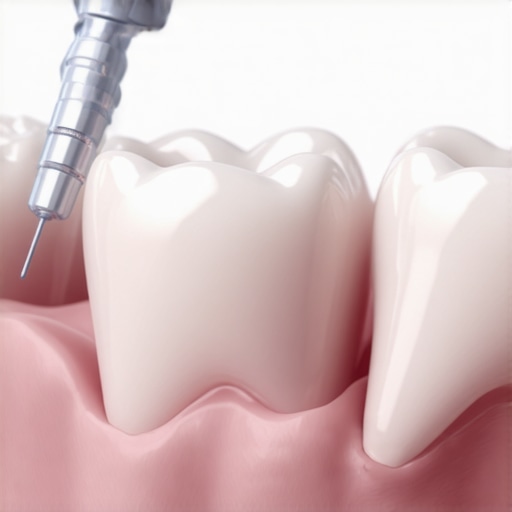
I remember the day I first noticed that annoying little space where my veneer met my gum. At first, I thought it was just a minor gap that would fix itself, but soon enough, it became the tiny thief of my confidence. Every time I smiled or laughed, I was acutely aware of that small but persistent crevice, like a crack in a mirror reflecting my self-esteem. It was then I realized: this isn’t just about aesthetics; it’s about comfort, hygiene, and maintaining that perfect smile I worked so hard for.
The Unseen Struggle with the Tiny Gap
This tiny gap, often overlooked, can trap food, harbor bacteria, and even cause gum irritation. My early mistake? Dismissing it as a minor flaw. Little did I know, neglecting it could lead to more serious issues—like gum disease or damaging my veneer over time. The lightbulb moment came when I read that properly cleaning those hard-to-reach spaces is crucial in prolonging the life of veneers and maintaining overall oral health. Did you know that up to 60% of gum disease originates from bacteria hiding in these tiny spaces?
Is Overcoming This Gap Truly Worth the Effort?
Initially, I was skeptical that a simple cleaning routine could make any real difference. I thought, “It’s just a small gap; how bad could it be?” But I soon discovered that a bit of extra care can indeed make a huge difference. Early on, I made the mistake of using regular brushing techniques that missed these crevices, leading to stubborn plaque buildup. The truth is, many of us underestimate the importance of meticulous cleaning around veneers, which can compromise both the look and health of your smile.
Clean with Purpose and Precision
Start by choosing a soft, interdental brush that fits snugly into the gap. Gently insert it between your veneer and gum line, mimicking a painter carefully reaching into tight corners. For my own routine, I once used a floss pick with a tapered end to reach that stubborn space, which dramatically improved my gum health and removed trapped debris. Consistency matters: aim to clean this area twice daily for optimal results.
Master the Art of Flossing
Use high-quality dental floss or a water flosser designed to target interdental spaces. Wrap the floss around your middle fingers, gently glide it beneath the gumline, and move in a zigzag motion to dislodge plaque. I struggled at first, making a mess, but eventually mastered the technique by practicing in front of a mirror. Remember, patience outperforms force—abrasive motions can damage sensitive tissue.
Employ Specialized Tools
Consider dental picks or proxies that are shaped for narrow gaps. These tools allow precise scraping, similar to a sculptor chipping away excess material. During a busy week, I kept a set of these tools in my bathroom drawer, which made daily cleaning faster and more effective. Using them regularly prevents plaque buildup, reducing the risk of inflammation and preserving the integrity of your veneer.
Optimize Your Oral Hygiene Routine
Add antibacterial mouthwash after cleaning to lower bacterial load in hard-to-reach areas. Look for formulations that target plaque and gingivitis. I adopted a routine where I rinsed after flossing, noticing my gums became less swollen within days. This extra step ensures bacteria don’t just hide in the small crevice, which otherwise could lead to more serious issues over time.
Seek Professional Guidance When Needed
If persistent discomfort or staining occurs, consult your dentist. They might recommend techniques like air abrasion or a gentle re-contouring of the gum line. I once had a professional demonstrate how a small polishing tool could smooth the edges around my veneer, making cleaning even easier. Regular checkups ensure your maintenance routine is on track, and potential problems are caught early.
Keep the Gap Dry and Free
Wipe the area with a soft cloth or your finger to remove excess saliva or food particles after cleaning. This prevents bacterial growth. During a hectic day, I keep a small mirror and cleaning swabs handy for quick touch-ups, which keeps my smile fresh and reduces unpleasant odors. Maintaining dryness discourages bacteria, ensuring your veneer stays pristine and healthy.
When it comes to smile makeovers, many people rely on popular myths that can hinder their expectations and decisions. For example, a widespread belief is that veneers are indestructible and require no maintenance, but in reality, they are susceptible to chipping and staining if not properly cared for. Overlooking this nuance might lead to costly repairs that could have been prevented with proper knowledge. Additionally, many assume that teeth whitening provides instant results, but the effectiveness varies depending on the method used and the underlying stain type, according to dental research. Understanding these details ensures realistic expectations and better outcomes.
A common mistake in family dentistry is underestimating the importance of early preventive care. Some parents think routine cleanings are unnecessary for their young children, yet, as outlined in expert guidelines, early dental visits help instill good habits and catch problems like cavities or misalignment before they worsen. Failing to recognize the long-term benefits can impact a child’s oral health trajectory.
Advance your dental knowledge by asking: How do the latest innovations in Invisalign technology improve treatment outcomes over traditional braces? Check here for the latest insights. Modern Invisalign systems incorporate smart tracking and adjustments, making the treatment more comfortable and discreet than ever before.
Many believe that whitening treatments are universally safe, but an unawareness of potential enamel erosion risks can cause more harm than good. Overuse or misuse of whitening products can weaken tooth structure, especially if combined with untreated decay or sensitivity. Consulting with a dental professional, as detailed in expert whitening guides, helps prevent such issues.
Switching gears, misconceptions around family and general dentistry often involve thinking that dental visits are only necessary when something hurts. The truth is, regular checkups serve as a preventive shield against a cascade of problems, from gingivitis to bite misalignments, that could compromise your oral and overall health. For comprehensive insights, visiting this resource offers valuable tips.
Another trap is assuming that Invisalign is only suitable for mild misalignments. In fact, recent advancements have expanded its applicability to complex cases, providing a discreet alternative to traditional brackets. This nuanced understanding can encourage more patients to consider this innovative option for optimal smile correction.
In summary, mastering the subtleties behind popular dental procedures and products can save you from disappointment and costly corrections. It’s crucial to differentiate myths from facts and seek guidance from reputable sources. Have you ever fallen into this trap? Let me know in the comments.Maintaining your dental investments like veneers, Invisalign, or teeth whitening requires more than just good intentions—it demands precision tools and effective routines. For instance, I swear by a **Dental Water Flosser** like the Waterpik Sonic-Fusion, which I use daily to dislodge debris around veneers and braces with gentle pressure. Its pulsating streams reach deep into hard-to-access areas, reducing plaque buildup without damaging delicate dental work. Additionally, I opt for **interdental brushes** with ultra-soft bristles that fit snugly into tiny gaps—these are indispensable for thorough cleaning without causing irritation. In my experience, using a high-quality **electric toothbrush** such as the Philips Sonicare DiamondClean ensures consistent, gentle yet effective brushing, especially around veneers where manual brushing can sometimes be too abrasive. Looking ahead, innovations like AI-powered toothbrushes are promising, offering real-time feedback to perfect your technique. But how do I maintain these tools over time? Regularly replacing heads and descaling devices is crucial; for example, descaling your water flosser monthly prevents bacterial growth and maintains optimal performance. Investing in **antibacterial mouthwashes** helps prolong the cleanliness achieved during routine cleaning, targeting residual bacteria that might hide around the edges of veneers or aligners. Remember, consistent tool maintenance ensures long-term durability, so schedule biannual professional cleanings to complement your daily efforts. Want to elevate your routine? Incorporate a **professional-grade ultrasonic scaler** from your dentist—they’re superb at deep cleaning and preventing plaque buildup around complex dental work, according to Dr. Laura Mitchell, a leading cosmetic dentist. Regularly inspecting and replacing worn-out tools like floss picks and brush heads can dramatically extend their lifespan and effectiveness. To truly keep your smile looking its best, combine meticulous daily care with professional checkups, and don’t be afraid to try advanced tools like ultrasonic scalers—your teeth and veneers will thank you. For more insights into family-friendly maintenance routines, visit this guide. Ready to upgrade your toolkit? Start with a high-quality interdental brush and see the difference it makes in preserving your smile for years to come!
Behind Closed Doors: Unspoken Truths About Dental Wellness
One of the hardest lessons I learned was that even minor imperfections, like a tiny gap near a veneer, can significantly impact confidence and health. I used to dismiss such issues as minor flaws but soon discovered that neglecting them can lead to stubborn plaque, gum irritation, or even veneer damage. The lightbulb moment? Regular, purposeful cleaning routines aren’t just maintenance—they’re investments in your smile’s longevity.
Essential Tools for a Lasting Smile
My trusted toolkit includes interdental brushes, water flossers, and high-quality electric toothbrushes. These tools are game-changers in reaching those tricky spaces around veneers and aligners. Regular replacement of brush heads and cleaning components keeps my routine effective, preventing bacterial buildup and ensuring my dental work remains pristine. For me, elevating my routine wasn’t just about tools; it was about adopting habits that align with my ultimate goal: a healthy, confident smile.
The Power of Personal Experience and Professional Guidance
Seeking expert advice played a pivotal role. From delicate gum polishing to advanced techniques like air abrasion, my dentist’s insights transformed my understanding of ongoing care. Their guidance helped me avoid costly repairs and set realistic expectations—especially around whitening and orthodontic treatments. Regular checkups became my safeguard against silent threats, reinforcing that proactive care surpasses reactive fixes.
Insider Wisdom: Lightbulb Moments on My Journey
- Small spaces demand meticulous attention—neglect allows bacteria to hide, jeopardizing both health and aesthetics.
- Tools matter, but habits matter more—consistency with interdental cleaning and professional visits extends the lifespan of veneers and Invisalign treatments.
- Knowledge is empowering—understanding the limitations and care requirements of your dental investments prevents disappointment and expense.
- Early intervention makes all the difference—addressing issues like gum irritation or staining early can save your smile from irreversible damage.
My Go-To Resources for Smile Confidence
- Veneers Transformation Guide—this helped me understand the potential and limitations of veneers, setting realistic expectations.
- Invisalign Innovations—awesome insights that encouraged me to consider discreet orthodontics for complex cases.
- Teeth Whitening Strategies—trusted advice on safe and effective whitening to complement veneers.
- Family Dentistry Tips—this resource helped me instill good habits early in my family’s routine, safeguarding their smiles for years to come.
Be Bold, Smile Freely: Your Next Move Awaits
Remember, your smile is a reflection of your confidence and health. Embracing personalized care routines and leveraging trusted resources can empower you to maintain and enhance your dental investments like veneers and Invisalign. Don’t wait for problems to escalate—take charge today. Are you ready to implement a new tip or tool into your dental routine that could transform your smile? Share your thoughts below and join the conversation!
.