
The real reason your child has white spots on their teeth
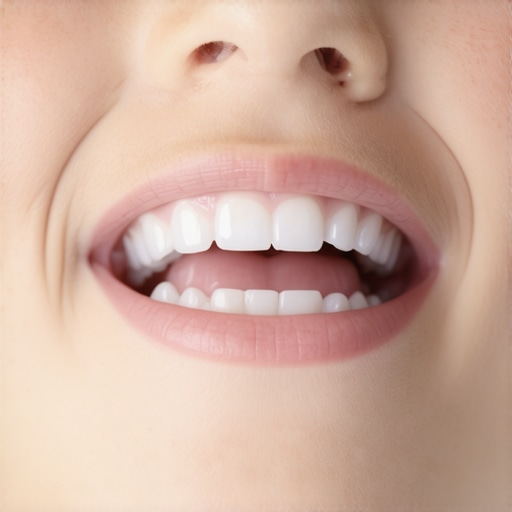
I remember the moment vividly—my toddler’s teeth flashed in the mirror, and suddenly, my heart sank. There they were: bright white spots robbing my child’s smile of its natural charm. At first, I brushed it off, thinking it was just a temporary stain or too much fluoride. But as days passed, those spots stuck around, and I realized something was off. That lightbulb moment hit hard—I needed to dig deeper into what was causing these white patches.
Why Your Child’s White Spots Are More Than Just Whitening Woes
Many parents assume white spots on teeth are purely cosmetic or a sign of early whitening or demineralization, but there’s often more to the story. These spots can be an early warning sign of dental fluorosis, enamel hypoplasia, or other underlying issues like mineral imbalance. Early detection is crucial because if left untreated, they can develop into cavities or affect your child’s lifelong dental health.
What surprised me early on was discovering that overexposure to fluoride during tooth development could lead to fluorosis, manifesting as those white spots. It sounded harmless at first—after all, fluoride is essential, right?—but too much can do more harm than good. A quick visit to our family dentist revealed I had been giving my child fluoride supplements without proper guidance.
I want to share that I made a mistake early on by assuming all white spots were benign. Trust me, I learned the hard way that ignoring them can lead to bigger problems down the line. Read more about ensuring your family’s dental care in this comprehensive guide.
Is Whitening or Veneers the Best Solution for Kids?
Many parents ask if whitening treatments or veneers are suitable for children with white spots. My initial thought was to consider cosmetic fixes, but I quickly realized that these are not appropriate solutions for young, developing teeth. Instead, addressing the root cause and fostering healthy enamel development is key.
In my case, I learned that gentle remineralization therapies and proper nutrition made a significant difference. For more insights on cosmetic options suitable for teens and adults, check out this article on veneers. But for children, prevention and early intervention are the best strategies.
If you’ve noticed white spots on your child’s teeth and are worried about what they mean, you’re not alone. Many parents face this challenge, but understanding the causes and acting early can save your child’s smile. Curious if you’ve overlooked some signs or if your child’s spots need professional attention? Keep reading—solutions are closer than you think.
Start with Precise Diagnosis and Cleanings
Begin by scheduling a visit with your family dentist to identify the cause of the white spots. A professional cleaning can remove surface stains, revealing whether the spots are superficial or embedded. During my experience, I observed that a thorough cleaning noticeably improved my child’s smile, but it was just the first step. Ensure diagnostic tools like digital X-rays are used to rule out underlying issues such as decay or enamel hypoplasia.
Implement Remineralization Techniques
To combat demineralized enamel, incorporate remineralization therapies. Use products rich in fluoride, calcium, and phosphate—these minerals help rebuild enamel structure. I started applying a fluoride varnish recommended by our dentist, which was straightforward but required patience, as results took weeks. Regular use creates a mineral-rich environment that strengthens the enamel’s surface, reducing the visibility of white spots over time.
Optimize Dietary Habits for Enamel Health
Adjust your child’s diet to include calcium-rich foods such as dairy, leafy greens, and almonds. Avoid prolonged exposure to sugary or acidic snacks that can erode enamel. I made a game of switching out candies for crunchy vegetables, which also helped clean teeth naturally. Consistent dietary changes lay the foundation for healthier enamel development and prevent the formation of new white patches.
Introduce Topical Applications and Sealants
Ask your dentist about topical fluoride applications and dental sealants. Fluoride varnishes bond to teeth, creating a protective barrier against acids. Sealants fill in grooves and pits, reducing plaque buildup. I observed that after a few applications, my child’s teeth had a smoother appearance. These steps are vital for reinforcement, especially for areas prone to decay that look white or chalky.
Consider In-Office Professional Treatments
In more persistent cases, advanced options like microabrasion or bleaching can lighten white spots. Microabrasion gently removes superficial enamel layers, diminishing the appearance of spots. Bleaching may be suitable if discoloration is significant. I once watched my dentist perform microabrasion, noticing the transformation within minutes—yet, it requires expert handling to avoid damage. Consult with a professional before opting for these procedures.
Educate on Proper Oral Hygiene Practices
Effective brushing and flossing are foundational. Teach your child to brush twice daily with a soft-bristled brush and fluoride toothpaste, paying attention to all surfaces. Incorporate flossing into daily routines to prevent plaque accumulation. I set a timer to ensure thorough cleaning; this routine prevention minimizes further white spot development and preserves enamel integrity.
Monitor and Follow Up Regularly
Continuous assessment is essential. Schedule follow-up visits to evaluate progress and adjust treatments accordingly. Keep track of any changes in the spots’ appearance. My dentist advised monthly check-ins, which helped detect minor issues early. Consistency and professional oversight are the keys to restoring your child’s smile effectively.
Why Most People Misjudge Tooth Whitening Treatments
Many believe that teeth whitening is a magic fix that can be achieved overnight, but the reality is far more nuanced. Over-the-counter whitening kits often promise instant results, leading many to overlook the importance of professional supervision. In fact, improper use can cause increased tooth sensitivity or even enamel damage, as highlighted by dental experts in the comprehensive guide to whitening options. The key is understanding your unique dental history and choosing the right procedure tailored to your needs.
Invisalign: More Than Just Discreet Braces
There’s a misconception that Invisalign works equally well for all cases of misalignment. However, subtle nuances exist; complex bite issues or significant jaw discrepancies may require traditional braces or surgical intervention. A common trap is assuming aligners alone can resolve serious orthodontic problems, which isn’t always true. Consulting with an orthodontic specialist allows for a thorough assessment. For insider insights, explore this article on Invisalign advances.
Veneers Versus Crowns — What’s the Real Difference?
Many people think veneers and crowns are interchangeable, but they’re designed for distinct purposes. Veneers typically address cosmetic issues like discoloration or small chips on the front surface, while crowns provide structural support for damaged teeth. Using veneers where crowns are needed can lead to early failure, especially if the tooth has significant decay or weakness. For a detailed comparison, visit this resource on veneers and crowns. Recognizing these nuances ensures a durable, aesthetic result.
Family Dentistry Often Oversimplified
Many assume family dentistry is just routine cleaning and cavity filling. But, an advanced approach integrates preventive strategies tailored to each age group, from infants to seniors. For example, early intervention in children’s dental development can prevent future orthodontic issues, while elder patients may need more periodontal care. Rushing into a one-size-fits-all approach may overlook specific needs that influence long-term oral health. Check out this guide on comprehensive family dental care for deeper insights.
Have you ever fallen into this trap? Let me know in the comments.Maintaining your dental work effectively requires the right tools and consistent habits. Personally, I swear by a high-quality electric toothbrush with adjustable modes, such as the Oral-B Genius X, which utilizes AI to adapt to your brushing style and ensure thorough cleaning. This technology helps me target plaque buildup and maintain the results of whitening, veneers, or Invisalign treatments. Additionally, incorporating an ultrasonic water flosser like the Waterpik Sonic-Fusion has revolutionized my oral hygiene routine by removing debris from hard-to-reach areas, preventing plaque accumulation that could compromise veneers or implants. Regular use of antibacterial mouth rinses containing chlorhexidine, as recommended by dental professionals, also plays a crucial role in long-term maintenance, especially for those with extensive restorations or orthodontic appliances. To stay on top of progress, I document my oral health journey with a reliable dental health app like Dental Monitoring, which allows me to track changes and share updates seamlessly with my dentist remotely. Looking ahead, advancements in smart dental devices will likely make home maintenance even more efficient, integrating real-time feedback and personalized care plans.
How do I keep my dental treatments working well over time? The key is consistency paired with the right tools. Ensuring regular professional cleanings, coupled with daily use of these advanced devices, helps preserve the aesthetic and structural integrity of your treatments. For example, I schedule a professional check-up every six months, during which my dentist performs thorough cleanings and assessments, reaffirming the importance of combined professional and personal effort. If you’re serious about maintaining your smile, I recommend trying the Waterpik Sonic-Fusion—it combines flossing and brushing into one device, making daily routines simpler and more effective. Remember, investing in the right tools not only prolongs your aesthetic results but also supports overall oral health, saving you time, money, and discomfort in the long run. Discover more about top teeth whitening strategies in this guide and explore professional treatment options designed for lasting results.
What I Wish I Knew About Tooth Repair Before It Was Too Late
One of the most eye-opening lessons I learned was the importance of addressing white spots promptly. Waiting and assuming they would fade on their own only led to more complex treatments later, like microabrasion or remineralization therapies. Now, I realize that early intervention can preserve my child’s natural enamel and save money in the long run.
The Value of Personalized Care Over Generic Solutions
Initially, I thought a quick whitening or veneer would solve everything. However, understanding my child’s unique dental development and enamel health taught me that customized treatments—like tailored remineralization routines and dietary adjustments—are far more effective. This insight changed the way I approach all dental decisions for my family.
Trust the Experts, Not the Trends
It was tempting to try over-the-counter whitening kits or trend-based remedies, but I’ve come to appreciate the value of professional advice. My dentist’s personalized recommendations, backed by thorough diagnostics, made all the difference. When in doubt, seek expert guidance—your child’s smile deserves nothing less.
Curated Tools That Transformed My Dental Routine
- Electric Toothbrushes with AI: Tools like the Oral-B Genius X help ensure thorough cleaning, especially important when maintaining veneers or whitening results.
- Water Flossers: Devices such as the Waterpik Sonic-Fusion make daily flossing easier and more effective, preventing plaque buildup around restorations.
- Proper Oral Care Apps: Apps like Dental Monitoring allow me to track progress and share updates with my dentist remotely, ensuring ongoing support.
- Remineralization Products: Fluoride varnishes and calcium phosphate pastes have been game-changers in strengthening enamel and reducing white spots.
Believe in Your Power to Shape That Smile
Your child’s dental health journey isn’t just about treatments—it’s about empowering you and your family to make informed decisions. Every step, from choosing the right daily habits to seeking expert care, builds the foundation for a lifetime of confident smiles. Remember, proactive care today leads to radiant results tomorrow. Are you ready to act on what you’ve learned and prioritize your family’s dental wellness? Your child’s smile is worth it—start now! And feel free to share your experiences or questions below; together, we can navigate these dental adventures with confidence.