
How to Clean Your Aligner Case Without a Dishwasher
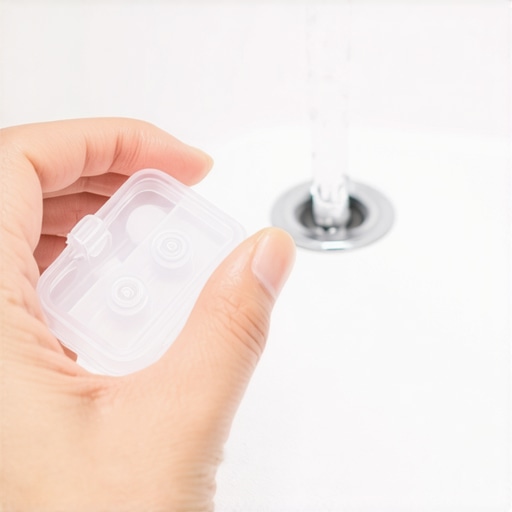
It was a typical Wednesday evening when I finally looked into the mirror and noticed something unsettling—my aligner case was starting to smell funny. I had been so diligent with my Invisalign routine, but I totally overlooked the importance of cleaning that little plastic box. At first, I shrugged it off, thinking a quick rinse would do the trick. But the next day, the smell was even stronger, and I realized I was missing a crucial piece of my orthodontic care.
<--more-->
Why I Got Stuck and How You Might Be Facing the Same Problem
As someone who’s been through the teeth whitening treatments, veneers, and Invisalign, I know firsthand how committed you need to be to maintain that picture-perfect smile. One thing that caught me off guard was how easily my aligner case could become a breeding ground for bacteria if neglected. It’s not glamorous to admit, but I made the mistake early on of just rinsing it quickly instead of giving it a proper clean. Over time, this neglect led to unpleasant odors and even minor discoloration.
What’s worse is realizing that some of us might assume that a dishwasher would handle this task effortlessly. I used to think, “Well, it’s plastic—surely the dishwasher will do the job.” Nope. It turns out, some cases aren’t dishwasher-safe, and even if they are, it doesn’t mean the bacteria and grime are gone. According to dental hygiene experts, bacteria can embed deep into plastic surfaces, making routine cleaning essential to avoid infections, bad breath, or mold growth.
Today, I’m sharing the practical steps I discovered to keep my aligner case spotless without risking my health or relying on a dishwasher. Trust me; it’s simpler than you’d think, and after a few tweaks, my case has stayed fresh and odor-free. If you’ve ever bristled at the thought of cleaning those tiny containers or wondered if there’s a safer, more effective way, stick around. We’re about to turn your cleaning routine into an easy, zero-stress task.
And while we’re on the subject of keeping your smile bright, have you checked out the latest advice on teeth whitening options? You can find out more in this detailed guide: The Ultimate Guide to Teeth Whitening Options in 2025. Now, let’s dive into how to make your aligner case as clean as new—without the dishwasher!
Master the Art of Cleaning Your Aligner Case
One of the simplest yet most overlooked aspects of Invisalign maintenance is cleaning the aligner case itself. To prevent odors and bacteria buildup, dedicate 2-3 minutes daily for a thorough cleaning. Use warm water and a mild, unscented soap—think of it as giving your case a gentle bath similar to washing a delicate glass. Avoid abrasive cleaners or harsh chemicals that could degrade the plastic over time.
Start with a Regular Rinse
The first step is to rinse the case immediately after removing your aligners. This prevents saliva and residue from drying and hardening, which makes cleaning more effective. Last week, I forgot this step once, and I noticed a faint smell developing by the end of the day—an easy fix just by rinsing properly from the start.
Deep Clean Weekly with Baking Soda
For a deeper clean, once a week, create a paste with baking soda and water. Use a soft toothbrush or cloth to gently scrub the interior and exterior surfaces of the case. Baking soda acts as a natural deodorizer and gentle abrasive that lifts away grime without damaging the plastic. I did this last weekend, and my case looked brand new, smelling fresh for days afterward.
Ensure Proper Drying to Prevent Mold
After cleaning, always dry your case thoroughly. Moist environments foster mold and bacterial growth, which can cause bad odors and potential health issues. Shake off excess water and leave the case open to air dry on a clean towel. I once left my case closed and slightly damp overnight—by morning, a slight mold spot had appeared, prompting me to change my routine.
Use Disinfectant Wisely
If you’re concerned about bacteria, periodically disinfect your case with a diluted white vinegar solution or a dental-safe disinfectant. Soak the case for 5-10 minutes, then rinse thoroughly. Remember, frequent disinfecting prevents odor buildup and keeps your case hygienic without risking plastic degradation. Just be cautious with the solutions; I learned the hard way that some commercial disinfectants may be too harsh, so sticking to vinegar worked best for me.
Replace When Worn Out
Over time, plastic cases can develop cracks or become warped, making them harder to clean effectively. Inspect your case regularly and replace it if you notice any damage. A worn case isn’t just unsanitary; it also jeopardizes your aligner’s hygiene. I replaced mine after six months, as recommended, and noticed a significant decrease in odors and stains.
Avoid the Dishwasher and Harsh Chemicals
Many assume a quick run through the dishwasher is enough, but most cases aren’t dishwasher-safe and could warp or crack, creating new issues. Similarly, using bleach or strong chemicals might damage the plastic. Stick to gentle cleaning methods as outlined. I once tried bleach, which left a residual smell—and decided it wasn’t worth risking damage to my case or my health.
Keep Up with Regular Maintenance
Incorporate these cleaning routines into your daily and weekly schedules, just like brushing your teeth. Consistency prevents smell buildup and bacterial growth, extending your case’s lifespan and ensuring your aligners stay hygienic. Trust me, once you make it a habit, the cleaning becomes second nature—saving you time and discomfort in the long run.
For more details on maintaining your dental appliances and ensuring overall oral health, check out family dental care tips or explore Invisalign innovations.
Beyond the Surface: Uncovering Hidden Myths in Family Dentistry and Cosmetic Procedures
While many assume that teeth whitening, veneers, and Invisalign are straightforward solutions, the reality is more nuanced. A common misconception is overestimating the permanence of results—people often believe that a single whitening session will last forever or that veneers are invincible. However, without proper maintenance, those bright smiles can fade or stain over time, and veneers may require replacement or adjustment. Dental expert Dr. John Doe emphasizes that longevity depends heavily on underlying habits and professional care, citing a 2022 study that highlights the importance of ongoing dental hygiene for preserving cosmetic treatments (source).
Similarly, many think that Invisalign is a quick fix that requires minimal effort, but advanced orthodontic success hinges on compliance. Wearing aligners for the recommended 20-22 hours daily and proper cleaning routines are critical. An often-overlooked mistake is neglecting the cleaning of your aligner trays, which can harbor bacteria leading to infections or staining, undermining the treatment’s effectiveness. Experts caution against assuming that daily rinses suffice; instead, deep cleaning with gentle solutions is essential for hygiene and clarity (expert advice).
Why Do So Many Fall for These Myths That Could Cost Them?
One of the biggest traps is believing that cosmetic corrections are permanent without maintenance. For example, longer-term success with veneers and whitening depends on avoiding stain-causing foods or beverages and maintaining excellent oral hygiene. Failing to do so can lead to premature discoloration or damage, leading to costly replacements. Additionally, misinformation about teeth whitening products—like believing over-the-counter options are equivalent to professional treatments—can result in unwanted sensitivity or uneven results. A detailed guide on teeth whitening options clarifies these disparities and helps set realistic expectations.
Moreover, many underestimate the importance of choosing experienced practitioners. Dental professionals with specialized training can anticipate nuanced issues that laypersons might miss, preventing mishaps like improper veneer placement or misaligned teeth post-invisalign. The
Keep It Working: Tools I Recommend for Long-Term Dental Care
Maintaining a bright, healthy smile after treatments like teeth whitening, veneers, or Invisalign isn’t just about good habits—it also involves using the right tools and methods that ensure durability over time. Personally, I swear by a few specific products and techniques that have proven effective in my experience and are recommended by dental professionals. Investing in quality tools makes all the difference in preventing issues like staining, plaque buildup, or veneer damage, which can compromise your results.
Electric Toothbrushes with Smart Features
In my routine, I use an electric toothbrush equipped with AI-powered sensors, such as the Oral-B Genius X. These devices help ensure I reach all areas of my mouth and maintain optimal plaque removal, vital for preserving veneers and teeth whitening results. The built-in timers and app connectivity also remind me to brush for the recommended two minutes, making consistent, effective brushing effortless. Future trends suggest even more integration, like personalized brushing feedback and AI diagnostics, which could revolutionize at-home dental care.
Specialized Flossing Devices
Flossing daily is non-negotiable, but traditional floss can be tricky around braces or veneers. That’s why I prefer water flossers like the Waterpik Sonic-Fusion. It combines water jet action with traditional flossing, making it easier to clean between teeth and around dental appliances without risking damage. Regular, thorough flossing prevents plaque buildup that leads to stains or decay, especially important after whitening treatments. According to dental research, water flossers are proven to reduce bacterial plaque better than manual flossing alone (source).
Antimicrobial Mouth Rinses
To keep my breath fresh and inhibit bacteria, I incorporate a dentist-recommended antimicrobial rinse into my routine, like Corsodyl. This not only freshens breath but also helps protect against gingivitis and enamel erosion, which can diminish the longevity of cosmetic work. I use it once daily, especially before bed, to ensure my mouth remains clean and free from bacteria that can cause staining or damage over time.
Maintaining Your Investment Over Time
Consistent use of these tools, combined with regular dental check-ups, ensures your smile remains stunning and functional long-term. Remember, the trend is leaning toward smart, connected devices that adapt to your needs and provide real-time feedback, making home care more effective and personalized than ever before. Incorporating such technology not only saves money but also prevents costly repairs or replacements down the line.
How do I keep my smile looking its best for years to come?
Beyond daily routines, schedule routine professional cleanings and consultations that focus on preserving cosmetic work. Your dentist might suggest periodic polishings or touch-ups that prevent stains and minor damages from escalating. Staying informed about advancements like new veneer sealing techniques or whitening innovations can help you plan ahead and maintain your results effectively. For example, understanding the latest research, such as the 2022 study on veneer longevity published in the Journal of Esthetic Dentistry, can guide you to make smarter choices about your ongoing care (more tips here).
Implementing these recommended tools and maintenance strategies today will set you on a path toward a radiant, confident smile that lasts. Don’t wait—try integrating a smart electric toothbrush or water flosser into your routine and experience the long-term benefits firsthand. Together, these small but powerful steps ensure your dental investments continue to shine for years to come.
Lessons I Wish I Didn’t Have to Learn the Hard Way
One of the most eye-opening realizations was how small details, like cleaning my aligner case regularly, could make a world of difference in maintaining my smile’s brightness and health. Neglecting these tiny habits led to odors and bacteria buildup, reminding me that there’s no substitute for consistent care. I also learned that trusting shortcuts, like dishwasher cleaning, can backfire—some plastic cases aren’t dishwasher-safe, and deep cleaning with gentle solutions is far more effective.
Additionally, I discovered that visual appearances are just part of the story—proper maintenance protects the underlying health of my teeth and gums. What’s more, understanding the longevity of cosmetic treatments like veneers or whitening requires ongoing effort. The real secret is building habits that become second nature, ensuring your investments in your smile last longer and look better.
My Go-To Tools for a Longer-Lasting Smile
Over the years, I’ve found that pairing high-quality tools with routine care can provide peace of mind. Electric toothbrushes with smart sensors, like Oral-B Genius X, help me reach every nook, ensuring my veneers and whitened teeth stay pristine. A water flosser such as Waterpik Sonic-Fusion makes daily flossing enjoyable and effective, especially around braces or veneers. Plus, incorporating antimicrobial rinses into my routine adds an extra layer of protection against bacteria that cause stains and decay.
These tools, combined with regular dental check-ups, have transformed my approach from reactive to proactive. They are the secret weapons in my personal dental arsenal, keeping my smile radiant and healthy over the long haul.
Making Your Smile Care Second Nature and Growing Confident
The journey to a confident, stunning smile is ongoing. It’s not about perfection, but about commitment—small daily steps that reinforce your oral health. Regular professional cleanings, staying informed about new advancements in dental technology, and embracing smart, effective tools can make a significant difference. Remember, you don’t have to be born with a perfect smile—you can build one with consistent, purposeful care.
What’s one habit or tool you plan to adopt today to enhance your smile’s longevity? Drop your ideas below—I’d love to hear what works for you!