
Why Your Teeth Hurt After Using a New Electric Toothbrush
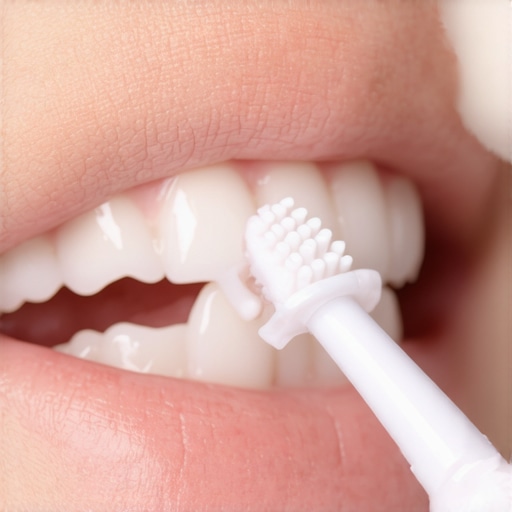
I remember the first time I switched to a new electric toothbrush. I was excited about the promise of cleaner teeth and fresher breath. But instead of feeling invigorated after brushing, I was hit with a dull, persistent ache in my jaw and sensitive teeth that made every sip of cold water a jolt of discomfort. It was a lightbulb moment — I realized I had overlooked something crucial about my new grooming routine. That experience prompted me to dig deeper into why this happens and, more importantly, how to prevent it.
Getting to the Root of Tooth Sensitivity After Switching Brushes
Every time I see someone post online about their teeth hurting after trying a new electric toothbrush, I feel a mix of empathy and understanding. It’s not just a minor inconvenience; it can be genuinely alarming and frustrating. The good news is that this problem is more common than you might think, and with a few simple adjustments, you can enjoy the benefits of your new device without the pain.
Have You Faced This Problem? Let’s Talk About Why It Happens
Early on, I made the mistake of assuming that all toothbrushes are created equal. I didn’t realize that using too much pressure or choosing a brush head with overly aggressive bristles could damage sensitive enamel or irritate gums. This oversight led to the discomfort I experienced. Researchers have found that excessive force during brushing can erode enamel and contribute to gum recession, making teeth more vulnerable to pain (source: American Dental Association). The key is to understand your toothbrush’s settings and your own dental health before plunging into a new routine.
In the next sections, I’ll guide you through practical strategies to adjust your brushing habits, select the right brush head, and know when to consult your dentist. Whether you’re using Invisalign, veneers, or just aiming for healthier teeth, the goal is to make your new electric toothbrush a tool for positive change rather than a source of discomfort. Ready to transform your brushing experience and regain that pain-free smile?
Adjust Your Brushing Technique Immediately
Start by using a gentle touch—think of guiding your toothbrush like petting a delicate kitten. I once applied my usual force and ended up with sore gums; a quick switch to light, circular motions instantly reduced discomfort and protected my enamel. Remember, press too hard and you risk eroding your enamel, which can lead to increased sensitivity.
Use the Correct Brushing Speed and Duration
Set your electric toothbrush to a lower speed setting initially, especially if you notice sensitivity. Brushing for two minutes is sufficient; overdoing it can aggravate existing issues. A timer helps ensure you’re not rushing through your routine, and a slow, methodical approach minimizes gum irritation.
Select the Right Brush Head for Sensitive Teeth
Not all brush heads are created equal. Opt for soft-bristled, rounded-head designs that mimic the gentle sweep of manual brushing. I experimented with different heads—a process akin to trying on shoes—to find one that felt comfortable and effective without causing pain. This small change made a significant difference, reducing gum irritation and protecting my enamel.
Replace Brush Heads Regularly
Old bristles become less effective and can be harsh on sensitive areas. Make it a habit to replace your brush head every three months. I kept a reminder on my calendar, which prevented me from overlooking this vital maintenance step.
Customize Your Device Settings
Modern electric toothbrushes often come with multiple modes—like ‘Sensitive,’ ‘Gum Care,’ and ‘Whitening.’ Using the ‘Sensitive’ mode reduces vibration intensity, akin to dimming the lights in a room to create a calming environment. I once switched to this mode during a flare-up, and the gentler vibration alleviated the discomfort.
Adjust the Timer and Pressure Sensors
If your toothbrush has pressure sensors, ensure they’re enabled. They alert you when you’re brushing too hard, much like a coach giving real-time feedback. Watching the indicator light turn red taught me to relax my grip and avoid unnecessary enamel wear.
Refine Your Technique Over Time
Every few days, reassess your pressure and motion. Initially, I recorded myself brushing to observe my technique—a messy process, but it helped me develop a more gentle and effective routine. Over time, this natural, lighter touch became second nature, preserving more enamel and reducing sensitivity.
Incorporate Complementary Dental Products
Use toothpaste formulated for sensitive teeth—think of it as a soothing balm for your gums and enamel. I transitioned to a fluoride-rich, low-abrasion paste, which strengthened my teeth over several weeks. Additionally, avoid acidic foods and drinks that can weaken enamel further, just as you would protect a delicate sculpture from harsh elements.
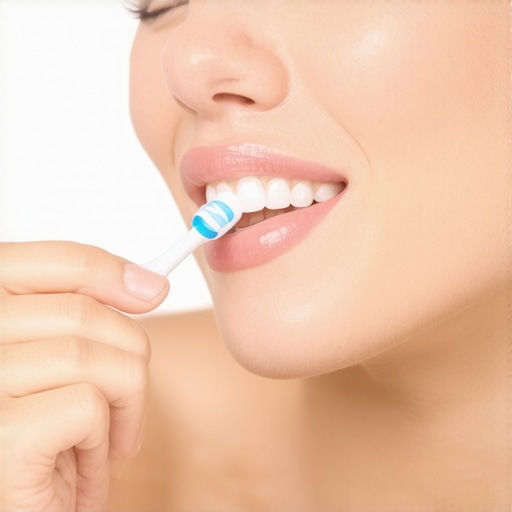
Visual guide to proper brushing technique with an electric toothbrush emphasizing gentle motions and correct pressure.
While many people assume that cosmetic dental procedures like veneers or teeth whitening are straightforward and risk-free, there’s often a lot more beneath the surface. For instance, a prevalent misconception is that veneers are a permanent fix without complications. In reality, improper placement or choosing the wrong type of veneer can lead to porcelain chipping or gum irritation over time. It’s essential to understand the nuanced differences between veneers and crowns, which can significantly impact your smile’s longevity and health. For a detailed comparison, check out [Veneers vs. Crowns: Which is Right for Your Smile](https://smilegumcare.com/veneers-vs-crowns-which-is-right-for-your-smile).
Many believe that dentistry for families is only about cavity prevention, but this overlooks the importance of personalized care for each age group. Neglecting early orthodontic assessments or ignoring children’s unique dental needs can lead to more invasive treatments later. Regular visits to a comprehensive [family dentistry practice](https://smilegumcare.com/family-dentistry-building-healthy-smiles-for-every-generation) can prevent these issues.
When it comes to Invisalign, there’s a common myth that it’s only suitable for minor corrections. However, advanced cases involving significant malocclusion can also benefit from this discreet treatment, provided the dentist has enough expertise. Advanced planning and precise monitoring are key. For insights into achieving optimal results, explore [Invisalign Secrets: Achieving a Perfect Smile Discreetly](https://smilegumcare.com/invisalign-secrets-achieving-a-perfect-smile-discreetly).
As for teeth whitening, many think results are instant and without risks. But overusing whitening products or choosing unprofessional treatments can lead to enamel erosion or increased sensitivity. Investing in professionally supervised whitening options, as discussed in [Top Teeth Whitening Strategies for 2025](https://smilegumcare.com/brighten-your-life-top-teeth-whitening-strategies-today), ensures safer and longer-lasting results.
A crucial nuance often missed is that cosmetic procedures should consider underlying dental health. For example, veneers won’t fix ongoing grinding or alignment issues. Neglecting these factors can cause veneers to fail prematurely. Always consult with a specialist to tailor treatments that address both function and aesthetics.
**Have you ever fallen into this trap? Let me know in the comments!**Maintaining the longevity and effectiveness of your dental enhancements such as veneers, Invisalign, or professional teeth whitening requires a combination of the right tools and a disciplined routine. I personally rely on specific equipment and software to monitor and maintain my dental health effectively, and these can make all the difference in your long-term results.
First, I swear by an ultrasonic cleaner designed specifically for dental appliances like aligners and retainers. Brands like CariPRO have proven to reach all those tricky nooks and crannies, ensuring your devices stay hygienic without damaging sensitive materials. Regular cleaning with such ultrasonic devices prevents plaque buildup and discoloration, which could compromise your treatment outcomes.
Second, using a quality water flosser, such as the Waterpik Aquarius, has transformed my daily oral hygiene. It’s particularly effective for cleaning around veneers or braces, where traditional floss may miss debris. The pulsating stream gets into tight spaces, reducing plaque and maintaining gum health, essential for preserving veneers or ensuring the success of long-term orthodontics.
Beyond tools, I incorporate advanced software like Dental Monitoring, which allows my dentist to remotely track my progress with Invisalign or teeth whitening treatments. It provides high-resolution images and scans to catch potential issues early—think of it as having a dental assistant in your pocket. This digital oversight not only encourages accountability but also ensures that my results remain predictable and safe.
In terms of maintenance routines, I schedule quarterly check-ins with my dental professional for professional cleanings and evaluations. This way, any subtle signs of wear or issues with veneers can be addressed before they escalate. Regular assessments keep my smile looking its best and help catch unforeseen problems early.
Looking ahead, the trend in dental maintenance is moving towards smarter, AI-driven tools that provide personalized care plans. Devices equipped with sensors or apps that track brushing habits and enamel health are gaining popularity, promising even more tailored and effective maintenance strategies.
**So, how do I maintain my dental enhancements over time?** I recommend adopting a multi-faceted approach: Invest in ultrasonic cleaners for hygiene, use a water flosser for daily debris removal, leverage digital tools for remote monitoring, and keep consistent with professional check-ups. These practices, combined, ensure your investment in cosmetic or orthodontic treatments stands the test of time.
Ready to elevate your routine? Try integrating an ultrasonic device into your daily cleaning regimen or explore the latest in remote monitoring solutions. Your smile’s health and beauty depend on it! For more insights into optimizing your dental care, visit [Invisalign Secrets: Achieving a Perfect Smile Discreetly](https://smilegumcare.com/invisalign-secrets-achieving-a-perfect-smile-discreetly).
My journey through veneers, Invisalign, and teeth whitening taught me that achieving a stunning smile isn’t just about the procedure itself—it’s about how you sustain it over time. I’ve learned that small, intentional habits can dramatically extend the life of your dental investments. Regularly using ultrasonic cleaners for aligners and retainers, for instance, keeps them hygienic and prevents discoloration, which many overlook. Similarly, incorporating a water flosser into your routine enhances access to hard-to-reach spots, protecting your veneers and orthodontic work from plaque buildup.
Moreover, leveraging digital tools like Dental Monitoring allows for remote check-ins, catching minor issues before they escalate. This proactive approach saved me from potential setbacks and gave me peace of mind. Regular professional cleanings aren’t just about appearance—they preserve your investment. These habits have empowered me to enjoy my smile confidently, knowing I’m giving my dental results the care they deserve. Remember, a radiant smile is a long-term commitment, but with the right routines, it becomes second nature.