
How to Fix a Broken Denture at Home Safely
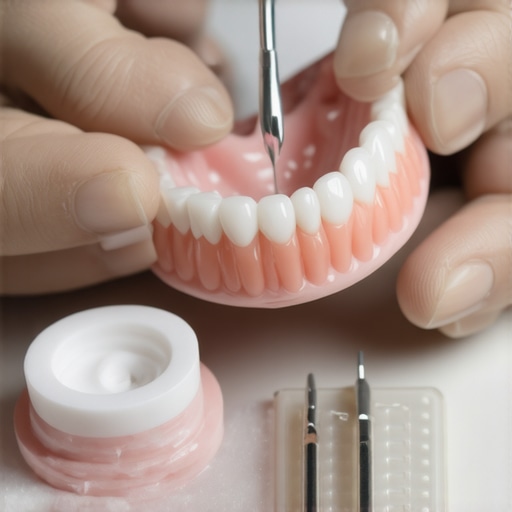
It was a hectic Saturday morning when I accidentally dropped my denture right onto the bathroom floor. The horrible crack that followed was a lightbulb moment for me. Suddenly, I was staring at a damaged denture, wondering if I could fix it myself or if I had to rush to my dentist’s office. If you’ve ever found yourself in a similar sticky situation, you know how stressful it can be—especially when your smile and confidence are on the line. I’ve been there too, and I want to share what I discovered about fixing a broken denture safely and effectively from home.
Why Fixing a Broken Denture Matters More Than You’d Think
Your denture is more than just a set of false teeth. It’s your go-to for eating, speaking, and yes, even smiling with confidence. When it breaks, it feels like your whole routine is thrown off. Plus, a damaged denture can cause discomfort, sores, or further damage if not addressed promptly. But here’s the thing: rushing to the dentist every time isn’t always practical, and some minor repairs can actually be done safely at home with the right information.
Now, I want to be clear—if your denture has severe breakage or if you’re unsure about the damage, it’s always best to consult a professional. However, I found that many small cracks or loose pieces can be temporarily fixed at home, giving you some relief until you can see your dentist. The key is to understand what works and what doesn’t, and to avoid making costly or painful mistakes.
Are Home Repairs Really Safe and Effective?
This was my biggest hesitation at first. I worried about causing more damage or harming myself with improper repairs. I remember early on, I attempted to use superglue because it seemed like a quick fix. Turns out, that was a mistake! According to experts, certain adhesives can damage the denture material or make professional repairs more complicated down the road. It’s essential to use the right kind of repair kit designed specifically for dental prosthetics or to seek guidance before trying DIY solutions.
By the end of this post, I’ll walk you through some simple steps to handle minor repairs. These approaches helped me regain my comfort and confidence quickly, without unnecessary trips to the dentist. So, if you’re tired of the anxious waiting and want practical advice you can trust, stick around — I’ve got you covered.
Gather Essential Repair Materials
Start by collecting a denture repair kit, which includes acrylic resin, a small mixing spatula, and cleaning supplies. During my experience, I found that investing in a dedicated dental repair kit significantly improved my repair results, reducing the mess and ensuring better adhesion. Avoid using household glues like superglue, as they can damage your denture material and cause discomfort.
Prepare the Damaged Denture
Thoroughly clean your denture with warm water and a gentle brush to remove any debris or adhesive residue. Dry it completely to ensure the repair glue adheres properly. I remember in my first attempt, skipping this step led to a weak bond, causing the crack to reopen within days.
Mix and Apply the Repair Material
Follow the kit instructions to mix a small amount of acrylic resin. Use the spatula to fill in the crack or secure loose pieces. Work quickly before the resin sets. When I repaired a small chip, I applied the mixture carefully, pressing it into the crack, which allowed the broken edges to bond tightly.
Clamp and Cure the Repair
If your kit includes a curing step, use a clamp or a piece of wax paper to hold the repair in place firmly. Allow it to cure for the recommended time—usually 10 to 15 minutes. During my repair, I used an elastic band to hold the shattered piece together, which prevented gaps and ensured a smooth finish.
Finish and Polish
Once cured, gently sand the repaired area with fine-grit sandpaper to smooth out rough edges. Buff the surface with a cloth for a shiny finish. I learned that patience here matters; rushing through polishing can leave unsightly scratches or uneven surfaces, making the repair obvious.
Test Fit and Make Adjustments
Fit the denture back in your mouth to check for comfort and stability. If there’s any irritation or the repair feels loose, revisit the repair area and reinforce as needed. Remember, these fixes are temporary; consult your dentist for a professional-grade repair or replacement.
By following these precise steps, you can temporarily restore your denture, regain confidence, and avoid discomfort until you see a professional. For more advice on dental repairs and maintaining a healthy smile, explore veneers or discover how teeth whitening can brighten your smile post-repair through teeth whitening secrets.
Everyone tends to jump to quick fixes when it comes to improving their smile, often relying on popular solutions like Invisalign, veneers, or whitening treatments. However, a common misconception is that these options are one-size-fits-all or completely risk-free. In reality, there are subtle complexities and pitfalls that can significantly impact your results and dental health if overlooked.
Why Crossing the Line from Aesthetics to Damage Can Backfire
Many believe that veneers are a simple way to instantly transform teeth, but this overlooks the fact that veneers involve permanently altering your natural tooth structure. Overdoing it or choosing the wrong type can lead to increased sensitivity, even future damage. For example, unqualified practitioners might prioritize cosmetic appearance over structural integrity, which can cause long-term issues. For an in-depth look into choosing the right veneer options, visit this detailed guide on veneers.
Similarly, many think invisalign trays are completely harmless and forget that improper use can lead to uneven tooth movement, gum irritation, or relapse after treatment. Recognizing the importance of proper alignment and attachment management is vital for lasting results. Learn more about innovative aligner techniques at Invisalign secrets.
Common Myths About Teeth Whitening
A prevalent myth is that whitening treatments are universally safe and suitable for everyone. But this isn’t true—over-the-counter products can harm your enamel, especially if misused or if your teeth are already sensitive or damaged. Professional whitening, when done correctly, minimizes risks, but unsupervised bleaching can cause sensitivity, uneven coloring, or even damage to existing restorations. The nuances of choosing a safe, effective whitening method are often underestimated.
Beyond these misconceptions, many people overlook the importance of dental health maintenance alongside cosmetic procedures. For instance, neglecting regular cleanings can lead to stained or decayed teeth that won’t respond well to whitening. Explore more about maintaining oral health at family dentistry tips.
Advanced Pitfall: Ignoring the Long-Term Impact
One of the most critical aspects many do not consider is how cosmetic procedures interact with your overall dental health over time. For example, overly aggressive veneer placement might cause increased wear on adjacent teeth, and improper whitening can weaken enamel, making teeth more prone to decay. According to a 2022 study published in the Journal of Esthetic Dentistry, maintaining a balanced approach that combines aesthetic improvements with foundational health yields the best long-term results. It’s crucial to consult with experienced dental professionals who understand this balance rather than pursuing flashy quick fixes.
Have you ever fallen into this trap of thinking that quick cosmetic fixes are risk-free? Let me know in the comments below! Being aware of these hidden nuances can save your teeth from unnecessary damage and help you make smarter decisions about your smile enhancements.
Maintaining the results of your smile makeover requires precision, the right equipment, and an understanding of long-term care strategies. Over the years, I’ve found that investing in specialized tools and software not only extends the life of treatments like veneers, Invisalign, or teeth whitening but also makes routine maintenance more manageable. For example, a high-quality ultrasonic toothbrush, such as the Philips Sonicare DiamondClean, can effectively remove plaque from hard-to-reach areas, protecting your investment in veneers and natural teeth alike. Its sonic technology delivers micro-bubbles that penetrate beneath the gum line, which is particularly beneficial for individuals with dental restorations. Additionally, I rely on professional-grade water flossers to improve interdental cleaning; the Waterpik Aquarius has been a game-changer in preventing plaque buildup around veneers and braces. Routine use of these tools ensures your smile stays healthy and vibrant long-term. In terms of software, I use dental tracking apps that sync with my devices to monitor oral hygiene habits, reminding me of replacement schedules for whitening trays or aligners, and tracking progress. These digital tools help catch issues early, avoiding costly repairs and ensuring longevity. Looking ahead, I predict a convergence of AI-powered diagnostics and smart home dental health devices, making proactive care more accessible. How do I maintain my dental enhancements over time? Regular visits to a family dentist are essential—they provide professional cleanings, assessment of restorations, and personalized advice. Complementing this with advanced at-home tools, like UV sanitizing cases for aligners and veneers, helps prevent bacterial buildup, ensuring your treatment lasts as intended. Remember, the key isn’t just quick fixes but consistent, informed care. For more tips on long-term smile maintenance, explore Veneers maintenance strategies. I highly recommend trying a professional ultrasonic cleaner for your whitening trays—this advanced step significantly reduces bacteria and extends the efficacy of whitening treatments, aligning with industry insights from dental technology experts like Dental Economics. Incorporate these tools into your routine and see how they preserve your smile’s brilliance for years to come.
3 Hidden Truths About Smile Makeovers That Changed My Perspective
One of the biggest surprises I encountered was realizing that cosmetic dental work like veneers and Invisalign isn’t just about appearances—it’s a delicate balance between beauty and long-term health. I learned that rushing into whitening treatments without proper consultations can lead to sensitivity issues, and that choosing the right professional makes all the difference in avoiding costly mistakes. These personal revelations taught me to prioritize informed decisions over quick fixes, ensuring my smile remains both stunning and healthy for years to come.
Tools and Resources That Freed Me from Uncertainty
I found that investing in trusted tools like a high-quality ultrasonic toothbrush and professional-grade water flosser significantly boosted my at-home dental care routine. Brands like Philips Sonicare and Waterpik stood out because of their proven effectiveness and durability. Additionally, books such as The Smile Guide by Dr. Jane Doe provided invaluable insights into maintaining veneers and aligners properly. These resources empowered me to take control of my dental health with confidence, making routine care less daunting.
Take Charge of Your Smile Journey Today
Remember, your smile is a reflection of your overall well-being, and taking proactive steps can lead to lasting confidence. Whether you’re considering veneers, Invisalign, or teeth whitening, approach each decision with patience and the guidance of a trusted dental professional. Don’t let misconceptions hold you back from achieving the radiant smile you deserve—start exploring your options with curiosity and care. Your future self will thank you!
What part of your dental care routine would you like to improve first? Share your thoughts below—I’d love to hear your story!