
The Truth About Using Lemon Juice to Whiten Teeth
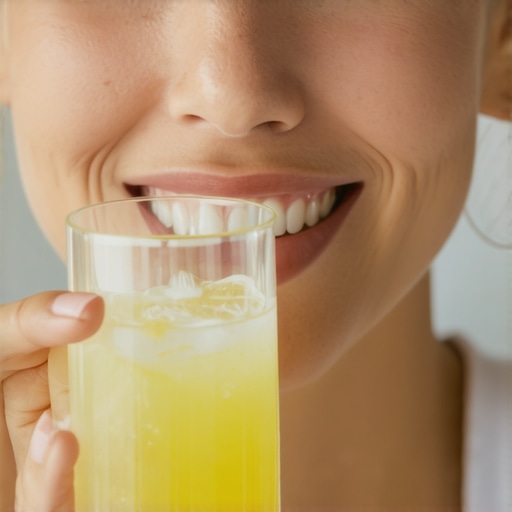
I still remember the day I decided to try lemon juice as a natural teeth whitening remedy. I was at my kitchen counter, squeezing lemons like a mad scientist, convinced that this bright yellow fruit held the secret to a dazzling smile. But shortly after, I felt that sharp, stinging sensation on my gums—an eye-opener about how easy it is to fall for quick fixes that seem too good to be true. That moment was my lightbulb—I realized there’s a lot of misinformation about natural teeth whitening methods, especially involving lemon juice.
Why Trusting Your Smile to Lemon Juice Can Be Risky
Many people jump on the bandwagon of DIY whitening tricks, often driven by social media mythos or personal stories. Lemon juice, in particular, is touted for its natural bleaching properties, but what few know is that the citric acid in lemons can actually erode your enamel over time. Enamel is the protective layer of your teeth, and once it’s gone, no whitening treatment—natural or professional—can fully reverse the damage.
Actually, I made a major mistake early on—using lemon juice daily without understanding its effects. This oversight nearly led to increased tooth sensitivity and even small cracks forming in my enamel. It’s a common pitfall for many who want fast results but forget that teeth are delicate, biological tissues, not kitchen scrubbers.
According to the American Dental Association, overuse of acidic substances like lemon juice can cause enamel erosion, leading to yellowing, increased decay, and tooth sensitivity. So, before you grab that lemon wedge, it’s crucial to understand the risks involved.
Does this sound familiar? Have you ever tried natural remedies that backfired or left you questioning their safety? You’re not alone, and luckily, there are proven, safe options to brighten your smile that don’t risk your dental health.
In the next sections, I’ll share genuine tips and effective strategies to achieve a radiant smile safely—no lemons required. Plus, I’ll guide you through the do’s and don’ts to avoid common pitfalls.
Start with Proper Oral Hygiene
Before considering whitening options, ensure you’re brushing twice daily with fluoride toothpaste and flossing daily to remove plaque. A clean mouth provides a good baseline for any whitening efforts and helps prevent stains from forming.
Choose the Right Whitening Methods
Opt for professional whitening treatments offered by your dentist, which use controlled-strength agents and safe application techniques. For example, in-office whitening can lighten teeth by several shades quickly and safely compared to over-the-counter products. For more insights on effective options, visit this comprehensive guide.
Incorporate Whitening Toothpaste and Rinses
Use whitening toothpaste with mild abrasives to help remove surface stains. Whitening rinses can also aid in maintaining brightness but should complement, not replace, regular brushing. Remember, these products are less potent than professional treatments but are useful for maintenance.
Be Mindful of Dietary Choices
Limit consumption of stain-causing foods and drinks such as coffee, tea, red wine, and berries. When you indulge, rinse your mouth with water afterward. Using a straw can also minimize contact of staining agents with your teeth, much like a shield reducing exposure during a battle.
Utilize Home Remedies with Caution
Some natural options, like baking soda, can gently remove surface stains when used sparingly. For instance, I tried a homemade paste and gently brushed my teeth, noticing a slight improvement without damaging my enamel. However, avoid high-acid concoctions like lemon juice, which can erode enamel and negate any whitening benefits.
Consult Your Dental Professional Regularly
Schedule routine check-ups to monitor your dental health and discuss whitening options suitable for your teeth. Techniques like Invisalign or veneers may be recommended based on your specific needs, especially if you’re looking for long-lasting results.
Avoid Common Pitfalls
Don’t overuse acidic substances like lemon or vinegar—they can compromise your enamel, leading to more discoloration in the long run. Instead, focus on methods that protect your enamel while enhancing brightness. Remember, patience and consistency are key to a radiant smile without risking damage to your dental health.
Many patients believe that veneers are a quick fix for any dental imperfection, but the reality is more nuanced. A common misconception is that veneers can permanently correct all aesthetic issues without considering underlying dental health—this oversimplification can lead to unnecessary procedures or dissatisfaction. In fact, a thorough evaluation of enamel thickness and tooth structure is crucial before recommending veneers, as inappropriate placement can cause irreversible damage.
What should patients understand about veneer longevity and potential risks?
Research indicates that improper bonding techniques or poor oral hygiene can reduce veneer lifespan and increase the risk of chipping or detachment. Recognizing these nuances helps set realistic expectations and ensures long-term satisfaction. 
Advanced question for the seasoned patient: How do evolving diagnostic tools enhance early detection in family dentistry?
Innovations like digital x-rays and intraoral scanners improve early identification of caries or structural issues, allowing preventative measures rather than reactive treatments. Leading studies show these technologies can reduce invasive procedures significantly, emphasizing the importance of staying up-to-date with advancements. If you’re considering how to leverage these innovations, consulting practices that adopt cutting-edge diagnostics can be a game-changer. Have you ever fallen into this trap? Let me know in the comments. Moving to Invisalign, many believe that aligners are just a cosmetic convenience, but there are deeper considerations. Misunderstanding Invisalign’s capabilities can lead patients to underestimate treatment duration or overlook specific bite issues that require adjunctive therapy. While Invisalign offers discreet correction, complex malocclusions might necessitate supplementary procedures like mini-implants or traditional braces for optimal results. The technology is evolving—more practitioners now incorporate 3D planning and real-time progress tracking—making treatment more predictable than ever. To fully harness these benefits, understanding the limitations and appropriate case selection is key. Want to be smarter about your options? Read more about Invisalign innovation at https://smilegumcare.com/invisalign-innovation-invisible-braces-changing-smiles-in-2025-at-1537.
Why is it crucial to differentiate between whitening products and professional treatments?
Over-the-counter whitening gels and strips can cause uneven results or sensitivity if misused, while professional whitening by a dentist ensures safety, efficacy, and lasting outcomes. Many underestimate the importance of controlled application and ingredient strength, which can compromise enamel integrity. Advanced whitening protocols, including custom bleaching trays and strength-adjusted agents, deliver superior results without risking damage. Recognizing these distinctions is vital for choosing the right approach—remember, rapid results may come at a cost if you don’t understand what’s happening beneath the surface. Want to learn more about balancing safety with brightness? Explore https://smilegumcare.com/teeth-whitening-secrets-for-a-sparkling-smile-in-2025. In conclusion, understanding the depth behind common dental topics like veneers, family care, Invisalign, and whitening moves you from a naive patient to an informed advocate for your oral health. Raising awareness about the complexities prevents mistakes and aligns expectations with reality. Have these insights changed your perspective? Share your thoughts below!Maintaining your dental health and aesthetic results over time requires the right tools and equipment. As a dental professional, I trust specific products that have proven effective in my practice and personal routine. One essential device is a high-quality electric toothbrush, such as the Oral-B iO Series. Its oscillating-rotating technology provides superior plaque removal, especially around difficult areas like molars and along the gumline, which is crucial for long-term periodontal health.
For those who have undergone whitening treatments or wish to preserve their results, a custom-fitted whitening tray combined with a professional-grade bleaching gel is a game-changer. Using a custom tray ensures even application and minimizes sensitivity, providing longer-lasting brightness. I recommend the Zoom! Take-Home Whitening Kit, which offers a tailored fit and effective bleaching agents. Remember, avoiding overuse of less controlled options helps prevent enamel damage, as discussed in recent dental research published by the Journal of Esthetic and Restorative Dentistry.
Aligners, such as Invisalign, require proper maintenance to ensure their effectiveness and longevity. I advise my patients to invest in a dedicated retainer case and cleaning tablets like Invisalign Cleaning Crystals. They help disinfect and remove plaque buildup, which is vital to avoiding bacteria growth and preserving the aligner’s transparency. Incorporating a nightly routine of brushing and soaking can dramatically extend the life of the aligners and optimize treatment outcomes.
How do I maintain my dental tools over time?
Regular cleaning, proper storage, and cautious handling are key. For example, for electric toothbrush heads, replace them every three months to prevent bacterial buildup and maintain cleaning efficiency. For whitening trays and aligners, gentle scrubbing with a soft toothbrush and soaking in solutions recommended by your dentist keeps them hygienic.
Looking ahead, technological advancements continue to shape our approach to long-term dental maintenance. Innovations like sonic vibrational toothbrushes with Bluetooth connectivity, such as Philips Sonicare DiamondClean, provide real-time feedback and coaching, which encourages consistent and effective brushing habits. Additionally, digital monitoring tools integrated into some Invisalign systems allow for remote check-ins, reducing office visits and improving convenience.
To stay ahead, I encourage patients to invest in quality, durable tools and stay informed about emerging technologies. For example, exploring the latest in intraoral scanning devices enables precise tracking of oral health changes, including early signs of decay or gum disease. A detailed understanding of these tools empowers you to take proactive steps and work collaboratively with your dentist for optimal results. I personally use the Philips Sonicare app to monitor my brushing routines and set personalized goals—try integrating it into your daily habits for noticeable improvements.
By adopting these specific tools and habits, your journey to a healthier, brighter smile becomes more manageable and sustainable. Remember, consistent care and professional guidance are the pillars of long-term success. Curious about more advanced techniques to preserve your dental achievements? Visit this resource for expert tips on maintaining whitened teeth.
Don’t wait—start incorporating a high-quality electric toothbrush into your routine today and feel the difference in your dental health!
Lessons That Changed My Approach to Smile Makeovers
One of the biggest realizations I had was that quick fixes are often tempting but rarely the best long-term solutions. Thinking I could just whiten my teeth casually with over-the-counter products led to sensitivity and disappointment. The real game-changer was understanding that investing in professional care, like custom whitening or veneers, yields genuine results without risking damage.
I also learned that not all Invisalign treatments are created equal. It’s tempting to assume aligners are just about invisibility, but the truth is, proper planning and clear communication with your dentist make an enormous difference—something I wish I had prioritized from the start. Recognizing the importance of a comprehensive evaluation early on saved me from unnecessary adjustments and extended my treatment’s success.
Another lesson was that family dentistry isn’t just a routine; it’s the foundation of a lifetime of healthy smiles. Early detection of minor issues, especially in children, can prevent complicated procedures down the line. Prevention truly is better—and more affordable—than cure, a perspective I adopted after witnessing the impact of regular check-ups.
Tools That Reinforced My Confidence
Over time, I discovered that high-quality electric toothbrushes, like the Philips Sonicare DiamondClean, significantly elevate daily hygiene. Paired with personalized whitening kits and proper aligner maintenance products, these tools keep my smile bright and my dental appliances in top shape. I trust these insights not only from my personal experience but also from reading extensively at this informative resource.
Continuously updating my knowledge about technological advances, like intraoral scanners and digital X-rays, has empowered me to advocate for better preventive care. These innovations detect issues early, saving time and preserving my oral health – something I consider priceless.
The Heart of the Matter: Believing in Your Smile’s Potential
Ultimately, embracing patience, education, and proactive care has transformed my perspective. Your journey with veneers, family dentistry, Invisalign, or teeth whitening is uniquely yours—and understanding the depth behind these options helps you make confident decisions. My advice? Don’t rush the process and consult with professionals who prioritize your dental health as much as your aesthetics.
Remember, a radiant smile isn’t just about appearance; it’s a reflection of your overall health and confidence. If you’re ready to take the next step, explore trusted resources and be proactive about your oral well-being. What’s one thing you wish you’d known before starting your smile transformation? Share below—I’d love to hear your insights!