
Why Your Teeth Feel Weird After a Filling
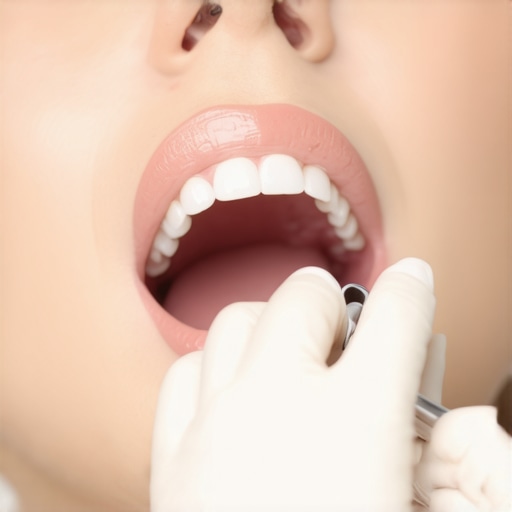
It happened during a routine dental visit—the moment I felt that strange, unsettling sensation in my mouth after my filling was done. One minute, everything seemed fine; the next, my teeth felt off—almost numb, sometimes tingly, and at other times oddly sensitive. It was as if my smile had become a foreign landscape overnight. Frustrating and a little frightening, I wondered if this weird feeling would ever go away or if I had somehow messed things up myself.
Why Do Teeth Feel Weird After a Filling? The Unexpected Reality
Many folks, like me, don’t realize that experiencing odd sensations after getting a filling isn’t uncommon. The dental procedure involves more than just filling a cavity; it temporarily disturbs the nerve endings and the surrounding tissues. This can lead to feelings of numbness, tingling, or even a sensation that your tooth is now behaving weirdly. The good news? In most cases, these sensations fade as the nerve adjusts, but understanding what’s happening can help reduce anxiety.
Are You Overthinking If This Is Normal? Here’s What I Learned
One mistake I made early on was rushing to assume I ruined my tooth or that I had some secret infection brewing. Instead, I discovered that these weird feelings are often just part of the healing process. According to dental experts, nerve endings can become temporarily inflamed or irritated during the filling, leading to altered sensations, which usually resolve in a few days to weeks. To keep your mind at ease, it helps to recognize that your body’s natural healing response is at work.
Have you ever experienced this odd sensation after a dental filling? If so, you’re not alone. This experience is more common than many realize. The key is to know what to expect and when to seek further advice.
Understanding these sensations allows us to approach the situation calmly and avoid unnecessary worry. Next, we’ll explore the practical steps to manage and mitigate these feelings, ensuring your recovery is as smooth as possible. For personalized advice or to discuss your specific case, don’t hesitate to contact your dentist through [this link](https://smilegumcare.com/contact-us-2). Stay tuned, because the healing journey is usually simpler than it feels right now.
Assess Your Symptoms Clearly
When teeth feel weird after a filling, start by noting whether the sensation is sharp, dull, or tingling. I once experienced a numbness that persisted for three days. To evaluate, gently press around the affected tooth and see if pain or sensitivity changes. Keep a diary of symptoms to share with your dentist if needed.
Maintain Gentle Oral Care
Use a soft-bristled toothbrush and avoid abrasive toothpaste, which can irritate the sensitive nerve endings even more. I remembered my first session, where I switched to a toothpaste made for sensitive teeth, and the discomfort reduced significantly within a few days. Consistent, gentle brushing helps prevent aggravating the nerve while it heals.
Implement Comfort-Boosting Practices
Swish with warm salt water to reduce inflammation and soothe tissues. When my gums felt inflamed, a homemade saline rinse eased the soreness and improved healing. Avoid extremely hot or cold foods that trigger sensitivity—think of it like shielding your teeth from electrical shocks during recovery. This approach minimizes stress on your nerves and promotes healing.
Adjust Your Diet Strategically
Limit sugary and acidic foods, which can worsen nerve irritation and sensitivity. For example, I temporarily cut out citrus and sugary snacks during my recovery period and noticed a quick decline in discomfort. Opt for bland, soft foods—mashed potatoes, yogurt, or smoothies—and cut the chewing effort to give your teeth a break.
Use Over-the-Counter Remedies Wisely
Apply desensitizing gels containing potassium nitrate directly to the affected area. I gently dabbed an over-the-counter gel before bed, which helped diminish the tingling sensation overnight. Be cautious to follow instructions and avoid overusing, as excess could cause additional irritation.
Monitor and Time the Recovery
Expect some sensations to fade within a week or two. However, if symptoms worsen or persist beyond that, consult your dentist promptly. I made a habit of checking my teeth daily, noting improvements or abnormalities, which helped me determine if professional intervention was necessary. Patience combined with vigilant observation is key.
Seek Professional Guidance When Needed
If discomfort persists or becomes severe, schedule a dental checkup through this contact page. During my visit, the dentist examined my nerve response and confirmed that the sensations were part of normal healing. Sometimes, additional treatments like nerve therapy or re-filling might be required, but most cases resolve naturally with these steps. Remember, timely professional advice ensures proper recovery and prevents complications.
Many people assume that veneers, Invisalign, teeth whitening, and family dentistry are straightforward solutions with predictable outcomes, but that couldn’t be further from the truth. A common misconception is that all veneers are the same—many believe that a simple porcelain veneer is universally suitable for aesthetic improvement. However, according to dental specialists, the choice between veneers and crowns depends on multiple nuanced factors like tooth structure, aesthetic goals, and longevity expectations. For instance, veneers are less invasive but may not be suitable for severely damaged teeth, which leads many to overlook the importance of personalized treatment planning. For a detailed comparison, check out [Veneers versus Crowns](https://smilegumcare.com/veneers-vs-crowns-which-is-right-for-your-smile).Maintaining your beautiful smile requires more than just routine brushing and visits to the dentist. Equipping yourself with the right tools and adopting diligent maintenance practices can significantly extend the lifespan of veneers, Invisalign devices, and teeth whitening results. Personally, I rely on advanced equipment and proven routines to ensure long-term success, and I highly recommend them to anyone serious about their dental health.
Invest in the Right Instruments for Daily Care
Using an electric toothbrush with a timer ensures consistent and thorough cleaning, which is crucial for preserving restorations like veneers and crowns. I personally prefer the Philips Sonicare DiamondClean, as it offers superior plaque removal and gentle care, reducing wear on sensitive veneers. Complementing this with a water flosser, such as the Waterpik Water Flosser, helps reach tricky spots around braces or permanent retainers, preventing plaque buildup that could compromise long-term results.
Implement Specialized Products for Protection
Desensitizing gels containing potassium nitrate can be applied nightly to guard against sensitivity and maintain brightness after whitening treatments. My go-to is the Colgate Sensitive Pro-Relief because it creates a protective layer that lasts, minimizing discomfort from temperature changes or acidic foods. Regular use of fluoride varnish, applied during professional check-ups, adds an extra layer of protection particularly important for patients with veneers or enamel erosion.
Schedule Routine Professional Check-ups
Even with excellent daily habits, periodic professional assessments are essential. They allow your dentist to evaluate the integrity of veneers, the fit of Invisalign aligners, and the brightness of teeth whitening. I make it a point to have bi-annual exams and cleanings, ensuring any minor issues are addressed before they escalate. These visits often include polishings that remove surface stains and cement any loose veneers, preserving their appearance and function. For comprehensive guidance, consider visiting the detailed resources at Veneers Made Simple.
Use Smart Technology to Track Your Smile Maintenance
I’ve started using a smartphone app, SmileMate, which assists in tracking changes to my dental health over time through regular photos and symptom logs. This technology can alert you to subtle shifts—like wear or discoloration—that might otherwise go unnoticed. Keeping an eye on these details helps you coordinate with your dentist proactively, ensuring your investment in aesthetic improvements lasts as long as possible. As dental technology continues evolving, integrating these tools will become more accessible and essential for maintaining results.
Think About Future Trends in Dental Care
Advancements like AI-powered diagnostics and biocompatible materials promise even more durable and natural-looking restorations in the coming years. Trends suggest an increasing shift towards personalized maintenance protocols based on your unique oral microbiome, which could revolutionize long-term care. Staying informed about these developments allows you to adopt cutting-edge practices early, potentially saving time and costs in the future.
How do I maintain veneer longevity and teeth whitening effects over time?
Consistent use of gentle, quality tools like electric toothbrushes, specialized protective products, and regular professional evaluations are key. Additionally, consider incorporating new technologies that help monitor your smile’s health. For instance, a 2023 study highlights the efficacy of digital imaging for early detection of minor damages to veneers, allowing timely intervention before significant repairs are needed. To stay ahead, try adopting a smart tracking app for your dental health—it’s a game-changer in proactive maintenance. For personalized advice or to explore the latest tools, contact your dentist through this link.
What the Subtle Signs Taught Me About Smile Healing
Experiencing weird sensations after a filling made me realize that patience and attentive observation are essential in dental recovery. Small, seemingly insignificant changes can signal that your body is working behind the scenes, and recognizing these signs empowers you to trust the healing process rather than panic.
Prescription for Peace: Listening to Your Body
Initially, I was quick to assume the worst when my teeth felt off. However, I learned that gentle monitoring and gentle care—like saltwater rinses and avoiding heat-sensitive foods—can make all the difference. Sometimes, the best remedy is simply giving your nerves time to adjust and heal.
Hidden Gems in My Dental Arsenal
Over the years, I’ve discovered invaluable tools that support my smile maintenance, such as electric toothbrushes with timers, desensitizing gels, and water flossers. These aren’t just gadgets—they’re investments in longevity for veneers, Invisalign retainers, and whitening treatments. I trust brands like Philips Sonicare and Colgate Sensitive because they bring real results and peace of mind.
Professional Check-ins Are a Game-Changer
Bi-annual dentist visits aren’t just about cleaning; they’re about strategic upkeep. During these visits, my dentist assesses the health of my veneers and aligners, catching issues early. Personalized guidance, backed by advanced technology like digital imaging, helps me sustain my smile’s brilliance and function long-term.
Choosing Confidence Over Guesswork
My biggest lesson? Empower yourself with knowledge and the right tools. Embrace proactive care—it’s the secret to a resilient, stunning smile. For tailored advice, contact your dental professional through this link and stay a step ahead in your dental health journey.