
How to fix the sharp edge on a broken tooth with dental wax
There I was, halfway through a glorious slice of sourdough, when I heard that sickening crunch. It wasn’t the crust. My heart sank as my tongue immediately darted to the back of my mouth and found a new, jagged mountain peak where my smooth molar used to be. Within twenty minutes, that sharp edge felt like a razor blade. Every time I swallowed or spoke, it sliced into the side of my tongue. It’s funny how a tiny chip can dominate your entire existence. I’ve helped plenty of people through family dentistry emergencies, but when it’s your own mouth, panic sets in fast. Today, I’m going to show you exactly how to tame that ‘mouth-knife’ using dental wax so you can actually eat and sleep until you get into the dentist’s chair. Have you ever chipped a tooth on something totally ridiculous like a soft piece of fruit or a bagel?
When Your Tongue Becomes an Enemy to Your Mouth
I’ll be the first to admit I made a huge mistake when this happened to me. I thought, ‘Hey, I can handle this,’ and I spent three hours trying to ‘smooth’ the edge with my own fingernail. Don’t do that. It just makes the area more irritated and introduces bacteria. According to the American Dental Association, a broken tooth should be seen by a professional immediately to prevent infection, but the reality is that chips happen at 9 PM on a Friday. If you’ve ever wondered how to hide a chipped front tooth or manage a jagged back one, the answer is often sitting in the pharmacy aisle for three dollars.
Does This Little Piece of Wax Really Do Anything?
You might be looking at that tiny strip of clear wax and thinking it’s about as useful as a screen door on a submarine. I get it. I was a skeptic too. But the goal isn’t to ‘fix’ the tooth permanently—it’s to create a protective barrier. It’s a temporary shield that stops the constant friction. Have you ever had a chip that felt like it was literally carving a hole in your cheek? If you have, you know that relief is the only thing on your mind.
Stop the Slicing Before You Can Get to the Clinic
Before you run out to the store, you need to know that not all wax is created equal, and the way you apply it matters more than the brand. If your mouth is already sensitive because you’ve been dealing with the zingers after a whitening session, you have to be even more gentle. The secret is all in the prep work. If the tooth is wet, that wax is going to slide off faster than a wet bar of soap. It’s a lot like trying to figure out why your temporary veneers feel way thicker than the real ones; it takes a bit of finesse to get the texture and placement perfect. I’m about to walk you through the ‘Dry, Roll, and Press’ method that changed my life during my sourdough-induced disaster.
Drying the Tooth is Non-Negotiable
I’ve spent years in family dentistry clinics seeing patients come in with shredded cheeks, and it is almost always because they skipped the most critical first step: drying. Saliva is the natural enemy of dental wax. If you do not get that tooth bone-dry, the wax will slip around like a hockey puck on ice within minutes. I usually grab a clean Q-tip or a small piece of sterile gauze to pat the area. I remember one time, during my own sourdough-induced disaster, I was in such a rush that I tried to just wipe it with my shirt sleeve. It was a total failure. The lint from the fabric got stuck to the sharp edge, and the wax refused to bond to the lint. It ended up being a fuzzy, sticky mess that lasted about thirty seconds. Identify the exact spot where your veneers feel like they are catching on your tongue or where the enamel has fractured, and keep your tongue away from it while you prep the wax.
Roll a Pea-Sized Protective Shield
Grab your container of dental wax and pinch off a piece about the size of a small pea. One of the biggest mistakes I see people make is using a giant glob of wax. They think more coverage equals more protection, but it actually just makes the wax more likely to get caught on your teeth when you speak. Warm the wax between your thumb and index finger for about fifteen to twenty seconds. This friction softens the wax and makes it pliable enough to mold into the nooks and crannies of the fracture. If you try to apply a cold, hard block, it will just sit on top of the tooth like a pebble.
How to Press the Wax into Place
Once the wax is soft and your tooth is dry, press it firmly against the jagged edge. Don’t just lay it on top; you want to use your fingertip to smooth the edges of the wax down so it creates a seamless ramp against the tooth surface. You are looking for a protective buffer that mimics the best way to soothe a sore mouth after an orthodontic adjustment. If the wax feels bulky or prevents you from closing your mouth comfortably, you’ve used too much. The goal is a low-profile shield that stops the friction without changing your bite. This is a similar mechanical fix to when you are trying to stop your aligners from catching on your inner lip—it is all about creating a smooth glide path for your soft tissues.
Take It Out Before You Eat
Dental wax is a brilliant temporary fix, but it is not a permanent adhesive. You absolutely must remove it before you eat or brush your teeth. If you try to power through a meal with the wax in place, you are going to end up chewing it into your food. I once forgot I had a piece in and spent half a dinner party wondering why my appetizer tasted like an unscented candle. It wasn’t dangerous, but it certainly wasn’t pleasant. After you finish eating, rinse your mouth with warm water to clear any debris and repeat the ‘Dry, Roll, and Press’ method. Keeping the area clean is just as important as knowing how to clean the stubborn gunk out of your night guard; you don’t want to trap bacteria under that wax for twenty-four hours. This routine will keep your tongue safe and your sanity intact until you can get into the clinic for a professional repair.While you’re waiting for that repair, it’s tempting to browse the whitening aisle to see if you can brighten things up while you’re at it. But here is where I see the most common and expensive mistakes in family dentistry. Most people believe that the more abrasive a toothpaste is, the cleaner their teeth will be. This is a total myth. I’ve seen patients come in after using charcoal products, only to find they’ve permanently dulled their expensive dental work. According to research published by the Journal of the American Dental Association, there is insufficient clinical evidence to support the safety or efficacy claims of charcoal-based dentifrices, and their abrasive nature can actually lead to increased sensitivity. If you’ve invested in a better smile, knowing the truth about using charcoal toothpaste on porcelain surfaces is non-negotiable.
Can You Actually Over-Whiten Your Teeth?
The short answer is yes. I call it bleachorexia. Many patients think that if a thirty-minute session works well, a two-hour session will work better. In reality, you’re just inviting a world of pain. If you overdo it, you’ll end up searching for how to manage the zingers after a professional whitening session. Even worse, if you have existing composite work, remember that the mistake of using whitening strips on dental bonding is that the natural tooth whitens while the resin stays the same color, leaving you with a multi-colored smile. Another nuance that separates the pros from the amateurs is understanding metamerism. Have you ever noticed the reason your veneers look gray in certain lighting? It usually isn’t a flaw in the material, but a failure to account for how light passes through porcelain versus natural enamel. When we talk about how to transform your smile with veneers, we have to look at the translucency, not just the whiteness. If you go too opaque, they look like plastic chiclets. If you go too translucent, the underlying tooth shade peeks through and looks muddy. One of the biggest traps in modern orthodontics is the eighteen-hour rule. If you are using clear aligners, the problem with wearing your aligners for only 18 hours a day is that your teeth spend the other six hours actively trying to move back to their original positions. You’re basically in a constant tug-of-war with your own jaw. It’s a similar logic to how to stop your teeth from shifting after your braces come off: consistency is far more important than intensity. Have you ever fallen into this trap of skipping a few hours or trying a natural whitening hack that backfired? Let me know in the comments.Maintaining a high-end smile isn’t just about brushing harder; it’s about working smarter with the right tech. I’ve found that the real MVP in my routine is a high-quality water flosser. If you have porcelain work, you’ll notice the reason your porcelain veneers feel gritty to your tongue is often just microscopic plaque buildup that a manual brush misses. I use my water flosser on the lowest setting to sweep away debris from the margins of my veneers without irritating the tissue. This is also a lifesaver if you are constantly trying to figure out how to get a stuck popcorn kernel out from under your bridge. It’s localized pressure that does the job better than any toothpick ever could.
How do I keep my results from fading over time?
The secret is managing your mouth’s chemistry. I always tell my family dentistry patients to think of their enamel like a sponge. If you drink espresso and let it sit, it’s going to soak in. I personally use the ‘sixty-second rinse’ rule: after every cup of coffee or tea, I swish with plain water for a full minute. It’s the easiest way to keep your coffee habit without ruining your new veneers. According to a study in the International Journal of Nanomedicine, using toothpastes containing nano-hydroxyapatite can actually help remineralize small surface defects before they turn into full-blown stains or cavities. It’s like a microscopic ‘patch kit’ for your teeth that I swear by for long-term maintenance.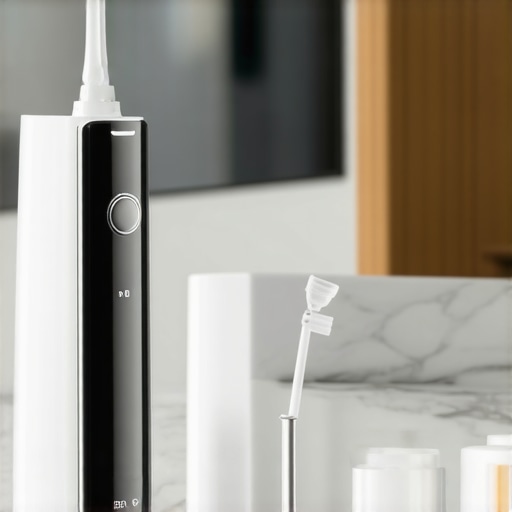
Stop Brushing Like You Are Scrubbing a Floor
Another tool I’ve become obsessed with is the pressure-sensitive electric toothbrush. Most of us are too aggressive. If you see that your gums are receding despite brushing twice a day, you are likely the culprit. I switched to a brush that flashes a red light when I press too hard, and it was a total wake-up call. This is vital for veneers made simple because aggressive scrubbing can actually wear down the glaze on the porcelain over a decade.
The Future of Maintaining Your Smile
I predict we are moving toward a world where your Invisalign innovation isn’t just about moving teeth, but monitoring them in real-time. We’re already seeing the rise of AI-powered scan boxes that allow you to send weekly photos to your dentist from your smartphone. Soon, your aligners might even have sensors to track pH levels or bacterial load. If you really want to level up your routine today, I challenge you to try a ‘pH-balancing’ mouth rinse instead of a standard alcohol-based one. It stops the acid erosion that makes teeth whitening secrets actually last through 2025 and beyond.
The Hardest Lessons I Learned Managing My Own Smile Aesthetics
After years of working within the world of family dentistry and dealing with my own share of ‘sourdough accidents,’ I’ve realized that the biggest barrier to a perfect smile is usually impatience. Here is what I wish someone had told me years ago. First, fear is a bigger enemy than the chip itself. Most minor emergencies feel like disasters because we don’t have a plan. Having a kit ready with dental wax and knowing how to use it turns a panic attack into a minor inconvenience. Second, technology is a tool, not a miracle. Whether you are looking at Invisalign innovation or professional bleaching, these systems only work if you respect the biological limits of your teeth. You cannot rush bone movement or chemical whitening without consequences. Finally, the ‘invisible’ details matter most. I learned that veneers made simple isn’t just about the procedure, but about understanding light and biology. If you ignore the health of your gums, even the most expensive porcelain will look slightly ‘off’ because the frame doesn’t match the art.
My Daily Arsenal for Lasting Dental Results
I don’t just rely on luck; I rely on a curated set of tools that help me avoid those dreaded emergency chair visits. If you’re serious about your oral health, these are the items I keep in my own bathroom cabinet. #IMAGE_PLACEHOLDER_E# I swear by the pressure-sensitive electric toothbrush because it is the only way to truly stop brushing your veneers like they are real teeth. Aggression is the enemy of longevity. I also recommend nano-hydroxyapatite toothpaste for its remineralization properties and a high-quality water flosser. A water flosser is particularly essential for anyone who needs to know how to get a stuck popcorn kernel out from under your bridge without causing trauma to the soft tissue. These tools aren’t just gadgets; they are the insurance policy for your smile investment.
The Future of Your Confident Smile Starts Today
Taking care of your teeth doesn’t have to be a chore or a source of anxiety. Whether you are navigating teeth whitening secrets for a sparkling smile or just trying to keep your natural teeth healthy, the small, consistent habits are what truly pay off in 2025 and beyond. Don’t let a small chip or a minor setback discourage you from the goal of a healthy, radiant smile. Protect your enamel, respect your gums, and always keep a little dental wax in your travel bag—just in case. Have you ever had a dental ’emergency’ happen at the worst possible time, like right before a big event? Let me know in the comments how you handled it!