
Why your teeth feel fuzzy even after you just brushed them
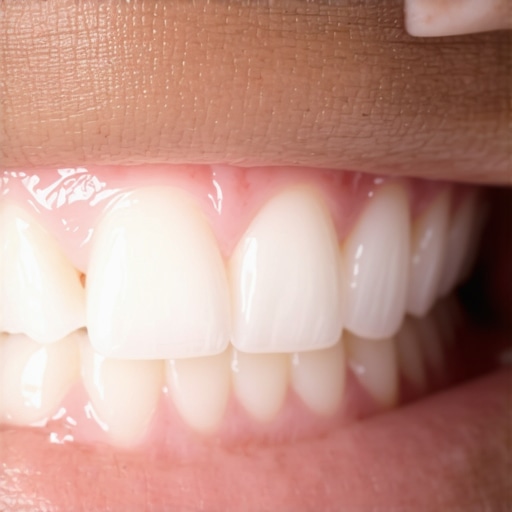
There was a morning when I stared into the mirror after brushing my teeth, expecting that fresh, squeaky-clean feeling. Instead, I was greeted with the unsettling sensation that my teeth still felt fuzzy, like I’d just finished a sugary snack. It was puzzling—and honestly, a bit frustrating. Sure, I brushed thoroughly, but that fuzzy feeling lingered, making me question if I was doing something wrong or if my oral health was in jeopardy. Ever had this happen to you? If so, you’re not alone.
Unmasking the Mystery of That Fuzzy Feel
That persistent fuzziness might seem minor, but it can be a warning sign that something isn’t quite right beneath the surface. Many folks assume brushing is enough, but it turns out, that sensation often points to deeper issues such as plaque buildup, tartar, or enamel irregularities. Understanding why your teeth feel fuzzy is essential because it impacts your oral health and confidence in smiling.
Is Brushing Enough or Is There More to It?
At first, I thought slacking off on brushing was the culprit. But I soon realized I was missing a key step—proper brushing techniques, supplementary flossing, and regular check-ups are all part of the equation. Skipping these can leave residual plaque, which gives that fuzzy, filmy feeling. Trust me, I learned the hard way early on that not all brushing routines are created equal. Incorporating tips from trusted sources such as family dentistry experts helps ensure a comprehensive approach.
Now, perhaps you’re wondering if your cosmetic treatments like veneers, Invisalign, or whitening could play a role. Interestingly, some procedures may temporarily alter surface textures or expose areas prone to tartar accumulation, contributing to that fuzzy sensation. I’ll share more about these interactions as we go along.
But before jumping into solutions, it’s worth asking—have you ever experienced that lingering fuzz after brushing? If so, keep reading. We’re about to dive into practical steps that can restore that smooth, clean feeling and improve your overall oral health.
Mastering Proper Brushing Techniques
During my own journey, I found that switching to a gentle, circular brushing motion made a significant difference. Instead of scrubbing back and forth aggressively, I used a soft-bristled toothbrush held at a 45-degree angle to my gumline. This approach helps remove plaque without damaging enamel or irritating gums. Remember, brushing for at least two minutes ensures all surfaces are covered thoroughly. I once rushed through my routine, which left behind residual plaque, causing that fuzzy feeling to linger. Taking the time pays off.
Incorporate Flossing Regularly
Flossing is like sweeping away debris between teeth that brushing can’t reach. I adopted the ‘C-shape’ method, gently curving the floss around each tooth and moving it up and down. Initially, I avoided flossing due to discomfort, but using a waxed floss made it smoother. Consistent flossing not only prevents plaque buildup but also reduces inflammation that can contribute to that fuzzy sensation.
Optimize Your Dental Hygiene Tools
Using the right tools elevates your oral care game. A powered toothbrush, for example, mimics the expertise of a professional clean, effectively dislodging stubborn plaque. When I upgraded mine, I noticed that my teeth felt noticeably cleaner afterward. Make sure to replace your toothbrush head every three months or sooner if bristles fray. Additionally, using an antiseptic mouthwash can reduce bacteria responsible for plaque formation, giving you a cleaner, smoother feeling post-cleaning.
Careful Use of Mouthwash
Choosing a mouthwash with active ingredients like chlorhexidine or cetylpyridinium chloride helps reduce bacterial load. During my routine, I diluted a medicated rinse to minimize initial burning and still get effective results. Swish for 30 seconds, ensuring coverage of all areas. This step can help prevent plaque buildup that often causes that persistent fuzz.
Address Surface Texture with Professional Treatments
If your teeth feel rough even after diligent at-home care, considering cosmetic procedures like veneers may be beneficial. Veneers are like customized glass covers that smooth out surface irregularities, similar to applying a protective film over a smartphone screen. I experienced a slight roughness before getting veneers, which was remedied by a skilled dentist. Exploring options like veneers can transform that fuzzy, uneven surface into a sleek, polished smile.
Maintain Regular Dental Check-Ups
Scheduling semi-annual visits ensures your dentist can detect and treat plaque buildup before it becomes a problem. During my last appointment, the hygienist used a scaler to remove tartar—hardened plaque that feels like a rough coating. Regular professional cleaning may uncover issues like enamel demineralization, which can contribute to that fuzzy feeling. Don’t wait for discomfort; routine care keeps your smile smooth and healthy.
Monitor and Adjust Your Diet
Consuming sugary or acidic foods can accelerate plaque formation. I started drinking more water and cutting down on sodas, noticing my teeth felt cleaner for longer periods. Chewing sugar-free gum stimulates saliva, which naturally neutralizes acids and washes away food particles. Think of saliva as your mouth’s natural toothpaste, helping to maintain that fresh, smooth sensation.
Be Mindful of Cosmetic Treatments
Procedures like whitening or Invisalign can temporarily alter tooth surface texture. For instance, whitening agents might make enamel slightly rougher initially, leading to a fuzzy feeling. Proper care, including gentle brushing and avoiding abrasive products, minimizes these effects. When I used whitening strips, I followed the recommended regimen and noticed that, after a few days, the smoothness returned, and the fuzzy sensation faded. Regularly reviewing your treatment plan with your dentist ensures these procedures enhance, rather than hinder, your oral health.
Combining these targeted actions—improved technique, professional care, thoughtful treatment choices, and mindful diet—can eradicate that persistent fuzz. Remember, consistency is key in transforming your oral health from feeling fuzzy to feeling flawless.
While many believe they understand the basics of these popular dental procedures, there’s often a hidden nuance that can lead to costly mistakes if overlooked. For instance, a common myth about veneers is that they are permanent and unchangeable, but in reality, they can chip or discolor over time if not properly maintained—contrary to the widespread assumption of everlasting beauty. The secret is understanding that veneers require ongoing care, just like your natural teeth, and selecting the right type depends on your specific dental condition, not just aesthetic preference. Moreover, many assume that family dentistry is mainly about Kids, but experienced family dentists handle complex issues like managing adult orthodontics and restorative treatments, which many overlook. One mistake is underestimating the importance of a dentist who specializes in comprehensive care for all ages, ensuring long-term oral health, not just quick fixes. When it comes to Invisalign, the misconception is that these clear aligners are completely maintenance-free. However, neglecting proper cleaning routines or wearing the aligners inconsistently can lead to delays or unsatisfactory results, a trap many fall into despite the convenience promised. Regarding teeth whitening, the myth persists that all whitening treatments are equally safe and effective. But, customizing whitening approaches based on your enamel’s health—as advised by dental professionals—avoids sensitivity or uneven results, often seen with over-the-counter products. A surprising nuance is that some whitening agents may actually weaken enamel if misused, making professional guidance essential for optimal, safe outcomes.
What advanced patients should consider when combining cosmetic and restorative treatments?
Combining procedures such as veneers and whitening without professional planning can lead to mismatched shades and compromised dental integrity. Expert opinion from the American Academy of Cosmetic Dentistry emphasizes that integrated treatment planning ensures harmony and durability in your smile transformations. Be cautious of impulsive decisions fueled by low-cost promises online; always consult with your trusted dentist to align expectations with realistic outcomes. Remember, superficial fixes might seem tempting but understanding the underlying nuance ensures your investment lasts longer and functions better. Have you ever fallen into this trap? Let me know in the comments.
Investing in Your Smile’s Longevity: Tools I Trust
Maintaining a healthy, dazzling smile over time requires more than just good habits; it demands the right equipment and techniques. Over the years, I’ve tested numerous products, but a few standout essentials have truly transformed my routine and can do the same for you. Electric toothbrushes are game-changers. I personally rely on the Oral-B Genius X because of its ability to adapt to my brushing style and its timers that ensure I brush for the recommended two minutes. The oscillating-rotating technology effectively dislodges plaque, reaching those hard-to-clean areas, especially along the gumline. ” alt=”Close-up of an electric toothbrush” title=”My favorite electric toothbrush for daily cleaning” />
Besides a quality toothbrush, interdental cleaners like Waterpik’s Water Flosser help maintain gum health, especially for those with braces or implants. I use it daily, finding that it clears away debris missed by flossing, reducing the risk of gum inflammation and tartar buildup. Digital UV sterilizers are invaluable in keeping your tools bacteria-free. I recommend the UV Toothbrush Sanitizer to ensure my brushes stay sterile and safe, especially after travel or illness.
Refining Your Routine for Long-Term Results
Using the right tools is only part of the equation. Effective technique and consistency matter immensely. I’ve adopted a comprehensive approach to brushing, including soft circular motions at a 45-degree angle, spending at least two minutes. Flossing remains crucial—here, I favor waxed, shred-resistant floss for comfort and effectiveness. Incorporating antimicrobial mouthwashes, such as chlorhexidine solutions, further reduces bacterial buildup, prolonging the freshness you feel after each cleaning.
Predicting Future Trends in Dental Maintenance
Technological advancements like AI-driven toothbrushes that analyze plaque accumulation in real time are on the horizon. These innovations will personalize dental care, making routine maintenance more effective and less time-consuming. As these tools become mainstream, maintaining your smile will be as intuitive as having a virtual dental assistant guiding your daily hygiene routine. To stay ahead, I recommend embracing smart devices now and experimenting with their features, like the latest intelligent toothbrushes.
How do I keep my dental tools in top shape over time?
Regular cleaning is essential. Rinse brushes thoroughly after use, use UV sterilizers weekly, and replace brush heads every three months. Keep your floss and interdental cleaners in a dry, sterile environment. Clean your water flosser’s tip with alcohol after each use to prevent bacteria buildup. Remember, investing a few minutes daily in tool maintenance prevents bacterial transfer and ensures uninterrupted performance, which directly translates into a healthier, brighter smile over the long term. Don’t forget that professional cleanings and checkups complement your routine; schedule these at least twice a year to catch issues early and extend your tools’ effectiveness. If you’re eager to refine your approach further, try integrating a UV sterilizer into your daily hygiene arsenal—it’s a small step that yields big results.
Hidden Truths About Smile Perfection That No One Tells You
- One of the biggest surprises in my journey was realizing that even the best veneers can chip or discolor if not properly cared for—it’s a lifelong commitment, not a one-time fix.
- I used to think that regular brushing was enough, but I discovered that flossing and professional cleanings are essential to prevent that lingering fuzzy feeling and maintain a bright smile.
- Trying shortcuts with over-the-counter whitening kits often led to sensitivity and uneven results; professional guidance ensures safe, lasting whitening that truly transforms your confidence.
- Consulting a skilled family dentist isn’t just for kids—adults benefit from comprehensive care that can catch potential issues early, saving you time and money in the long run.
- Embracing new technology, like AI-powered toothbrushes, changed my routine dramatically—personalized tips boost effectiveness and make daily hygiene more engaging.
My Top Picks for Maintaining That Sparkling Smile
- Smart Invisalign aligners: Discreet and effective, they helped me achieve a straighter smile without discomfort.
- Custom veneers: When surface irregularities were bothering me, professional veneers provided instant confidence and a sleek look.
- Premium whitening treatments: Safe, personalized, and long-lasting—my go-to for that instant boost in brightness.
- Regular dental checkups: They saved me from potential problems and kept my smile in top condition.
Believe in Your Future Smile Journey
Your smile is a lifelong investment that reflects your confidence and health. Every step—be it adopting better habits, choosing the right tools, or seeking professional care—is a move toward a brighter, healthier you. Don’t wait for problems to become apparent; start today and let your smile shine with pride. Remember, the most beautiful smiles are those nurtured with love, patience, and expert guidance. Are you ready to take the next step in your smile journey? Share your thoughts below—I’d love to hear about your experiences and goals.