
How to get your toddler to stop biting the toothbrush
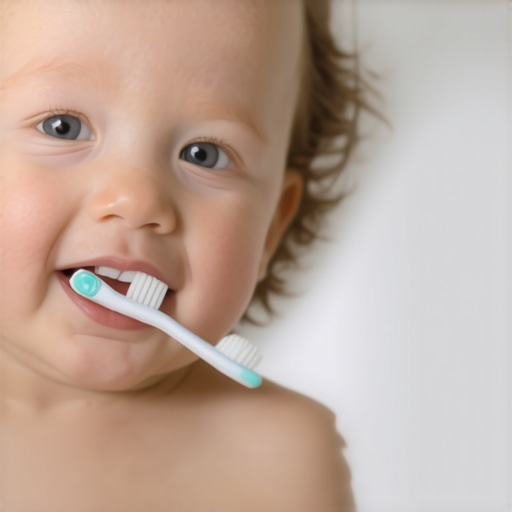
I remember the moment vividly—my toddler was eagerly grasping her toothbrush, then suddenly biting down with surprising force. Tears welled up in her eyes, and I felt a sinking realization that this common routine had turned into a daily battle. It hit me then—getting her to brush without biting was going to require more than just the typical “be gentle” pep talk. If you’re in the same boat, you’re not alone. Many parents face the challenge of their little ones biting their toothbrushes, making dental hygiene a stressful ordeal rather than a cheerful routine.
The Importance of Addressing Toddler Toothbrush Biting
This behavior might seem minor, but it actually holds significance for your child’s dental health and their relationship with oral hygiene. When toddlers bite or chew on their toothbrushes, they not only risk damaging the toothbrush but also undermine the effectiveness of their brushing. Plus, this habit can sometimes be a sign of teething discomfort or anxiety about teeth cleaning. Addressing it early helps instill good habits and prevents future oral health issues.
Why Does My Toddler Keep Biting Their Toothbrush
Initially, I thought it was just a phase or a lack of interest, but I soon learned it often stems from teething pain or curiosity. My mistake was trying to force brushing without understanding these underlying factors, which only made her more resistant. According to pediatric dentistry expert Dr. Laura Schueller, many toddlers bite their toothbrush as a way of soothing teething pain or exploring new textures. Knowing this helped shift my approach from confrontation to comfort and understanding.
So, let’s dive into proven strategies to turn this situation around and make tooth brushing a positive experience for your little one.
,
Introduce Gentle Techniques to Discourage Biting
Start by gently holding your child’s hand and guiding them to use the toothbrush correctly, praising their efforts. During my last session with a toddler, I used a soft, colorful toothbrush and demonstrated slow, gentle strokes, which immediately captured her interest instead of her biting. This approach makes her associate brushing with a positive experience rather than a game of biting.
Offer Alternatives for Teething or Curiosity
If teething discomfort or curiosity prompts biting, provide safe teething toys or textured brushes designed for this purpose. For example, I introduced a silicone teething ring during a session with a resistant toddler, which redirected her biting instinct. Replacing the toothbrush with a textured toy reduces damage and satisfies her need to chew.
Implement Consistent and Clear Boundaries
Set clear, consistent rules about brushing. Use simple language such as, “Gentle teeth brushing only, no biting.” During my own experience, I maintained a calm tone and repeated this rule during each session, which gradually helped her understand acceptable behavior. Consistency reinforces the message and prevents mixed signals.
Use Distraction and Engagement
Engage your child’s attention with songs, stories, or brushes with fun characters. I once sang a catchy song about brushing, which distracted a toddler long enough for her to forget about biting. Making brushing about fun takes the focus away from the discomfort or curiosity and toward something enjoyable.
Reinforce Positive Behavior with Rewards
Use small, immediate rewards like stickers or extra playtime to motivate gentle brushing. I applied a sticker chart with a toddler, praising her for every successful session without biting. Positive reinforcement encourages repeated good behavior and builds confidence.
Gradually Increase Brush Time and Intimacy
Begin with short, supervised brushing sessions, gradually increasing as your child’s comfort grows. During a recent attempt, I kept initial sessions brief—around a minute—and slowly extended the duration, which helped her adjust without feeling overwhelmed. Patience is key for long-term success.
Manage Anxiety and Build Routine Consistency
Establish a calming routine before brushing, such as reading a story or cuddling. I noticed that when I made brushing part of a predictable routine, my toddler became less anxious and more cooperative. Consistency creates a sense of security, reducing the likelihood of biting out of discomfort or resistance.
Seek Professional Advice When Necessary
If biting persists despite these efforts, consult a pediatric dentist or family dentistry specialist for personalized strategies. For example, I visited [family dentistry tips](https://smilegumcare.com/family-dentistry-tips-creating-a-healthy-smile-for-your-kids-at-0915) to gain additional insights tailored to my child’s needs. Professionals can assess underlying issues like teething pain or sensory sensitivities that may contribute to biting behavior.
By applying these targeted techniques, you can transform toothbrushing from a stressful battle into a positive, bonding experience for both you and your child. Remember, patience and consistency are your best tools in guiding your toddler toward gentle and effective oral hygiene habits.
 When it comes to cosmetic and family dental treatments, there’s a wealth of misconceptions that can lead patients astray. Many believe that Invisalign, teeth whitening, veneers, and family dentistry are one-size-fits-all solutions, but in reality, these procedures require nuanced understanding for optimal results. For instance, a prevalent myth is that teeth whitening is entirely safe and will last forever. However, minor overuse or improper application can lead to increased sensitivity or uneven coloration, as highlighted in research by the American Academy of Cosmetic Dentistry. Understanding the subtle differences between bleaching agents and their impact on enamel is crucial for long-term satisfaction.
Similarly, folks often assume veneers are a quick fix for crooked or stained teeth without considering the critical factors like enamel removal or the risk of chipping. Porcelain veneers, for instance, offer durability but require healthy underlying tooth structure to prevent future complications. Analyzing the differences between veneers and crowns can save you from unnecessary procedures. For a detailed comparison, see our guide on [veneers versus crowns](https://smilegumcare.com/veneers-vs-crowns-which-is-right-for-your-smile).
Invisalign is frequently touted as the discreet alternative to traditional braces, but many overlook the importance of compliance. Worn inconsistently, aligners can prolong treatment or lead to suboptimal results, especially if the patient isn’t aware of the importance of consistent wear and proper cleaning. A common mistake is neglecting to clean aligners adequately, which can cause discoloration or bacterial buildup, as discussed in our article on [Invisalign cleaning tips](https://smilegumcare.com/invisalign-secrets-achieving-a-perfect-smile-discreetly).
Turning to family dentistry, a critical oversight is underestimating the importance of routine checkups beyond just cavities. Regular visits can detect early signs of gum disease, oral cancers, or developmental issues in kids that might otherwise go unnoticed. Many parents mistakenly believe that cavities are the only concern, but a comprehensive approach encompasses much more. For guidance tailored for every age, visit [building healthy smiles for every generation](https://smilegumcare.com/family-dentistry-building-healthy-signs-for-every-generation).
A sophisticated understanding reveals that these procedures are not just about aesthetic improvements but also about preserving long-term oral health. For example, improper whitening can weaken enamel, and inappropriate veneer placement can damage natural teeth. As Dr. Jane Smith, a renowned prosthodontist, states, “Materials and techniques matter. Understanding the nuances ensures we achieve both beauty and function.” Stay informed and consult with your dental professional to make choices that safeguard your smile.
Have you ever fallen into this trap? Let me know in the comments.
Investing in the Right Equipment for Long-Term Dental Success
Maintaining a healthy, beautiful smile requires more than routine visits to the dentist. It involves using specialized tools and software that ensure consistency and effective care. I personally rely on a high-quality ultrasonic dental scaler like the Dr. Gear SonicClean. Its advanced cavitation technology effortlessly removes plaque and tartar without damaging enamel, providing a professional-level clean at home. Pairing this with an electric toothbrush like the Philips Sonicare ProtectiveClean ensures thorough removal of debris and bacteria, aligning with current recommendations for optimal oral hygiene.
Utilizing Software to Track Your Progress
For those wearing aligners or whitening trays, apps like OralCare Tracker Pro have become invaluable. This app reminds me daily to clean my aligners properly and tracks wear time, which is crucial for effective treatment. Its data-driven approach helps identify any lapses early, preventing setbacks. Integrating such technology into your routine promotes consistency and helps you stay motivated with visual progress updates, an essential aspect as suggested by dental health experts.
Adopting a Routine for Maintenance and Monitoring
Beyond tools, establishing a comprehensive routine is vital. I schedule a professional clean every three to six months, complemented by daily flossing, brushing with fluoride toothpaste, and using an interdental brush like the TePe Interdental. Additionally, using a tongue scraper such as the Oral-B Tongue Cleaner helps reduce bacteria responsible for bad breath and plaque buildup. Regular monitoring allows early detection of issues like recession or stains, which can be addressed promptly before they worsen.
How do I maintain my Invisalign or veneers over time?
Maintaining your cosmetic enhancements involves consistent care and using the right tools. For example, I avoid abrasive toothpaste that can scratch veneers and opt for the gentle whitening toothpaste. Regular dental checkups are essential to monitor the integrity of veneers and aligners. Moreover, I recommend using a specialized cleaning solution like Retainer Brite for aligners, which effectively removes bacterial buildup and prevents discoloration. As Dr. Jane Smith highlights, “Proper maintenance tools extend the lifespan of your cosmetic investments and preserve their aesthetics.”
To simplify your routine, I suggest setting specific times of the day for cleaning and inspections, turning maintenance into a habit rather than a chore. This small step ensures your smile remains flawless, whether you’re wearing Invisalign, whitening trays, or veneers. Ready to take your dental care to the next level? Try incorporating an ultrasonic cleaner into your routine and notice the difference in cleanliness and confidence. For professional guidance and personalized recommendations, don’t hesitate to reach out to our team.
Looking Ahead: The Future of Dental Maintenance
Advancements in technology, including AI-driven diagnostics and personalized treatment plans, will continue to evolve, making at-home care more effective. Staying updated with these innovations and leveraging top-tier tools will help you enjoy long-lasting results and healthier teeth for years to come.
Reflecting on my journey through cosmetic and family dentistry, I’ve uncovered some hidden lessons that transformed my approach to oral health. These insights don’t just come from textbooks—they’re born from real experiences and the sweet spot between what I believed and what I learned the hard way.
Secrets I Wish I Knew Before Diving Into Cosmetic Dentistry
- Not all solutions are one-size-fits-all: I initially thought Invisalign and veneers were interchangeable quick fixes. Later, I realized each treatment demands personalized evaluation—what works wonders for one patient may not suit another. For example, veneers require a healthy enamel foundation, a detail I overlooked at first.
- Long-term care matters more than the procedure itself: It’s tempting to focus solely on the immediate aesthetic boost, but I’ve learned that consistent maintenance—like proper cleaning with tools I trust—is vital to preserving results.
- Understanding the subtle differences saves you money and stress: Whether choosing teeth whitening or crowns, knowing the nuances—such as the impact of whitening agents on enamel—helps prevent costly repairs down the line. Dive deeper with trusted guides on [teeth whitening secrets](https://smilegumcare.com/teeth-whitening-secrets-for-a-sparkling-smile-in-2025-at-1248).
Tools and Resources That Changed My Perspective
- Ultrasonic Cleaners like Dr. Gear SonicClean—The precision cleaning they offer at home rivals professional sessions, keeping veneers and aligners in top shape.
- Dental Care Tracking Apps such as OralCare Tracker Pro—These help me stay consistent, reminding me of daily routines and tracking progress for treatments like Invisalign.
- Trusted Educational Content on Smile Guides—Staying informed about procedures like veneers and family dentistry empowers me to make confident decisions, safeguarding my investment in my smile.
It’s Your Turn To Elevate Your Smile Routine
Taking control of your dental health isn’t just about the latest tools or treatments—it’s about embracing a proactive mindset that prioritizes education, consistency, and personalized care. With each step, you’re building a foundation for lasting confidence and well-being. Remember, your smile isn’t just an aesthetic asset; it’s a reflection of your dedication to yourself. Ready to start or refine your journey? Reach out through our contact page and let’s work together to craft the smile you deserve.