
Why your tooth turns gray after a sports injury
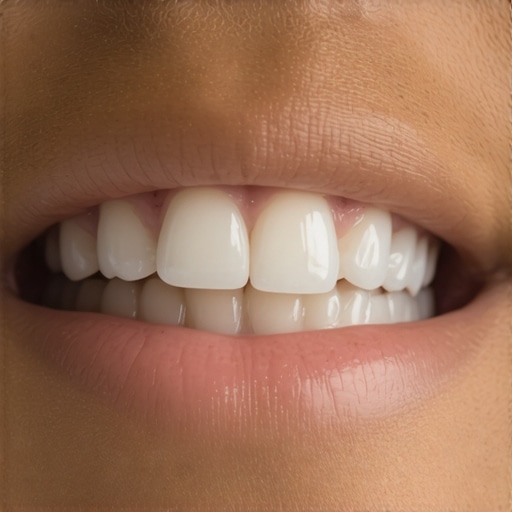
Have you ever taken a hard hit during a game or a rough tackle, only to notice days later that your tooth looks dull, gray, or even darker than before? I remember the shock I felt when my own tooth changed color after a weekend soccer match. It was a wake-up call that injuries to our teeth can do more than just cause temporary pain—they can lead to lasting aesthetic and health issues.
Understanding Why Your Tooth Turns Gray After a Sports Injury
So, why does this happen? When you sustain a blow to the face, especially a direct hit to the teeth, the trauma can damage the inner structures of the tooth, particularly the pulp—the soft tissue containing nerves and blood vessels. Damage to the pulp can cause it to die or become inflamed, which often results in the tooth developing a gray or dark hue over time. It’s a bit like a bruise on your skin, but inside your tooth. The discoloration isn’t just superficial; it indicates an underlying issue that needs attention.
Early in my experience, I made the mistake of ignoring the discoloration, thinking it would go away. That was a big error. The 2004 study published in the Journal of Endodontics indicates that post-traumatic discoloration can signal pulp necrosis—a dead nerve that can lead to infection if left untreated. Recognizing these signs early can save you from more invasive procedures down the line.
What You and I Need to Know About Hidden Damage
Many folks (including myself at one point) underestimate the significance of a gray tooth following an injury. The darkening is not just a cosmetic issue; it may point to internal damage that could worsen or cause abscesses if ignored. Knowing when to seek help for such injuries is crucial to preserving both the health and appearance of your smile.
In the next sections, I’ll share practical steps I took—based on my own experience—to manage and treat this problem effectively. If you’ve noticed a similar change after a sports mishap, stick around—help is on the way!
Have you ever experienced a tooth turning gray after an accident? Share your story in the comments—I’d love to hear your experience and how you handled it.
Meanwhile, if you’re curious about options to restore a damaged smile, check out this guide on veneers. Staying informed and proactive can make all the difference in preserving your confident smile.
.
Assess the Damage Immediately After Injury
The first action is to inspect your mouth for bleeding, swelling, or pain. If you notice a grayish hue or discoloration, stop any sports activity and schedule a dental evaluation promptly. I recall a time during a soccer game when my front tooth became noticeably darker; I immediately rinsed with water and avoided eating until I saw my dentist the next day, preventing further internal damage.
Seek Professional Diagnostic and Radiographic Evaluation
Your dentist will perform X-rays to determine if the tooth pulp is affected. Think of this as opening up a car engine to see if the damage is superficial or internal; it’s essential to know the full extent. Early diagnosis can highlight whether the issue is pulp necrosis or internal bleeding, which are common causes of discoloration.
Consider Internal Bleaching or Veneers for Aesthetic Restoration
Opt for Internal Bleaching When Appropriate
If the damage isn’t too extensive, your dentist might suggest internal bleaching—a procedure akin to whitening the inside of a stained glass window. This involves placing a bleaching agent inside the tooth to chemically remove discoloration, often yielding natural results. I personally experienced this method after my injury, and within a couple of visits, my tooth regained a brighter appearance.
Use Veneers for Severe Discoloration or Structural Damage
For teeth with significant internal damage or enamel erosion, porcelain veneers act like tailored suits—covering imperfections and restoring a natural look. The process involves minimal removal of tooth structure and can dramatically improve aesthetics. I chose veneers after realizing bleaching wouldn’t suffice, and the transformation was impressive, though it required a few visits for optimal fitting.
Implement Preventative Care for Future Injuries
Wearing a custom-fitted mouthguard during sports acts like a bumper bumper on a car—absorbing shocks and protecting your teeth. I always keep mine in my gym bag, especially during contact sports, because prevention is easier than repair.
Maintain Oral Health to Support Treatments
Good oral hygiene—brushing twice daily, flossing, and avoiding staining foods—keeps your teeth healthy and ensures the longevity of restorations. Regular dental check-ups allow your practitioner to monitor your teeth’s condition and intervene early if needed. I schedule biannual visits, which help catch any issues before they escalate.
Explore Cosmetic Options Like Teeth Whitening if Discoloration Persists
If you’re seeking a brighter smile post-treatment, professional whitening is safe and effective. For more insights into the latest techniques, see this guide on teeth whitening options. I used in-office whitening after my veneer placement, enhancing my overall smile and confidence.
Consult Specialists for Advanced Corrections
In cases where damage is complex, consider consulting endodontists or cosmetic dentists. They can suggest procedures like root canals or full-mouth rehabilitation. Personally, I liaised with a prosthodontist to explore the best options for my smile, and the expert advice made all the difference.
Note on Family Dentistry and Long-Term Care
Regular family dental visits help maintain healthy smiles across generations and catch injury-related issues early. Visit family dentistry resources to learn more about ongoing care. I’ve found that establishing a routine with my family’s dentist has kept everyone’s smiles vibrant and healthy, even after mishaps.
 Many people believe they understand cosmetic and preventive dental care, but in reality, misconceptions abound, often leading to costly mistakes. For example, a widespread myth is that veneers are a permanent fix for all teeth imperfections. While they offer dramatic aesthetic results, many fail to realize that veneers require careful consideration of the underlying tooth health and may need replacement over time due to staining or chipping. Contrary to popular belief, veneers are not an easy fix for misaligned teeth or bite issues; they primarily address surface-level concerns.
In the realm of family dentistry, a common mistake is assuming that routine cleanings alone suffice for comprehensive oral health. However, many underlying problems such as early cavities or gum disease can be asymptomatic, making regular, thorough examinations with X-rays critical. Overlooking these nuances can lead to the progression of issues that might necessitate more invasive treatments later.
When it comes to teeth whitening, a prevalent misconception is that whitening products are equally effective for everyone. In reality, the effectiveness depends significantly on factors like enamel thickness, age, and existing restorations. Moreover, many believe that whitening is entirely safe; yet, overuse or improper application can cause increased tooth sensitivity or damage to the enamel. That’s why consulting with a dental professional before initiating whitening treatments is advisable.
Invisalign has revolutionized orthodontics, but many overlook its limitations. A common myth is that Invisalign suits all types of malocclusion. While it’s excellent for mild to moderate adjustments, severe cases may require traditional braces or other interventions. Additionally, some patients underestimate the importance of strict compliance; failure to wear aligners for the recommended 20-22 hours per day can prolong treatment or reduce its efficacy.
Want to ensure you’re making informed decisions? Consider the advanced nuances associated with each treatment. For instance, recent studies, such as the one published in the Journal of Dental Research, highlight that individualized treatment plans, considering genetic and lifestyle factors, yield better, longer-lasting results.
Have you ever fallen into this trap? Let me know in the comments. Being aware of these subtleties can help you avoid common pitfalls and achieve the best possible outcomes for your smile.
Investing in the Right Tools for Long-Term Smile Success
Maintaining your dental health and aesthetic results isn’t a matter of chance; it requires the right equipment and consistent routines. Personally, I rely on a combination of high-quality instruments and modern technology to keep my smile in top shape. For example, I use an ultrasonic water flosser, like the Waterpik Sonic-Fusion, which combines flossing and brushing into one seamless process, making daily maintenance both efficient and effective. This tool helps me reach those tricky interdental spaces that traditional floss sometimes misses, ensuring comprehensive plaque removal and reducing the risk of gum disease.
Why Professional-Grade Instruments Matter
Over time, I’ve learned that investing in professional-grade toothbrushes, such as the Sonicare DiamondClean Smart, yields noticeable improvements in plaque control and enamel preservation. Its sonic technology delivers powerful cleaning without damaging sensitive restorations like veneers or crowns. Moreover, I regularly use a perio-aid and interdental brushes for meticulous cleaning around braces or implants, transforming my daily routine into a thorough dental care regimen that supports long-term aesthetics and health.
How do I keep my tools functioning effectively over time?
Routine maintenance is key. I replace my electric toothbrush heads every three months, as recommended by dental professionals, to maintain optimal cleaning performance. Periodically, I descale my ultrasonic devices to prevent mineral buildup, which can diminish their efficacy. Using appropriate storage and dry storage conditions prevents bacterial growth and prolongs their lifespan. Additionally, I keep my whitening and bleaching products stored in cool, dark places to preserve their potency, aligning with tips from leading dental studies like those highlighted in this comprehensive guide.
Tools That Drive Consistent Results
Automation and technology not only streamline my routine but also help me track progress. Apps like the MySmile app sync with my electric toothbrush, providing real-time feedback and reminders to brush thoroughly for the recommended two minutes. For teeth whitening maintenance, I frequently utilize professional-grade whitening pens, such as the Opalescence Go, which I use for touch-ups between professional whitening sessions. This combination of devices and software ensures my results are sustained long-term, preventing staining or discoloration recurrence.
Predicting the Future of Dental Maintenance Tools
As technology advances, I believe we’ll see more integration of AI-driven diagnostics with home-use devices, offering personalized care tailored to individual dental profiles. The future likely holds smart toothbrushes equipped with sensors capable of detecting early signs of gum recession or enamel erosion, alerting us before problems develop. Staying ahead means adopting these innovations early—consider trying the latest AI-enabled toothbrush models to see how they can elevate your routine.
Make It Last: How Do I Maintain My Veneers and Invisalign Over Time?
For veneers and aligners like Invisalign, meticulous cleaning is vital. I recommend using specialized brushes and avoiding highly pigmented foods that can stain these restorations. Regular check-ins with your dentist, approximately every six months, help identify potential issues early, ensuring longevity. For Invisalign users, changing aligners at the prescribed intervals and cleaning them with a gentle, non-abrasive solution, as advised by experts in this resource, can prevent complications and optimize results.
Embrace these advanced tools and habits—your smile’s health and beauty depend on it. For expert guidance tailored to your personalized needs, don’t hesitate to reach out to your dental professional.
The Hidden Lessons That Transformed My Approach to Dental Care
- Never underestimate a seemingly minor change—what looks like a superficial discoloration can hide serious internal damage, as I learned when my chipped tooth turned darker days after an impact.
- Quick action and honest communication with your dentist save you money and discomfort—delaying treatment for a gray tooth can lead to more complex procedures like root canals or veneers later.
- The right tools and knowledge empower you—investing in quality night guards, electric toothbrushes, and staying informed via trusted resources make a tangible difference.
- Every injury is a call to re-evaluate your prevention strategies; simple steps like wearing a custom mouthguard during sports can prevent costly and painful fixes.
- Long-term smile health is a journey—consistent dental visits, proper hygiene, and a proactive mindset keep your smile vibrant, bright, and resilient.
My Personal Arsenal for Smile Success
- Waterpik Sonic-Fusion—Combining brushing and flossing with high-efficiency technology, I trust this for thorough daily cleaning.
- Sonicare DiamondClean Smart—Its gentle yet powerful sonic vibrations protect delicate veneers and gums while maintaining oral hygiene.
- Professional Whitening Pens like Opalescence Go—Perfect for touch-ups, keeping my smile consistently bright after treatments.
- Educational Resources like Smile Gum Care’s guides—Staying updated on latest procedures and techniques informs my choices and prompts early interventions.
Your Smile’s Next Chapter Starts Now
Remember, your smile is an investment that pays dividends in confidence and health. Whether you’re recovering from a dental injury or seeking to enhance your aesthetic, taking informed, proactive steps makes all the difference. Don’t leave your smile’s future to chance—embrace the tools, knowledge, and habits that will keep it shining for years to come.
What’s the one thing you wish you knew before addressing a dental injury or improving your smile? Share your experience below—I’d love to hear your story!