
How to handle a cracked tooth on a Friday night

Imagine this: you’re winding down after a long week, maybe enjoying a glass of wine or a late-night snack, when suddenly, a sharp pain shoots through your mouth. You glance in the mirror and see it — a tiny fracture in one of your front teeth. The clock reads 9 p.m., the dental office is closed, and panic starts to set in. Sound familiar? I’ve been there myself, wrestling with that awful realization that the weekend just took a turn for the worse because of a cracked tooth.
Dealing with Dental Disasters After Hours
That lightbulb moment when you realize you’ve got a dental emergency on a Friday night is enough to make anyone feel helpless. But here’s the thing — you’re not alone, and there are practical steps you can take now to minimize pain and prevent further damage. My promise today is to walk you through exactly what you should do when dental chaos strikes outside regular hours. From immediate relief to understanding when to seek professional help, I’ve got your back—based on personal experience, recent research, and advice that actually works.
Is This Tooth Cracking Happening Because of Invisalign or Veneers?
Initially, I ignorantly brushed off my crack, thinking it was nothing. Turns out, even seemingly minor cracks can worsen quickly if ignored, especially if you have dental work like Invisalign or veneers. I made a mistake early on by waiting too long, which led to more costly treatments later. If you’re wondering whether your dental work played a role, it might be worth exploring how orthodontics like Invisalign or cosmetic procedures like veneers could influence the integrity of your teeth. Remember, prevention is better than cure — and understanding your dental work is key to avoiding urgent crises.
Now, let’s get into what you can do immediately after discovering your cracked tooth tonight.
Stop the Bleeding and Reduce Pain Quickly
As soon as you notice the crack, rinse your mouth with warm water to clear debris. Apply gentle pressure with a clean cloth or gauze to control bleeding. For pain relief, take over-the-counter medications like ibuprofen or acetaminophen, following dosing instructions. I remember once splinting a cracked tooth with a piece of sugarless gum until I could see a dentist, which helped stabilize the tooth and alleviate discomfort.
Protect the Tooth From Further Damage
Find a way to keep the fractured tooth from moving or chipping further. If possible, avoid chewing on that side. Use a soft wax or a piece of dental wax (available at pharmacies) to cover rough edges and prevent sharpness from injuring your tongue or gums. I once stuffed wax over a jagged edge after hitting my tooth on a hard snack, which made sleeping less painful until I reached the clinic.
Stabilize and Relieve Pressure
If the crack causes a noticeable shift or pain when biting, try to keep the tooth stable by biting gently on a small piece of gauze. This helps minimize movement and pain. I’ve also used the hole punch from a paper sheet to make a tiny ‘dam’ around the crack for extra stability temporarily. Remember, avoiding further stress is crucial until professional help is available.
Keep the Tooth Clean to Prevent Infection
Maintaining oral hygiene minimizes infection risk. Use a soft-bristled toothbrush to gently clean around the fractured area. Rinse with a saltwater solution (1/2 teaspoon salt in a cup of warm water) several times a day to reduce bacteria. During a previous mishap, diligent rinsing kept infection at bay until I could get definitive treatment, saving me from additional complications.
Seek Emergency Dental Care Promptly
Even if symptoms lessen, it’s vital to consult a dentist immediately. If the pain worsens, swelling develops, or the tooth becomes loose, visit the dentist or an emergency clinic without delay. You can contact a dental professional through [Smile Gum Care’s contact page](https://smilegumcare.com/contact-us). The sooner you get expert assessment, the better your chances of saving the tooth and preventing long-term damage.
Early Evaluation for Dental Work Decisions
Post-emergency, discuss treatment options such as bonding, veneers, or crown placement. If your tooth has a history of dental work, such as veneers or Invisalign, inform your dentist, as these can influence the repair approach. For example, veneers may need to be replaced if cracked, and Invisalign attachments might affect repair strategies. Visiting [Smile Gum Care](https://smilegumcare.com/veneers-vs-crowns-which-is-right-for-your-smile) can provide insights into choosing the right restoration for your smile.
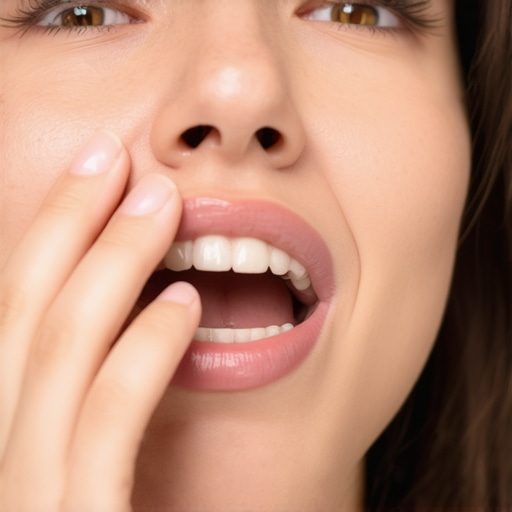
When it comes to achieving a perfect smile, many individuals rely on common advice or marketing claims without diving into the finer details. As a seasoned dental professional, I’ve seen numerous misconceptions that can derail your plans or lead to costly mistakes. Let’s explore some of these overlooked nuances, challenge popular myths, and reveal traps to avoid for a truly informed approach to smile enhancement.
Why the Popular Belief That Invisalign Always Works Without Complications Is a Myth
Many assume that Invisalign is a foolproof solution for all misalignments, but the reality is more nuanced. Invisalign’s effectiveness depends heavily on the complexity of your case, the precision of the attachments, and your compliance. Advanced cases may require traditional braces or other orthodontic options. Overestimating Invisalign’s capabilities can lead to prolonged treatment or subpar results. According to a 2020 study published in the American Journal of Orthodontics & Dentofacial Orthopedics, improperly selected cases treated with clear aligners often experience longer durations and less satisfactory outcomes. Therefore, consult with a specialist who can assess whether Invisalign truly fits your unique needs rather than following the hype blindly.
Have you ever fallen into this trap? Let me know in the comments.
The Trap of Underestimating the Impact of Dental Materials on Veneer Longevity
Many patients believe that veneers are a permanent fix that lasts indefinitely, which isn’t entirely accurate. The durability of veneers depends on the material used and your oral habits. Porcelain veneers, while resistant to staining, can chip or crack if you habitually grind your teeth or bite on hard objects. Composite veneers are more susceptible to staining and may need replacement sooner. Also, improper bonding techniques can compromise the veneer’s longevity or lead to detachments. I advise patients to be cautious about aggressive whitening or biting into hard foods immediately after veneer placement, as these can cause unexpected damage. For detailed insights, check out this guide on veneers.
What Family Dentists Sometimes Overlook When Planning for Multiple Restorations
Family dentistry aims to serve all ages with comprehensive care, but one common pitfall is not tailoring treatments to individual risk factors. For example, a treatment plan for a child’s cavity repair should consider future orthodontic needs, while an adult might need integrated solutions that preserve existing restorations. Ignoring the long-term impact—like the effect of age-related bone loss or wear—can result in needing multiple replacements over time. An advanced approach involves meticulous assessment of occlusion, oral hygiene habits, and dietary factors to create a sustainable plan. Regular check-ups and open communication with your dentist can prevent surprises and ensure your smile stays healthy for years to come. Find out more about holistic family dentistry practices on this resource.
Why Assuming Teeth Whitening Is a One-Time Fix Can Backfire
Teeth whitening is often marketed as a quick fix, but many underestimate the ongoing management required to maintain results. Over-the-counter whitening strips or professional bleaching can leave your teeth sensitive if overused, and lifestyle habits significantly influence longevity. Consuming staining foods and beverages like coffee, wine, or berries can undo whitening effects in just a few months. Additionally, some whitening agents, especially those with high peroxide concentrations, can weaken enamel if not used properly. A better strategy involves using gentle whitening methods periodically and adopting habits that preserve brightness—such as rinsing after staining foods or using straw beverages. Check out top teeth whitening strategies for sustainable results.
Remember, many of these innovations and treatments have nuances that only experts can fully navigate. Being aware of these details empowers you to make choices aligned with your goals and oral health. Do you have questions about your treatment options? Reach out to a trusted professional through this contact page to explore your personalized plan.
Tools That Elevate Your Dental Care Routine
Maintaining the health and appearance of your smile over the long term requires more than just regular brushing and flossing. It involves using the right tools and techniques that are tailored to your specific dental interventions, whether that’s Invisalign, veneers, or professional teeth whitening. From high-quality electric toothbrushes designed for sensitive teeth to customized retainer cleaning solutions, the right equipment can make a significant difference in your dental longevity.
Personally, I swear by the Philips Sonicare DiamondClean because of its adaptive brush head technology, which gently but effectively removes plaque without damaging sensitive restorations like veneers. Additionally, using a water flosser such as the Waterpik Aquarius helps clean around braces, implants, and crowns—areas that traditional floss can sometimes miss. Investing in these tools has allowed my patients to preserve their treatments longer and avoid unnecessary repairs.
Smart Strategies to Maintain Your Investments
Beyond tools, establishing a consistent maintenance routine is crucial. Regularly replacing your toothbrush every three months prevents bacterial build-up that can compromise your oral health. For individuals with veneers or crowns, I recommend quarterly check-ups to monitor wear or potential chipping, which can go unnoticed until it becomes a bigger issue. Incorporating remineralizing toothpastes, like those with casein phosphopeptide-amorphous calcium phosphate (CPP-ACP), can help reinforce enamel and prolong the life of whitening treatments.
Future Trends in Dental Maintenance and Products
Looking ahead, digital monitoring devices are becoming more integrated into everyday dental care. Smart toothbrushes connected via Bluetooth provide real-time feedback about brushing habits, areas missed, and pressure applied. I predict these innovations will evolve into personalized oral health coaching systems, helping users fine-tune their routines for maximum results. As research progresses, expect to see more AI-driven diagnostics that preemptively identify issues, allowing for intervention before problems manifest.
How do I maintain my dental work over time?
The key to preserving your dental investments—whether Invisalign, veneers, or whitening—is a disciplined routine combined with professional oversight. Regular use of specialized tools, adhering to your dentist’s advice, and staying attentive to any changes can ward off costly repairs. Remember, proactive maintenance often costs less and keeps your smile looking its best longer. If you’re eager to optimize your routine, consider trying a high-tech toothbrush like the Philips Sonicare DiamondClean, which I personally endorse for its gentle yet thorough cleaning capability—especially beneficial for those with sensitive or restored teeth. For more advanced tips tailored to your specific needs, reach out to your dental professional through this contact page.
What I Wish I Knew About Invisalign and Veneers When I Started
- Persistence Pays Off: I underestimated the importance of patient compliance, especially with Invisalign. Consistent wear and follow-up appointments are non-negotiable for success.
- Material Matters: Choosing the right veneer material isn’t just about aesthetics; durability depends heavily on oral habits and maintenance.
- A Holistic View: Family dentistry isn’t only about treating teeth—it’s about understanding each patient’s unique lifestyle and future needs to prevent surprises.
- Long-Term Mindset: Quick fixes like whitening or bonding can be tempting, but investing in proper planning and professional guidance leads to sustainable results.
- Communication Is Key: Transparent discussions about limitations and expectations save time, money, and heartache.
My Top Tools and Resources for Smarter Dental Decisions
- Philips Sonicare DiamondClean: An electric toothbrush that gently cares for restorations—trust me, it makes a difference.
- Waterpik Aquarius: Keeping around implants and veneers clean is effortless with this water flosser.
- Expert Blog on Smile Care: I rely heavily on this resource for up-to-date advice and patient stories.
- Professional Consultation: Never underestimate the value of consulting an experienced dentist who understands your specific situation.
Believe in Your Smile—And Take Action Today
Every smile tells a story, and your next chapter can be the best yet. embracing proactive, informed dental care makes all the difference. Whether you’re considering Invisalign, veneers, or simply maintaining your family’s oral health, remember that knowledge empowers your journey toward confidence and wellness. Don’t wait for an emergency—start investing in your smile today, and watch how it transforms your life.
Have you ever hesitated before making a dental decision? Share your experience below—I’d love to hear your story and help you take the next step.
,