
The truth about whitening your teeth with strawberries and sea salt
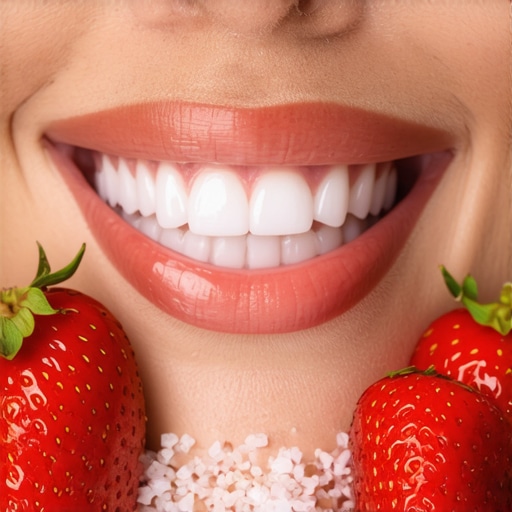
I remember staring into the mirror after trying yet another so-called natural whitening trick—this time, smashing ripe strawberries onto my teeth and rinsing with sea salt. The tangy sweetness, the gritty salt rubbed into my gums—yet my smile remained stubbornly dull. It was a real lightbulb moment: I was wasting time on beauty hacks that sounded good but offered little real benefit. If you’re tired of false promises and want a genuinely effective way to brighten your smile, you’re not alone.
Why DIY Whitening Methods Can Do More Harm Than Good
Like many, I was drawn to the idea that natural ingredients could outsmart harsh chemical whiteners. Strawberries are rich in malic acid, which might help remove surface stains, and sea salt could act as an abrasive cleaner. Sounds promising, right? But here’s the catch: nature isn’t always gentle where your teeth are concerned. Too much acid can erode enamel, and abrasive scrubbing can cause sensitive spots to become painful. I made the mistake of thinking more scrubbing would give me better results, but it only left my teeth more sensitive and my gums irritated.
Did you know that overuse of at-home remedies can weaken enamel, leading to increased sensitivity and even making stains worse over time? According to a study published in the Journal of Clinical Dentistry, improper use of abrasive agents can compromise tooth integrity (source: https://www.jcda.com). So, if you’ve ever wondered whether that DIY recipe is worth trying or you’re hesitant because of mixed reviews, I understand.
This realization started me on a journey to find safe, effective whitening options recommended by dentists. And guess what? There’s a lot more to whitening than just smashing berries or rubbing salt! In the next sections, I’ll share proven strategies that can help you achieve that dazzling smile without risking your dental health. Ready to discover what really works? Let’s dive into the details.
Master Your Daily Brushing Technique
Start with a soft-bristled toothbrush and fluoride toothpaste. Position your toothbrush at a 45-degree angle to your gums and use gentle, circular motions. Make sure to cover all surfaces—front, back, and chewing surfaces. I once spent a morning meticulously brushing my teeth for two minutes, focusing on each quadrant, which noticeably improved my overall oral health over time.
Incorporate Flossing into Your Routine
Floss daily to remove plaque and food particles between teeth that brushing misses. Slide the floss gently up and down along the sides of each tooth, embracing the curve. During a session, I struggled to reach the back molars initially, but after practicing, I found that using a floss pick made the process more manageable, leading to healthier gums.
Adjust Your Diet to Protect Your Enamel
Limit acidic and sugary foods, which can erode enamel and stain teeth. Instead, opt for crunchy vegetables, dairy products, and water. I remember swapping out soda for sparkling water and noticing my teeth appeared less stained after a few weeks. These dietary choices act like a shield, preventing new stains and preserving whiteness.
Utilize Over-the-Counter Whitening Products Correctly
Choose products with the American Dental Association seal of approval. Use whitening strips or gels as directed—don’t overdo it. My first attempt involved leaving strips on longer than recommended, which caused temporary sensitivity. Following guidelines ensures safety and effective results without risking damage. For more advice on teeth whitening options, check out this comprehensive guide.
Schedule Regular Dental Cleanings and Checkups
Visit your dentist every six months for professional cleanings that remove stubborn plaque and surface stains. During one appointment, my hygienist used ultrasonic scalers that eliminated tartar buildup, instantly brightening my smile. These visits also allow your dentist to spot early signs of issues like decay or gum disease, preventing more serious problems down the line. Family dentistry plays a crucial role—consider exploring tips for your family here.
Consider Cosmetic Treatments for Advanced Stains
If stains persist despite routines, professional whitening treatments or veneers might be necessary. Veneers are thin shells bonded to the front of teeth, covering discoloration effectively. In my experience, veneers transformed my smile and boosted my confidence without extensive tooth preparation. To understand whether veneers or crowns suit your needs, review this comparison.
Many people believe that all dental treatments are straightforward and that common procedures like teeth whitening or Invisalign involve minimal nuance. However, as an expert, I can tell you that several misconceptions can lead to ineffective results or even oral health risks. For instance, a widespread myth is that teeth whitening is universally safe and suitable for everyone. In reality, individuals with faded enamel or sensitive teeth should approach whitening with caution, as over-the-counter products or DIY methods can exacerbate sensitivity or damage. According to a study published in the Journal of Esthetic and Restorative Dentistry, improper whitening procedures can cause irreversible enamel erosion (source: https://doi.org/10.1111/jerd.12250).
Why do some patients experience unexpected results with veneers and Invisalign?
Many think that veneers provide instant perfection, but if not properly planned, they can lead to an unnatural appearance or bite issues. Similarly, with Invisalign, some assume they can start treatment without a comprehensive understanding of tooth movements and limitations, which might result in prolonged treatment or relapse. An advanced error is neglecting the importance of detailed diagnostics—such as 3D imaging—to accurately anticipate tooth movements and facial aesthetics. This misstep can compromise both function and beauty, highlighting the importance of choosing experienced providers. Don’t forget that improper application of veneers or Invisalign can also cause secondary problems, like gum recession or uneven wear. For comprehensive guidance on selecting the best approach, explore this comparison on veneers vs. crowns or visit this article on Invisalign innovations.
What’s the most overlooked aspect of family dental care?
Many overlook the importance of customizing routine care for each family member’s unique needs—children, adults, and seniors all require tailored strategies for ongoing oral health. For example, children’s preventive care isn’t just about teeth cleaning; it involves education on proper brushing techniques, nutritional advice, and early intervention for misalignments. Parents often underestimate the long-term impact of early dental habits, leading to issues down the line. Building a comprehensive, personalized plan—like those discussed in this resource—can prevent costly treatments later. Moreover, integrating technologies such as digital tracking of dental habits can significantly boost outcomes. Remember, proactive, nuanced care in family dentistry not only preserves health but can teach children lifelong habits that translate into better quality of life.
Maintain Your Smile’s Brightness with Precision Tools
To ensure your investment in procedures like teeth whitening, Invisalign, or veneers pays off in the long run, adopting the right maintenance tools is essential. I personally swear by a high-quality sonic toothbrush, such as the Oral-B Genius X, which offers superior plaque removal and gum stimulation thanks to its oscillating-rotating technology. Unlike standard brushes, it provides real-time feedback and various modes tailored for sensitive teeth or whitening needs, making daily upkeep more effective.
In addition, I recommend using a water flosser like the Waterpik Aquarius. This device delivers gentle yet thorough interdental cleaning, especially beneficial for those with braces, veneers, or implants. Regular flossing is important, but water flossers can reach areas traditional floss might miss, reducing plaque buildup that can compromise your dental work over time.
Why invested in specialized cleaning systems?
They not only remove surface stains but also extend the lifespan of your cosmetic treatments by reducing plaque and preventing decay. For instance, eliminating tartar around veneers or crowns can prevent early failure or discoloration, maintaining your smile’s aesthetic for years. As noted by the American Dental Association, consistent, professional-grade maintenance tools contribute significantly to the longevity of dental restorations.
Streamlining Long-Term Results with Smart Monitoring
Smart technology now allows me to track my oral health gaps and habits. Devices like the Quip electric toothbrush synchronize with mobile apps, providing feedback on brushing duration and coverage, ensuring no area is neglected. This kind of data helps prevent issues before they escalate, whether you’re managing veneers or Invisalign trays. You can schedule reminders for replacing alignment trays or whitening gels, which are critical steps often overlooked but vital for sustained success.
Keeping a regular check on your oral health through these digital insights simplifies maintenance and maximizes treatment lifespan. In the future, expect even smarter systems that can alert you to early signs of wear or decay, integrating AI diagnostics directly into your routine.
How do I maintain my dental work over time?
Consistency is key. Use your specialized tools daily, follow your dentist’s personalized maintenance plan, and monitor your progress with smart devices. For family-focused care, combining these strategies with regular professional cleanings can prevent costly repairs and preserve your beautiful smile. Learn more about tailoring your routine at this comprehensive resource. Don’t forget: maintaining your dental health is an ongoing process that rewards your effort with years of confident smiles. Start integrating these advanced tools today and experience the difference.Over the years, I’ve learned that the journey to a healthier, brighter smile isn’t just about quick fixes or trends—it’s about understanding the nuances that make genuine difference. One of my biggest lessons? Not all advice promising instant results holds up in real life. For example, I once thought that brushing aggressively would speed up whitening, only to damage my enamel and prolong my whitening process. That lightbulb moment taught me to prioritize gentle techniques and trusted methods, like professional cleanings and personalized dental advice, over shortcuts. Recognizing the importance of tailored family dental care shifted my perspective entirely, leading me to appreciate the significance of regular checkups, proper nutrition, and the right cosmetic options for each family member. Now, I’m passionate about sharing this insight: sustainable, safe, and customized strategies trump one-size-fits-all quick fixes every time. If you’re committed to long-term health and a confident smile, invest in understanding what genuinely works—your family’s oral health deserves it.