
How to Handle a Dental Emergency While Traveling Abroad

I remember the moment vividly—my family and I were exploring the charming streets of a foreign city when I suddenly felt a sharp, searing pain in my mouth. I had just started biting into a local delicacy, and my tooth erupted in agony. It was a lightbulb moment for me—how could I, someone passionate about dental care, be caught unprepared in a foreign country with a dental emergency? That incident made me realize that no matter how meticulously you plan, dental mishaps can happen anywhere, anytime.
Dealing with Dental Crises When You’re Away from Your Dentist
Traveling is all about creating memories, not juggling dental pain or worrying about emergency treatments in unfamiliar places. But here’s the truth—dental emergencies during travel are common more than you might think. From cracked teeth during a mountain hike to sudden toothaches after sampling exotic foods, the potential for dental mishaps can turn your trip into a nightmare.
Fortunately, with a little knowledge and preparation, you can handle most situations smoothly. Today, I want to walk you through how to approach these unexpected moments confidently, ensuring your trip isn’t spoiled by avoidable dental pain. We’ll cover practical tips that I wish I had known early on, so you can stay one step ahead.
Is Your FOMO About Dental Emergencies Actually Justified?
One mistake I made early in my travels was assuming that dental issues were only urgent if they caused constant pain or swelling. It’s a slip many make—thinking a minor chip or sensitive tooth isn’t worth a visit. But in reality, addressing issues promptly can prevent more complicated—and costly—treatments later.
According to the American Dental Association, untreated dental problems can escalate quickly, leading to infections or even systemic health issues (ADA, 2023). That’s why being prepared is essential.
If you’ve ever experienced a sudden toothache or accidental chip while abroad, you know how unsettling it can be. Trust me, it’s better to equip yourself with the right knowledge than to deal with unnecessary pain or complications.
So, as we prepare to dive into the practical steps, ask yourself—have you ever found yourself in a dental jam during your travels? If so, keep reading. You’re about to learn everything you need to stay calm and effective when dental trouble strikes far from home.
Assess the Situation Quickly
When dental pain or damage occurs, evaluate the problem immediately. Is it a chipped tooth, a persistent toothache, or bleeding gums? For example, during a trip to Italy, I once noticed a cracked molar after a sudden bite into hard bread. I stopped and examined the area, noticing a small sharp edge requiring prompt attention.
Identify the Urgency
Determine if the issue is urgent or can wait. Severe pain, swelling, or bleeding indicates a need for immediate care. If you’re unsure, err on the side of caution. In my case, the sharp edge was rough but not causing bleeding, so I decided to manage it temporarily.
Create a First Aid Kit with Essential Supplies
Prepare a travel dental kit beforehand. Include items like temporary filling material, dental wax, pain relievers, and gauze. I always pack these, especially when visiting remote areas. During my recent hiking trip, I used temporary filling material to seal a small cavity that became sensitive, preventing further discomfort until I reached a dentist.
Learn Basic Emergency Techniques
Practice simple procedures like managing a knocked-out tooth or smoothing a crack. For instance, I learned how to gently reposition a loosened tooth and kept it moist in saline solution. This knowledge helped me save a tooth during a mountain trek.
Research Local Dental Resources
Before traveling, find local dental clinics, hospitals, or emergency services. Use online tools or your accommodation’s concierge. When I was in Thailand, I researched nearby clinics and saved their contact details. This quick preparation gave me confidence that help was accessible if needed.
Understand Common Dental Procedures and Their Limits
Familiarize yourself with procedures like veneers, whitening, or Invisalign treatments. For example, knowing that veneers are bonded rather than glued allows you to assess damage properly. I explored [veneers made simple](https://smilegumcare.com/veneers-made-simple-transform-your-tooth-aesthetics-in-2025-at-1822) to understand their durability, which informed my decision not to attempt repairs myself.
Implement Digital and Local Safety Measures
Keep digital copies of dental records, prescriptions, and emergency contacts. Share your health info with trusted companions. During a trip to France, I carried scanned copies of my dental history on my phone, enabling quick communication with local dentists if necessary.
Optimize Your Smile with Preventive Tips
Maintain good oral hygiene even while traveling to prevent emergencies. Use floss, rinse with mouthwash, and avoid overly hard foods. This routine was invaluable in avoiding dental mishaps during my recent visit to Spain, where I kept a small travel brush and floss in my bag.
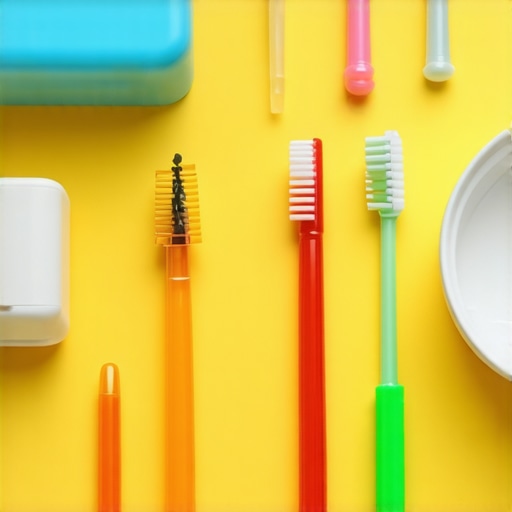
Visual guide showing a well-stocked travel dental kit with supplies like temporary filling, pain relief, and floss, emphasizing preparedness for dental emergencies abroad.
Many patients believe that cosmetic procedures like veneers and teeth whitening are purely superficial, but in reality, they involve complex nuances that are often overlooked. For instance, while veneers can dramatically enhance your smile, many assume they’re invincible or require no maintenance—this is a myth. Proper assessment of your tooth structure, gum health, and bite alignment is critical before opting for veneers, as improper application or neglect can lead to issues like gum recession or veneer failure. To understand whether veneers are right for you, check out [Veneers Made Simple](https://smilegumcare.com/veneers-made-simple-transform-your-tooth-aesthetics-in-2025-at-1822).
Similarly, teeth whitening isn’t just about buying over-the-counter strips or gels. Many don’t realize that whitening agents can weaken enamel if used excessively or improperly. In fact, professional whitening treatments utilize calibrated concentrations of peroxide that are safe when administered correctly, but misuse can cause sensitivity or even damage. For insider tips, see [Teeth Whitening Secrets](https://smilegumcare.com/teeth-whitening-secrets-for-a-sparkling-smile-in-2025-at-1248).
Invisalign, often marketed as a ‘set-it-and-forget-it’ solution, hides a lot of complexity. One common misconception is that it can be used without proper supervision. However, without regular check-ins, subtle issues such as attachments loosening or misaligned tooth movements can go unnoticed, leading to prolonged treatment times or suboptimal results. For advanced insights, visit [Invisalign Innovation](https://smilegumcare.com/invisalign-innovation-invisible-braces-changing-smiles-in-2025-at-1537).
Family dentistry, often viewed as merely routine check-ups, benefits from a deeper understanding as well. For example, preventing cavities in children isn’t just about brushing; it involves assessing diet, fluoride exposure, and even habits like thumb-sucking that influence bite development. A comprehensive approach can save your child from future orthodontic complications. Learn more at [Family Dentistry Tips](https://smilegumcare.com/family-dentistry-tips-creating-a-healthy-smile-for-your-kids-at-0915).
Here’s the crucial nuance: many people overlook how intertwined these treatments are with overall oral health. A Beautiful smile isn’t just cosmetic—it reflects functional integrity, gum health, and proper alignment. Skipping regular visits, rushing into procedures without understanding the nuances, or neglecting maintenance can undo the benefits of these advancements. For example, neglecting retainer wear after Invisalign can cause teeth to regress, as detailed [here](https://smilegumcare.com/4-things-that-happen-if-you-dont-wear-your-retainer-for-one-week).
Have you ever fallen into this trap? Let me know in the comments. Remember, understanding the complexities of dental treatments empowers you to make informed decisions that truly enhance your health and smile longevity.Maintaining a beautiful, healthy smile over the years requires more than just good brushing habits. It involves using precise tools and adopting effective routines that bolster your dental care routine and ensure longevity. One crucial device I rely on is a high-quality sonic toothbrush, such as the Philips Sonicare DiamondClean. Its advanced sonic technology offers proven plaque removal capabilities and gentle gum stimulation, making it ideal for daily use, especially for those with veneers or whitening treatments. Additionally, I recommend investing in a water flosser like the Waterpik Aquarius, which significantly reduces plaque and food debris between teeth, something traditional floss sometimes misses—particularly around orthodontic appliances like Invisalign trays. To track your oral health progress and reminders, I utilize dental tracking apps such as Dental Care Reminder, which sync with my devices to ensure I never miss scheduled cleanings or check-ups. For professional maintenance, periodic dental laser cleaning sessions have shown to be more effective in removing stubborn tartar buildup without abrasive scaling, preserving your enamel and delicate restorations. Looking ahead, the trend points towards smart dental tools integrated with AI diagnostics, enabling patients to monitor their oral health remotely and catch issues early. To optimize long-term results, I also embrace custom-fitted nightguards to prevent nighttime grinding, which can undo the benefits of veneers or whitening over time. Regularly updating your at-home tools and routines not only preserves your dental work but also allows for early detection of potential problems—saving you money and discomfort later. How do I maintain my smile over time? I adhere to a strict regimen augmented with these tools, coupled with regular professional visits. For example, checking the health of your veneers ensures they stay bonded correctly and do not develop issues like gum recession. Find out more about maintaining veneers effectively by visiting https://smilegumcare.com/veneers-made-simple-transform-your-tooth-aesthetics-in-2025-at-1822. Remember, embracing technology and proactive care is the future of family dentistry. Take the step now—try integrating a water flosser into your daily routine to see immediate improvements in gum health.Throughout my experiences with family dentistry, veneers, teeth whitening, and Invisalign, I’ve uncovered some hidden truths that go beyond the surface. First, I realized that even the most meticulous oral care routines can’t prevent every mishap, especially when you’re in unfamiliar environments. Embracing a proactive mindset—like carrying a well-stocked travel dental kit—can make all the difference in turning a potential disaster into a manageable situation. Second, I learned that understanding the nuances of treatments, such as the myths surrounding veneers or the proper care for whitening procedures, empowers you to protect your investment and ensure longevity. Lastly, developing a personalized routine that combines professional advice with smart at-home tools creates a resilient foundation for your smile. These insights have transformed my approach from reactive to preventative, helping me maintain confidence wherever I go.