
The Secret to Pain-Free Flossing While Wearing Braces
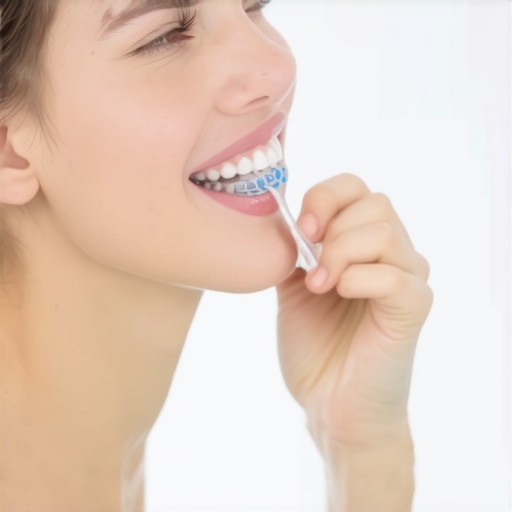
It was a typical Tuesday evening when I finally had enough. My teeth, once just slightly sensitive after flossing, now felt like I had been through a mini boxing match. I remember grimacing as I tried to squeeze that stubborn floss between my braces, only to end up with bleeding gums and a sore thumb. That lightbulb moment hit me hard — I realized I couldn’t be the only one struggling with this.
Why Flossing With Braces Can Feel Like a Torture Session
Many people give up on flossing altogether once they get braces, thinking it’s just part of the process. But here’s the thing: neglecting flossing can lead to serious issues like cavities and gum disease. I found out early on that I was making some common mistakes that made the experience painful and ineffective. For example, using too much force or not the right type of floss can turn the entire task into a dreaded chore.
Did you know? According to the American Dental Association, flossing daily can reduce the risk of gum disease by up to 40%. Yet, many of us avoid it because of discomfort and frustration.
So, what’s the secret to pain-free flossing while wearing braces? Well, stick around, and I promise I’ll walk you through the solutions I discovered that changed everything for me.
Is Pain-Free Flossing Really Achievable?
I admit, I was skeptical at first. I thought discomfort was just part of the braces package. My early mistakes included using waxed floss without the proper technique, which led to unnecessary gum irritation. Once I learned better methods and switched to specific tools designed for braces, the process became far more manageable.
This journey has been full of trial and error, but now, I can confidently say that flossing with braces doesn’t have to be a painful ordeal. If you’re tired of hurting every time you floss, you’re not alone—and there is hope. Up next, we’ll delve into the step-by-step techniques that will make your flossing routine smooth and pain-free. And for those considering other cosmetic options, check out my experiences with [veneers](https://smilegumcare.com/veneers-made-simple-transform-your-tooth-aesthetics-in-2025-at-1822) and [teeth whitening](https://smilegumcare.com/teeth-whitening-secrets-for-a-sparkling-smile-in-2025-at-1248) to perfect your smile beyond braces.
Get the Right Flossing Tools
Start with specialized floss designed for braces, such as waxed floss, floss picks, or orthodontic floss threaders. I remember one evening, I grabbed a spool of regular floss that kept shredding against my brackets, making the process frustrating. Switching to orthodontic floss made a noticeable difference in ease and comfort.
Master the Technique
Gently slide the floss beneath the wire, using a zigzag motion. Don’t yank; instead, use a gentle back-and-forth motion to clean along the gumline and between teeth. I once tried to rush through this step, only to cause gum bleeding. Taking my time proved to be much gentler and more effective.
Use the Proper Length
Cut a piece of floss about 18 inches long. Wrap each end around your fingers, leaving a manageable section in the middle. This prevents the floss from slipping and allows better control. In one session, I kept repositioning the floss for each tooth as I moved along, which minimized discomfort and improved cleaning.
Arch Your Threader Carefully
If using a floss threader, insert the floss through the loop, then gently guide it under the wire. Be patient; don’t try to force it. I once tried to rush this step, accidentally poking my gum, which caused soreness. Slow and gentle movements are key to avoiding pain.
Address Each Tooth Individually
Ensure you floss both sides of every tooth, especially around brackets and wires. Focus on the gumline, where plaque buildup occurs. I remember missing the backside of my molars for days because I was too quick, leading to minor discomfort later. Attention to detail pays off.
Finish with Rinsing
Use an antibacterial mouthwash or warm saltwater rinse to soothe gums and remove any residual debris. After a thorough session, I noticed my gums felt healthier and less inflamed. Rinsing also helps reinforce the cleaning process.
If you’re struggling with discomfort, consider trying other tools like water flossers or interdental brushes. These can complement traditional flossing and make routine maintenance easier. For more tips on maintaining your smile, explore family dentistry guidance.When it comes to cosmetic and family dental procedures, there’s a lot of misinformation floating around. Many believe that teeth whitening alone will forever keep their smile bright, but the reality is more nuanced. For instance, over-the-counter whitening products may seem tempting, but they often lack the strength of professional treatments and can even cause sensitivity if misused. According to a study published in the Journal of the American Dental Association, improper use of whitening agents can lead to enamel erosion and increased sensitivity, highlighting the importance of professional guidance.
Are Veneers Truly Permanent, or Do They Require Maintenance?
A common myth is that veneers are lifelong fixes that need zero upkeep. However, veneers, especially porcelain ones, can stain over time or chip if subjected to hard foods or grinding habits. The secret lies in proper care and understanding that they may need replacements after 10-15 years. Neglecting this can lead to further, costly dental repairs. For lasting results, explore my detailed guide on [making veneers stay bright for decades](https://smilegumcare.com/the-secret-to-making-your-veneers-stay-bright-for-decades).
Why Invisalign Might Not Be the Silver Bullet for Everyone
Many assume Invisalign works equally well for all misalignments, but nuanced factors like complex bite issues or severe crowding may require traditional braces or other interventions. Additionally, patient compliance is crucial; forget to wear the aligners regularly, and progress stalls. A hidden trap is overconfidence in invisible aligners, leading some to skip appointments or neglect proper cleaning routines. The latest innovations in [Invisalign technology](https://smilegumcare.com/invisalign-innovation-invisible-braces-changing-smiles-in-2025-at-1537) have improved predictability, but understanding your unique dental anatomy ensures the best outcome.
Family Dentistry’s Role You Might Be Missing
Family dentistry is often seen as just routine cleaning, but its true value lies in early detection of issues like cavities or developmental anomalies. A mistake many make is delaying visits until symptoms appear, which limits treatment options and increases costs. Regular checkups can also incorporate preventive measures like sealants, minimizing future problems. To optimize your family’s dental health, check out [my tips for creating a healthy smile](https://smilegumcare.com/family-dentistry-tips-creating-a-healthy-smile-for-your-kids-at-0915).
So, have you ever fallen into this trap of misconceptions? Let me know in the comments. Remember, informed choices are the best way to safeguard your smile’s health and beauty. For personalized advice or to discuss your concerns, feel free to [contact us](https://smilegumcare.com/contact-us) today.
Keeping It Working: Essential Tools and Methods
Maintaining your dental enhancements requires more than just regular brushing; it involves using the right tools and knowing the best practices to ensure longevity. Personally, I swear by interdental brushes with tapered tips, which are instrumental in cleaning around veneers and braces without damaging the enamel. Unlike standard toothbrushes, these tiny, flexible brushes reach into tight spaces, preventing plaque buildup that can lead to staining or gum issues.
Another game-changer for me has been the use of ultrasonic water flossers. Unlike traditional floss, water flossers create a pulsating stream that dislodges debris from hard-to-reach areas. Devices like the Waterpik have been thoroughly researched; for instance, a study published in the Journal of Clinical Dentistry highlighted their superior efficacy in reducing plaque and gingivitis when used consistently. Incorporating a water flosser into your routine can significantly complement your daily oral hygiene and extend the life of veneers or whitening treatments.
When it comes to teeth whitening maintenance, I recommend professional-grade whitening gels with bleaching agents. Over-the-counter products often lack the concentration needed, and inconsistent use can lead to unequal whitening or sensitivity. I personally apply a custom-fitted tray with a 10% carbamide peroxide gel twice a week, which keeps my smile bright without harming the enamel. These custom trays are available from your dentist, ensuring an exact fit that minimizes overuse and sensitivity.
For those considering orthodontic options like Invisalign, regular monitoring with digital scans allows for precise adjustments. I use trusted dental imaging software that integrates intraoral scans into 3D models, giving me a clear visual of progress and potential issues like attachment detachment or misalignment. This proactive approach helps catch problems early, saving time and money.
Prediction-wise, I believe this trend of integrating smart technology into dental care will continue to evolve. New advances are adding AI-powered diagnostics and real-time monitoring, making maintenance easier and more effective. Future tools might even notify you via smartphone app when your cleaning routine is lacking or if your veneer’s integrity is compromised.
How do I maintain my dental restorations and cosmetic treatments over time?
The key is consistency and using the right equipment. Regular visits to your family dentist for checkups, combined with personalized advice on tools like interdental brushes, water flossers, and professional whitening trays, can preserve your smile’s brilliance. For example, exploring advanced veneer maintenance tips can help prevent staining and chipping long-term.
Don’t forget to also stay informed about innovations like the latest Invisalign enhancements, which are continuously improving treatment results. Regular scans and progress assessments ensure your aligners are working optimally. Embracing these advanced tools and methods will help you enjoy long-lasting, beautiful results from your dental investments. Try implementing a water flosser into your daily routine today—I promise, your gums will thank you!
Lessons That Changed My Dental Perspective
- Never underestimate the power of patience; rushing through flossing can lead to gum issues that take longer to heal than the problem itself.
- Investing in the right tools, like orthodontic floss threaders or ultrasonic water flossers, transforms a painful task into a manageable routine.
- Consistency beats perfection—small daily improvements in dental habits have compounded into lasting results that boost confidence.
- Listening to your dentist’s advice on maintenance and patience can save you from costly repairs and discomfort down the line.
- Understanding the science behind products and techniques empowers you to make choices tailored to your unique dental needs, rather than following generic advice blindly.
Tools That Made My Smile Journey Easier
- Orthodontic floss threaders—Trusted because they seamlessly glide under wires and brackets without causing irritation.
- Ultrasonic water flossers—Backed by research for their superior plaque removal and gentle cleansing, making them my go-to for daily use.
- Professional whitening trays and gels—Personalized fit from my dentist ensures safe, effective whitening maintained at home with minimal sensitivity.
- Intraoral scanning software—Allows me to monitor my progress in real-time, catching issues early and avoiding surprises.
Embrace Your Unique Path to a Radiant Smile
Remember, the journey to a confident, healthy smile isn’t just about quick fixes or copying others’ routines. It’s about learning what works specifically for your dental landscape and sticking with it patiently. Your smile is a reflection of your self-care—nurture it with the right tools, knowledge, and consistency. Ready to take the next step? Share your biggest challenge or success with dental routines below; your story might inspire someone else to start their own smile transformation.