
How to handle a loose bracket on your braces at home
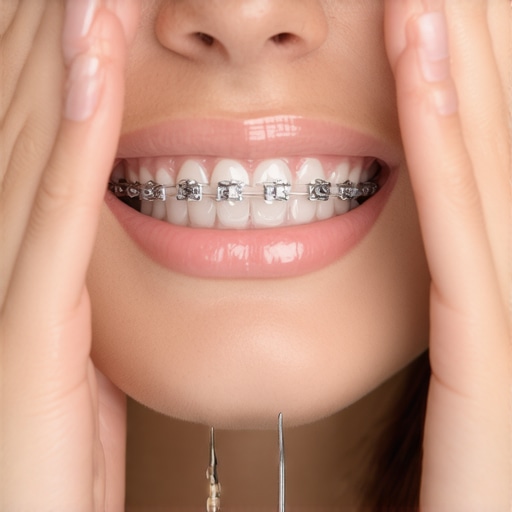
Ever been in the middle of biting into an apple or laughing with friends, only to feel that unsettling wiggle of a loose bracket on your braces? It’s a jarring moment. I remember the first time it happened to me—my heart skipped a beat, and I wondered if I had damaged my teeth or somehow messed up my orthodontic treatment in the process. That lightbulb moment made me realize just how unsettling a small thing like a loose bracket can be, especially when you’re trying to keep up with your smile goals.
Why a Loose Bracket Can Feel Like a Major Emergency
Honestly, at first, I thought it was no big deal. I tried to ignore it, hoping it would stay put until my next dentist appointment. But that little loose bracket became a source of constant discomfort and worry. It could catch on food, scratch the inside of my mouth, or even cause the wire to poke and irritate my gums. Realistically, ignoring it isn’t a good idea—loose brackets can delay your treatment or cause further damage if not handled properly.
Could Fixing It at Home Do More Harm Than Good?
Early on, I made a rookie mistake—trying to fix it myself with a pair of tweezers and a lot of guesswork. That small oversight taught me a crucial lesson: not every issue can or should be fixed at home. Still, knowing what steps to take can make the process safer and less daunting, saving you a trip to the orthodontist for minor issues. Contact your dental professional whenever you’re unsure, but here’s what I wish I’d known from the start.
Understanding how to carefully handle a loose bracket can empower you to keep your treatment on track without unnecessary trips or mishaps. Whether you’re curious about quick fixes or the best way to prevent future issues, this guide will walk you through practical, realistic solutions rooted in my own experience and expert advice.
So, if you’ve ever faced this problem and felt overwhelmed, you’re not alone. Let’s dive into what really works—and what doesn’t—when dealing with a loose bracket on your braces.
Stay Calm and Assess the Situation
When you notice a bracket wobbling, first take a deep breath. Carefully examine whether it’s completely detached or just loose. Use dental mirror or clean fingers to gently check if the bracket is still attached to the wire. Remember, panicking won’t help—staying calm allows you to handle the situation effectively. I once found a loose bracket during lunch, and instead of panicking, I gently inspected it to decide my next move.
Prevent Further Damage by Avoiding Certain Foods and Movements
While awaiting professional help, cut out sticky, hard, and chewy foods that can aggravate the issue. Chewing gum or biting into an apple should be avoided because they exert extra pressure on loose brackets. I learned this the hard way when I accidentally gnawed on an apple, which made the bracket worse. Gentle eating reduces stress on your braces until you can get it fixed properly. If you’re exploring options for enhancing your smile, you might consider veneers or crowns.
Temporary Fixes to Keep Comfort and Function
Use Orthodontic Wax or Sugar-Free Gum
Applying orthodontic wax over the loose bracket can prevent it from catching on your lips or cheeks. If wax isn’t available, a small piece of sugar-free gum can serve as a temporary shield. Be careful not to swallow the gum or apply too much pressure. I once used orthodontic wax from a local pharmacy, and it helped reduce irritation and kept the bracket in place temporarily.
Secure the Loose Bracket with a Pencil Eraser or Cotton Swab
Gently press the loose bracket back into place if it’s still partially attached, using a clean pencil eraser or cotton swab. This isn’t a fix, but it helps keep the bracket from dangling and causing discomfort. I carefully used a damp cotton swab to stabilize my bracket during a busy day. Remember, these are just temporary measures.
When to Seek Professional Help
If the bracket is entirely detached, causing pain, or if you notice wires poking into your gums, contact your orthodontist promptly at Smile Gum Care. Scheduling an appointment as soon as possible ensures your treatment stays on track. Don’t delay if your orthodontist has advised emergency care for specific issues—sometimes, phone consultations can provide quick guidance.
Follow Up and Prevent Future Incidents
Once repaired, ask your orthodontist for tips on preventing future loose brackets. Regular check-ins and avoiding damaging foods are key. Think of your braces as a delicate instrument—keeping it in good shape requires mindful handling. For those interested in alternative aesthetic options, explore Invisalign for a discreet correction method that reduces breakage risk.
Remember, a loose bracket isn’t the end of the world, but prompt action and proper care can keep your smile on the right path.
While many believe teeth whitening is solely about choosing the brightest shade, the reality is far more nuanced. For example, popular over-the-counter whitening products often falter on teeth with deep discoloration or certain restorations. It’s a common misconception that all whitening treatments are equally effective for everyone, but in my experience, tailored procedures supervised by a dental professional yield the best and safest results. Moreover, some assume whitening weakens enamel—a myth that can discourage cautious treatment—but studies show that professional whitening, when done correctly, doesn’t harm healthy enamel (American Academy of Cosmetic Dentistry).
What Do Most People Fail to Consider About Family Dental Care
Many focus only on treating existing issues, neglecting preventive strategies suited to each age group. For instance, children need fluoride varnishes, while adults should focus on periodontal health. Overlooking the importance of individualized care plans can lead to unnecessary dental emergencies. One common trap is neglecting the early signs of gum disease because the symptoms seem mild. Regular, personalized check-ups help catch problems before they escalate, which aligns with the latest guidelines in family dentistry.
Choosing a family dentist who understands the nuanced needs of each family member ensures comprehensive health. Having a dental team familiar with your family’s history allows for early intervention and tailored advice, a strategy that can save you money and discomfort in the long run. Don’t assume one-size-fits-all when it comes to dental health—differentiation is key.
Veneers: More Than Just a Cosmetic Fix
Many think veneers are a quick aesthetic upgrade, but they can also serve functional purposes, like covering worn-down teeth or correcting minor misalignments without braces. However, a common mistake is selecting veneers to mask underlying bite issues, which can lead to premature failure. Proper assessment with a detailed understanding of your bite mechanics is essential. For example, if you have a habit of grinding teeth, veneers might crack or debond early. That’s why consulting a specialist and exploring options like veneers vs. crowns helps you make informed decisions.
Rethinking Invisalign: Beyond the Clear Aligner
Many believe Invisalign is only for minor orthodontic corrections, but with technological advances, it now addresses complex cases typically reserved for traditional braces. Yet, a hidden pitfall is the over-reliance on patient compliance; success significantly depends on diligent wear schedules. Especially for adults who might underestimate the importance of consistent routine, failure can result in extended treatment times or subpar results. Recent research underscores the necessity of monitoring in-office progress and emphasizing patient education—something I always prioritize when discussing Invisalign therapy.
Make no mistake—these advanced orthodontic options can deliver excellent outcomes, but understanding their limitations and nuances ensures long-term satisfaction. Are you falling prey to any of these misconceptions? Let me know in the comments!
How Do I Maintain My Smile Over Time? Practical Tools for Lasting Results
Maintaining a healthy, beautiful smile isn’t a one-time effort—it’s an ongoing process that benefits from the right tools and consistent routines. Personally, I rely on high-quality electric toothbrushes like the Oral-B Genius X, which offers superior plaque removal and gentle gum care due to its advanced oscillating-rotating technology. Regular flossing with a water flosser such as the Waterpik Sonic-Fusion helps me reach those tricky interdental spaces more effectively than traditional floss alone, reducing the risk of cavities and gum disease. In my experience, these tools not only improve oral health but also make daily routines more manageable and enjoyable.
When it comes to whitening, I trust professional-grade whitening trays, especially when paired with custom-fit mouthguards from my dentist. This approach ensures even coverage and minimizes sensitivity—a common concern with over-the-counter products. As the trend in dental care shifts toward personalized, technology-driven solutions, staying updated with the latest advancements like LED whitening kits or bespoke bleaching methods can give you a competitive edge. According to the American Dental Association, tailored treatments have demonstrated better results and greater safety profiles, reinforcing the importance of professional guidance and quality tools.
In addition, I use a smartphone app that tracks my dental appointments, flossing schedule, and product usage, which helps me stay accountable. Digital reminders and educational content empower me to stick with my routine and understand how each element contributes to long-term success. As the dental industry continues to innovate, integrating technology such as AI-driven diagnostic tools and virtual check-ins is likely to become standard, making preventive care more accessible than ever.
How do I maintain my dental tools and ensure long-term effectiveness?
Regularly cleaning your electric toothbrush head with antibacterial solution prevents bacterial buildup and ensures optimal performance. Replacing brush heads every three months, as recommended, maintains bristle integrity and cleaning efficacy. Similarly, keeping reusables like flossers and whitening trays clean prevents contamination and degradation of materials. Adhering to manufacturer instructions and scheduling periodic professional cleanings with your hygienist keep tools performing at their best. Remember, investing in quality equipment and proper maintenance is vital for sustained results. For comprehensive guidance, check out my article on top teeth whitening strategies and apply these tips to your routine.
Looking ahead, I believe the future of dental maintenance will incorporate smart devices, like toothbrushes that sync with health apps and provide real-time feedback on brushing techniques. This integration promises to make preventive care even more effective and personalized.
Want to give these innovations a try? Start by upgrading to a smart toothbrush with app connectivity—it’s a game-changer for maintaining your smile’s brilliance over the years. Regularly updating your tools and practicing good habits will ensure your investments in dental treatments, like veneers or crowns, continue to look great and function well for decades to come.
Three Secrets I Wish I Knew About Transforming My Smile
- Embrace Preventive Care Over Instant Fixes: I used to think quick whitening treatments or veneers would solve everything, but true confidence comes from consistent maintenance and addressing underlying issues early. Regular check-ups and personalized advice make all the difference in long-term results.
- Invest in Quality Tools and Expert Guidance: From choosing the right electric toothbrush to consulting specialized professionals for veneers or Invisalign, the right resources amplify your efforts and protect your investments in your smile.
- Patience is Key with Dental Transformations: I learned that dramatic results take time—whether it’s whitening or orthodontic work. Rushing progress often leads to setbacks, so trusting your dentist’s timeline results in happier, more enduring outcomes.
Tools That Elevated My Dental Journey
- Professional Whitening Kits and Custom Trays: These tailor-made solutions offered safer, more uniform whitening, significantly reducing sensitivity, and increasing confidence in my brighter smile.
- Water Flosser (like Waterpik Sonic-Fusion): It streamlined my routine, improved gum health, and made cleaning around veneers and brackets effortless—an essential device I rely on daily.
- Consultation Platforms and Dental Apps: Scheduling reminders, educational resources, and virtual check-ins kept me proactive and informed about my dental care without the hassle of frequent visits.
- The Right Educational Resources: Reading trusted articles helps me understand options and limitations—like the differences between veneers and crowns—so I can make informed decisions aligned with my goals.
Your Smile Revolution Starts Today
Every journey to a healthier, more radiant smile is personal and worth the effort. Remember, real change isn’t just about aesthetic upgrades like teeth whitening or veneers—it’s about cultivating confidence from within and maintaining it through smart, consistent care. Take that first step today, whether it’s booking a consultation or exploring new tools that can transform your dental routine. Your brighter future begins now—don’t wait to embrace the smile you deserve.
What’s the biggest challenge you’ve faced with your dental care, and how did you overcome it? Share your story below—I’d love to hear!