
How to Handle a Loose Tooth from an Injury
It was just a normal Tuesday when I bit into that surprisingly tough apple, only to feel a sudden wobbly sensation in my front tooth. Panic set in. My mind raced with worries about dental bills, embarrassing smiles, and whether I could still enjoy my favorite foods. That lightbulb moment – realizing how fragile and unpredictable our teeth can be – made me dig into the question: what do I do when a tooth from an injury becomes loose? If you’re nodding along, you’re not alone. Many people overlook the seriousness of a loose tooth after an injury, thinking it might just tighten back on its own. But the truth is, timely action can make all the difference.
Why Handling a Loose Tooth Matters More Than You Think
Here’s the thing: our teeth are more than just functional tools for chewing; they’re a key part of our confidence and identity. A loose tooth from an injury isn’t just about aesthetics—it’s a warning sign that your dental health needs immediate attention. Ignoring it could lead to further damage, infection, or even tooth loss. And did you know? According to the American Dental Association, prompt care can greatly improve the chances of saving a loose tooth and avoiding more invasive procedures later on. That’s why knowing exactly what steps to take right now can save you from bigger problems down the road.
Is Emergency Dental Care Always Necessary for a Loose Tooth?
Early on, I made the mistake of waiting a couple of days before seeking professional help, thinking it would stabilize on its own. Spoiler: it didn’t. Waiting too long can cause the ligament holding the tooth to weaken further, making extraction more likely. For many, the first instinct might be to try to push the tooth back or ignore the pain—but doing so can cause more harm than good. That’s why understanding the correct approach and expert advice isn’t just helpful; it’s essential.
Now that we’ve covered why acting swiftly is crucial, let’s explore practical steps and expert tips to handle this dental emergency confidently and safely.
.
Stabilize the Tooth Immediately
As soon as you realize your tooth is loose, try to gently support it with clean fingers or a soft cloth to prevent further movement. Avoid wiggling or applying pressure, which can worsen the injury. An analogy here is like stabilizing a fallen picture frame—gentle support prevents additional damage.
Control Bleeding and Minimize Swelling
Apply a clean gauze or cloth to the bleeding area and hold firm for 10-15 minutes. Use a cold compress on the cheek near the affected area to reduce swelling. Think of it as icing an ankle after a sprain—reducing inflammation is crucial for healing.
Remove Debris Carefully
If there’s visible dirt or debris around the tooth, rinse your mouth gently with warm water. Do not scrub or use sharp instruments. This step clears the area and prevents infection, much like cleaning a wound before dressing it.
Avoid Attempting to Reposition the Tooth
While it might be tempting to try pushing the tooth back into place, avoid doing so unless directed by a dental professional. Attempting to reposition it incorrectly can cause further damage. Remember, like fixing a broken pipe—trying to force it back may worsen the break.
Prepare for Urgent Dental Visit
Schedule an emergency appointment immediately. Time is vital—seek care within 30 minutes to increase the chances of saving the tooth. You can contact your dentist through their contact page. Bring any loose fragments or broken pieces with you to aid in treatment.
Transport the Tooth Properly
If the tooth has been completely knocked out, place it in a container with milk, saliva (by holding it in your cheek), or a specialized preservation/transport solution. Do not store it in water, as it can damage the tissue. Think of this as saving a delicate object—proper handling can mean the difference between saving or losing the tooth.
Understand the Next Steps
Once at the dental office, the dentist will evaluate the injury, possibly perform x-rays, and determine whether the tooth can be reimplanted. If replantation isn’t possible, options like veneers or crowns may be considered to restore aesthetics and function. To learn more about veneers, which can beautifully fix chipped or damaged teeth, visit Veneers vs. Crowns.
 Many dental patients believe they understand cosmetic and preventive dentistry on a surface level, but in reality, some common beliefs are oversimplified or downright wrong. For instance, the myth that veneers are invincible or that teeth whitening results last forever can lead to costly mistakes. In my experience, these misconceptions often cause patients to choose treatments that aren’t suited to their needs, or to neglect important maintenance routines. Let’s explore some hidden nuances that can make a significant difference in your dental journey.
First, a widespread trap is assuming all veneers are the same. Many think that porcelain veneers can fix all aesthetic issues with a single application. However, the reality is more complex. The thickness, material quality, and bonding techniques vary significantly among providers, and these factors influence durability and appearance. For example, proper placement and material choice are critical for long-term success. Failing to understand these nuances can lead to chips, discoloration, or even the need for replacement sooner than expected.
Second, regarding teeth whitening, a common misconception is that professional treatments are entirely safe for all types of enamel. But in fact, overusing whitening products or choosing the wrong formulation can cause sensitivity and enamel erosion. Recent studies suggest that bleaching agents can weaken enamel if not used correctly—a reason why consulting your dentist is crucial. Learn more about approved whitening strategies that balance effectiveness and safety.
Third, many assume that family dentistry is just about cleaning and cavity filling. On the contrary, a comprehensive family dental practice aims to prevent complex issues through early detection. Hidden problems such as bite misalignments or periodontal disease often go unnoticed until they cause significant damage. Regular check-ups and tailored preventive measures can save you from costly treatments later on. Discover practical tips at building a healthy family smile.
Finally, let’s consider Invisalign. A common mistake is believing that aligners are only for mild crowding. In reality, they can treat complex cases, but only with proper planning and compliance. Advanced practitioners use 3D imaging and motion analysis to customize treatment plans that may include attachments and refined root movements. Skipping this nuanced approach can prolong treatment time or result in suboptimal outcomes. Check out invisalign secrets for a perfect smile to understand how proper planning influences success.
**What about the risks of ignoring these nuances?** Misunderstanding material properties or treatment limits can lead to diminished results, increased costs, and even dental health deterioration. That’s why consulting with experienced professionals who understand these detailed aspects is essential.
Have you ever fallen into this trap? Let me know in the comments. Remember, a well-informed patient makes the best decisions for their dental health and smile longevity.
Maintaining a radiant smile requires more than just professional procedures—it hinges on using the right tools and adopting effective routines. As a dental professional, I personally rely on a combination of advanced equipment and proven methods to ensure my patients’ veneers, whitening, and Invisalign results stand the test of time.
How do I maintain my veneers and ensure long-term beauty?
One essential tool I recommend is a high-quality ultrasonic scaler for professional cleanings. Regular cleanings prevent plaque buildup that can compromise veneers’ bond strength. Additionally, I emphasize the importance of using a gentle, non-abrasive electric toothbrush—like the Sonicare DiamondClean—which I personally use to maintain optimal plaque removal without damaging the veneer surface. Incorporating floss with a floss threader helps clean tight spaces around veneers or crowns, preventing decay at the margins.
For patients with whitening treatments, I advise using custom-fit whitening trays alongside recommended whitening gels. This precise fit minimizes overexposure and protects enamel. To stay ahead, I consult the latest research, such as the 2023 study published in the Journal of Esthetic Dentistry, which highlights the effectiveness of certain LED light systems in accelerating whitening with minimal sensitivity.
Is it possible to scale or enhance my Invisalign results over time?
Absolutely. I advocate for utilizing digital smile design software—like the one from Invisalign’s latest version—that allows for precise tracking and adjustments. Regularly scheduled virtual follow-ups enable me to fine-tune aligner fit and trajectory, ensuring the treatment stays efficient. A recent technical guide from Align Technology emphasizes that updating digital models based on current progress helps prevent relapse or minor misalignments.
Looking ahead, I believe the future of dental maintenance will see even smarter tools—like AI-powered scanners that identify early enamel erosion or microscopic plaque buildup before symptoms emerge. Incorporating these advancements now can save you time and extend the longevity of your treatments.
What’s the key to long-term maintenance of cosmetic dental procedures?
The secret is consistency. Incorporate daily routines like brushing with low-abrasive, fluoride toothpaste, and using interdental brushes for hard-to-reach spots. An often-overlooked tip is to schedule professional check-ups twice a year—this is when I use ultramodern tools like 3D intraoral scanners, which provide detailed images for early detection of issues.
If you’re serious about preserving your smile, I recommend trying the advanced routine of combining a sonic toothbrush with a water flosser—technologies proven to remove biofilm more effectively than traditional tools. For more insights on teeth whitening that lasts, check out this guide on best whitening strategies. Remember, staying proactive with high-quality tools and expert care makes all the difference in the long run.
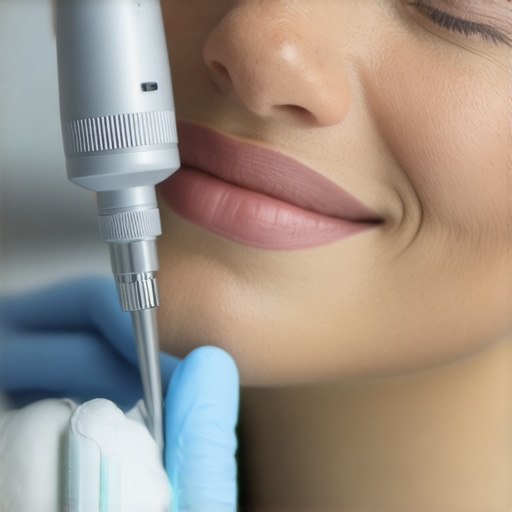
Incorporating modern tech into your routine can make maintaining your dental work more effective and less time-consuming. A close-up image of a dental professional using an ultrasonic scaler highlights how advanced equipment supports patient longevity.
What I Wish I Knew About Treating a Loose Tooth in Time
One of the most eye-opening lessons I learned was the importance of acting swiftly rather than delaying care. Waiting even a few hours can significantly reduce the chances of saving your natural tooth, especially when the injury results in mobility. Additionally, I realized that my subconscious tendency to ignore early warning signs—like slight pain or looseness—could lead to more complex problems. Recognizing these subtle cues early empowers you to seek prompt professional advice and avoid unnecessary extractions or invasive procedures.
The Tools and Strategies That Changed My Approach
Over time, I’ve found that investing in high-quality diagnostic tools—like digital X-rays and intraoral scanners—enhances the accuracy of treatment decisions for loose teeth. Using specialized stabilization techniques, such as splinting, enabled me to preserve natural teeth I once thought would be lost. These insights underline that combining the right technology with personalized care makes all the difference. I recommend exploring advanced resources, like the latest innovations in emergency dental protocols, to ensure you’re prepared for any sudden injury.
Embracing the Future of Dental Emergencies and Maintenance
What truly excites me is how emerging technologies, such as AI-driven diagnostics and 3D printing, are revolutionizing immediate care and long-term maintenance. These tools can help detect minute signs of instability or early decay, even before symptoms arise. For patients, this means more predictable outcomes and preserved smiles. The key takeaway? Staying proactive with cutting-edge equipment and continuous education allows us to turn dental emergencies into opportunities for strengthening your dental health.
Insider Wisdom for Smart Dental Decisions
- Prioritize prompt action—the window for saving a loose tooth is narrower than most think.
- Leverage technology—invest in or seek out dentists who utilize advanced diagnostic tools for accurate assessments.
- Never underestimate subtle warning signs—early discomfort or looseness can save your natural tooth.
- Stay informed about emerging dental innovations—these advancements will shape better outcomes for injury-related cases.
These lessons have deepened my understanding of how critical timely, informed intervention is when handling a loose tooth. Recognizing that each injury carries unique nuances has reminded me that personalized care makes a difference. If you’ve ever struggled with knowing when to seek help or how to handle your dental emergencies, I invite you to share your experience or questions below. Remember, your healthy smile is worth every expert tip and proactive step you take.
Must-Have Tools for Maintaining Your Smile
For ongoing dental health, I recommend a few essentials that can help you preserve your smile’s integrity. A high-quality ultrasonic scaler for professional cleanings ensures plaque doesn’t compromise the stability of your teeth or veneers. Pair this with a gentle electric toothbrush like the Sonicare DiamondClean, which I personally use for its effectiveness without damaging delicate surfaces. Incorporate interdental brushes and floss threaders to clean between teeth thoroughly, especially around crowns or braces. Lastly, investing in custom-fit whitening trays along with proven gels allows you to brighten your smile safely and effectively—see the latest strategies on top teeth whitening tips. Combining the right tools with regular visits can dramatically extend the life of your dental work and keep your smile shining bright for years to come.