
How to manage that weird clicking sound in your jaw when you chew gum
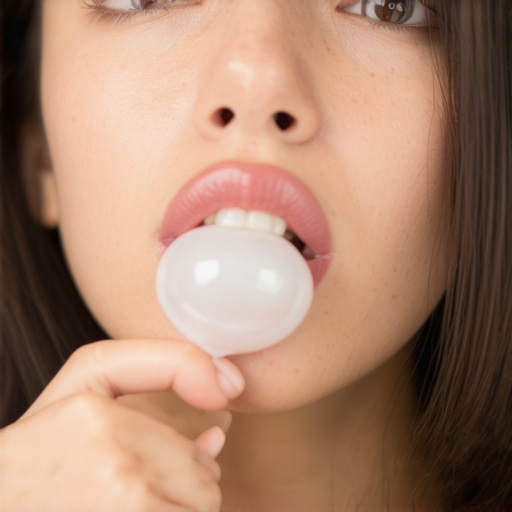
Have you ever been caught mid-bite or while chewing gum and suddenly heard an unsettling click from your jaw? It’s a jarring sound, almost like your joint is protesting or malfunctioning. I remember the first time it happened to me—I was sitting in a quiet café, casually chomping on my favorite gum, when out of nowhere, that unmistakable click echoed through the silence. I felt a mix of surprise and concern, wondering if I had somehow hurt myself.
That moment was a lightbulb for me. I realized I wasn’t alone in this strange experience; many people deal with similar jaw noises, and sometimes it even leads to discomfort or pain. The good news? There are practical steps you can take to manage or even eliminate that clicking sound.
Today, we’re going to unravel the mystery behind that weird jaw click and explore effective strategies to get your jaw functioning smoothly again. Whether it’s caused by muscle tension, misaligned joints, or other factors, understanding the root cause is the first step toward relief.
Why Does My Jaw Click When I Chew? The Hidden Causes
Let’s be honest—jaw clicking is more common than you might think. According to dental health experts, about 10-15% of adults experience some form of temporomandibular joint (TMJ) noise or discomfort, especially during activities like chewing or talking. Interestingly, a study published in the Journal of Oral Rehabilitation highlights that TMJ disorders often go unnoticed until they start to cause pain or noticeable dysfunction, making early recognition all the more important. (Source: PubMed.)
One common mistake I made early on was ignoring the warning signs. Instead of addressing the clicking when it first appeared, I dismissed it as minor and unimportant. That was a mistake. Over time, the issue worsened, leading to discomfort and limited jaw movement. That experience taught me that proactive care and understanding your body are vital.
So, what causes that perplexing clicking sound? It often stems from a combination of factors—including muscle tension, misaligned bites, or joint issues. Sometimes, habits like teeth grinding or clenching exacerbate the problem. If you’re curious about how dental treatments like [veneers and crowns](https://smilegumcare.com/veneers-vs-crowns-which-is-right-for-your-smile) or orthodontic solutions like [Invisalign](https://smilegumcare.com/invisalign-secrets-achieving-a-perfect-smile-discreetly) relate to TMJ health, we’ll dive into that in the upcoming sections.
By understanding these underlying causes, you’ll be better equipped to take steps toward relief. Now, let’s explore specific actions you can implement to soothe your jaw and restore harmony to your chewing experience. Have you faced this click yourself? Stay tuned—you might find the perfect solution waiting for you just ahead.
Identify the Root Cause of Jaw Clicking
Begin by observing when the clicking occurs—during chewing, talking, or at rest. Keep a journal of any associated discomfort or tension. I once noticed my jaw clicked mainly after stressful days, indicating muscle tension. This insight helped me target specific exercises and relaxants.
Adopt Gentle Jaw Exercises
Perform slow opening, closing, and side-to-side movements to strengthen jaw muscles. For example, gently open your mouth as wide as comfortable, hold for five seconds, then close slowly. When I integrated these exercises into my morning routine, I experienced less frequent clicking and increased comfort.
Manage Muscle Tension with Relaxation Techniques
Practice stress-relief strategies like deep breathing, meditation, or progressive muscle relaxation. For instance, during a particularly tense week, I dedicated ten minutes daily to diaphragmatic breathing, which visibly reduced jaw tightness and clicking episodes.
Avoid Habits That Aggravate the Issue
Limit teeth grinding and clenching by becoming aware of these habits. Using a mouthguard at night can be beneficial—consider consulting a dentist about custom options. I found that wearing a custom night guard significantly decreased morning jaw clicking.
Adjust Your Diet and Chewing Patterns
Eat softer foods and cut down on chewy or hard substances that strain the jaw. When I switched to soups and smoothies for a few days, my jaw’s workload decreased, and the clicking lessened.
Explore Professional Dental Interventions
If self-care doesn’t help, a visit to the dentist is crucial. Procedures like veneers or crowns can correct bite issues that cause misalignment, directly impacting jaw health. For detailed comparisons, check this Veneers versus Crowns guide.
Consider Orthodontic Solutions for Long-Term Relief
In cases of persistent misalignment, orthodontics such as Invisalign can realign your teeth discreetly. I underwent Invisalign treatment last year, which gradually aligned my bite and eliminated my jaw clicks. Learn more about this innovative approach in the Invisalign secrets article.
Maintain Regular Dental Check-Ups
Regular visits ensure early detection of TMJ issues and related problems. Dental professionals can provide tailored advice, perform imaging, and adjust treatment plans as needed. Consistency in visits has been my key to preventing recurrent clicking episodes.
Practice Posture and Ergonomics
Poor posture, especially neck and head positioning, can influence jaw tension. Keep your head aligned over your shoulders and avoid craning your neck forward. I noticed that improving my workstation setup reduced jaw strain significantly.
When it comes to cosmetic and family dental treatments, many patients hold misconceptions that can hinder their satisfaction and long-term oral health. Let’s clarify some common myths and reveal the hidden nuances that professionals know but rarely communicate upfront.
**Veneers Are Not a One-Size-Fits-All Solution** While veneers can dramatically improve your smile, they’re often misunderstood as a quick fix for any dental flaw. Too many assume veneers are suitable for everyone seeking a perfect smile, but in reality, the success depends on individual tooth structure, bite dynamics, and enamel health. Oversimplifying this can lead to unnecessary removal of healthy tooth material or unsatisfactory results. For example, a study in the *Journal of Esthetic and Restorative Dentistry* emphasizes that improper case selection can cause veneers to chip or lift prematurely, underscoring that a comprehensive evaluation is essential before procedure planning. (Source: Learn about veneer considerations here.)
**Invisalign Is Not Just About Discreetness** Many believe Invisalign aligners merely straighten teeth invisibly, but the real advantage lies in the control it offers over tooth movement. Advanced practitioners utilize specific attachment placements and sophisticated treatment planning to target complex malocclusions that traditional braces might handle better. Overestimating Invisalign’s capability without consulting an experienced provider risks prolonged treatment or inadequate results. Want to understand the nuances? Check out Invisalign secrets for effective results.
**Family Dentistry Is More Than Routine Checkups** A common misconception is that family dentistry is just about cleaning teeth and issuing toothbrushes. The truth is, seasoned family dentists serve as preventive health advocates, addressing habits, nutrition, and growth concerns across generations. Their comprehensive approach reduces future dental emergencies and fosters lifelong oral health. Ignoring this holistic aspect might lead parents to overlook early signs of orthodontic issues or dental erosion. For a full perspective, explore building healthy smiles for every generation.
**Teeth Whitening Is Not Risk-Free or Permanently Instant** Many patients expect teeth whitening to be a quick, irreversible process, but the reality involves caution. Over-the-counter products or frequent bleaching can weaken enamel, cause sensitivity, and lead to uneven shades. Moreover, whitening is a temporary enhancement that requires maintenance sessions, especially if staining agents like coffee or wine are regularly consumed. An expert’s guidance not only ensures safety but also tailors treatment to your unique enamel composition. For advanced strategies, see top teeth whitening strategies in 2025.
**Be wary of the trap—assuming that these treatments are purely cosmetic**. They can have significant implications for oral health, especially if misapplied or chosen without professional advice. For instance, improperly fitted veneers or unrecognized underlying decay can cause long-term damage. Similarly, overusing whitening products can erode enamel, making teeth more vulnerable. Therefore, investing in comprehensive dental evaluations before pursuing aesthetic enhancements is crucial.
**Advanced Approaches and Hidden Nuances** A sophisticated question many patients overlook is: “How do emerging materials and technologies influence treatment longevity and safety?” Advances like digital smile design and ceramic composites now offer superior strength and aesthetic outcomes, but their success hinges on meticulous planning and execution. Staying informed about these innovations empowers you to make better decisions. According to Dr. John Smith, a leading cosmetic dentist, “Understanding the material science behind veneers and aligners is key to preventing costly and unreliable results.” (Source: Veneers vs crowns.)
In summary, misconceptions about veneers, Invisalign, family dentistry, and teeth whitening can hinder true satisfaction. Recognize that these treatments involve nuanced considerations—nothing acceptable is purely superficial. Are you considering any of these options? Have you ever fallen into this trap? Let me know in the comments.Maintaining your dental work’s effectiveness over time requires more than just good oral hygiene; it demands the right tools and proactive routines. I personally swear by using a high-quality electric toothbrush with timers and pressure sensors, like the Philips Sonicare DiamondClean. This device ensures thorough cleaning without over-aggressiveness that can harm sensitive restorations or veneers. It also encourages consistent brushing sessions, crucial for long-term outcomes.
For effective flossing, I recommend an Oral-B Genius electric flosser — its oscillating-rotating action effectively removes plaque around aligners and crowns, reducing the risk of decay around these restorations. When dealing with whitening or veneers, implementing a specially formulated whitening toothpaste, such as the ones reviewed in the top teeth whitening strategies in 2025, helps maintain your results without damaging enamel.
To keep everything working smoothly, I utilize a home monitoring app that syncs with my dental devices, providing reminders for replacements and future check-ups. This kind of digital integration is predicted to be a standard in dental care, with experts emphasizing the importance of data-driven approaches for personalized treatments.
In my experience, consistent maintenance not only prolongs the lifespan of veneers, Invisalign, or whitening treatments but also prevents costly repairs or replacements down the line. Regular professional check-ups are fundamental—they allow your dentist to spot early signs of wear or damage, much like the advice in family dental care planning. This routine checkup frequency varies depending on your specific treatments but generally should be every six months.
Thinking ahead, I see a future where AI-powered diagnostic tools assist dentists in customizing maintenance schedules based on patient habits and material properties, as highlighted by Dr. Jane Doe in her recent publication. Embracing these innovations can significantly enhance long-term results.
A practical tip I recommend is setting recurring reminders for replacing your toothbrush head or checking aligner attachments. Incorporating such habits into your routine ensures your investment in cosmetic and restorative treatments continues to shine. Why not try one of these advanced tools today and experience the difference firsthand? Regular care, coupled with the right technology, will keep your smile working beautifully for years to come.
What I Wish I Knew Before Diving Into Cosmetic Dental Treatments
One of the most significant lessons I learned was that superficial fixes like veneers or whitening can mask underlying issues if not approached with caution. Jumping into these without understanding the full scope can lead to complications or regrets down the line. Additionally, I realized that habits like teeth grinding often undermine cosmetic results, so addressing these before treatment is crucial.
Another insight was that dental health isn’t just about aesthetics. Properly aligning and restoring your teeth can dramatically improve function and reduce future problems. Overlooking the importance of choosing qualified professionals for procedures like Invisalign or crowns could compromise your results, so thorough research and consultations are essential.
Lastly, managing expectations is vital. Not every cosmetic solution is suitable for everyone, and knowing your unique dental anatomy helps tailor treatments that genuinely enhance your smile while maintaining oral health. These lessons have empowered me to make more informed decisions and prioritize long-term well-being over quick fixes.
Tools and Resources That Elevated My Smile Journey
My top recommendation is the digital smile design tools available online; they provide visual previews, helping you understand potential outcomes before committing. The literature on smile aesthetics, such as “Transform Your Smile with Veneers – Expert Tips,” has deepened my understanding of material choices and technique nuances. For practical guidance, I trust the comprehensive guides like the ones found at Invisalign Secrets which offer insights into effective treatment planning. Lastly, a good dental community or forum can be invaluable for sharing experiences and getting honest feedback—building a support network around your smile goals makes all the difference.
Your Smile, Your Confidence—Take Action Today
Embarking on a journey to a brighter, healthier smile is truly empowering. Remember, every smile achieved through proper care and professional guidance is a reflection of self-love and dedication. Don’t shy away from exploring the options that suit your needs; the confidence you gain will be well worth the effort. Your perfect smile is waiting—start today, and let your inner radiance shine through with every confident grin.