
How to remove the white film on your tongue naturally
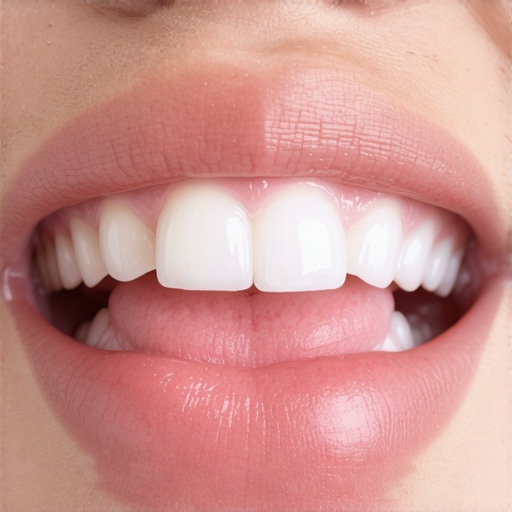
It was a morning just like any other, but as I looked into the mirror, I noticed something that made me wince—an odd, persistent white film covering my tongue. At first, I thought it was just leftover food or maybe dehydration, but after days of scrubbing my tongue and still seeing that stubborn coating, I realized I wasn’t alone in this. That white film, often overlooked, can be surprisingly bothersome, affecting both comfort and confidence.
Many of us experience this at some point, and it’s more common than you might think. The good news? There are natural remedies that have worked wonders for me—and could do the same for you. In this post, I’ll share practical, easy-to-follow tips to help you banish that white film from your tongue without resorting to harsh chemicals or expensive treatments. We’re going beyond basic brushing, diving into natural methods that truly make a difference.
Why That White Film Won’t Just Go Away on Its Own
The white coating on your tongue often results from a buildup of dead cells, bacteria, and food debris. While these can sometimes clear up with improved oral hygiene, chronic cases suggest underlying factors like dehydration, poor digestion, or even yeast overgrowth. According to the American Dental Association, maintaining a healthy oral environment requires more than just brushing—regular scraping and natural detox methods can significantly improve your oral health.
But here’s the thing: early on, I made the mistake of thinking that just brushing my tongue vigorously would solve the problem. That only led to irritation and a temporary fix. The real change came when I understood that a gentle, natural approach targeting the root causes was more effective.
If you’ve been battling that white film and feeling frustrated, you’re probably wondering if natural methods are really worth trying. Well, I can vouch from personal experience that a combination of hydration, probiotics, and natural scrapers can transform your oral health. Curious? Keep reading, because the solutions aren’t complicated, and they could be just what you need to regain that fresh, clean feeling.
Feeling tired of hiding your smile or worrying about bad breath? You’re not alone. Let’s explore how simple, natural remedies can make a noticeable difference, and get you back to feeling confident in your own skin. Ready to learn the secrets I wish I knew earlier? Here’s what you can do to banish that stubborn coating and restore your tongue’s natural freshness.
Start With Proper Hydration
Drink Water Regularly Throughout the Day
Pouring a tall glass of water each morning was my first move. I set alarms to remind myself to sip frequently, especially after meals. Hydration flushes out toxins and keeps bacteria in check, which is crucial because dry mouth often leads to that stubborn coat. Remember, dehydration creates a perfect environment for bacteria to thrive, so staying well-hydrated is your first line of defense.
Use a Natural Tongue Scraper
Choose a Gentle, Non-Abrasive Tool
One morning, I grabbed a silicone tongue scraper from my kitchen drawer. Instead of using harsh chemicals, I gently scraped from back to front, applying light pressure. This mimics the action of professional oral cleaning but at home. Regular scraping dislodges the buildup that causes the white film and prevents it from hardening, making your mouth feel fresher.
Incorporate Probiotics into Your Routine
Eat Yogurt or Take Supplements
I added plain Greek yogurt to my breakfast and started taking a probiotic supplement. These introduce beneficial bacteria that outcompete harmful microbes on your tongue, which can be a root cause of the coating. Think of it as crowd control—encouraging the good guys to keep the bad guys in check. Over a week, I noticed a significant reduction in the white film and an improvement in breath freshness.
Adjust Your Diet for Better Oral Health
Avoid Sugary and Processed Foods
Cutting back on sugar and processed snacks was eye-opening. These foods feed bacteria and fungi that promote coating formation. Instead, I increased intake of fibrous fruits and vegetables, which naturally scrub the tongue as you chew. This simple switch helps limit microbial growth and supports overall oral hygiene.
Add Natural Antimicrobial Rinses
Use a Saltwater or Coconut Oil Rinse
My mornings involved swishing with warm saltwater or a teaspoon of coconut oil—the latter known for its antimicrobial properties. These rinses reduce bacterial load without chemicals and soothe irritated tissues. Swishing for 2-3 minutes twice daily became a game-changer, visibly improving tongue clarity and overall mouth health.
Seek Professional Advice if Needed
If the white film persists despite these steps, consulting a dentist is wise. Sometimes, persistent coating indicates underlying issues like yeast overgrowth or oral infections that require targeted treatment. Visiting a professional can also provide tailored advice or explore options such as veneers or Invisalign if your overall dental health is also a concern, which you can learn more about at Veneers or Invisalign.
Many patients believe that teeth whitening, veneers, or Invisalign are straightforward solutions, but there’s often a common misconception that overlooks critical nuances. For example, a widespread myth is that all whitening treatments are equally effective and safe. However, professional whitening options, such as those detailed in our comprehensive guide, are tailored to your enamel’s specific needs. Over-the-counter products can sometimes cause enamel sensitivity or uneven whitening, especially when used improperly.
In terms of veneers, many assume that they are a one-size-fits-all quick fix for aesthetic issues. But the reality is more nuanced: veneers require careful consultation to determine the right material, thickness, and placement—for example, porcelain vs. composite veneers—each with different longevity and maintenance needs. Learn more about how veneers are crafted to transform your smile.
When discussing Invisalign, a common misconception is that they are only suitable for minor misalignments. Yet, recent advancements in clear aligner technology now make them a viable option for more complex cases. However, improper use—like skipping aligner changes or inconsistent wear—can compromise results. For advanced insights, see expert tips on Invisalign usage.
Why do some treatments fail to deliver their promised results?
This question often trips up patients who don’t consider the importance of individualized care plans. For example, a whitening procedure not suited to your enamel type may cause uneven fading or sensitivity, while veneers placed without proper evaluation can lead to jaw discomfort. According to a 2022 study published in the Journal of Esthetic & Restorative Dentistry, personalized treatment planning significantly improves outcomes and patient satisfaction, emphasizing that a tailored approach outweighs one-size-fits-all solutions.
An often-overlooked factor is maintenance and lifestyle. For example, frequent consumption of staining foods or neglect of proper oral hygiene can undermine even the best cosmetic procedures. This underscores the importance of ongoing care, a topic thoroughly covered in our family dentistry tips.
Have you ever fallen into this trap? Let me know in the comments, and share your experiences or questions. Remember, understanding the subtleties behind these treatments can make all the difference in achieving beautiful, lasting results.Maintaining your dental improvements over the long term requires more than just visiting the dentist once or twice a year. It involves using the right tools, adopting effective routines, and staying informed about new technologies that can enhance your oral health. Personally, I swear by certain equipment and methods that have proven invaluable in preserving my bright smile and ensuring my treatments, like veneers and Invisalign, last for years.
First and foremost, investing in a **high-quality electric toothbrush** has been a game-changer. Unlike manual brushes, electric toothbrushes with oscillating-rotating technology, such as the Oral-B Genius series, can remove plaque more effectively, especially around veneers and brackets. I recommend models with pressure sensors to prevent gum damage from brushing too vigorously. Regular use of such a device ensures that your investment in cosmetic treatments stays looking pristine.
In addition, a **water flosser** like the Waterpik Aquarius provides superior interdental cleaning, especially for those with braces, veneers, or implants. This tool uses a targeted water jet to dislodge food particles and plaque from hard-to-reach areas, significantly reducing the risk of staining or decay. Incorporating a water flosser into your daily routine has helped me maintain the integrity of my dental work without fuss.
For surface cleaning, a **customized silicone tongue scraper** is a must-have. Gentle yet effective, it helps remove bacteria-loaded coating on the tongue that can compromise oral health. Personal experience confirms that complementing brushing and flossing with tongue scraping results in fresher breath and fewer plaque issues. I prefer silicone over plastic because it’s gentle on the mucosa and easier to clean.
When it comes to professional-grade tools, **ultrasonic dental scalers** are now accessible for home use. While traditionally reserved for dental clinics, brands like SonicGlide offer safe, user-friendly options that help remove tartar buildup early, preventing long-term damage. They are especially beneficial if you’re undergoing veneers or Invisalign, as maintaining pristine oral conditions extends the lifespan of those treatments.
Now, as the trend in cosmetic dentistry shifts toward **smart oral care technology**, I’ve started experimenting with apps connected to smart toothbrushes. These apps track your brushing habits, remind you to replace your brush head, and provide feedback on technique. Keeping my routine data-driven helps me stay consistent and optimize my efforts.
**How do I maintain my dental enhancements over time?** Regular professional check-ups are critical, but so is **adopting habits that prevent staining and wear**. Using a whitening toothpaste once a week, avoiding staining foods like coffee and red wine, and wearing a protective guard during sports or grinding episodes all contribute to long-lasting results. Also, consulting your dentist regularly ensures early detection of potential issues.
Looking forward, I believe advancements like **teledentistry and AI-powered diagnostics** will revolutionize how we maintain our smiles remotely. Imagine getting personalized care plans based on real-time data from your smart toothbrush or flosser! It’s an exciting time for dental care.
Ready to take your maintenance routine to the next level? I recommend trying a water flosser paired with a smart toothbrush app for enhanced results. Consistency is key to making your investment in veneers, Invisalign, or whitening last, so start today with one of these tools. If you’re unsure which equipment suits your needs, don’t hesitate to contact a professional for tailored advice—reach out here. Remember, investing in the right tools now means fewer touch-ups and repairs down the line, allowing your smile to shine brightly for years to come.
What I Wish I Had Known About Natural Dental Care Sooner
One of the most eye-opening lessons I learned was that quick fixes, like over-the-counter whitening or aggressive brushing, often mask deeper issues instead of resolving them. Patience and embracing foundational habits—hydration, gentle cleaning, and proper diet—created lasting improvements that no gimmick could match.
Regrettably, I underestimated the importance of customizing my oral routine and overlooked signs that pointed to underlying health problems. Paying attention to my body’s signals—like persistent coating or sensitivity—helped me seek professional advice early, saving me from costly corrections later.
How I Discovered Reliable Tools That Actually Work
Initially, I relied on store-bought brushes and cheap mouthwashes, which proved ineffective. When I invested in a quality electric toothbrush and a silicone tongue scraper, I saw instant results. These tools, combined with natural antimicrobial rinses, ushered in a new era of freshness and confidence. Trust me, the right equipment makes all the difference when maintaining cosmetic treatments like veneers or Invisalign.
Through trial and error, I found that integrated smart technology, such as app-connected toothbrushes, enhanced my consistency and technique—transforming a mundane routine into a proactive health measure. I recommend exploring these options if you’re serious about preserving your smile.
The Power of Mindful Choices and Consistency
Beyond tools, I realized that lifestyle habits—diet, stress levels, and habits like nail-biting—significantly impact my oral health. Cutting down on processed foods and staying hydrated was a game-changer. Regular professional check-ups complemented my daily routines, ensuring my treatments lasted longer.
Most importantly, I learned that a proactive, attentive approach makes everything more effective. Whether you’re considering veneers or Invisalign, adopting these mindful habits ensures your investment endures and your smile remains radiant.
Where I Turned for Trusted Guidance
During my journey, reputable resources proved invaluable. The comprehensive ultimate guide to teeth whitening options in 2025 clarified myths and introduced me to advanced treatments tailored to my needs. For insights into tailored cosmetic procedures, I turned to trusted professionals at Veneers Made Simple.
Staying informed has empowered me to make decisions that align with my goals, and I encourage others to seek reputable sources and consult specialists when necessary.
Your Next Step Toward a Confident Smile
Every journey to a better smile is unique, but the willingness to learn and adapt makes all the difference. Whether you’re aiming for whiter teeth, straighter alignment, or healthier gums, embracing natural solutions and proactive habits will always serve you best.
Remember, your smile is a reflection of your overall well-being. Start small, stay consistent, and don’t hesitate to ask for professional guidance. Your future self will thank you for the effort today.
What’s one change you’re excited to try in your oral health routine? Drop your thoughts below—I’d love to hear your journey or answer any questions you might have!
,