
Why your toddler refuses to spit out their toothpaste
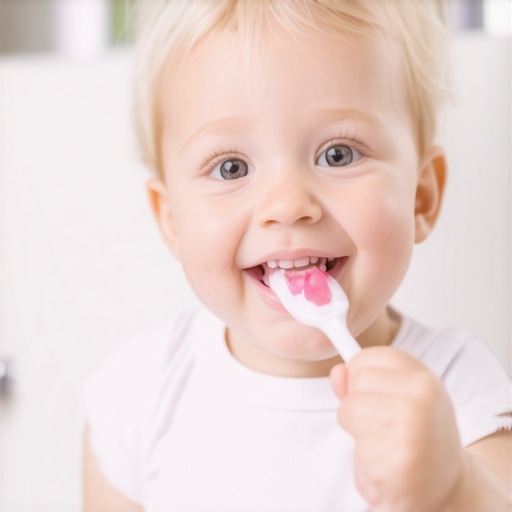
It was a morning like any other until I caught my toddler chucking their toothbrush across the bathroom, toothpaste still clinging to their chin. The little grin on their face? Pure defiance. I realized then—getting my kid to spit out that last bit of toothpaste wasn’t going to be easy. Sound familiar? We’ve all been there, watching them stubbornly keep that minty goo in their mouth, as if it’s some secret treasure.
Understanding the Toddler Toothpaste Dilemma
Kids are funny creatures. What seems straightforward—rinsing, spitting, being clean—often turns into a wrestling match. From my experience, the root cause is often a simple mix of sensory sensitivities and misunderstandings about what they’re supposed to do during brushing. My own early attempts resulted in a lot of gagging and tears, which made me feel like I was failing as a parent. But I’ve discovered that this is a common phase and entirely manageable. Today, I want to share practical insights to help your little one get comfortable with spitting out toothpaste.
Many parents assume that kids will naturally spit after brushing, but in reality, the reflex isn’t ingrained yet. Kids often swallow or keep the toothpaste because it feels strange or uncomfortable—so they learn to keep it in. This simple misunderstanding can lead to issues like swallowing fluoride or not cleaning their teeth properly.
Here’s a surprising fact that might shock you: according to a study published by the American Dental Association, about 50% of children swallow toothpaste regularly, which raises concerns about fluoride ingestion. That’s why teaching them to spit isn’t just about dental hygiene—it’s also about their health.
If you’ve been frustrated because your child refuses to spit or gags every time, you’re not alone. I’ve been there too, making mistakes like rushing the process or forcing the issue, which only made things worse. Trust me, I’ve learned that patience and understanding are key to this transition.
In the next sections, I’ll walk you through tried-and-true strategies to make spitting out toothpaste a natural part of your child’s routine. We’ll explore ways to ease sensory sensitivities, create a positive brushing experience, and even turn it into a fun game. Ready to turn those bathroom battles into bonding moments? Let’s dive in!
Start with Clear Goals and Assessment
Before diving into any dental treatment, schedule a comprehensive examination with your dentist to understand your current oral health. This step helps identify issues like cavities, gum disease, or misalignment and sets a baseline for treatment. During my own visit, I was surprised to learn my bite needed correcting, making me more prepared for options like Invisalign or veneers.
Plan Your Treatment Strategy
Work with your dentist or orthodontist to develop a tailored plan. For instance, if you aim for a brighter smile, consider teeth whitening methods. If alignment is your goal, explore Invisalign or traditional braces. A well-thought-out plan minimizes surprises and ensures each step complements your overall aesthetic and health goals.
Prepare for Cosmetic Procedures
For cosmetic enhancements like veneers or whitening, initial steps include thorough cleaning and possibly minor preparatory treatments. My experience with veneers involved a small bond adjustment before application, which dramatically transformed my smile aesthetic. Remember, proper preparation helps maximize the longevity and beauty of these treatments.
Executing Procedures with Precision
For veneers, your dentist will stain and shape the porcelain to match your teeth, then bond them securely. During my veneer appointment, the process took a couple of hours, and I was shown a resemblance preview. Being present and understanding each step ensures comfort and good communication. Using high-quality materials and techniques guarantees natural appearance and durability.
Post-Treatment Maintenance and Care
After procedures like whitening or veneers, follow your dentist’s instructions carefully. Regular brushing, flossing, and avoiding stain-inducing foods prolong your results. My routine includes using gentle floss threaders and avoiding dark beverages for the first week. Schedule follow-up visits for adjustments or polishing to keep your smile looking its best.
Consider Future Enhancements
Invisalign can be a game-changer for minor misalignments—it’s discreet and effective. If you’re thinking about teeth whitening, check out the latest top whitening strategies to choose a safe and effective method. Combining treatments like veneer placement and whitening can produce a stunning, natural look. Just remember, maintaining ongoing oral health is key to long-term satisfaction.
Stay Informed and Seek Expert Help
Avoid DIY fixes that can harm your teeth. Always consult qualified professionals for procedures like veneers, whitening, or aligners. Regular visits to your family dentist ensure early detection of issues and keep your smile bright and healthy. For reliable guidance, visit our contact page to find the right specialist for your needs.
Many individuals believe that Invisalign is just about discreet braces, but in reality, misconceptions around its capabilities often lead to disappointment. For example, many assume Invisalign can correct severe malocclusions with the same efficiency as traditional braces, yet research indicates that for complex cases, traditional orthodontics might still be more effective. This nuance is crucial; knowing when Invisalign is appropriate can save both time and money. Moreover, some consider veneers as a quick fix for aesthetic flaws, but they often overlook the advanced preparation involved, which requires careful planning to avoid unnatural results.
Can Veneers Actually Improve Function or Are They Just Cosmetic?
While veneers are primarily valued for aesthetic enhancement, they can also restore minor structural damage. However, overestimating their functional capacity can lead to problems like veneer breakage under excessive force. It’s essential to understand that veneers are bonded to the tooth surface and are not suitable for heavy chewing or biting into hard foods. Consulting with your dentist about these limitations is vital before proceeding. Common myths suggest veneers are a permanent solution, but in truth, they may need replacement every 10-15 years depending on wear and tear. Staying informed helps you make better decisions. In family dentistry, many believe that once children have their primary teeth, routine cleaning suffices. But this overlooks the importance of early preventive care that shapes lifelong oral health habits—something I emphasize in my articles on [family dental tips](https://smilegumcare.com/family-dentistry-tips-creating-a-healthy-smile-for-your-kids-at-0915). Additionally, teeth whitening is often seen as a simple procedure, yet many underestimate the importance of professional guidance to avoid issues like heightened sensitivity or uneven results. For better outcomes, consider exploring the latest [whitening strategies](https://smilegumcare.com/brighten-your-life-top-teeth-whitening-strategies-today) tailored to your needs. An advanced mistake patients make is neglecting ongoing maintenance after treatments; for instance, whitening results can diminish without proper oral hygiene and lifestyle adjustments. Embrace a long-term perspective rather than viewing dental procedures as isolated fixes.
Understanding these nuances ensures you’re not just following trends but making informed choices that truly benefit your oral health. Remember, every smile is unique, and what works for one person might not be ideal for another. Consult your dental professional to develop a personalized plan. Have you ever fallen into this trap of misconceptions? Let me know in the comments!Maintaining your dental work and aesthetic enhancements like Invisalign, veneers, or whitening requires the right tools and a strategic approach. I personally rely on high-quality ultrasonic toothbrushes, such as the Philips Sonicare DiamondClean, which I choose because of their superior plaque removal capabilities and gentle gum care. These devices utilize targeted sonic vibrations that effectively dislodge plaque without damaging delicate restorations, helping me extend the lifespan of my veneers and keep my gums healthy. Additionally, I incorporate water flossers, like the Waterpik Aquarius, into my routine. Water flossers are remarkably effective at cleaning around brackets, veneers, and in hard-to-reach areas, reducing the risk of decay or staining around dental work. Regularly using these tools has personally helped me maintain a perfect smile for years, aligning with expert recommendations.\n\nIn terms of maintaining results over time, I’ve adopted specific routines endorsed by dental professionals. For whitening, I use custom-fit whitening trays with professional-grade gel, which I find offers longer-lasting and more uniform brightness than over-the-counter strips. Pairing this with an LED whitening light accelerates the process, ensuring I don’t lose my radiant smile due to staining. Preventive visits every six months allow my dentist to professionally clean, polish, and monitor my restorations, catching early signs of wear or damage.\n\nLooking ahead, the integration of advanced technologies such as AI-powered dental monitoring apps is transforming long-term care. These systems can track your oral health via photos and provide personalized advice, which I believe will become standard in future dental maintenance routines. For example, platforms like Dental Monitoring have shown promising results in early detection of issues, significantly reducing costly interventions later. You might consider trying out these innovative tools to stay ahead of potential problems.\n\n> Curious about how to maintain your veneers or Invisalign effectively? Here’s a pro-tip: Invest in a diamond encrusted polishing brush for your electric toothbrush. Dental professionals have observed that such brushes can help restore the gloss and smoothness of veneers and aligners, making them look and feel brand-new. This small addition to your routine can make a noticeable difference. To explore further methods for preserving your smile’s brilliance, check out our comprehensive guide on [teeth whitening strategies](https://smilegumcare.com/brighten-your-life-top-teeth-whitening-strategies-today). Remember, consistent care paired with the right tools ensures your investments in cosmetic dentistry and orthodontics deliver long-lasting confidence and health.Over the years, I’ve learned that achieving and maintaining a radiant smile is more of an art than a quick fix. One of the most profound lessons I’ve discovered is that patience and personalized care trump any cookie-cutter approach. For example, understanding that veneers aren’t just cosmetic—they can also restore function—has transformed how I approach aesthetic dentistry. Furthermore, I’ve realized that the most reliable information comes from expert sources and real-world experience, like the trusted tools and resources I rely on daily. This journey has taught me to listen closely to my dental team and to prioritize ongoing maintenance over shortcuts, ensuring my smile remains confident and healthy. Remember, the path to a perfect smile is uniquely your own—embrace the process and seek advice from qualified professionals to uncover what truly works for you.