How to stop gagging every time you brush your back molars
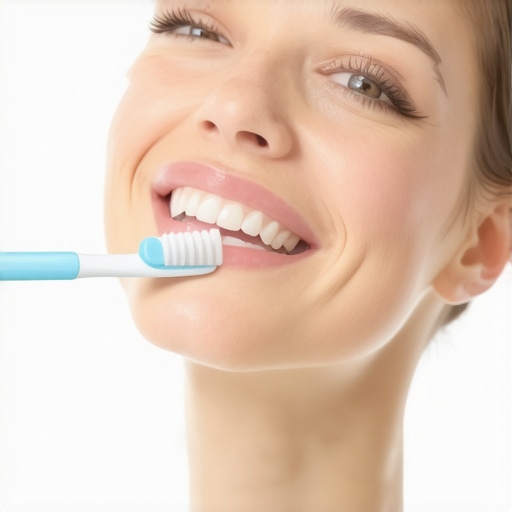
I remember the moment vividly. I was sitting in the dentist’s office, trying my best to brush those stubborn back molars, and suddenly, a wave of nausea hit me. My face contorted, and I barely managed to suppress the gag reflex. It was embarrassing—and frustrating. I couldn’t understand why something as simple as brushing my teeth was turning into a battle every time. If you’ve experienced this, you’re not alone. Many people struggle with gagging when reaching those hard-to-clean areas, especially the back molars. It made me dread my daily routine, worried that I was neglecting my oral health.
Why Gagging When Brushing Back Molars Is Such a Common Headache
Gagging during oral hygiene is more than just an inconvenience; it can be a real barrier to maintaining good dental health. The back part of your mouth is sensitive and can trigger your body’s natural gag reflex, which evolved to prevent choking or swallowing harmful objects. Unfortunately, this reflex can be overly active in some individuals, making routine brushing a discomfort.
Early in my own journey, I made a critical mistake: I rushed through my routine, ignoring that my gag reflex was a natural warning sign. I tried to brute-force my way through it, thinking if I just forced more with my toothbrush, I’d get used to it. Spoiler alert: That only made things worse. Eventually, I learned that patience and understanding my body’s signals are key. And trust me, there are practical strategies that can help you tame this reflex.
Did you know that according to recent studies, over 70% of people experience some form of gag reflex during dental cleaning or brushing? Recognizing this as a common, human reaction is the first step toward overcoming it, instead of feeling ashamed or defeated. If you’ve been avoiding brushing your back teeth because of gagging, know you’re not alone—and help is available.
Now, let’s dive into some tested techniques that will help you breathe easier and keep your back molars clean without discomfort. Whether you’re dealing with Invisalign, veneers, or just your regular brushing routine, these tips can make a significant difference. Keep reading, because I’ll share what truly worked for me, including some practical tricks you can start applying today.
Position Your Brush Strategically for Comfort
Place your toothbrush at a 45-degree angle against your gum line, then gently sweep the bristles in small, controlled circles. When I tried this during my brushing routine, I found that focusing on gentle, deliberate movements reduced my gag reflex significantly. It felt odd at first, like trying to tame a wild horse, but over time it became second nature.
Control Your Breathing to Ease Gag Responses
Practice deep, slow breaths through your nose as you brush the back molars. This slower breathing pattern signals your nervous system to relax, lowering gag sensitivity. I remember when I consciously slowed my inhale and exhale during cleaning, the gagging episodes diminished. It’s a simple trick that anyone can incorporate immediately.
Use Distraction Techniques to Shift Focus
Employing distraction can be surprisingly effective. Try humming your favorite song or counting backward from 100 while brushing the problematic areas. During my own sessions, I found that engaging my mind prevented the gag reflex from taking over. This mental diversion acts as a shield, allowing you to clean thoroughly without discomfort.
Break Your Routine Into Smaller Steps
Don’t attempt to clean all the back teeth at once. Instead, dedicate short, focused sessions to just a few molars each time. I started doing this by cleaning just the upper right molars for 15 seconds, then took a break before moving to the next section. This incremental approach lessened my anxiety, gradually retraining my reflex to tolerate the sensation.
Elevate Your Head During Brushing
Position your head slightly higher, leaning forward slightly—like you’re inspecting something in front of you. This position prevents the tongue from blocking your airway and reduces the likelihood of gagging. I experimented with this by propping my head with a pillow during brushing, and it made a noticeable difference in comfort levels. Once you find the right angle, maintaining it becomes effortless.
Introduce Desensitizing Agents Carefully
Apply a desensitizing gel or toothpaste on the soft palate and back of your tongue, which can calm overactive gag reflexes. I used a specially formulated toothpaste recommended by my dentist, and over a week, I noticed a tangible reduction in gagging. Remember, consult your dentist first before trying new products, especially if you have sensitive tissues.
Practice Regularly to Build Tolerance
Consistent practice at low intensity will accustom your body to the sensation. For example, start by gently touching the back molars without brushing vigorously. I set aside two minutes daily for this exercise, and within a month, I could brush my molars thoroughly without gagging. Patience here is key—progress may be slow but steady.
If persistent gagging continues despite these steps, consider consulting a dental professional or speech therapist. They can provide tailored strategies or investigate underlying causes that may be contributing to your sensitivity. Remember, overcoming gag reflexes requires persistence and the right mindset—don’t give up.
Many patients assume that cosmetic dental procedures like **Invisalign** and **veneers** are quick fixes or straightforward solutions. However, there’s a hidden nuance that many overlook: the importance of understanding the long-term implications and proper maintenance of these treatments. For example, a common misconception is that veneers are invincible or maintenance-free, but in reality, they require careful handling and regular check-ups to avoid chips or detachment which you can learn more about here. Similarly, with teeth whitening, many believe that the procedure eliminates all stains permanently; yet, without proper post-treatment care, discoloration can return quickly, especially if you indulge in staining foods and drinks discover top strategies.
Another often-missed detail is how **family dentistry** isn’t just about routine cleanings. It’s about building a comprehensive dental care plan tailored to each member’s age and specific needs. Overlooking the dental health of children or elderly family members can lead to preventable issues down the line get expert tips here.
A common trap many fall into revolves around choosing the cheapest or fastest options without considering the expertise of the provider or the quality materials used. For instance, opting for DIY whitening kits might seem cost-effective but can damage enamel or cause sensitivity if misused. Similarly, not all dental professionals have the same level of experience with nuanced procedures like **Invisalign**; selecting an unqualified provider can result in longer treatment times or subpar results see why expert guidance matters.
### What about advanced patient considerations?
For those seeking cosmetic transformations, understanding the limitations and the importance of detailed diagnosis is crucial. For example, **Invisalign** might not be suitable if your bite issues are severe or if there are foundational concerns that need addressing first. Overestimating what clear aligners can fix without a thorough exam may lead to dissatisfaction or prolonged treatment read more about planning your smile makeover.
Let’s not forget that the success of any dental treatment hinges on patient commitment, including maintaining excellent oral hygiene, attending regular check-ups, and following your dentist’s recommendations. Ignoring these aspects can compromise even the most advanced procedures and erode trust in cosmetic enhancements over time.
Navigating the world of cosmetic and family dentistry requires more than just choosing the newest trend. It’s about making informed choices based on a clear understanding of the nuances, myths, and common mistakes. If you’ve ever fallen into this trap—believing a treatment is more foolproof or easier than it truly is—share your experience in the comments. Knowledge is power, and awareness helps you avoid costly missteps in your dental journey.Maintaining a healthy and attractive smile requires more than just good brushing habits; it involves using the right tools and technology tailored to your needs. I personally recommend investing in a high-quality electric toothbrush, such as the Sonicare DiamondClean, because of its superior plaque removal and built-in timers that ensure consistent cleaning. Additionally, a water flosser like the Waterpik Ultra helps reach those tricky areas between teeth and along the gum line, significantly reducing gum disease risk. For teeth whitening, I rely on professional-grade LED whitening kits, which provide faster and more uniform results compared to over-the-counter options, as detailed in this comprehensive guide. When it comes to aligning teeth, Invisalign’s digital treatment planning software ensures precise adjustments, making it easier to track progress and make necessary tweaks over time. Regular dental check-ups remain essential, but utilizing these advanced tools enhances your results and simplifies maintenance. Prediction-wise, the future of dental tools points toward more integrated, AI-powered devices that monitor your oral health remotely, providing early alerts for issues and personalized care recommendations. This proactive approach will empower you to maintain your smile more effectively than ever before.
How do I Keep My Dental Tools Working Effectively Over Time?
To ensure longevity and optimal performance, regular cleaning and replacement of components are crucial. For instance, replace toothbrush heads every three months, or sooner if wear is evident, and clean water flosser components weekly to prevent bacteria buildup. Following manufacturer guidelines and scheduling periodic professional cleanings for your devices can extend their lifespan. Additionally, staying updated with software upgrades for your digital treatment plans or monitoring apps ensures you’re utilizing the latest features. Personally, I set monthly reminders to inspect and maintain my dental equipment, which keeps everything functioning smoothly and maximizes my investment. Incorporating these habits can significantly improve the durability of your tools and your overall dental health. Remember, well-maintained equipment not only prolongs device life but also guarantees consistent, effective cleaning and treatment results. If you want to explore how to optimize your dental routine further, consider consulting your dentist about integrating advanced tools tailored specifically to your oral health profile.
The Hardest Lesson I Learned About Invisalign and Veneers
One of the most eye-opening realizations was how my own body’s natural reflexes could sabotage my efforts for a perfect smile. I used to think that with enough patience, I could push through any discomfort, but I discovered that understanding my body’s signals allowed me to adapt my approach effectively. In doing so, I avoided unnecessary frustration and made tangible progress in my dental journey.
Simple Tools, Dramatic Changes
I found that investing in a quality electric toothbrush and water flosser not only improved my oral health but also supported my cosmetic goals. These tools, combined with professional advice, created a synergy that kept my smile both healthy and stunning. Trustworthy sources like [SmileGumCare](https://smilegumcare.com/transform-your-smile-with-veneers-expert-tips) have tutorials and product reviews that guided my choices.
Turn Nervous Moments into Confidence Boosters
Applying desensitizing gels and practicing mindful breathing turned my dental routine from a dreaded chore into a moment of self-care. Now, I approach sessions with a calm mind, turning what once was a hurdle into an opportunity for resilience. Embracing these strategies inspired me to encourage others to see their dental routines as empowering rituals rather than rituals of anxiety.
Your Turn to Shine Bright
Dealing with gag reflexes might seem like an obstacle, but with patience, the right tools, and a positive mindset, you can transform your dental experience and achieve that radiant smile you deserve. Remember, your journey is unique—celebrate each small victory along the way.
Questions to Spark Your Thoughts
Have you ever struggled with a gag reflex during dental routines? What tricks have you tried that made a difference? Share your experiences below and let’s inspire each other to keep moving forward.