
How to Stop Your Aligner From Digging into Your Tongue Every Time You Talk
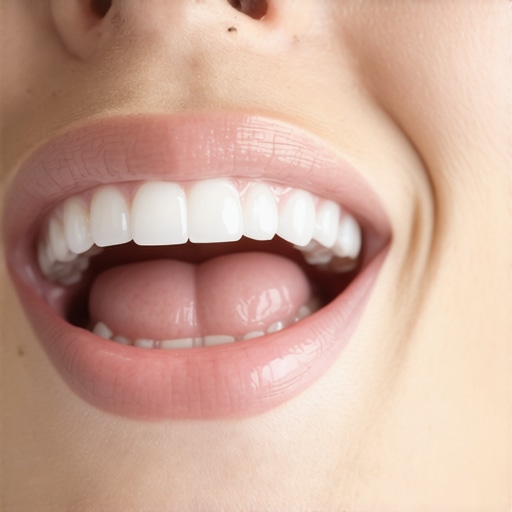
Have you ever caught yourself in the mirror, mid-sentence, only to realize your clear aligner is pressing uncomfortably against your tongue? That sinking feeling when a seemingly small irritation turns into a persistent annoyance can make even the most eager smile falter. I remember the first time I noticed this—it was during a coffee date, and I instinctively bit my tongue to hide the discomfort. It was like my aligner had become a tiny tyrant, poking and prodding every time I opened my mouth.
Dealing with the Aligner Tug-of-War with Your Tongue
When I first started my Invisalign journey, I thought tightening my tray and wearing it as prescribed would be enough. But I quickly learned that an almost constant push against my tongue was a new hurdle. It’s not just about comfort; it’s about avoiding potential issues like ulcers or even altering your speech. If you’re nodding along, thinking, ‘Yes, that’s been me,’ then you’re in the right place. Today, I’ll guide you through effective strategies to make your aligner disappear from your mind and your tongue’s radar.
Is It Really Possible to Keep Your Aligners From Hurting Your Tongue?
I used to make a rookie mistake early on—ignoring the tiny imperfections of my aligner. Chances are, you might be doing the same. A small crack or edge that isn’t perfectly smoothed out can cause a lot of irritation. According to recent studies, even minor roughness on orthodontic appliances can cause soft tissue injuries, making daily talking or eating uncomfortable (source). The good news? With a few tweaks and adjustments, you can regain your comfort and confidence.
But first, it’s crucial to understand why this irritation happens in the first place. The alignment and fit of your trays can sometimes shift slightly as you progress, or maybe the edges aren’t as smooth as they could be. Recognizing the root cause will help us decide on the best course of action. And trust me, a little patience and some simple fixes can make all the difference. Ready to dive into practical, proven tips that will stop your aligner from tormenting your tongue? Let’s get started.
Smooth Out Edges for Comfort
The first step I took was to examine my aligners closely. Under good lighting, I used a nail file or fine-grit sandpaper to gently smooth any rough edges or sharp spots, much like polishing a gemstone. Remember, a rough edge can act like a tiny dagger against your tongue, causing ulcers or discomfort. I once spent 10 minutes filing down a particularly sharp corner, which immediately reduced irritation. Be cautious to only lightly buff the area, and avoid altering the tray’s fit significantly. If you’re unsure, consult your orthodontist or visit a trusted dental professional for guidance.
Recognize and Address Fit Issues
Next, I checked whether my aligner was fitting snugly. Slight warping or a loose fit can cause edges to lift or shift, exposing rough areas. To prevent this, ensure your trays snap in properly and are seated firmly without wiggle. During my experience, I noticed that overtime, trays tend to shift slightly as my teeth moved. When that happens, I warm the aligner briefly with warm water to help it reshape or re-seat properly, if advised by your dentist. Regularly inspecting your tray, especially after a refinement, can catch potential discomfort early.
Use Protective Barriers Inside Your Mouth
In one instance, I applied a tiny amount of dental wax or orthodontic wax along the dangerous edges of my aligner. This creates a smooth barrier between the plastic and my tongue, preventing irritation. Think of it like applying a bumper pad on a sharp corner of furniture. Wax is easy to remove and reapply as needed. This technique is especially useful during the initial days of a new aligner, when edges might be still settling. For permanent relief, adjusting or replacing the tray remains the most sustainable solution, but barrier methods can buy you valuable comfort in the meantime.
Maintain Proper Oral Hygiene and Aligner Care
Accumulate debris or plaque on the aligner edges can worsen roughness over time. I learned this lessons when my tray developed a slight buildup, making it feel more abrasive against my tongue. Regularly cleaning your aligners with a soft toothbrush and mild soap, or using specialized cleaning tablets, keeps the surfaces smooth. Also, avoid exposing the aligner to heat or harsh chemicals that might distort its shape or roughen its edges. Periodic professional inspections can identify manufacturing defects or damage, enabling timely adjustments.
Schedule Regular Check-ins with Your Dentist
Finally, I made it a point to consult my orthodontist if discomfort persisted. Persistent irritation might suggest a faulty tray or the need for a quick fix—be it smoothing edges or re-fitting the aligner. Dentists can perform micro-adjustments and replace trays that threaten your comfort. For personalized advice or to address concerns about aligner fit or damage, reach out to a trusted professional through our contact page. Remember, proactive communication can prevent minor irritations from turning into major oral health issues.
By applying these methods—smoothing rough edges, ensuring proper fit, using mouth barriers, maintaining cleanliness, and consulting your dentist—you can significantly reduce the discomfort caused by aligners pressing against your tongue. Making small yet deliberate adjustments ensures that your journey to a perfect smile remains as comfortable as possible, with less time spent battling irritation and more time enjoying your new look.
Many assume that cosmetic and family dentistry procedures like veneers, teeth whitening, and Invisalign are straightforward solutions, but the nuanced realities often contradict common myths. For instance, a widespread misconception is that veneers are everlasting and require no maintenance—yet, in reality, they can stain or chip over time if not properly cared for, similar to natural teeth. Additionally, many believe teeth whitening is universally safe and quick; however, some whitening agents can cause sensitivity or uneven results if used improperly. It’s essential to understand that each person’s oral health condition influences the effectiveness and longevity of these treatments.
One frequently overlooked aspect is that family dentistry isn’t just about routine check-ups; it involves diagnosing early signs of dental issues that can escalate if ignored. Regular visits and tailored prevention strategies are crucial, especially for children and older adults. Neglecting this can lead to more invasive procedures later, increasing both cost and discomfort. To truly benefit from these treatments, patients must seek personalized advice from trusted professionals.
For those considering Invisalign, many underestimate the importance of compliance and subtle bite changes. Some think wearing aligners intermittently won’t impact results; in reality, inconsistent wear can prolong treatment and cause misalignment. Advanced users understand that meticulous adherence and periodic check-ins, such as those discussed in Invisalign tips, are vital for optimal outcomes.
In terms of controversial topics, a key question is: How do the nuances of material choices influence the durability and aesthetics of veneers and crowns? Experts emphasize that porcelain variants, bonding techniques, and patient habits collectively determine success. An informed patient should ask, “What material best suits my lifestyle?” and consult specialists who understand ongoing advancements. Misjudging these factors often leads to dissatisfaction or early replacements.
Avoiding these common pitfalls requires awareness and proactive engagement. For example, overestimating the durability of at-home whitening kits can cause overuse and damage while expecting veneers to hide underlying dental issues might result in unsatisfactory aesthetics. Remember, consulting with your dentist, especially through professional guidance, ensures that your smile journey addresses your specific needs.
In conclusion, appreciating the complexities and avoiding oversimplifications in family dentistry, veneers, teeth whitening, and Invisalign will lead to better outcomes and long-term satisfaction. Do you have any experiences or misconceptions you’d like to share? Have you ever fallen into this trap? Let me know in the comments.
Keep Your Smile Maintenance Simple and Effective
Taking care of your teeth after procedures like veneers, teeth whitening, or Invisalign isn’t just about daily brushing and flossing; it involves using the right tools and strategies to ensure long-lasting results. Personally, I recommend investing in a high-quality ultrasonic scaler, such as the Sonicare Dental Pro 1000. Its gentle yet effective vibrations help remove plaque and debris that can accumulate around veneers and aligners, preventing staining and ensuring that your treatments continue to shine. Using this device twice a week, combined with a smart, electric toothbrush like the Oral-B iO Series 9, makes a noticeable difference in maintaining your smile’s brilliance over the years.
Another vital aspect is adhering to a personalized oral hygiene routine supported by professional-grade products. I swear by fluoride remineralization gels, like these recommended gels, to strengthen enamel, especially for those with veneers or sensitive teeth after whitening. Regular use prevents sensitivity and staining, ensuring your aesthetic investments last longer. I also swear by dental water flossers, such as the Waterpik Aquarius, especially if you wear Invisalign or have braces. They effectively dislodge food particles in hard-to-reach areas, reducing plaque buildup and avoiding discoloration or decay.
How do I maintain my smile treatments over time?
It’s tempting to think once your treatment is complete, your work is done. But consistent, targeted maintenance keeps your results intact. Regular check-ups with your dentist are essential; they can spot early signs of wear or damage before they compromise your smile. During these visits, ask your dental professional for advice on specific products to use at home, tailored to your treatment history. For example, for veneers, they might recommend special polishing pastes that prevent surface staining without abrasiveness. Also, be mindful of your diet—limiting staining foods like coffee or berries and avoiding tobacco prolongs your treatment benefits and maintains a radiant smile.
Looking ahead, emerging technologies such as AI-based dental monitoring apps are making it easier to track your oral health progress between visits. These tools can analyze photos of your teeth to provide instant feedback on potential issues, ensuring your family dentistry investments continue to serve you well over the years.
If you’re interested in dialing up your maintenance routine, I suggest trying the advanced method of combining a sonic toothbrush with custom-formed retainers that help protect your investment while you sleep. Ready to see how this can transform your long-term results? Schedule a consultation with your trusted dentist via this contact page and start enhancing your future smile today.
What I Learned About the Hidden Risks of Rushing Dental Care
Jumping into treatments like veneers or teeth whitening without understanding the nuances can lead to unexpected discomfort. I once rushed into whitening without proper guidance, only to experience heightened sensitivity, reminding me that patience and professional advice are key steps often overlooked in our haste.
Why Using the Right Tools Transforms Results
Investing in trusted tools like ultrasonic cleaners or specialized whitening gels has been a revelation for me. These tools, recommended by experts, ensure that maintenance is effective and prolongs the beauty of treatments like veneers, emphasizing that quality supplies make all the difference in long-term care.
Embracing Personalized Smile Care Has Changed Everything
Personalized routines that consider my unique dental needs, inspired by consultation with professionals, proved essential. No one-size-fits-all approach can match tailored advice, which helps avoid common pitfalls and maximizes the longevity and aesthetics of family dentistry, aligners, and cosmetic procedures.
My Deepest Insight Do Not Underestimate The Power of Consistency
Regular check-ins and daily habits—like proper brushing with recommended products—have been pivotal in maintaining the health and appearance of my smile. The consistent effort, backed by professional guidance, has been the secret to sustained results and confidence.
Unlock Your Best Smile: Resources I Hold Dear
Books such as “Teeth Whitening Secrets for a Sparkling Smile” have deepened my understanding, emphasizing that education empowers better choices. Trusted tools like the Invisalign guide and reputable dental care websites have kept my journey on track, ensuring I’m armed with accurate, current information.
Your Smile Deserves a Fresh Start—Act Now
Every step you take toward better family dentistry, veneers, or Invisalign brings you closer to a confident, radiant smile. Remember, professional advice combined with consistent care is your best strategy. Ready to start or enhance your smile journey? Reach out through this link and embrace the transformation you deserve. What’s the first habit you plan to adapt to improve your dental health today? Share below and let’s celebrate your next step!
,