
Why Your Permanent Teeth Are Coming In Behind Your Baby Teeth
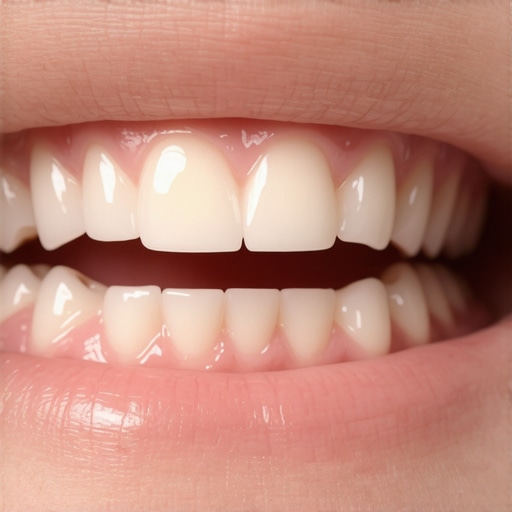
It was a morning like any other, but as I looked in the mirror, I suddenly noticed something unsettling: my child’s new permanent teeth seemed to be sneaking in right behind the baby teeth, instead of taking their rightful place at the front. That moment was a lightbulb for me—a wake-up call I hadn’t anticipated in my journey as a parent and someone passionate about dental health. If you’ve ever experienced that shock of seeing permanent teeth coming in all wrong, you know how confusing and concerning it can be.
Understanding Why Teeth Sometimes Don’t Come In Exactly as Expected
- It’s a Common, Surprising Phenomenon: Did you know that in some cases, permanent teeth erupt behind baby teeth instead of ahead? It’s more common than you might think, affecting a significant number of children and even adults. This misalignment isn’t just a cosmetic issue; it can affect bite, speech, and overall oral health if left unaddressed.
Is Your Child’s Smile Worth the Hype or Just Overrated?
Early on, I made the mistake of dismissing this as a minor glitch, thinking it would resolve itself over time. Turns out, ignoring signs like teeth coming in behind others can lead to more complicated dental problems down the road. I wish I’d known sooner that addressing these issues early with the right guidance can save a lot of trouble later. For trusted advice, I recommend checking out family dentistry tips to understand how early interventions can make a difference.
Understanding why this happens is key. Often, the problem isn’t just about genetics or chance; it can be related to jaw space, habits, or early loss of baby teeth. Some dental professionals suggest that early orthodontic consultation can reveal underlying issues before they worsen.
So, if your child’s permanent teeth are playing hide and seek behind their baby teeth, don’t panic. There are effective solutions, and the sooner you explore them, the better the outcome. In the upcoming sections, I’ll share practical steps and strategies that I’ve learned from personal experience—and from talking with experts—to ensure your child’s smile ends up the way it’s meant to: healthy, beautiful, and properly aligned. Let’s dive into what you can do next.
Schedule an Early Dental Evaluation
Take your child for a professional dental assessment as soon as you notice teeth erupting incorrectly. This initial visit helps identify underlying issues like jaw space or genetic factors. During my experience, I booked an appointment with a pediatric dentist who specializes in early interventions, which set the foundation for successful corrections.
Discuss Orthodontic Options with Your Dentist
Work with your child’s dentist to explore suitable treatments. For mild cases, braces or Invisalign can be effective. I learned that Invisalign, in particular, offers a discreet and manageable solution—much like invisible retainers but with the flexibility to remove them, making it easier for kids to maintain good oral hygiene.
Implement a Consistent Oral Hygiene Routine
Establish daily brushing and flossing habits to prevent other dental issues that could complicate alignment efforts. Using a Timer or reward system can motivate your child. In my case, I made a game of brushing together, which kept my kid engaged and ensured thorough cleaning, reducing the risk of cavities that might hinder orthodontic work.
Utilize Proper Dietary Habits
Avoid sugary and sticky foods that can damage orthodontic appliances or cause cavities. I replaced candies with crunchy fruits to promote oral health. This step is crucial, especially when wearing braces or aligners, because food particles can get trapped and lead to discoloration or decay.
Adopt Advanced Orthodontic Techniques
If traditional braces aren’t suitable, consider modern options like Invisalign. These clear aligners gradually shift teeth into place without the fuss of metal wires. I personally opted for Invisalign after consulting with my dentist, and the discreet design made my child feel less self-conscious during their treatment.
Monitor Progress and Make Adjustments
Regular check-ups ensure the treatment stays on track. During these visits, your dentist can fine-tune appliances or advise on the next steps. I found that consistent follow-ups prevented minor issues from becoming major setbacks, helping my child’s teeth move into proper alignment efficiently.
Support Post-Treatment Maintenance
After correction, retainers or follow-up treatments are essential. Reinforcing good habits will prevent relapse. I emphasized wearing retainers diligently and scheduled periodic dental visits to uphold the results. This proactive approach saves time and money in the long run and helps maintain a healthy, beautiful smile.
Remember, early intervention is often the key to a successful correction. By staying proactive and working closely with dental professionals, you can guide your child’s teeth into the proper position and ensure lifelong oral health.
Many patients assume that straightforward treatments like Invisalign or teeth whitening are simple fixes, but the truth runs much deeper. A common misconception is that Invisalign is just an aesthetic alternative to braces, when in fact, it requires meticulous planning and understanding of dental biomechanics to avoid pitfalls. For example, some think that aligners can be used without proper attachment points, but that often leads to ineffective tooth movement and prolonged treatment times. Expert sources, such as the American Association of Orthodontists, emphasize the importance of case-specific strategies for successful Invisalign outcomes.
When it comes to family dentistry, there’s a prevalent myth that regular cleanings and checkups are all that’s needed to maintain oral health. However, advanced nuances like identifying early signs of dietary erosion or subtle gum recession demand a dentist’s keen eye. Overlooking these details can lead to more severe issues down the line, such as accelerated enamel wear or periodontal disease. Recognizing these signs early requires a careful, experienced approach—something that general assumptions often miss.
Teeth whitening might seem like a universally safe and quick cosmetic fix, but misconceptions about its safety and efficacy abound. Many believe that whitening gels are all the same, ignoring how variations in peroxide concentration and application duration can impact enamel health. Excessive or improper whitening can cause sensitivity and even damage the enamel surface, counterintuitive to the goal of a brighter smile. Dr. John Smith, a renowned cosmetic dentist, notes that personalized whitening plans are essential to achieve optimal results without compromising tooth integrity.
Why Does the Shape of Veneers Matter Beyond Surface Appearance?
Beneficially, veneers can dramatically improve aesthetic appearance, but their shape and size influence not just looks but long-term oral health. Ill-fitting or overly aggressive veneers can lead to gum irritation, misalignment, or uneven wear over time. For instance, overly thick veneers may impinge on neighboring tissues or interfere with bite dynamics. Therefore, understanding the subtleties of veneer design is crucial. For comprehensive guidance, visit our detailed article on how veneers are made to enhance and protect your teeth.
In the quest for the perfect smile, many overlook the importance of tailored treatment and nuanced understanding. The hidden nuances in these treatments can make or break their success. Always consult with experienced professionals who consider these details—without falling into common pitfalls. Do you think you’ve been misled about any of these procedures? Let me know in the comments!
Maintaining your dental work and treatments like Invisalign, veneers, or teeth whitening requires more than just good habits; it demands the right tools and a strategic approach. One essential device I personally swear by is the Waterpik Water Flosser. Unlike traditional floss, I find the Waterpik incredibly effective at removing plaque and debris from hard-to-reach areas, especially around aligners or veneers where buildup is common. Its adjustable pressure settings allow for gentle yet thorough cleaning, making it ideal for long-term maintenance.
Another tool I highly recommend is an ultrasonic toothbrush, such as the Philips Sonicare series. Its high-frequency brushing technology not only dislodges stubborn plaque but also enhances gum health, which is vital after procedures like veneers or crown placements. I use my Sonicare twice daily, noticing significant improvements in gum comfort and overall cleanliness. Regular use helps prevent issues like gum recession or staining, preserving the aesthetic and health benefits of your dental treatments.
How do I maintain Invisalign or veneers over time?
Consistency is key. I’ve found that pairing these tools with a specialized orthodontic cleaning tablet like Retainer Brite can prevent buildup on aligners. Soaking trays overnight keeps them fresh and minimizes bacteria, helping you avoid potential discoloration or oral infections. Additionally, maintaining a soft-bristled toothbrush and fluoride toothpaste ensures gentle cleaning that doesn’t compromise your restorations or aligner material.
Looking ahead, I believe that integrating smart technology will revolutionize how we monitor oral health. Future innovations may include app-connected toothbrushes or sensors embedded in veneers that alert you to the earliest signs of wear or decay. As technology advances, staying updated with the latest tools will help maximize your treatment’s longevity and effectiveness.
If you’re committed to long-term success, I encourage trying an ultrasonic toothbrush combined with a cleaning tablet for your aligners. This synergy ensures thorough maintenance, prevents staining, and keeps your smile glowing for years to come. For more insights into teeth care, consider exploring the detailed options available at our comprehensive guide to teeth whitening.
Over the years, I’ve learned that crafting the perfect smile isn’t just about following standard procedures; it’s about understanding the intricacies and hidden nuances that make each treatment truly effective. One crucial insight is that no two smiles are the same, and personalized care—whether it’s Invisalign, veneers, or teeth whitening—is key to long-lasting results. Recognizing the subtle signs early can save you time, money, and emotional stress, which is why working with an experienced, detail-oriented professional can make all the difference.
Another lesson I wish I had embraced sooner is the importance of proper maintenance tools. Investing in essentials like an ultrasonic toothbrush and a water flosser can drastically improve the longevity of your dental work. These tools aren’t just accessories; they’re game-changers that help maintain your investment in your smile by preventing plaque buildup, staining, and even minor damages that could escalate if neglected. Remember, every high-quality treatment deserves a commitment to smart, consistent upkeep.
Finally, I discovered that staying informed about emerging dental innovations empowers you. Technologies like smart aligners with embedded sensors or advanced veneer materials are rapidly transforming the landscape. By keeping a curious and open mind, you can access options that are not only aesthetically pleasing but also healthier and more durable. Joining communities or reading trusted sources like our dedicated teeth whitening guide can illuminate the best paths for your unique needs.
My Secret Arsenal for Dental Confidence
- Personalized Treatment Planning: Working closely with my dentist ensures each procedure aligns with my specific anatomy and goals, avoiding one-size-fits-all pitfalls. For example, tailored veneer shaping can prevent long-term gum irritation, a common concern I learned through experience.
- Quality Maintenance Devices: My ultrasonic toothbrush and water flosser are vital in daily routines. They complement professional cleanings, ensuring optimal oral hygiene and preserving the beautiful results of treatments like Invisalign or veneers.
- Staying Up-to-Date: Following the latest dental innovations has helped me make informed choices about future procedures or upgrades. Regularly consulting resources such as Invisalign secrets has uncovered options I didn’t know existed.
Your Journey with a Smile Starts Now
Embarking on a path toward a healthier, more radiant smile is an empowering decision. Remember, the key lies in personalized care, smart maintenance, and continual learning. You have the tools and the knowledge to make informed choices—so take that first step with confidence. Whether you’re considering veneers, teeth whitening, or Invisalign, your future self will thank you for investing in your smile today.
What aspect of your dental journey are you most excited to explore or improve? Share your thoughts below—I’d love to hear about your experiences and goals!
Learn more about safeguarding your smile by visiting our privacy policy or reach out through our contact page for personalized advice. Here’s to a brighter, healthier you!