
How to Stop Your Teenager from Losing Their Retainer in the School Cafeteria
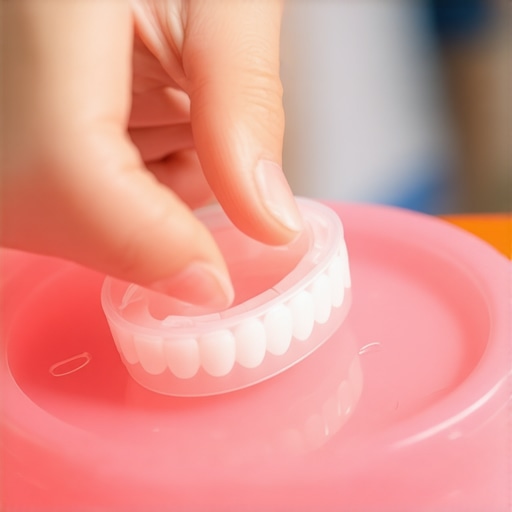
I was standing by the industrial-sized trash can at the local high school, wearing borrowed yellow latex gloves and trying not to gag. My son, looking absolutely mortified, pointed toward a mountain of soggy tater tots and half-eaten pizza slices. We were on a mission to find his retainer—the one I’d just paid for three months ago. It wasn’t just about the $300 replacement fee; it was about the sheer, avoidable madness of it all. If you have ever found yourself knee-deep in cafeteria refuse while teenagers walk by staring, you’ve reached a specific level of parenthood that they don’t mention in the brochures. We invest so much in Invisalign innovation and invisible braces, hoping to give them a perfect smile, only to have it derailed by a single, distracted lunch period. This ends now. I am going to show you how to turn your teen from a “retainer-tosser” into a responsible owner, saving you money and a whole lot of dignity.
Stop the Trash Can Scavenger Hunt Once and For All
The school cafeteria is a graveyard for orthodontic appliances. It’s loud, chaotic, and governed by the “napkin tuck” law—if you wrap it in a napkin, it *will* be thrown away. I made a huge mistake early on by assuming my teen’s logic would override their social distractions. I thought saying “be careful, it’s expensive” was enough. It wasn’t. My personal failure was not providing him with a concrete, physical system that worked in a high-pressure social environment. Successful family dentistry habits for your kids require more than just good intentions; they require a tactical plan. Today, we’re going to walk through the “No Case, No Space” rule and how to make the retainer case impossible to ignore. Have you already spent an afternoon digging through the school dumpster, or are you hoping to avoid your first “trash dive”?
Why a Backup Plan is Better Than a Backup Retainer
It is incredibly tempting to just buy three spare retainers and call it a day. However, that’s just a Band-Aid on a broken habit. According to the American Association of Orthodontists, the first few months after orthodontic treatment are the most critical because teeth haven’t fully settled into their new positions. Every hour that retainer sits in a landfill is an hour their teeth are actively shifting back. We aren’t just protecting a piece of plastic; we are protecting years of orthodontic work. By the end of this, you’ll know how to get your teen to wear their retainer without constant nagging, because the system will do the work for you. I’ll share the “bright case” strategy and the specific way to talk to lunch staff that turned my son’s luck around.
The Absolute Law of No Case No Space
The biggest hurdle to keeping a retainer safe isn’t a lack of memory; it’s the lure of convenience. Teens are social creatures, and when a friend starts a conversation or the lunch bell rings, the retainer often comes out in a hurry. If the hard case isn’t sitting right there on the table, the default move is the ‘napkin tuck.’ We instituted a rigid rule in our house: if the case isn’t physically on the table, the retainer stays in the mouth. I remember a specific Tuesday when my son realized he’d left his case in his gym locker. Instead of risking the napkin trap, he actually walked back to get it because he knew the dumpster was the only alternative. Establishing this physical boundary is the most effective way to learn how to get your teen to wear their retainer without constant nagging.
Ditch the Clear Cases for Neon Visibility
Most orthodontic offices provide sleek, clear, or dark blue cases. While they look professional, they are essentially camouflaged against the backdrop of a messy cafeteria tray or a cluttered bedroom desk. After our trash-diving expedition, I went online and bought the most obnoxious, neon-orange case I could find. It looked like a piece of safety equipment. The result was immediate; he never left it behind again because it was impossible to ignore when he was clearing his tray. This tactic works just as well for those using Invisalign secrets for achieving a perfect smile discreetly, where the aligners themselves are invisible, making the case the only visual reminder of their investment. 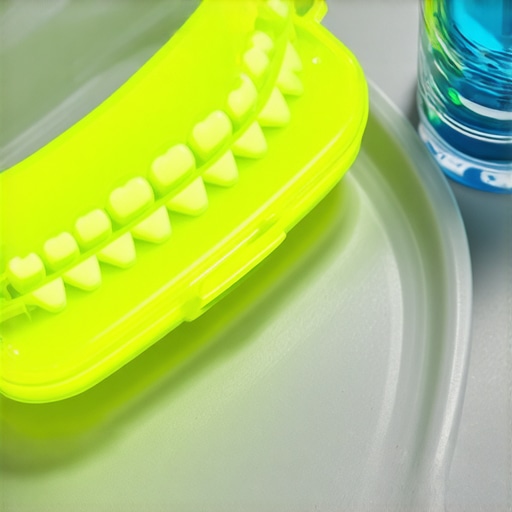
Keep the Appliance Fresh to Avoid the Gross Out Factor
Let’s be honest: if a retainer smells like an old gym sock, your teen is going to find every excuse not to put it back in their mouth after eating. Bacteria buildup and plaque calcification are the silent enemies of compliance. I noticed my son ‘forgetting’ his retainer significantly more often when it started looking cloudy and dull. We had to sit down and address the hidden reason your clear aligners have a persistent odor by implementing a nightly soaking routine with specialized cleaning tablets. When the appliance feels and smells clean, it feels like a part of their hygiene routine rather than a gross chore they are forced to endure.
Fix the Fit to Eliminate the Excuse
Sometimes, what we perceive as laziness is actually a response to physical discomfort. If the device doesn’t sit perfectly, your teen will subconsciously look for reasons to keep it in the case. One evening, I caught my son constantly clicking his appliance with his tongue. It turned out he was dealing with the reason your bottom retainer keeps clicking out of place, which was causing a small sore on his gum line. A quick five-minute adjustment at the dentist’s office solved the irritation and removed his primary excuse for ‘forgetting’ it on the nightstand. If your child complains of pain, you should proactively check how to stop your gums from hurting when you wear your retainer to ensure the hardware isn’t the problem.
Your Teeth Never Stop Moving Even After the Braces Come Off
Most parents—and nearly all teenagers—operate under the illusion that once the braces are removed, the finish line has been crossed. This is the biggest myth in ensuring family dental care. In reality, teeth are in a constant state of flux. According to the American Dental Association, a phenomenon called ‘physiologic drift’ means your teeth will naturally want to migrate forward and crowd together as you age, regardless of whether you’ve had orthodontic treatment. This is why learning how to stop your teeth from shifting after your braces come off is a lifelong commitment, not a six-month phase. If you treat the retainer as a temporary guest rather than a permanent roommate, you are essentially throwing away years of investment. I always tell my friends: the braces get you to the destination, but the retainer is the only thing that keeps you there.
What Happens If You Try to Whiten Dental Bonding by Mistake?
As your teen gets older, they often become obsessed with the shade of their smile. This is where a very common, expensive ‘oops’ factor comes into play. Many people assume that teeth whitening secrets for a sparkling smile apply to every surface in the mouth. However, whitening gels (peroxides) only work on natural tooth enamel. If your child has a chipped tooth that was repaired with composite resin, or if you have older restorations, you might be making the mistake of using whitening strips on dental bonding. The natural teeth will brighten, but the bonding will stay its original color, leading to a patchy, mismatched smile that requires a costly trip to the dentist to fix. Before you start any whitening regimen, you need to audit the ‘materials’ currently in your mouth to avoid an aesthetic disaster. 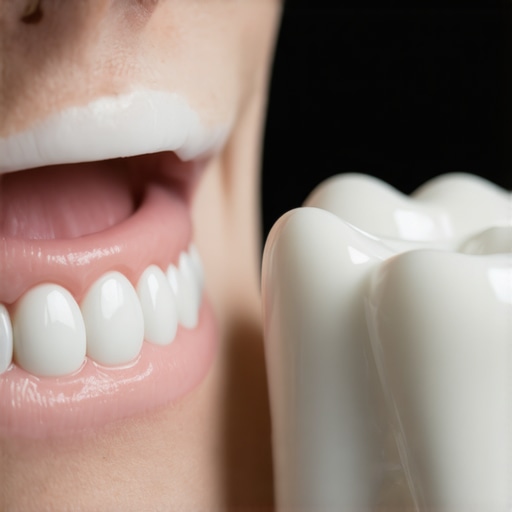
Why Does Professional Whitening Last Longer Than Over-the-Counter Strips?
It isn’t just about the strength of the bleach. Advanced dental science shows that professional-grade systems utilize custom-fitted trays that create an oxygen-rich environment while maintaining a specific pH balance. This prevents the ‘rebound’ effect where teeth appear white for two days and then immediately fade. When you opt for the ultimate guide to teeth whitening options, you are paying for the precision of the delivery system. Poorly fitted strips allow saliva to wash away the active ingredients or, worse, cause chemical burns on the soft tissue. If you’ve ever dealt with the sharp sensitivity known as ‘zingers,’ you should learn how to manage the zingers after a professional whitening session by using potassium nitrate-based pastes to desensitize the nerve endings before they even start to tingle. Have you ever fallen into the trap of thinking the work was done the day the braces came off, or perhaps tried a DIY whitening hack that backfired? Let me know in the comments below.
Keep the Brightness without Giving Up Your Morning Brew
Once you’ve achieved that level of brightness through professional whitening or invested in a set of porcelain veneers, the panic of the first coffee stain is real. I used to think I had to choose between a caffeine fix and a white smile until I learned how to keep your coffee habit without ruining your new veneers. The secret isn’t just rinsing with water; it’s the immediate use of a high-quality pH-balancing mouthwash. When you drink coffee, your mouth’s acidity spikes, which temporarily softens your enamel and makes it more porous. By neutralizing that acid instantly, you prevent the pigments from ‘locking’ into the surface. This is a game-changer for anyone trying to maintain teeth whitening secrets for a sparkling smile over the long haul.
The Ultrasonic Secret for Pristine Appliances
If you are still scrubbing your aligners or retainers with a manual toothbrush, you are actually doing more harm than good. I learned this the hard way when my son’s retainer started looking like it had been dragged across a sidewalk. Manual bristles create microscopic scratches in the plastic that act as magnets for bacteria and plaque. I finally invested in a small, dedicated ultrasonic cleaner—the kind jewelers use. Just five minutes in that vibrating bath with a cleaning tablet, and the appliance comes out hospital-grade clean. It’s honestly the best way to clean your night guard so it doesn’t smell and keeps your Invisalign trays from becoming a cloudy mess. 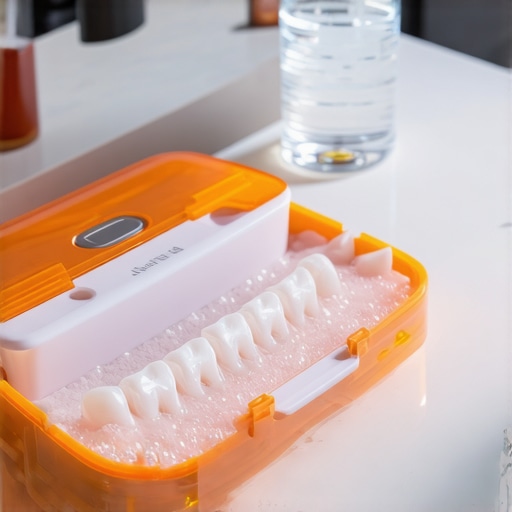
How do I maintain my dental investment over time?
Maintenance is less about the big yearly visits and more about the abrasivity of your daily tools. Most people don’t realize that toothpastes are rated on the Relative Dentin Abrasivity (RDA) scale. According to the ISO 11609 standard, a toothpaste with an RDA over 100 is considered highly abrasive. If you are using a charcoal or ‘extra whitening’ paste on porcelain, you are essentially using sandpaper on your investment. This explains why your porcelain veneers look dull after five years of wear—you’ve literally scrubbed the factory polish off. I switched my family to low-RDA pastes (aiming for under 70) to ensure we are cleaning without scratching. This is a vital part of ensuring family dental care that lasts decades rather than years.
The Future of At-Home Smile Monitoring
I predict that in the next three to five years, the ‘set it and forget it’ model of orthodontics will be completely extinct. We are already seeing the rise of AI-driven remote monitoring apps where you snap a photo of your teeth, and the software compares it to your treatment plan in real-time. This technology is going to make how to stop your teeth from shifting after your braces come off a data-driven science rather than a guessing game. No more wondering if your retainer still fits; the app will tell you before you even notice the shift. My advice? Don’t wait for the technology to find you. Take ten minutes today to check the RDA value of your current toothpaste—it might be the very thing dulling your smile.
The Truth About Keeping That Smile Straight After the Trash Dives End
Reflecting on my own journey from the dumpster to a stress-free dental routine, I have realized that consistency is a psychological game as much as a physical one. First, I stopped treating the retainer as an optional accessory and started viewing it as the ‘insurance policy’ for the thousands of dollars we invested. I also learned that why your teenager is suddenly getting cavities between their teeth often comes down to the same lack of routine that leads to lost appliances. If they aren’t disciplined with the case, they probably aren’t flossing either. Another lightbulb moment was the realization that my son needed to ‘own’ the cost; having him contribute just $20 toward the next replacement made him significantly more attentive. Finally, never underestimate the power of a visible reminder—keeping a spare, empty case in the car dashboard serves as a constant visual cue to check their pockets before they even enter the school building.
Gear That Actually Protects Your Orthodontic Investment
You don’t need a medical degree to curate a toolkit that works, but you do need the right resources. I personally swear by a few specific items to maintain our results. First, a dedicated RDA-tracking chart is essential so you don’t accidentally use the wrong paste; I’ve seen far too many people learn the truth about using charcoal toothpaste on porcelain surfaces the hard way by scratching their expensive work. Second, consider a retainer case with a built-in slot for a Bluetooth tracker; it turns a frantic search into a simple ping on your phone. Third, I highly recommend the book ‘The Mouth-Body Connection’ to help your teen understand that dental health isn’t just about looks—it’s about their entire well-being. These tools move you from a reactive parent to a proactive guardian of their dental health.
Take the First Step Toward a Lifetime of Confidence
It is easy to feel overwhelmed by the gadgets and the rules, but remember that the goal is a lifetime of confidence and health. By implementing the ‘No Case, No Space’ rule and focusing on family dentistry building healthy smiles for every generation, you are giving your child a gift that lasts long after they move out of your house. Don’t wait for the next lost appliance to start these habits. Whether you are maintaining natural teeth or looking for transform your smile with veneers expert tips, the secret is always in the daily, small actions. You’ve got this, and your teen’s future self will thank you for the effort you put in today. Have you ever had to dig through a literal dumpster for a piece of dental plastic, or did you learn the ‘neon case’ trick just in time? Let me know in the comments below.