
How to Tell if That Dark Spot is a Cavity or Just a Stain
I’ll never forget the feeling of panic that hit me when I noticed a dark spot on my tooth during a casual mirror check. My heart sank—was it just a stubborn stain, or was I staring down a cavity? It was a moment of dreaded uncertainty, made worse by my own hesitation and lack of knowledge. Have you ever experienced that sudden worry about a mysterious dark spot, only to wonder if it’s something serious or just a harmless stain? Well, you’re not alone, and I understand exactly how nerve-wracking it can be.
Why Recognizing the Difference Matters Now More Than Ever
Understanding whether a dark spot is a cavity or mere discoloration isn’t just about peace of mind; it’s about safeguarding your dental health before problems escalate. Cavities can rapidly worsen if ignored, leading to pain, expensive treatments, or even tooth loss. Conversely, mistaking a stain for a cavity might cause undue stress or unnecessary dental visits. In our busy, health-conscious world, knowing how to tell the difference empowers you to act confidently and seek professional guidance when needed.
Early on, I made a mistake that many folks do—assuming every dark mark was a cavity. I ignored the initial signs and waited, only to find that the issue had worsened. I learned that proper assessment is crucial, and jumping to conclusions can sometimes do more harm than good. According to recent research, about 91% of adults aged 20-64 have had dental caries in their permanent teeth, underscoring how common cavities are (source: CDC). That’s why it pays to be proactive about any unusual spots on your teeth.
Is a Dark Spot an Immediate Emergency or Just a Detail?
Sometimes, I see patients worried that a tiny dark dot signals impending doom. The truth is, not every stain or dark spot demands immediate dentistry. But knowing the signs—like if it’s sensitive, changing, or accompanied by discomfort—can make all the difference. I’ll share how you can do a quick, friendly visual check and when to book an expert visit. Curious? Keep reading, and I’ll guide you through the simple steps to get clarity. If you’ve noticed a mysterious dark spot, I want to help you avoid unnecessary anxiety and ensure your smile stays healthy and bright. Ready to become more confident about inspecting your teeth? Let’s dive into the real signs that differentiate a cavity from a stain and what to do next.
Start With a Clear Visual Check
Lift your lip and examine your teeth in natural light. Use a mirror with good lighting or sit by a bright window. Look for any new dark spots, rough patches, or holes. Remember, cavities often appear as brown or black areas but can sometimes be faint. During one instance, I noticed a tiny dark speck on a molar that I previously ignored. By carefully inspecting and feeling for roughness with my tongue, I caught it early, preventing extensive decay.
Differentiate Stains From Cavities
Identify the Color and Texture
Stains tend to be superficial; they appear as surface discolorations that can often be removed with good brushing or whitening treatments. Cavities, however, are usually deeper, with a rough or soft texture. To test, gently run a cotton swab over the spot—if it’s a stain, it’ll come off, but if it persists or feels rough, it could be a cavity.
Assess Sensitivity and Pain
Next, gently tap or bite on the suspicious area. If it’s sensitive to hot, cold, or sweet stimuli, or if it causes pain, consult a dentist promptly. When I first felt a sharp twinge after noticing a dark spot, I knew it was time to seek professional evaluation. Don’t ignore discomfort; it often signals active decay.
Use Dental Tools Safely for Inspection
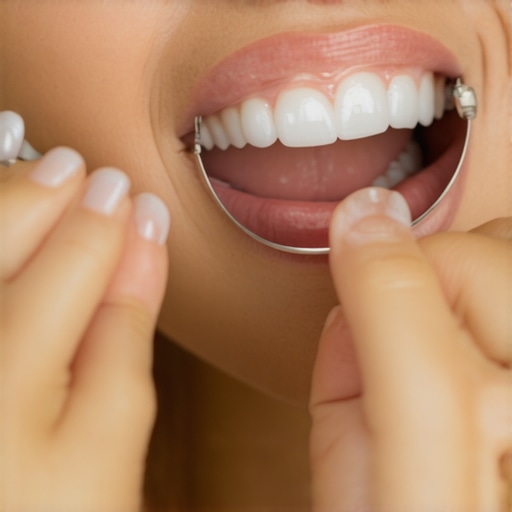
If you have at-home dental mirrors and picks, use them cautiously to feel for loose or rough areas. Be gentle to avoid damaging enamel or irritating the tissue. Remember, self-examination has limits; when in doubt, a professional check is essential. I once tried probing a questionable area myself, but the dentist’s detailed exam revealed early decay I missed.
Know When to Seek Professional Help
Set an appointment if you notice persistent dark spots, especially if they’re enlarging or changing in appearance. Dental x-rays might be necessary for a definitive diagnosis—something only your dentist can provide. For a comprehensive understanding, consider exploring whether veneers might be suitable for aesthetic issues or if other cosmetic procedures like teeth whitening could help improve your smile, from which you can learn more at veneers guides.
Implement a Routine for Ongoing Monitoring
Make regular checks part of your dental hygiene habits. Weekly visual inspections can detect early signs of problems. Use a clean mirror and good lighting. Keeping a habit of monitoring your teeth reduces the risk of unexpected surprises, and scheduling professional cleanings and exams at least twice a year ensures early detection of issues beyond what you can see or feel.
Veneers: Are They Truly Permanent?
Many believe that porcelain veneers are a lifelong fix with no need for maintenance, but that’s a misconception. In reality, veneers are durable but not invincible; they typically last 10-15 years, depending on your habits and dental care. Overlooking for example, the importance of avoiding biting hard objects or staining foods can shorten their lifespan significantly. Moreover, some assume veneers can be easily replaced without further procedures, but in many cases, prepping for new veneers can involve additional tooth reduction and costs. For a comprehensive understanding on how veneers truly perform over time, explore the realities of veneers.
Invisalign: It’s Not Just About Discreetness
Many think Invisalign aligners are a magic bullet for perfect teeth with minimal effort, but the process requires discipline and understanding of its nuances. For instance, some believe wearing aligners sporadically won’t impact treatment. However, inconsistent wear can prolong treatment time and even compromise the alignment results. Additionally, there’s a myth that aligners can fix severe bite issues; in truth, complex cases still require traditional braces or surgical interventions. Want to see how Invisalign truly compares? Check out the latest Invisalign insights.
Teeth Whitening: More Than Just a Bright Smile
A common misconception is that over-the-counter whitening products are equally effective as professional treatments. This isn’t accurate; professional whitening uses stronger, regulated agents applied by dentists, ensuring safety and better results. Overuse or improper use of whitening strips or trays can cause sensitivity or uneven coloring. Furthermore, some believe whitening can fix all discoloration; however, intrinsic stains from medications or trauma may require additional cosmetic procedures like veneers or crowns. For the most effective whitening strategies, refer to this expert guide.
Family Dentistry: One-Size-Fits-All Approach
A prevalent misunderstanding is that general dental practices are interchangeable without considering specialization. In fact, family dentistry focuses on all ages but doesn’t always cover specialized pediatric or orthodontic needs. Expecting a general dentist to handle complex orthodontic cases without referral can lead to suboptimal outcomes. Conversely, pediatric dentists have specific skills tailored to children’s unique dental growth and behaviors. Recognizing these differences ensures your family receives appropriate, age-optimized care. Explore how family dentistry adapts to your needs.
Is There a Hidden Risk in These Cosmetic Procedures?
Absolutely. While veneers, Invisalign, and whitening treatments are highly effective, they all carry potential pitfalls if not managed correctly. For example, overzealous whitening can damage enamel, and opting for cheap veneers without proper planning can result in unnatural appearance or durability issues. Even with family dentistry, neglecting regular checkups can allow minor problems to develop into costly repairs. Always choose qualified professionals and seek comprehensive consultation before proceeding. Better understanding these nuances can save you money and frustration. Want to delve deeper into maintaining your smile’s health? Visit this privacy policy page for details on how we protect your information and ensure quality care.
Have you ever fallen into this trap? Let me know in the comments.
,Maintaining your smile’s health and beauty over the long term requires more than just regular visits to the dentist; it involves using the right tools and adopting consistent habits. For those who have invested in veneers, Invisalign, or teeth whitening, understanding how to preserve their results is crucial. I personally rely on high-quality dental tools like ultrasonic toothbrushes, specifically the Sonicare DiamondClean, because of their proven effectiveness in reducing plaque without damaging delicate restorations. These devices employ sonic vibrations to clean thoroughly, reaching areas manual brushes often miss, which helps prolong the life of veneers and keeps whitening effects vibrant. Additionally, I use whitening syringes with custom trays to maintain brightness between professional treatments, especially after deep whitening procedures detailed at this comprehensive guide. When it comes to Invisalign, I recommend using specialized cleaning brushes designed for aligner hygiene—like Proxibrush—to prevent bacteria buildup and staining, ensuring your aligners stay clear and effective throughout treatment. Regular inspections with mirror tools help detect early signs of wear or staining, so issues can be addressed promptly. Looking ahead, I predict that advancements in smart dental devices—such as app-connected toothbrushes and AI-powered monitoring—will become standard, making long-term maintenance even easier. For example, integrating UV sanitizers for toothbrushes can significantly reduce bacterial load, which is especially beneficial for holding onto your whitening results and preventing stain recurrence. So, how do I maintain my veneers and aligners over time? Consistent cleaning with recommended tools, avoiding stain-heavy foods, and scheduling regular dental check-ups are key. I urge you to try incorporating a sonic toothbrush into your routine, along with routine mini check-ins with your dental professional. These small steps make a substantial difference in preserving your investment and ensuring your smile remains bright and healthy for years to come. For personalized advice on tools suited to your needs, feel free to reach out through our contact page.
Lessons That Changed My Perspective on Cosmetic and Family Dental Care
- I realized that rushing into cosmetic procedures without thorough understanding can lead to disappointment; patience and research are key to making informed choices that truly benefit my smile.
- Early mistakes taught me that maintaining long-term results from veneers and whitening isn’t just about the procedure itself but consistent aftercare and professional guidance.
- I discovered that effective communication with my dentist—asking questions and voicing concerns—empowers me to make decisions aligned with my lifestyle and aesthetic goals.
- Recognizing the importance of tailored family dental plans made me appreciate how personalized care ensures health across all ages, avoiding one-size-fits-all solutions that may not suit every family member.
- Embracing regular monitoring and adopting smart dental tools has allowed me to catch potential issues early, saving time, money, and preserving my confidence in my smile.