
The Best Way to Whiten Your Smile if You Have Bonding
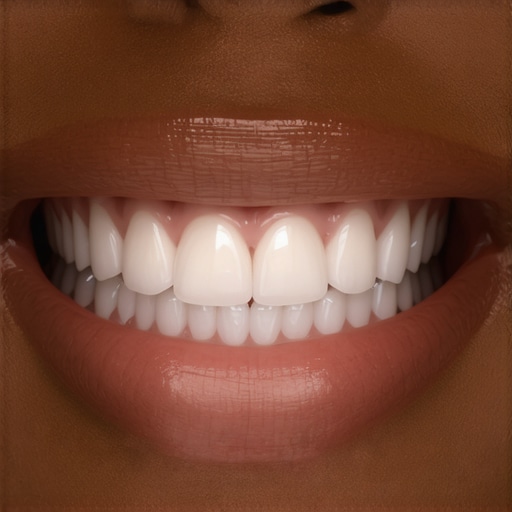
I still remember that morning vividly. I looked into the mirror, flashing a bright smile, only to be greeted by a disheartening sight: my bonding work looked dull, slightly stained, almost like it had lost its sparkle. That moment was a lightbulb for me—I had spent so much effort whitening my natural teeth, but my bonded teeth remained stubbornly discolored. It felt like my efforts were futile, and honestly, I wondered if my smile was forever destined to be less than perfect.
Why Achieving a Bright Smile When You Have Bonding Is More Challenging Than You Think
Ever since I got dental bonding to fix a chipped tooth, I knew maintaining my smile’s brightness would be a journey. Bonding materials, while durable, possess different compositions than natural enamel. This difference makes whitening your teeth more complex because traditional whitening agents often don’t penetrate the bonded material effectively. In fact, some whitening treatments can even cause uneven coloration, making your smile look worse than before. But don’t worry—I’ve learned from my own experience and the advice of professionals, that there are tailored strategies to brighten bonded teeth without risking damage or uneven results.
Is It Worth Trying to Whiten Bonded Teeth? My Honest Take
Initially, I was skeptical. I made the mistake of trying over-the-counter whitening strips, expecting miraculous results. Instead, I ended up with uneven patches and a frustrating appearance. That was a wake-up call. The truth is, not all whitening methods are suitable for bonded teeth. Before I discovered the right approach, I wasted time and money on products that didn’t work, and I even risked compromising my bonding. Recognizing this early mistake helped me focus on expert-approved solutions tailored to bonded surfaces. Interestingly, according to the American Academy of Cosmetic Dentistry, some whitening methods can cause debonding or discoloration if not selected carefully (source: [AACD](https://aacd.com)). Now, I want to share the tried-and-true techniques I’ve found—that actually work—to help you maintain a radiant smile, even if you have bonding. If you’ve faced this exact problem—trying to keep your bonding looking just as bright as your natural teeth—you’re in the right place. Let’s get into the practical steps that will help you brighten your smile safely and effectively.
Choose the Right Whitening Products
Start by selecting whitening options specifically formulated for use on dental bonding. Look for gels and pastes that are designed to be gentle and safe for composite materials. During my own trial, I used a professional-grade whitening gel recommended by my dentist, which I applied carefully with a custom-made tray to avoid contact with my bonded areas. The result was a noticeable improvement without risking uneven coloration or damaging the bonding.
Limit Exposure to Staining Foods and Drinks
Think of your teeth like a sponge: some foods and beverages can stain even the toughest surfaces over time. Coffee, red wine, berries, and soy sauce are known culprits. To protect your bonding, I started drinking these through a straw and rinsed my mouth afterward. This simple step significantly slowed down staining. Keep a record of your consumption habits and be vigilant—prevention is the easiest way to maintain brightness.
Maintain Excellent Oral Hygiene
Regular brushing, flossing, and professional cleanings are essential. Use a soft-bristled toothbrush and non-abrasive toothpaste to avoid scratching the bonding surface. During my routine cleanings, my hygienist used a gentle polish that removed surface stains without harming the composite. This routine kept my teeth looking fresh and prevented plaque buildup around the bonded areas.
Implement at-Home Whitening Safeguards
When using whitening toothpaste or strips, exercise caution. Choose products that explicitly state compatibility with bonded teeth and apply them during times when you won’t be exposing your teeth to staining agents. I tested a reputable whitening toothpaste on a small section first, ensuring it didn’t cause any discoloration or surface damage. Always follow manufacturer instructions to prevent overuse or misuse, which can lead to uneven results.
Consult Your Dentist for Tailored Treatments
Professional advice is invaluable. Schedule regular dental checkups, and discuss your whitening goals with your dentist. They may recommend in-office treatments like selective bleaching or bonding touch-ups that blend discolorations seamlessly. When I approached my dentist with my concerns, they suggested a prescribed whitening solution that targeted only the natural teeth—leaving the bonded areas untouched. This targeted approach preserved the integrity of my bonding while brightening my overall smile.
Consider Cosmetic Enhancements Like Veneers
For persistent discoloration that resists whitening, veneers might be an option. These thin porcelain shells can mask stained bonding, providing a uniform appearance. I explored veneers after struggling with uneven coloring for months; my dentist detailed the procedure and showed me before-and-after images, helping me decide confidently. This cosmetic step can deliver dramatic results but should be considered after exhausting less invasive options.
While many believe they understand the basics of cosmetic and family dental treatments, there are nuanced pitfalls and misconceptions that even seasoned patients often overlook.
Why Do So Many Misjudge the Long-Term Outcomes of Cosmetic Dentistry?
One common myth is that veneers and whitening treatments are permanent solutions, but in reality, they require ongoing maintenance and careful selection of products. For example, some people assume that all teeth whitening products are safe for bonded or porcelain surfaces; however, many over-the-counter options can cause uneven coloration or damage if not chosen properly. According to a study published in the Journal of Esthetic and Restorative Dentistry, improper whitening techniques can lead to enamel erosion or veneer discoloration over time, emphasizing the importance of professional guidance.
Another hidden nuance relates to Invisalign: many think the aligners are purely cosmetic, but their effectiveness hinges on strict adherence and proper monitoring. Missing a few hours of wear can prolong treatment or cause misalignment, especially if attached to complex bite issues. Invisalign requires discipline, and understanding its mechanics can prevent costly setbacks.
Common Pitfall: Overlooking the Impact of Lifestyle Choices
People often underestimate how habits like smoking, drinking coffee, or consuming acidic foods can undo their whitening efforts or stain veneers prematurely. It’s a misconception that whitening provides a permanent fix; instead, it’s more about maintenance and lifestyle adjustments. Regular dental checkups, including professional cleanings, can support the longevity of your cosmetic results.
Veneers can seem like an instant transformation, but improper care—such as biting hard objects or neglecting oral hygiene—can lead to chipping or discoloration. Visiting your dentist for routine assessments ensures the integrity of these restorations.
In conclusion, having realistic expectations and understanding the subtleties of these treatments can save you time, money, and disappointment. Remember, consulting with a trusted professional and staying informed is your best defense against common pitfalls.
Have you ever fallen into this trap? Let me know in the comments.
How do I maintain my dental results over time?
Maintaining a beautiful smile, especially after cosmetic procedures like Invisalign, whitening, or veneers, requires the right tools and consistent care. Personally, I’ve found that investing in high-quality dental equipment and establishing a routine makes all the difference. I always recommend a combination of professional-grade tools and smart habits to ensure long-term success.
For daily maintenance, I use an electric toothbrush like the Oral-B Genius X. Its oscillating-rotating technology provides superior plaque removal and is gentle on veneers and bonded teeth. The built-in timers ensure I brush for the recommended two minutes, which aids in thorough cleaning. Personally, I notice a significant difference in gum health and brightness when I stick to this routine.
Interdental cleaning plays a crucial role too. I swear by flossing with a water flosser—specifically, the Waterpik Ultra. It effectively removes debris around aligners, veneers, and laminate surfaces, reducing staining and plaque buildup. Regular use of this device has helped me preserve my whitening results and keep my gum tissue healthy.
In addition, I incorporate an antibacterial mouthwash like Listerine Total Care into my night routine. It reaches areas that brushing and flossing might miss and helps prevent plaque accumulation. Always ensure the mouthwash you choose aligns with your specific dental restorative materials—consult your dentist if unsure.
For professional care, I schedule biannual checkups and cleanings. During these visits, my hygienist uses gentle polishing techniques that safeguard my bonding and veneers while removing surface stains. It’s a great way to catch potential issues early and receive personalized advice. I’ve learned that proactive maintenance can extend the life of cosmetic work significantly.
What are the emerging tools shaping long-term smile care?
Innovations in dental technology continue to enhance long-term results. AI-powered imaging systems, such as those employed by advanced intraoral scanners, allow dentists to create precise treatment plans and monitor changes over time. These tools facilitate early detection of wear or damage, enabling timely interventions.
Moreover, digital health platforms like teledentistry consultations make it easier to get expert advice without frequent office visits, ensuring your maintenance routine stays on track even during busy periods.
If you’re serious about preserving your dental work, I recommend trying the Waterpik Water Flosser combined with a high-quality electric toothbrush. These tools complement your daily routine and are proven to extend the lifespan of veneers, bonding, and whitening results.
Remember, prevention is always better than cure. Regular professional checkups, coupled with effective at-home tools, will keep your smile radiant and healthy for years to come. For more tips tailored to family needs and being proactive about dental health, explore family dentistry strategies.
Lessons That Shaped My Smile Journey
- Discovering that every bonding material reacts differently to whitening was a revelation—my initial attempts caused uneven shades, teaching me to prioritize professional guidance over store-bought solutions.
- Embracing lifestyle changes, like using straws and rinsing after staining foods, made a tangible difference—small habits can preserve the brightness of bonded teeth longer than any whitening kit.
- Realizing routine dental visits aren’t just about cavities but also about touch-ups for bonded areas shifted my perspective on ongoing smile maintenance—the proactive approach is invaluable.
- Understanding that veneers can mask persistent discoloration opened my eyes to tailored cosmetic options—sometimes, a customized solution outweighs generic fixes.
Tools That Changed How I Care For My Teeth
- The Oral-B Genius X proved to be a game-changer, offering gentle yet thorough cleaning that safeguards bonding and veneers.
- The Waterpik Ultra became my go-to for interdental cleaning, preventing plaque buildup around bonded areas and extending my whitening results.
- Using antibacterial mouthwash like Listerine Total Care helped maintain overall oral health, especially around delicate restorations, making my smile both bright and healthy.
- Complementing these tools with regular professional checkups ensures early detection of any issues, reinforcing the longevity of my cosmetic investments.
Keep Your Smile Radiant and Fearless
Maintaining a bright smile after dental bonding isn’t just about products—it’s about cultivating habits, embracing expert advice, and believing in your smile’s natural beauty. Every small effort counts, and the journey to lasting radiance is uniquely yours. Ready to take the next step? Your confident, sparkling smile awaits—start today, and don’t hesitate to reach out for personalized guidance. How have you managed to keep your bonded teeth looking their best? Share your tips below!