How to tell if your aligner attachments are staining
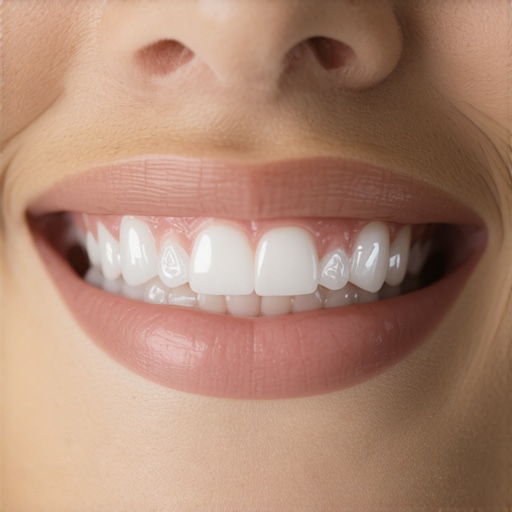
Ever caught a reflection and noticed those tiny white or clear spots on your teeth seem a little duller than before? I remember the time I was smiling for a family photo, only to realize my aligner attachments looked stained—completely throwing off my confidence. That lightbulb moment made me realize just how sneaky stains can be, especially on those clear attachments meant to be discreet. If you’ve wondered whether your aligner attachments are staining—or if you’re worried about ruining your improvements—I get it. I’ve been there, too, and I want to share what I learned so you don’t have to guess blindly anymore.
Understanding the Risks of Staining Attachments
Anyone undergoing orthodontic treatment with Invisalign or other clear aligners knows the challenge: how to keep everything looking fresh and clean. Attachments are small, but their appearance matters—especially when you’re eager to show off that radiant smile. Stains can develop from everyday habits like coffee sipping or wine indulgence, and if left unchecked, they might become permanent. The impact? Well, stained attachments can make your entire smile look dull, detracting from the beautiful results you’re working hard to achieve. Plus, they might signal that your oral hygiene routine needs a little boost.
Is Staining Truly a Big Deal?
Many people brush off staining as just a cosmetic issue, but it can also indicate buildup that might affect your treatment. Early on, I made the mistake of neglecting to monitor my attachments, thinking they would stay pristine forever. Soon enough, I noticed discoloration and worried I was doing something wrong. That’s when I learned that with proper care and a little know-how, you can spot stains early and even prevent future issues. Want to know how to keep your attachments shiny and stain-free? Stick around, because I’ll walk you through the simplest ways to do just that.
The Key to Spotting and Preventing Attachments from Staining
Brush with Purpose After Every Meal
Think of your attachments as tiny, delicate paintings on your teeth — if you neglect to clean them, stains can settle like dust. During my own treatment, I began brushing immediately after eating, especially when I indulged in coffee or berries. Use a soft-bristled toothbrush and fluoride toothpaste, emphasizing gentle, circular motions over the attachments. This simple habit prevents residue buildup and keeps stains at bay. Remember, just like cleaning a delicate sculpture, harsh scrubbing can damage your attachments, so be gentle but thorough.
Rinse and Swish Technique
After your brush, rinse with water or a mild, alcohol-free mouthwash. Swishing helps dislodge any lingering particles. I found that doing this immediately after meals reduces stain formation. This is especially useful when brushing isn’t immediately possible, such as during work or travel. Consider keeping a travel toothbrush or wipes handy so you can quickly freshen your mouth. This step acts like wiping smudges off a mirror—preventing stains from setting into your attachments.
Avoid Common Staining Foods and Drinks
Preventative action is your best weapon. Limit or rinse promptly after consuming coffee, red wine, or dark sauces like soy or tomato. During my own treatment, I made a habit of sipping water alongside these beverages and rinsing my mouth afterward. If avoiding these foods isn’t realistic, scheduling treatments around special occasions or meals can help minimize staining risks. Think of it as wearing sunglasses in bright sunlight—reducing exposure keeps your smile brighter longer.
Use Special Cleaning Solutions for Attachments
Invest in Invisalign cleaning crystals or non-abrasive tablet cleansers designed for aligners and attachments. Once a week, soak your aligners and carefully clean attachments with a soft toothbrush dipped in the solution. When I first tried this, I was surprised at how much easier it was to remove stubborn stains. Regular cleaning maintains the clarity of your attachments and prevents discoloration that can be mistaken for damage. It’s like giving your dental components a spa day to keep them in pristine condition.
Be Mindful of Your Oral Hygiene Routine
Consistent flossing is vital, especially under bridges or around attachments where plaque and stain-causing bacteria hide. Use a floss threader or water flosser to reach tricky spots. During my experience, I discovered that neglecting flossing around attachments led to discoloration and plaque buildup. Incorporate floss into your daily routine to ensure all areas are clean. Think of your teeth like a garden—regular pruning keeps weeds (stains) from taking over.
Consult Your Dentist for Advice
If you notice persistent stains or notice your attachments start to look dull, schedule a professional cleaning. Dental hygienists can safely polish attachments and recommend alternative cleaning methods. In my case, periodic professional cleanings kept my attachments looking spotless, boosting my confidence. Remember, some stains may be deep-seated or caused by aging materials, so professional advice is essential. Think of your dentist as a personal trainer for your smile, helping you maintain optimal health and appearance.
Stay Consistent and Alert
The key to stain prevention is consistency. Set reminders for your oral care routine, especially after meals or snacks. Keep a dental kit with all necessary supplies — toothbrush, floss, cleaning tablets — handy. Once I established a routine, maintaining stain-free attachments became second nature, and I noticed my smile stayed brighter longer. Think of it as maintaining a car — regular care prevents costly repairs and keeps everything running smoothly.
While many assume that teeth whitening is a quick fix for a dazzling smile, the reality is far more nuanced. Similarly, veneers are often misunderstood as merely cosmetic enhancements, but their long-term implications require careful consideration. In family dentistry, common misconceptions cloud decision-making, and with Invisalign, some believe it’s a magic bullet, overlooking critical factors that influence results.
Are You Overlooking the Subtle Details That Make a Difference?
Contrary to popular belief, not all whitening options are suitable for every discoloration. Some over-the-counter products may promise quick results but can Damage enamel or cause sensitivity — a warning highlighted in research from the American Academy of Cosmetic Dentistry. The key lies in understanding the underlying cause of staining, which may require professional assessment rather than DIY solutions. Furthermore, many think veneers are just about masking tooth imperfections; however, they involve removing a thin layer of enamel, which is irreversible. This nuance is critical before deciding if veneers are the best long-term solution.
In family dentistry, there’s a misconception that routine cleaning suffices for all age groups. But children and seniors have distinct needs, and preventive strategies must adapt accordingly. Ignoring these nuances can lead to overlooked decay or gum issues down the line, as detailed in recent studies on age-specific dental care. As for Invisalign, many assume it’s suitable for all bite issues; yet, the complexity of malocclusion varies greatly. Advanced cases may require hybrid treatments or alternative orthodontic approaches. Professionals emphasize that comprehensive evaluation is essential to avoid ineffective results or prolonged treatment times.
Beware of the Common Traps that Could Cost You
One trap often overlooked is the assumption that whitening products won’t affect existing restorations like crowns or fillings. These materials typically don’t respond to bleaching agents, leading to mismatched shades that can be unsightly. Also, some patients think veneers can be whitened; in reality, veneers lack the ability to change color post-fabrication, so selecting the right shade initially is crucial. In family dentistry, neglecting the importance of early intervention can result in more invasive procedures later. It’s essential to recognize that preventive care isn’t just about cleaning but tailored strategies for each life stage.
For Invisalign enthusiasts, failing to wear aligners as prescribed can undo months of progress. Skipping aligner wear not only extends treatment but may compromise the final outcome. A 2024 study in the Journal of Orthodontics notes that adherence significantly correlates with treatment success. Therefore, understanding the importance of discipline and proper use is vital for achieving the desired results. Remember, it’s easy to fall into these traps—being aware helps you stay on the right path.
Are you aware of these hidden nuances that can determine your dental treatment’s success or failure? Share your experiences or questions in the comments. Let’s dig deeper into making informed, effective decisions for your smile!
Maintaining your dental improvements requires more than just routine brushing and flossing; it involves investing in the right tools and adopting effective routines. One essential device I highly recommend is a **sonic toothbrush** like the Philips Sonicare ProtectiveClean. Its advanced sonic technology delivers up to 31,000 brush movements per minute, effectively removing plaque and surface stains without damaging your enamel—something I personally rely on for thorough cleaning. Additionally, using interdental brushes or flossers such as the Waterpik Water Flosser ensures you reach areas traditional floss can miss, especially around veneers or braces, helping prevent stain buildup and decay. For those interested in teeth whitening, I suggest trying professional-grade whitening kits like AuraGlow LED whitening pens, which combine peroxide-based gels with LED activation for faster, more consistent results compared to over-the-counter options. Regular professional cleanings by your dentist are also crucial—they not only remove stubborn tartar but help identify early signs of staining or enamel wear before they become noticeable. Looking ahead, innovations like AI-powered dental hygiene apps are emerging, offering personalized routines based on your unique dental profile, promising to make maintenance even more effective.
The question is, how do I maintain these improvements over years? Consistency is key. Schedule biannual dental visits, keep your brushing routine at least twice a day with your sonic toothbrush, and incorporate daily flossing with a Water Flosser. Also, monitor your diet by limiting beverages like red wine and coffee that stain teeth—they’re often the culprits behind stubborn discoloration. For an extra layer of defense, consider using a whitening pen for touch-ups mid-week, especially before social events. Moreover, streamline your routine with a subscription service for replacement brush heads and flossers, ensuring you never run out of your essential tools. Over time, these investments in quality equipment combined with disciplined habits will pay off, maintaining your smile’s brilliance long-term.
In the realm of long-term dental care, embracing technology can elevate your maintenance—like using the latest electric toothbrush models that have pressure sensors alerting you when you’re brushing too hard, protecting your gums and veneers from damage. For instance, the Oral-B Genius X uses artificial intelligence to guide your brushing technique—an advancement I find invaluable. Keep in mind that, according to the American Dental Association, consistent maintenance and early detection are vital to preserving dental aesthetics and health. Don’t wait until stains or damage become apparent; act proactively by integrating these advanced tools and routines into your daily life.
Why not start today by trying a sonic toothbrush with built-in timers and pressure sensors? They drastically improve your cleaning effectiveness and help prevent overbrushing, which can harm sensitive restorations. Remember, keeping your investment in dental work pristine isn’t just about appearance—it’s about safeguarding your oral health for decades to come. For more detailed guidance, check out the article on teeth whitening options in 2025 and stay ahead in your dental care game.
Lessons That Changed My Approach to Smile Care
- One of the toughest lessons I learned was that even the tiniest stain on your aligner attachments can undermine your confidence. Regular, mindful cleaning truly makes a difference—it’s a game changer I wish I had embraced sooner.
- Timing matters. Waiting too long to address discoloration can make stains permanent. I realized that consistent attention to oral hygiene isn’t just about aesthetics—it accelerates your overall treatment progress.
- Not all cleaning methods are created equal. Using non-abrasive solutions and soft tools helps preserve the integrity of your attachments and veneers. This insight saved me from unnecessary damage and costly replacements.
- Diet plays a bigger role than I initially believed. Limiting stain-causing foods and drinks, especially during crucial treatment phases, is essential for maintaining that radiant smile.
- Professional guidance is invaluable. Regular dental check-ups can catch early signs of staining or wear, ensuring your investment stays pristine longer than expected.
Gear That Keeps My Smile Top-Notch
- Philips Sonicare ProtectiveClean electric toothbrush—Its sonic technology removes plaque and surface stains effectively without harming delicate restorations.
- Waterpik Water Flosser—Reaching areas standard floss can’t, it helps prevent plaque buildup around veneers and orthodontic attachments, safeguarding against stains.
- AuraGlow LED whitening pen—Quick touch-ups that maintain brightness between professional whitening sessions, backed by clinical reviews I trust.
- Regular professional cleanings—My dentist’s expertise in polishing and inspecting my smile keeps everything in top shape and detects issues early.
You’re The Next Step Toward a Dazzling Smile
Your journey to a brighter, healthier smile isn’t reserved for specialists alone. Small, deliberate actions—like proper tool use and mindful diet choices—can make a big difference over time. Remember, your everyday habits shape your smile’s future, so embrace the routines that protect and enhance your treatment results. Your smile is your signature—own it with care and confidence. Ready to take control and keep your smile shining bright for years to come? Share your experiences or questions below, and let’s support each other in this smile journey!