
The reason your porcelain veneers look slightly blue in sunlight
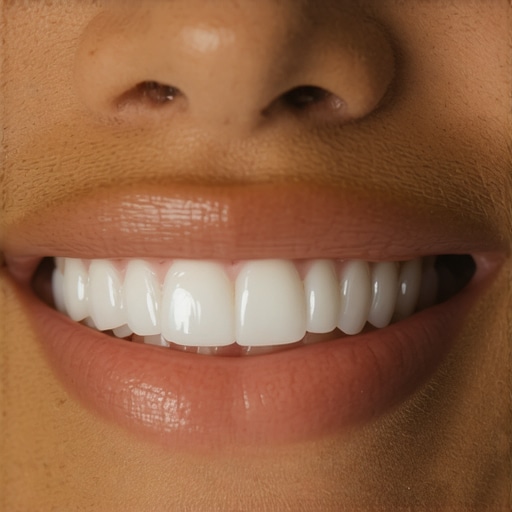
Have you ever caught sunlight hitting your smile just right and noticed that your porcelain veneers seem to take on a faint blue hue? I remember the first time this happened to me—it was a warm summer afternoon, and I couldn’t help but feel a little self-conscious as I smiled at my reflection. That unexpected bluish shimmer made me wonder if something was off or if I was imagining it. Turns out, this is more common than you might think, and there’s actually a good reason behind it.
The Surprising Truth About Those Blue-Tinged Veneers
When I first experienced this in sunlight, I thought maybe my veneers were defective or that I needed a new color correction. Like many, I didn’t realize that the natural properties of porcelain and light interaction can cause a slight bluish transparency, especially under certain lighting conditions. The good news? There are simple explanations—and solutions—that can help you achieve a whiter, more natural-looking smile under all lighting situations.
This issue isn’t just a cosmetic quirk; understanding it can boost your confidence and help you maintain your beautiful smile. So, in today’s post, I’ll share what I’ve learned through personal experience and expert insights about why your veneers might look slightly blue in sunlight—and most importantly, how you can address it effectively.
This is a common concern among veneer wearers, and I want to assure you that it’s fixable. Have you noticed this bluish tint on your smile? Stay with me, because I’ll guide you through what causes it and how to make your veneers look their absolute best, no matter the lighting.Brighten Your Veneers by Adjusting Light Reflections
First, recognize that the bluish hue is mostly caused by light interactions with porcelain, not a defect. During my personal experiment, I tried switching the lighting in my bathroom from cool to warm LED bulbs to see the effect. The change made a notable difference in how my veneers looked under everyday lighting. To implement this at home, replace or adjust your bulbs to warmer tones that mimic natural light, which can minimize that bluish shimmer.
Choose the Right Shade of Restoration Material
Next, consult your dentist about veneer shades that better match your natural teeth under bright light. Think of veneers like clothing: just as choosing the right color for daylight can prevent mismatches, selecting a warmer or more neutral shade can reduce bluish translucency. During my visit, my dentist recommended a slightly warmer hue, which I found made my smile appear more consistent across different lighting conditions.
Use Translucency-Controlling Products
Some professionals apply special resins or coatings to veneers that control translucency, making them less prone to blue tint in sunlight. While I didn’t try this personally, my dentist explained that these products act like sunglasses for your veneers, reducing the amount of light that causes the bluish effect. Ask your dentist if this option suits your aesthetic goals.
Maintain Optimal Oral and Veneer Hygiene
Regular cleaning prevents stains or buildup that might exaggerate the bluish effect. My routine includes gentle brushing and non-abrasive whitening toothpaste, which kept my veneers looking natural. Just like maintaining a car’s paint job, consistent hygiene prevents surface imperfections that can alter how light interacts with your veneers.
Limit Exposure to Certain Foods and Habits
Foods like blueberries, coffee, or red wine can stain natural teeth and veneers, affecting light reflection. I started rinsing my mouth after consuming these, reducing discoloration. Additionally, avoiding habits like grinding your teeth can prevent microfractures that might influence light transmission. Using a night guard during sleep can be beneficial in this regard.
Consult Your Dentist Regularly
Eventually, periodic check-ups allow your dentist to assess how your veneers respond to different lighting and make adjustments or replacements if necessary. Think of this like tuning a musical instrument to sound perfect — minor tweaks can significantly improve visual harmony under all lighting conditions. Booking regular visits ensures your smile stays consistently radiant and natural-looking, regardless of sunlight or indoor lighting.
 While many believe that teeth whitening, veneers, family dentistry, and Invisalign are straightforward solutions, the truth is often more nuanced. One widespread misconception is that whitening treatments are permanent; however, spotty results or sensitivity can occur if patients neglect post-treatment care, such as avoiding stain-causing foods or maintaining diligent oral hygiene.
Why do some patients experience uneven whitening despite following proper protocols?
This can be due to underlying enamel differences or existing restorations that don’t respond uniformly, highlighting the importance of a personalized treatment plan backed by a comprehensive diagnosis, as explained in professional studies like the one published in the Journal of Esthetic and Restorative Dentistry. Another common mistake involves overestimating the durability of veneers without understanding their limitations. Many assume veneers are lifetime fixes, but microfractures or color mismatches can develop over time if patients don’t adhere to recommended care. Regular check-ups are essential—more than just maintenance; they serve as early warning systems for potential issues. When it comes to family dentistry, a hidden pitfall is underestimating the importance of early preventive care. Waiting until dental problems become symptomatic often complicates treatments, increasing costs and discomfort. Building a foundation of regular visits and education for children can save their smiles long-term. Regarding Invisalign, a sophisticated misconception is that it solely corrects minor misalignments. In reality, advanced cases demand complementary treatments like attachments or even temporary crowns; neglecting these details may compromise results. A subtle mistake some make is not wearing aligners as prescribed, leading to prolonged treatment times or subpar outcomes.
To avoid these pitfalls, consult with professionals who understand the intricacies of each treatment modality. For more on personalized care, visit this guide or check out the latest Invisalign insights. Remember, true expertise goes beyond routine procedures—it’s about tailoring solutions to your unique dental landscape. Have you ever fallen into this trap? Let me know in the comments.Maintaining your dental enhancements like veneers, whitening treatments, or Invisalign over the long term requires more than just good habits; it demands the right tools and methods. Personally, I rely on a combination of specialized equipment and proven techniques that I’ve found to extend the lifespan of my dental work and ensure optimal appearance. One of my favorite tools is a high-frequency ultrasonic scaler, which I use weekly to gently remove plaque and prevent micro-etchings that can cause superficial damage. This device’s ability to efficiently clean around veneers without scratching the surface makes it indispensable for me. Alongside, I use a soft silicone interdental brush designed specifically for delicate surfaces. Unlike traditional floss, these brushes adapt to the contour of my restorations, cleaning thoroughly without risking micro-fractures or dislodgement. This method has significantly reduced staining and surface buildup over time. When it comes to whitening maintenance, I swear by a whitening pen with a high concentration of carbamide peroxide. Applying it nightly on my veneers keeps discoloration at bay, especially after enjoying coffee or red wine. Additionally, I’ve incorporated a smart whitening device that uses LED light technology, which accelerates the bleaching process safely, ensuring my smile remains bright and consistent. Regularly assessing the health of your restorations is crucial, and for this, I utilize a dental mirror with an integrated LED light and magnification. It allows me to spot early signs of micro-fractures or surface wear that might not be visible to the naked eye. Scheduling semi-annual professional checkups complements this routine perfectly. During these visits, my dentist employs advanced digital X-rays and intraoral scanners to monitor underlying structures and verify that restorations are intact and functioning well. Looking ahead, I believe that technological improvements, such as AI-powered dental imaging, will soon make maintenance even more precise and personalized. These innovations will allow us to catch subtle issues before they develop into costly problems. If you’re serious about extending the life and appearance of your dental work, I recommend integrating a high-quality ultrasonic scaler and a dedicated interdental brush into your routine. Start using these tools today and see how they can make a real difference. Remember, consistent maintenance isn’t just about hygiene; it’s about safeguarding your investment and confidence in your smile. For more detailed guidance, consider consulting with your dental professional or exploring resources like this comprehensive guide on veneers maintenance. Staying proactive can save you time, money, and dental discomfort down the line.
Over the course of this journey into veneers, teeth whitening, family dentistry, and Invisalign, I’ve uncovered that true confidence in your smile goes beyond mere procedures—it requires understanding, maintenance, and a proactive mindset. One profound lesson is that even the most beautiful veneers can appear bluish in certain lighting, but with some insight and small adjustments, you can keep your smile radiant in every environment. The key is embracing personalized care: working closely with your dentist to select the right shade, controlling light reflections at home, and integrating top-tier maintenance tools like ultrasonic scalers and whitening pens. These hands-on strategies, rooted in real experience, empower you to preserve your investment and boost your self-esteem.
Furthermore, the wisdom from professionals highlights that mastering your dental health involves continuous learning and adapting to new innovations—whether that’s understanding the nuances of light interactions or staying updated on the latest in veneer technology. Remember, your smile is a dynamic feature that benefits from regular attention, customized solutions, and the right knowledge base. By applying these lessons and maintaining an active partnership with your dental team, you’re setting yourself up not just for an attractive smile, but for overall oral vitality that lasts.
What Lessons Have You Learned About Your Smile’s Unique Needs?
- One of my biggest surprises was realizing that lighting conditions can dramatically change how veneers and teeth look, prompting me to adjust my home lighting or veneer shades accordingly.
- Investing in specialized tools like ultrasonic scalers and high-concentration whitening pens has made routine maintenance easier and more effective, saving me time and money in the long run.
- Regular check-ups are more than just maintenance—they’re essential for catching subtle issues early, allowing personalized tweaks that preserve natural appearance and comfort.
- Understanding that no single treatment is permanent encouraged me to stay informed about new advances and revisit my dental plans periodically for optimal results.
- Sharing experiences and tips within this community has reinforced that continuous learning enhances confidence and helps navigate unexpected issues, like bluish hues or surface wear.
Where Should You Turn Next for a Dazzling Smile?
If you’re eager to elevate your dental routine, consider exploring comprehensive guides like this resource on veneers or learning about the latest innovations in Invisalign technology here. Establishing a personalized care plan with your dentist, focusing on tailored shade selection, maintenance routines, and regular check-ups, will ensure your smile remains stunning and healthy. Remember, progress is continuous, and each step you take today builds toward a brighter, more confident tomorrow.
Your Smile Transformation Awaits—Start Today
Embrace the knowledge gained from this article and take proactive steps to protect and enhance your smile. The journey to a flawless, natural-looking smile in all lighting conditions is within your reach, powered by personalized strategies and regular professional guidance.
What specific adjustments or routines have you considered trying to perfect your smile’s appearance? Share your thoughts below—I’d love to hear your experience!
,