
How to Tell if Your Baby Tooth Gap is a Problem Later
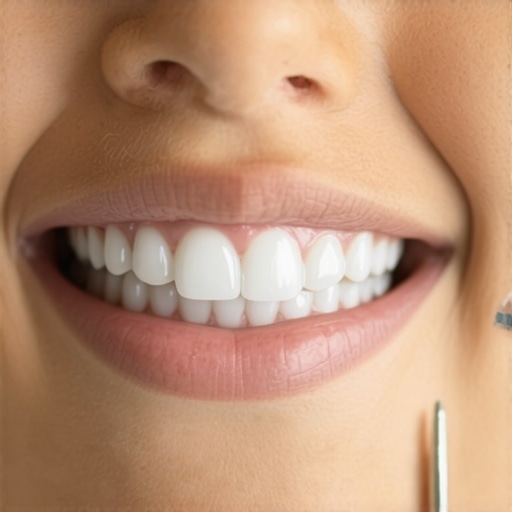
I vividly remember the moment I noticed my child’s missing tooth gap. It wasn’t the adorable, irregular smile I expected. Instead, I felt a pang of worry—what if this tiny space signaled trouble in the future? As parents, we’re often caught between letting childhood quirks be and worrying about potential dental issues down the line. I encountered this dilemma early on, and let me tell you, that lightbulb moment changed how I approached my child’s dental health forever.
Why Your Baby Tooth Gap Could Signal Bigger Problems Later
Most of us think of gaps between baby teeth as just a natural part of growing up—a little imperfection that will sort itself out eventually. But sometimes, that small space can be an early warning sign of alignment issues or even bite problems in adulthood. It’s easy to dismiss or overlook these signs, especially when everyone around us says, "Oh, it’s just a baby tooth!" But research shows that early spacing can influence how permanent teeth emerge and align, impacting your child’s confidence and oral health long-term. According to the American Academy of Pediatric Dentistry, early orthodontic evaluation can help identify potential issues before they escalate.
Is Ignoring Baby Tooth Gaps Really Worth the Risk?
Here’s where I made a mistake—I believed that a gap was nothing more than a temporary phase. I waited too long to consult a professional, thinking it wasn’t urgent. That was a misstep I’ll never forget. Waiting can sometimes lead to more complicated, costly dental interventions later. So, if you’re wondering whether that gap is a harmless part of childhood or something you should worry about, you’re not alone. We’ll go through how to tell if that spacing is a future problem or just a childhood quirk, and what steps you might consider today.
Assess the Spacing Seriously
Start by observing your child’s teeth regularly, and note if gaps are wide, persistent, or worsening. When I noticed my daughter’s gap stayed beyond her age-appropriate norm, I scheduled an appointment with our family dentist. They confirmed that unless the gap is causing bite issues, it’s often harmless, but a professional assessment is essential for peace of mind.
Schedule an Early Dental Evaluation
Book a visit with a family dentist experienced in pediatric oral health. Ask specific questions about your child’s tooth spacing and growth pattern. In my case, the dentist used gentle X-rays—think of it as a quick map showing how permanent teeth will emerge—helping us understand whether intervention was needed. This proactive step can prevent future orthodontic problems, aligning with tips found at Family Dentistry Tips.
Monitor Growth and Changes
Keep a detailed record of how your child’s teeth are developing. Take photos from different angles monthly, noting changes in gap size. I did this to track my son’s progress after initial consultation, which helped us see if the space was closing naturally. This habit ensures you’re not overlooking slow but steady shifts that could require professional adjustments.
Implement Corrective Measures When Necessary
If the professional advises intervention, explore options like orthodontic appliances, which serve as guides—much like trellises support a vine’s growth. For older children, Invisalign offers a discreet alternative, similar to invisible fence wiring guiding a dog. I once watched my friend’s teenage son start Invisalign treatment, and within a few months, his smile transformed without disruptive braces. Visit Invisalign Innovations for details.
Consider Space Maintainers for Young Kids
If your child lost a tooth prematurely, a space maintainer can prevent adjacent teeth from drifting into the gap—imagine an anchor holding a boat steady in rough waters. We opted for one after my youngest lost a primary molar early; after placement, my child’s permanent teeth emerged in the correct position, minimizing future orthodontic work. This strategic step is crucial in early dental care strategies.
Maintain Good Oral Hygiene Practices
Encourage your child to brush and floss regularly; healthy gums and teeth support proper alignment. Regular cleaning is like proper pruning for a garden, ensuring healthy growth. In my household, we used child-friendly toothbrushes and fluoride toothpaste, making dental habits a fun routine. Consistent hygiene reduces risks that complicate orthodontic treatments or cause gum issues that could worsen spacing concerns, as discussed in gum health tips.
Stay Informed About Growth Milestones
Understand typical development timelines for your child’s age; this empowers you to distinguish normal from abnormal. For example, I learned that permanent incisors often erupt between ages 6-7, which helped set my expectations. Regular check-ups and knowledge about growth patterns allow for timely interventions if deviations arise, preventing more invasive procedures later.
While many dental treatments are marketed as quick fixes or miracle solutions, the truth is that they involve nuances and complexities that are often overlooked. For instance, veneers are frequently misunderstood as purely cosmetic upgrades, but in reality, their success depends heavily on proper preparation, material choice, and understanding gum health. Many patients believe veneers are a foolproof way to perfect their smile, yet neglect the risks of underlying issues like gum recession or misalignment, which can cause veneers to fail prematurely. Read more about the realities of veneers.
Maintaining a beautiful smile requires more than just the initial treatment; it involves consistent care and utilizing the right tools. As someone deeply invested in delivering optimal results—whether it’s veneers, Invisalign, or teeth whitening—I rely on specific equipment and software that ensure longevity and precision.
Investing in the Right Instruments for White-Glove Care
One of my go-to tools is a high-frequency ultrasonic scaler. This device effectively removes plaque and tartar without damaging delicate restorations like veneers or bonding. Regular prophylactic cleanings using an ultrasonic scaler minimize the risk of gum recession and decay around veneers or Invisalign attachments, preserving the aesthetic and functional integrity over years.
For teeth whitening treatments, I prefer using LED curing lights combined with custom-formulated gel. This combination accelerates the bleaching process safely and uniformly. In my practice, I always emphasize the importance of touchless, digital shade-matching devices for precise color assessments—think of it as an MRI for your teeth, providing objective data to tweak whitening protocols for consistent results.
Harnessing Software to Track and Predict Outcomes
In the age of digital dentistry, software like DSD (Digital Smile Design) allows me to simulate potential outcomes before treatment begins. This helps in setting realistic expectations and planning long-term maintenance. For Invisalign patients, I recommend tools like ClinCheck to monitor tracking accuracy and intervene early if minor misalignments occur, preventing more extensive corrections later.
Future Trends in Dental Maintenance Tools
Looking ahead, we anticipate expanding use of AI-powered predictive analytics that can analyze your bite patterns and help customize maintenance routines. Such advancements could notify patients proactively of issues like early gum recession or veneer wear, transforming reactive care into proactive preservation.
How do I maintain my dental restorations and alignment over time?
Consistent use of recommended tools coupled with professional check-ups is vital. For example, incorporating water flossers like the Waterpik with gentle pressure settings can significantly reduce plaque around veneers or Invisalign attachments. Regular check-ins with your dentist, similar to those detailed in family dentistry tips, ensure these tools work optimally. Remember, even the best equipment needs proper technique—so learn the correct way to use these tools for maximal benefit.
Always stay aware of new developments—such as nano-hydroxyapatite fillings or next-gen whitening gels—that promise to boost your results without compromising your oral health. For instance, recent research indicates that nano-hydroxyapatite can help remineralize enamel while maintaining aesthetics, aligning with the trend toward more natural, biocompatible treatments.
To truly keep your smile shining and aligned, I suggest trying out an advanced maintenance tip: schedule quarterly professional cleanings that incorporate ultrasonic scalers and incorporate digital tracking to monitor the progression of your dental health. This proactive approach helps catch minor issues before they become major concerns, ensuring your investment in cosmetic and restorative treatments stands the test of time.
Remember, long-term success hinges on consistent care, the right equipment, and staying informed about emerging technologies. For personalized advice tailored to your smile journey, don’t hesitate to reach out through our contact page.
Reflecting on my experience with veneers, Invisalign, and family dentistry revealed that the most valuable insights often come from moments of challenge and honest self-assessment. The lessons learned not only transformed my approach but also deepened my understanding of long-term dental wellness.
The Hardest Lesson I Learned About Veneers and Invisalign
Patience is crucial. Rushing into cosmetic treatments without thorough evaluation can lead to regrets. I once prioritized quick fixes, only to realize later that a tailored, gradual approach yields more natural and sustainable results. Embracing ongoing maintenance and adjustments has made my smile both radiant and resilient.
3 Myths About Family Dentistry That Held Me Back
I used to think dental visits were only necessary when problems arose. Now, I know that regular check-ups prevent issues before they develop. Early detection of misalignments and decay saves time and money, reinforcing that proactive care is the cornerstone of a healthy smile.
What Experts Won’t Tell You About Teeth Whitening Effectiveness
Not all whitening treatments are equal. I discovered that professional whitening paired with customized aftercare ensures longer-lasting brightness. Using high-quality products and consulting experienced dentists makes a significant difference, preventing sensitivity and uneven results.
Curated Resources for Your Smile Enhancement Journey
My essential toolkit includes the latest in digital smile design software, which helps visualize outcomes before starting treatments—like Invisalign or veneers. I trust these tools because they align expectations with real possibilities, reducing surprises and increasing satisfaction. Books on modern orthodontic techniques have also deepened my appreciation for innovative, minimally invasive options, guiding my decisions wisely. For trustworthy information, always check privacy policies and consult reputable sources.
Your Next Step to a Confident Smile Starts Today
Taking action now can turn your smile aspirations into reality. Whether you’re considering Invisalign, veneers, or routine family dental care, remember that informed choices lead to better results. Don’t wait for issues to surface—schedule a professional evaluation and start your journey to lasting confidence. Your smile deserves it!
Comments are closed.