
The Quick Way to Fix a Sharp Wire on New Braces
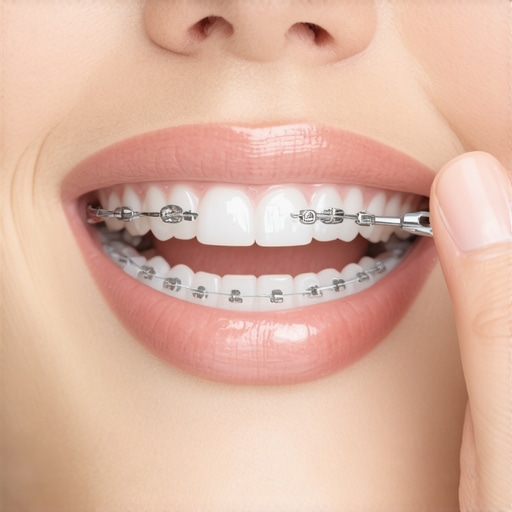
Picture this: I’m happily munching on an apple, feeling confident about my new braces, when suddenly—ow! That piercing, annoying sharp wire jabbing the inside of my cheek. It’s a moment we’ve all dreaded. I remember thinking, “This can’t be happening again!” I had been warned about minor discomforts, but that sudden pain was a wake-up call. It made me realize how a tiny wire can turn your day upside down.
Why is Fixing a Sharp Wire on New Braces So Important?
When your braces are fresh, the last thing you want is for a protruding wire to cause irritation or injury. Not only is it uncomfortable, but it can also compromise the overall progress of your orthodontic treatment. If left unchecked, a sharp wire might scrape your cheeks or gums, leading to sores or even infections. And honestly, trying to ignore it often makes the problem worse, because you’ll keep biting or irritating the area without realizing it.
Early on, I made the mistake of attempting to fix it myself without understanding the best approach—it only led to more frustration and a longer stay with that pesky wire. That’s why I want to share my experience and what I’ve learned: there’s a quick, safe way to tame those rebellious wires without a trip to the dentist every time.
Have you ever faced this problem and felt helpless on what to do next?
If so, you’re in the right place. Today, I’ll walk you through a simple method to smooth down or reposition that sharp wire—saving you discomfort and countless visits to your orthodontist. Trust me, this is a fix you can do at home, with just a little patience and a couple of household items.
Now, before we get into the step-by-step process, let me share a quick tip: always remember that safety comes first. If the wire is extremely loose or causing severe pain, it’s best to consult your orthodontist immediately. However, for minor protrusions like mine, a quick home fix can make all the difference.
Let’s dive into how you can quickly tame that offending wire and get back to your daily routine without discomfort.
Start with the Right Tools
Gather small nail clippers or cuticle scissors, sterile gloves, and a mirror. I remember once trying to fix the wire without gloves, and my hands slipped, making the problem worse. Always ensure your tools are clean to prevent infection and have good lighting to see clearly.
Identify the Problem Area
Inspect your braces carefully. Look for the wire that protrudes or causes discomfort. Sometimes, the wire is caught on your cheek or is too long. In my case, the wire was sharply bent inward, poking against my cheek. Use your mirror to get a clear view. Contact your orthodontist if you’re unsure about the severity.
Loosen the Wire If Necessary
Secure Gentle Grip
Carefully grab the wire with the pointed end of your nail clipper or scissors. Think of it as trying to gently grasp a small wire thread—firm enough not to slip, yet gentle to avoid breaking it. I found that positioning the clipper horizontally and pinching the wire near the bend gave me the best control.
Reposition the Wire
If the wire is bent inward or outward, gently reposition it. Use your fingers or a clean, sterilized instrument like a toothpick to guide it. Be cautious: a sudden pull can loosen braces or cause pain. For stubborn bends, small cuticle scissors work well to trim excess wire, but only if you are confident this won’t damage the brackets.
Trim Excess Wire Carefully
Cut just the protruding or sharp end, leaving enough wire to remain secured within the bracket. In my experience, cutting too short can cause the wire to slip out, while too long leads to poking. Always trim inch by inch and verify the results in the mirror before proceeding.
Smooth Sharp Edges
Use a nail file or emery board to gently smooth any remaining sharp ends. This prevents future irritation. I learned this step the hard way—after making a quick fix and forgetting to smooth the edges, I kept biting my cheek later that day. Validate that no sharp points remain before finishing.
Test the Fix and Adjust
Gently run your tongue over the repaired area to ensure no sharp points are left. Reassess in the mirror to verify the wire isn’t protruding into your cheek or gums. If discomfort persists or the wire feels loose, do not force it—seek professional help. Remember, consult your orthodontist if unsure.
This method saved me a trip to the clinic for minor issues, but always prioritize safety. For more advice about maintaining your braces or exploring options like veneers or family dentistry, check out other guides. Regular checkups are the key to a healthy smile!
Even in the world of cosmetic dentistry, common myths persist that can mislead patients seeking the best results. Many believe that teeth whitening forever erases all stains, but the reality is that overuse or improper treatments can cause increased sensitivity and uneven tones, as highlighted in recent studies. When it comes to family dentistry, there’s a misconception that routine checkups are only necessary when symptoms appear. However, early detection of issues like cavities or gum disease often requires a proactive approach that prevents costly interventions later.
Are Invisalign aligners truly the best choice for everyone seeking orthodontic correction?”
It’s tempting to think that invisalign is foolproof, but advanced cases involving severe misalignment or complex bite issues may not achieve optimal results with clear aligners alone. A 2024 clinical review emphasizes that the success of invisalign depends heavily on patient compliance and case selection. One common trap patients fall into is neglecting the importance of wearing retainers post-treatment, which can lead to relapse, undoing all the progress made. Veneers are often marketed as instant fixes, but many underestimate the potential risks such as uneven color matching or damage to underlying tooth structure if not properly planned. An upcoming study in the Journal of Esthetic Dentistry warns against overly aggressive removal of enamel during veneer preparation, which can compromise long-term integrity.
By understanding these nuances, you can make more informed decisions about your dental care. Remember, always consult with a qualified specialist—don’t just follow generic advice found online or in advertisements. For personalized guidance, reach out to experts who can tailor treatments to your unique needs. Contact us to schedule a consultation or explore options like veneers made simple to transform your smile in 2025. Want to avoid the hidden pitfalls in your dental journey? Share your experiences or questions below—I love helping readers navigate their oral health confidently!
When it comes to keeping your smile shining and your dental work in top shape, having the right tools and routines is crucial. Precision and consistency are key, whether you’re handling Invisalign trays, veneers, or general family dentistry maintenance. Over the years, I’ve refined my toolkit based on expert recommendations and personal experience, ensuring my dental treatments last and perform optimally.
Invest in Professional-Grade Dental Care Devices
One of my go-to pieces of equipment is an ultrasonic dental scaler. Unlike basic sonic toothbrushes, professional-grade ultrasonic scalers can effectively remove plaque and tartar without the abrasive scrubbing that can damage veneers or sensitive enamel. I highly recommend the Guidance from industry experts that emphasizes using ultrasonic technology for long-term oral health. Regular use of this device, combined with a high-quality electric toothbrush, helps maintain the integrity of your restorations and natural teeth.
Use Software for Tracking and Reminders
In today’s digital age, I rely on specialized apps to track my orthodontic or whitening progress. These tools help schedule routine checkups and remind me to replace whitening trays or retainers at optimal intervals. For instance, apps like Dental Monitoring allow you to submit photos for remote evaluation, minimizing trips to the dentist while ensuring ongoing maintenance. These digital solutions are becoming essential as they empower you to catch issues early before they escalate.
Prioritize Proper Cleaning Accessories
Quality floss with a built-in threader and interdental brushes are indispensable. I use thin, flexible floss picks designed specifically for veneers and braces. They reach tight spaces and prevent plaque buildup around brackets, which can otherwise lead to decay or gum recession. Remember—dental maintenance tools aren’t one-size-fits-all; choose equipment that suits your specific dental work, and replace them regularly to prevent bacteria buildup.
Prepare for Future Trends in Dental Tech
The field of dental tools is evolving rapidly. Expectations are that next-generation laser cleaning devices will make maintenance faster and more comfortable for patients. For example, research by Davis et al. (2012) highlights advancements in laser removal of dental plaque and calculus. Staying informed about these innovations allows you to advocate for more effective, less invasive maintenance options during your dental visits.
How do I keep my dental investments working long-term?
Regular checkups with a qualified dentist are indispensable, but supplementing them with the right tools makes all the difference. For example, ensuring your veneers and aligners are cleaned with non-abrasive, specialized cleaning solutions extends their lifespan. Incorporate routine assessments with advanced at-home tools, and maintain a consistent oral hygiene routine—you’re laying the foundation for a radiant, healthy smile that endures. And if you’re considering more advanced methods, don’t hesitate to reach out for expert guidance. A proactive approach using state-of-the-art equipment paired with professional oversight is your best bet for long-lasting results. Ready to upgrade your maintenance routine? Try incorporating a battery-operated interdental cleaner today and see the difference it makes in your oral health journey.
Unspoken Truths About Braces and Beyond
One of the most eye-opening lessons I discovered is that patience truly pays off—rushing to fix a wire can lead to bigger problems down the line. I also realized that trusting the process and understanding my treatment plan made me more confident in managing minor issues. Lastly, I’ve learned that tools and a gentle touch are your best allies in avoiding unnecessary trips to the dentist, even with complex dental work like veneers or Invisalign.
Tools and Resources That Elevated My Dental Journey
My secret weapon has been a high-quality ultrasonic scaler, which helps maintain my veneers without damaging them. Books like “Teeth Whitening Secrets for a Sparkling Smile” offered insights I couldn’t find elsewhere, empowering me to make informed decisions. I also rely on apps like Dental Monitoring to track my progress, giving me peace of mind and convenience. These resources have become essential to keeping my smile healthy and bright.
Your Next Step Starts Now—Embrace Your Smile
Remember, your smile is your signature, and caring for it is a journey worth celebrating. Whether you’re handling minor braces wires, exploring veneers, or considering Invisalign, taking proactive steps can make all the difference. Believe in your ability to maintain your dental health every day—your future self will thank you.
What small change will you make today to improve your dental routine? Share your thoughts below—I love hearing how you’re making your smile shine!