
How to Tell if Your Gum Recession is Caused by Over-Brushing
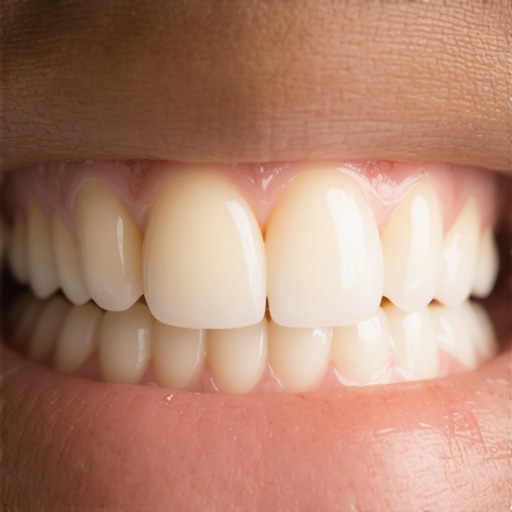
I remember the exact moment I realized I might be doing more harm than good with my daily brushing routine. It was a morning when I noticed my gums looked a little more recessed than usual, and I felt a strange sensitivity when drinking ice-cold water. For a while, I brushed vigorously, thinking it would give me a cleaner, healthier smile. Instead, I was unknowingly damaging my gums. That lightbulb moment sparked my deep dive into understanding what causes gum recession and, more importantly, how to identify if over-brushing is behind it.
Why Over-Blushing Might Be Sabotaging Your Smile
Many people brush hard or frequently believing it’s the best way to keep their mouth healthy. But here’s the truth: aggressive brushing can actually wear down your gum tissue and tooth enamel, leading to gum recession. This is a common mistake—early on, I didn’t realize that too much force during brushing could do more harm than good. According to the American Dental Association, over-brushing is a leading cause of gum recession in adults. Recognizing the signs early can prevent long-term damage and costly dental treatments. If you’ve been experiencing increased sensitivity, visibly receding gums, or even small gaps between your teeth, these could be signs that your brushing habits need a review. Ready to learn how to tell if over-brushing is behind your gum issues? Let’s explore the telltale signs together and find solutions to protect your smile.
Assessing Your Brushing Technique
Start by examining whether you’re applying too much pressure during brushing. Use a soft-bristled toothbrush and gentle, circular motions—think of polishing a delicate surface rather than scrubbing a stubborn stain. I once caught myself pressing too hard, which caused bleeding and discomfort. Switching to a gentle touch prevented further gum recession and improved my oral health.
Implementing Proper Brushing Habits
Brush twice daily for two minutes, ensuring you cover all surfaces—front, back, and chewing surfaces. Use a timer or an electric toothbrush with built-in timers to avoid rushing through your routine. I set a two-minute timer and divided my mouth into quadrants, dedicating each 30 seconds. This systematic approach ensured comprehensive cleaning without overdoing it.
Choosing the Right Tools
Select a toothbrush with soft bristles and replace it every three to four months. Consider an electric toothbrush with pressure sensors that alert you if you’re pressing too hard. I upgraded to one with a pressure indicator, which lit up when I exerted excessive force, helping me develop a gentler brushing style.
Incorporating Gentle Flossing
Floss daily using a light touch, sliding it softly between teeth—avoid snapping or forcing it. When I first started flossing, I noticed bleeding from flossing too aggressively. By flossing gently and curving the floss into a C-shape around each tooth, I reduced irritation and promoted healthier gums.
Adjusting Your Technique with Family Guidance
Seek advice from family dentistry professionals who can demonstrate correct methods. Regular check-ups help identify over-brushing signs early. During my routine dental visits, the hygienist reviewed my technique, advising me on how to adapt my brushing pressure and angle for optimal gum protection. You can explore trusted practices at family dentistry.
Monitoring and Modifying Routine
Stay attentive to sensitive or receding gums and adjust brushing accordingly. Use a mirror to observe gum line changes over time—early detection can prevent extensive damage. After adopting a gentler routine, I noticed reduced sensitivity and healthier gum tissue within weeks, reinforcing the importance of mindful brushing techniques.
Considering Alternative Cleaning Methods
Explore additional tools like interdental brushes or water flossers for effective yet gentle cleaning. These alternatives can supplement your routine, especially if traditional flossing causes discomfort. I incorporated a water flosser, which made cleaning easier and gentler, especially around sensitive areas.
Leveraging Professional Guidance for Customized Care
Consult your dentist for personalized advice, especially if over-brushing has caused noticeable damage. They may recommend specific products or techniques tailored to your oral health needs. For instance, they might suggest a professional cleaning or treatments like veneers or veneers, which can be discussed at veneers for aesthetic correction.
Maintaining Consistency and Awareness
Track your habits and stay conscious of your technique to avoid slipping back into harmful patterns. Remember, even daily routines require mindfulness—staying aware can preserve your gums and prolong the health of your smile. By consistently practicing gentle techniques, I prevented further recession and maintained a healthy, confident smile.
Why Most People Overlook the Real Deals with Invisalign
Many assume Invisalign is a flawless, painless path to perfect teeth. While it’s true that clear aligners are a game-changer in discreet orthodontics, there’s a common misconception that they work equally for everyone. In reality, the nuances of tooth movement require personalized planning; not every bite and bite issues respond well to aligners. Misunderstanding this can lead to inadequate results or prolonged treatment times. For instance, complex cases involving significant crowding or bite correction might necessitate traditional braces or even surgical intervention. A study in the Journal of Dental Research highlights how failure to select suitable candidates for Invisalign can compromise treatment efficacy. So, before jumping on the clear aligner bandwagon, consult a professional who can assess your unique needs—don’t just rely on marketing hype.
Are Veneers a One-Size-Fits-All Solution for Smile Perfection?
Many believe veneers can mask all dental imperfections effortlessly. The truth is, veneers are delicate and require carefully assessed planning. Overlooking the compatibility between veneer material, tooth structure, and oral habits can result in chips, discoloration, or even gum irritation. Additionally, some myths suggest veneers are reversible—this isn’t entirely accurate. Removing veneers involves significant enamel shaving, and often, replacement is necessary. For detailed insights, check out my comprehensive guide on veneers versus crowns. Remember, a customized approach preserves your natural tissue and ensures longevity.
Common Pitfalls in Family Dentistry That Could Trip You Up
The idea that regular brushing and flossing guarantee lifelong dental health is widespread. However, routine home care, if not performed correctly or with the right tools, can fall short. A frequent mistake is neglecting tailored preventive measures, such as applying sealants or fluoride treatments for children, which are critical for cavity prevention. Moreover, many parents underestimate the importance of early orthodontic assessments; delaying intervention can lead to more invasive procedures later. According to experts from family dentistry, proactive, personalized care plans help equip the whole family against dental issues. Don’t overlook the importance of visiting a family dentist with holistic expertise—your loved ones’ smiles depend on it.
Teeth Whitening: The Hidden Risks Most Miss
Everyone wants a dazzling smile, but many fall prey to overhyped whitening products or DIY solutions like lemon juice or charcoal. These methods often overlook the fact that excessive or improper whitening can damage enamel, causing sensitivity and uneven discoloration. A study published in the Journal of Esthetic & Restorative Dentistry confirms that overuse of bleaching agents accelerates enamel demineralization. The real secret is moderation and professional guidance—using dentist-approved products minimizes risks while maximizing results. If you’re curious about safe options, explore my article on teeth whitening that emphasizes both efficacy and safety. Remember, a whiter smile shouldn’t come at the expense of your oral health.
Have you ever fallen into this trap? Let me know in the comments.
,
How do I maintain my smile’s health over time?
Staying on top of your dental routine requires the right tools and strategies. Personally, I rely heavily on an electric toothbrush with pressure sensors, like the Oral-B Genius X, which I find invaluable for preventing gum recession and ensuring a gentle, effective clean. The built-in timers help me stick to the two-minute brushing recommendation, making sure I don’t rush or over-brush, both of which can compromise gum health. For flossing, I prefer water flossers such as the Waterpik Aquarius, which effortlessly reach between teeth and along the gum line, especially around areas where traditional floss can be cumbersome or cause irritation.
While these tools are core to my routine, I also embrace a comprehensive oral health software like Bridgeis to track my appointments, set reminders for tool replacements, and monitor any changes in gum or tooth sensitivity. This combination of physical tools and digital tracking keeps me consistent and aware of my oral health trajectory.
Future of dental maintenance: what trends are emerging?
Advancements like AI-driven diagnostics and smart toothbrushes are expected to revolutionize long-term dental care. For example, new models with integrated app connectivity analyze brushing patterns and offer real-time feedback, reducing the risk of over- or under-cleaning. Going forward, I believe personalized, tech-enabled routines will become standard, empowering patients to take more control and catch issues early, much like how early detection saved me from extensive gum recession. To explore the latest innovations, check out Invisalign’s upcoming breakthroughs.
What are the best practices for durable veneer upkeep?
Maintaining the longevity of your veneers involves more than just avoiding stain-causing foods. I recommend using a silica-based toothpaste like Sensodyne Repair & Protect, which is gentle yet effective at strengthening enamel around the veneer margins. Regular professional check-ups, ideally twice a year, are crucial to detect any early signs of chipping or gum irritation. During visits, ask your dentist to evaluate the bond integrity and overall tissue health. Incorporating a soft, detailed cleaning routine with interdental brushes can prevent plaque buildup at the margins, which is essential for preventing veneer failure.
In my experience, staying proactive with tools and expert guidance ensures your veneers and overall smile remain beautiful for years. For deeper insights into veneers and their maintenance, visit this detailed guide.
Long-term health with family-focused routines
Building a routine that spans generations involves tailored tools for each age group. I recommend a combination of fluoride varnish applications endorsed by your dentist and age-specific toothbrushes—soft bristles for kids, ergonomic handles for seniors. Digital apps tailored for families can sync appointments and daily tasks, reinforcing good habits. Regular check-ups at a family dentistry practice, like this clinic, ensure everyone stays on track. These practices create sustainable habits and catch issues before they escalate, setting the stage for lifelong oral health.
Implementing these tools and routines may seem detailed at first, but they significantly reduce long-term dental costs and discomfort. Try integrating a pressure-sensitive electric toothbrush and a water flosser into your daily practice today—your future self will thank you for the investment in your smile’s health.
Throughout my journey into dental health, I learned that true smile transformation goes beyond surface appearances. The most valuable insights often come from those less obvious lessons—like recognizing subtle signs of over-brushing, or understanding that even the most advertised treatments, such as Invisalign or veneers, require personalized planning for lasting results. Embracing a holistic approach, I discovered that combining professional guidance with mindful habits makes all the difference. Remember, your smile is a reflection of your overall health, and tiny adjustments today can lead to a lifetime of confident, radiant moments.
What Few People Learn About Maintaining a Perfect Smile
- Gentle Is Powerful: I used to think scrubbing harder was the key to clean teeth, but early gum recession proved otherwise. Soft, controlled brushing with the right tools protects your gums and enforces better long-term health.
- Customized Care Matters: Not every treatment suits everyone. Learning to ask the right questions during your dental visits saved me from costly and unnecessary procedures. For instance, professional advice on selecting between veneers or crowns can preserve your natural tissue and extend their lifespan.
- Mindfulness Over Routine: Tracking habits with digital tools helped me stay aware and make proactive changes. This awareness turned routine care into strategic, health-preserving actions.
- Holistic Tools Enhance Results: Using interdental brushes and water flossers in conjunction with professional care improved my gum health and minimized damage from over-brushing.
- The Future Is Personalized: Emerging trends like AI-driven diagnostics and smart toothbrushes are revolutionizing dental routines—making preventive care more accessible and effective than ever before.
Tools, Books, and Resources That Shaped My Dental Approach
- Trusted Products: An electric toothbrush with pressure sensors, such as the Oral-B Genius X, helps prevent gum recession while ensuring thorough, gentle cleaning.
- Informative Guides: Books like “Transform Your Smile with Veneers” provided me with comprehensive insights into aesthetic options and maintenance.
- Professional Networks: Connecting with a family dentistry practice that values personalized care, like this clinic, keeps my family’s smiles healthy across generations.
- Emerging Tech: Exploring innovations such as Invisalign’s upcoming features through latest breakthroughs keeps me inspired to stay at the forefront of dental health.
Ready for Your Smile Revolution
Remember, the best smile is one that’s cared for with intention and knowledge. By embracing gentle techniques, proactive monitoring, and trusted innovations, you can enjoy a confident, radiant smile that lasts a lifetime. Your journey toward optimal dental health has no finish line—every small step adds up to a remarkable transformation. Start today, and let your smile tell your story of self-care, resilience, and positivity.
What subtle change have you made that made the biggest difference in your dental routine? Share your experience below—we all have lessons to learn from each other!
,